

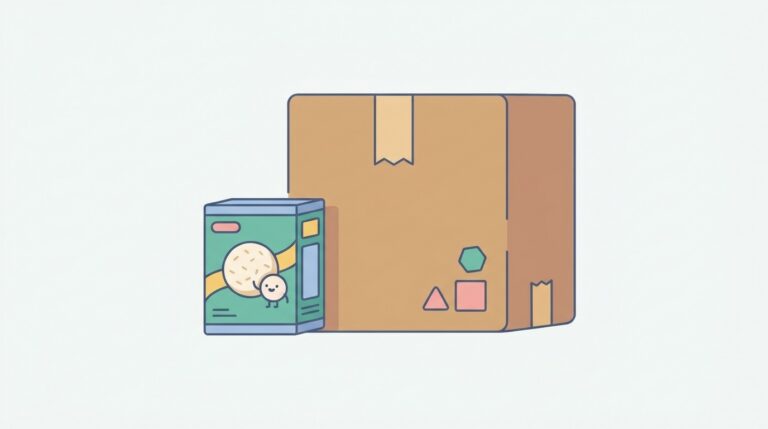
When Shipping Costs More Than the Item: The Hilarious Genius of ‘배보다 배꼽이 더 크다’
Phase 1: Empathy (스토리 몰입형 오프닝)
안녕하세요! 매일한글 에디터입니다. Have you ever experienced that uniquely absurd moment while online shopping in Korea where you find an adorable sticker pack or a phone case for just 1,500 KRW, excitedly tap “Buy Now,” and suddenly freeze at checkout because the shipping fee is 3,500 KRW? Or perhaps you took an old rice cooker to the service center, only to hear that replacing one tiny sensor costs more than buying a brand-new model?
Your Korean friend watching over your shoulder chuckles, shakes their head, and mutters: “와, 배보다 배꼽이 더 크네! (Wa, baeboda baekkobi deo keune!)” If you translated that literally inside your head, you probably pictured a surreal anatomical anomaly—“The belly button is bigger than the belly?!” At intermediate (B2) level, mastering Korean isn’t just about stringing together polite grammar points; it is about grasping the wit, emotional release, and everyday logic Korean speakers use to navigate life’s mini absurdities. This guide is crafted from real classroom debriefs and street-smart survival tips so you can turn unexpected expenses into instant conversational chemistry.
Phase 2: 핵심 표현 3선 심층 분석
1. 배보다 배꼽이 더 크다 (Baeboda baekkobi deo keuda)
- Pronunciation: [Bae-bo-da bae-kko-bi deo keu-da] (Think of bae like “bay”, baekkop like “beck-hope” with a tense double k, and keuda like “k-oo-dah”)
- Meaning: Literally “The belly button is bigger than the belly.” Figuratively, it describes any situation where incidental expenses, shipping, repairs, or side accessories cost significantly more than the primary item itself.
- K-Culture Moment: You will hear this constantly on YouTube unboxing vlogs when creators buy a budget 10,000 KRW retro gaming console but end up buying 80,000 KRW worth of converter cables and stylized stickers to make it work.
- Editor’s Insight: The belly represents the core asset, while the belly button represents the minor attachment. Koreans love physical, earthy metaphors to lighten the blow of wasted money.
- Situation Spectrum: Casual (✅) | Semi-formal (✅) | Formal (⚠️ – In formal business presentations, replace with ‘부대비용이 본래 비용을 초과하다’)
- 🤔 Think About It: In English, we might say “the tail is wagging the dog” or “penny wise, pound foolish.” But notice how Korean focuses humorously on physical proportion rather than animal control. Which image feels more vivid to you?
2. 허리띠를 졸라매다 (Heorittireul jollamaeda)
- Pronunciation: [Heo-ri-tti-reul jol-la-mae-da] (Pronounce heori like “huh-ree”, tti with a sharp snappy “ttee”, and jollamaeda like “jol-lah-mae-dah”)
- Meaning: Literally “To cinch one’s belt tightly.” Figuratively, to endure financial austerity or cut personal spending drastically during hard times.
- K-Culture Moment: In K-Dramas featuring hardworking protagonists (like Itaewon Class or Twenty-Five Twenty-One), older family members often say this when starting a risky new business venture together.
- Editor’s Insight: It carries a collective historical weight. In postwar Korea, tightening the belt was a daily physical reality to stave off hunger. Today, it is used affectionately among college students or newlyweds.
- Situation Spectrum: Casual (✅) | Semi-formal (✅) | Formal (✅)
- 🤔 Think About It: Many cultures share the “tightening belt” idiom. In Korea, however, it implies shared sacrifice rather than purely individual budgeting.
3. 뼈를 깎다 (Ppyeoreul kkakda)
- Pronunciation: [Ppyeo-reul kkak-da] (Pronounce ppyeo like a sharp popped “pyuh” and kkakda like “kahk-dah”)
- Meaning: Literally “To carve or shave one’s own bones.” Figuratively, to undertake agonizing, painstaking effort or radical cost restructuring to achieve an ambitious goal.
- K-Culture Moment: Used routinely in K-Pop survival shows (like Produce 101 or Boys Planet) by trainee mentors: “You need bone-carving practice if you want to debut next month.”
- Editor’s Insight: Reserve this for extreme effort or severe financial restructuring (e.g., “뼈를 깎는 노력”, bone-carving effort). Don’t use it for skipping a single cup of iced Americano!
- Situation Spectrum: Casual (⚠️ – Sounds overly dramatic if used for trivial tasks) | Semi-formal (✅) | Formal (✅)
- 🤔 Think About It: Korean idioms often use somatic imagery (bones, liver, intestines) to express deep devotion or stress. What body parts does your native language invoke when work becomes grueling?
Phase 3: 교과서 한국어 vs 진짜 한국어
Scenario 1: Reacting to high shipping fees or accessory costs
- 📖 교과서 한국어 (Textbook): 배송비와 수리비가 원래 물건 가격보다 더 비싸서 비합리적이에요. (Baesongbiwa suribiga wonrae mulgeon gagyeokboda deo bissaseo bihamrijeog-ieyo. / The shipping and repair costs are more expensive than the original item price, so it is irrational.)
- 🗣️ 진짜 한국어 (Real-life): 수리비 보니까 완전 배보다 배꼽이 더 크네요! (Suribi bonikka wanjeon baeboda baekkobi deo keuneyo! / Looking at the repair fee, the belly button is totally bigger than the belly!)
- 💡 왜 다를까? (Why the shift?): Native speakers rarely describe daily pricing mishaps as “irrational” (비합리적). Instead, they deploy self-deprecating humor to bond over shared everyday frustrations.
Scenario 2: Announcing a strict personal savings plan for next month
- 📖 교과서 한국어 (Textbook): 다음 달에는 지출을 엄격하게 제한하기로 결심했습니다. (Daeum darenaen jichureul eomgyeokhage jehanhagiro gyeolsimhaesseumnida. / Next month, I have resolved to strictly restrict my expenditures.)
- 🗣️ 진짜 한국어 (Real-life): 이번 달 적자라서 다음 달엔 진짜 허리띠 바짝 졸라매야 돼. (Ibeon dal jeokjaraseo daeum daren jinjja heoritti batjjak jollamaeya dwae. / I was in the red this month, so next month I really need to cinch my belt super tight.)
- 💡 왜 다를까? (Why the shift?): Adding adverbs like 바짝 (batjjak – tightly/firmly) creates visceral rhythm and signals determination without sounding like an accounting audit.
Phase 4: K-Culture 딥다이브 & 비언어적 매너
4-1. 눈치 (Nunchi) & Gestures
When saying “배보다 배꼽이 더 커요”, your body language seals the comedic punchline. Do not look angry or combative toward the shop clerk or cashier; that creates unnecessary awkwardness (gapbunssa). Instead:
1. Tilt your head back slightly and deliver a wry, warm smirk.
2. Tap the screen or invoice with your index finger, then lightly press your palm against your temple or chest as if playfully baffled.
3. Making eye contact while sighing humorously (“허허, 참…”) signals: “I know this isn’t your fault, the situation itself is just ridiculous!”
4-2. 문화 코드 분석 (Danggeun Market & Coupang Delivery)
Korea’s hyper-convenient digital infrastructure has given new life to this idiom. Consider Danggeun Market (당근마켓), the hyper-local secondhand app. When someone tries to sell an item for 1,000 KRW, paying parcel delivery (택배비) of 3,500 KRW makes no sense. Thus, Koreans insist on 직거래 (jikgeorae – in-person deal) at subway exits precisely to avoid the “belly button outgrowing the belly.”
Likewise, on e-commerce platforms like Coupang, buyers will obsessively add small items to their digital carts to hit the free-delivery threshold, only to realize they spent 20,000 KRW on random snacks to save a 3,000 KRW delivery fee. The internet community immediately posts screenshots labeled: “오늘도 배보다 배꼽 쇼핑 완료 (Belly button shopping completed again today).”
Phase 5: 실전 롤플레이 시나리오
- Setting: An aesthetic vintage film camera repair shop near Yeonnam-dong, Seoul.
- Characters:
- 민호 (Min-ho): A meticulous master technician wearing rounded spectacles and a leather work apron.
- 유나 (Yuna): An intermediate-level international student who bought a 20,000 KRW thrift-shop camera that stopped clicking.
- 민호: 🎭 (카메라 렌즈를 조심스레 분해해 돋보기로 들여다보며) 손님, 이거 내부 셔터 부품이 완전히 마모되었네요. 부품을 해외에서 특송으로 주문해야 합니다.
(Min-ho: Sonnim, igeo naebu syeoteo bupumi wanjeonhi mamodoeeotneyo. Bupumeul hae-oeseo teuksong-euro jumunhaeya hamnida. / Customer, the internal shutter part here is completely worn out. We have to order the replacement via express international courier.) -
유나: 🎭 (걱정스러운 눈빛으로 조심스럽게 물으며) 아, 그래요? 수리비가 대략 얼마 정도 나올까요?
(Yuna: A, geuraeyo? Suribiga daeryak eolma jeongdo naolkkayo? / Ah, really? Roughly how much will the repair fee come out to?) -
민호: 🎭 (견적서에 숫자를 적으며 멋쩍은 미소를 짓는다) 부품비랑 공임비 다 합치면 12만 원 정도 나오겠어요.
(Min-ho: Bupumbirang gong-imbida hapchimyeon sibiman-won jeongdo naogesseoyo. / Combining the part cost and labor fee, it will come out to around 120,000 KRW.) -
유나: 🎭 (눈이 휘둥그레지며 머리를 긁적인다) 네?! 12만 원이요? 제가 이거 동묘 벼룩시장에서 2만 원 주고 샀거든요.
(Yuna: Ne?! Sibiman-woni-yo? Jega igeo Dongmyo byeoruksijang-eseo iman-won jugo satgeodeunyo. / What?! 120,000 KRW? I bought this at Dongmyo Flea Market for 20,000 KRW.) -
민호: 🎭 (어깨를 으쓱하며 공감하듯 고개를 끄덕인다) 아이고, 그러셨군요. 그럼 수리하기 좀 애매하시겠어요.
(Min-ho: Aigo, geureosyeotgunyo. Geureom surihagi jom aemaehasigesseoyo. / Oh my, is that so. Then it might be a bit awkward to repair.) -
유나: 🎭 (영수증과 카메라를 번갈아 보며 유쾌하게 탄식한다) 완전히 배보다 배꼽이 더 크네요! 그냥 인테리어 소품으로 써야겠어요.
(Yuna: Wanjeonhi baeboda baekkobi deo keuneyo! Geunyang interi-eo sopumeuro sseoyagesseoyo. / The belly button is completely bigger than the belly! I should just use it as an interior prop.) -
민호: 🎭 (유나의 자연스러운 표현에 활짝 웃으며) 하하, 맞아요. 그게 훨씬 현명한 선택입니다!
(Min-ho: Haha, majayo. Geuge hwolssin hyeonmyeonghan seontaegimnida! / Haha, you’re right. That’s a much wiser choice!) -
유나: 🎭 (정중히 목례하며 카메라를 챙긴다) 점검해 주셔서 감사합니다, 사장님! 허리띠 졸라매고 새 카메라 알아봐야겠어요.
(Yuna: Jeomgeomhae jusyeoseo gamsahamnida, sajangnim! Heoritti jollamaego sae kamera arabwayagesseoyo. / Thank you for inspecting it, boss! I’ll tighten my belt and look into a new camera.)
🔀 인터랙티브 분기점 (Choose Your Response!)
If Min-ho tells you the repair is 120,000 KRW, how would you respond?
* Option A: “아이 참, 너무 비싸요! 깎아주세요!” (Ai cham, neomu bissayo! Kkakkajuseyo! / Ah come on, it’s too pricey! Give me a discount!)
* 👉 Feedback [Risk]: Technicians cannot easily discount fixed import parts. Demanding discounts directly can sound childish or rude.
* Option B: “와, 2만 원짜리 카메라에 12만 원이라니, 배보다 배꼽이 더 크네요!” (Wa, iman-wonjjari kamera-e sibiman-won-irani, baeboda baekkobi deo keuneyo!)
* 👉 Feedback [Best!]: Friendly, conversational, acknowledges the objective comedy of the situation without blaming the technician.
* Option C: “이 가격 책정 방식은 경제학적으로 불합리합니다.” (I gagyeok chaekjeong bangsik-eun gyeongjehakjeogeuro bulhamrihamnida.)
* 👉 Feedback [Bad]: Overly academic, robotic, and instantly destroys conversational chemistry.
Phase 6: 10초 감정 섀도잉 드릴 (Shadowing Drill)
Practice reading these lines aloud. Focus on the emotional shift at the slash (/) pauses!
[😅 황당하면서도 웃음 터진 목소리로 / Bemused & lighthearted]- 택배비가 / 물건값의 두 배라서 / 완전 배보다 배꼽이 더 커요!
(Taekbaebiga / mulgeon-gapseui du baeraseo / wanjeon baeboda baekkobi deo keoyo!)
“The shipping fee / is twice the item price, / so the belly button is totally bigger than the belly!”
- 택배비가 / 물건값의 두 배라서 / 완전 배보다 배꼽이 더 커요!
[😤 단호하고 비장한 어조로 / Resolute & gritty determination]- 이번 학기 장학금 타려면 / 오늘부터 / 허리띠 바짝 졸라매야 돼.
(Ibeon hakgi janghakgeum taryeomyeon / oneulbuteo / heoritti batjjak jollamaeya dwae.)
“If I want to win the scholarship this semester, / starting today, / I really must cinch my belt tight.”
- 이번 학기 장학금 타려면 / 오늘부터 / 허리띠 바짝 졸라매야 돼.
[😮💨 깊은 감탄과 리스펙트를 담아 / Deep admiration & respect]- 국가대표 선수들이 / 뼈를 깎는 노력 끝에 / 금메달을 땄습니다.
(Gukgadaepyo seonsudeuri / ppyeoreul kkakneun noryeok kkeute / geummedareul ttasseumnida.)
“The national athletes, / after bone-carving effort, / finally clinched the gold medal.”
- 국가대표 선수들이 / 뼈를 깎는 노력 끝에 / 금메달을 땄습니다.
Phase 7: K-Culture 미니 사전
- 배송비 (Baesongbi) | Shipping / Courier Fee | Everyday e-commerce term. Often waived above 30,000 KRW (무료배송).
- 직거래 (Jikgeorae) | In-Person Direct Transaction | Face-to-face trading on Danggeun Market to inspect items and eliminate shipping overhead.
- 가성비 (Gaseongbi) | Price-to-Performance Ratio | A core modern Korean consumer value (short for 가격 대비 성능비).
- 득템 (Deuktem) | Scoring a Great Find | A compound of 득 (得, gain) and the English word “Item,” used when buying quality goods at an astonishing bargain.
Phase 8: 여행자를 위한 생존 키트 (Traveler’s Survival Kit)
Top 3 On-the-Go Phrases
- 혹시 묶음 배송 되나요? (Hoksi mukkeum baesong doenayo?)
- “Can these orders be combined for shipping?” (Essential when purchasing multiple items from the same seller to avoid repetitive shipping fees).
- 배보다 배꼽이 더 큰 것 같아요. (Baeboda baekkobi deo keun geot gatayo.)
- “It feels like the side cost is bigger than the main item.” (Polite, soft self-reflection when browsing souvenirs or calculating add-ons).
- 조금만 깎아주실 수 있나요? (Jogeumman kkakka jusil su innayo?)
- “Could you give me just a tiny discount?” (Safe to use at traditional open markets like Namdaemun or Dongmyo).
Editor’s Travel Note
Before heading to flea markets or vintage shopping alleys, make sure you complete your 네이버 지도 앱 다운로드 to pinpoint transit exits where secondhand meetings take place. Also, when taking regional taxis late at night, remember that luggage surcharges or highway tolls can sometimes make short inter-city hops feel like 배보다 배꼽—always verify base fare routes beforehand!
Phase 9: “한 발 더 깊이” (Cultural Reflection)
Why do Koreans resort to anatomical humor—like bloated belly buttons or belt-tightening—when confronted with economic hardship? Korean society underwent rapid economic acceleration known as the “Miracle on the Han River,” where families coped with unpredictable inflation, currency crashes, and high living costs through shared colloquial resilience. Rather than masking distress behind cold transactional terms, turning economic burdens into colorful self-deprecating proverbs creates solidarity. When both buyer and seller laugh over a belly button being too big, transaction tension dissolves into shared human empathy.
💬 Your Turn: Have you ever experienced a purchase where the hidden fees, taxes, or shipping completely dwarfed the original price? Share your funniest 배보다 배꼽 story in the comments below!
Phase 10: FAQ & 오해 방지 (FAQ Schema)
Q: Can I use ‘배보다 배꼽이 더 크다’ in formal business meetings?
A: While native speakers occasionally use it in meetings to break the ice humorously, it is safer in formal presentations to use professional alternatives such as ‘부대비용이 초과 발생하다’ (incidental expenses exceed initial costs) or ‘본말이 전도되다’ (the primary and secondary have swapped importance).
Q: Is ‘허리띠를 졸라매다’ only used for poor people?
A: Not at all! Even high-earning professionals and large corporations use it during periods of market downturn or when aggressively saving for strategic investments (like buying a house or funding research).
Q: What is the difference between ‘바가지를 쓰다’ and ‘배보다 배꼽이 더 크다’?
A: ‘바가지를 쓰다’ (bagajireul sseuda) means you were ripped off or overcharged through deception. ‘배보다 배꼽이 더 크다’ means the individual charges are legitimate, but the accessory or auxiliary cost happens to outweigh the original object.
🚨 Common Mistakes Alert
- Mistake: Saying “배가 배꼽보다 더 커요” (The belly is bigger than the belly button).
- Correction: That is biologically normal! Make sure to put the belly button (배꼽) after 더 크다: 배보다 배꼽이 더 커요.
- Mistake: Using 뼈를 깎다 for trivial habits like waking up 10 minutes earlier.
- Correction: Reserve 뼈를 깎는 노력 for life-altering commitments like national exams, Olympic training, or corporate survival pivots.
- Mistake: Using 허리띠를 졸라매다 literally at a clothing boutique.
- Correction: If you actually need your belt tightened, tell the clerk: “벨트 구멍 하나 더 뚫어주세요” (Please punch one more belt hole).
Phase 11: 액션 미션 & 참여 유도
- 🥉 Bronze Mission: Read the 3 sentences in the Phase 6 Shadowing Drill aloud 5 times until you can say 배보다 배꼽이 더 커요 in under 3 seconds without stumbling.
- 🥈 Silver Mission: Find an item on your favorite shopping app where shipping or import duty costs more than the item. Take a screenshot and post it on your Instagram Story with the caption: “완전 배보다 배꼽이 더 크네! 😂”
- 🥇 Gold Mission: Next time you order coffee or street snacks with friends, discuss your recent purchases and drop 허리띠를 졸라매다 naturally when explaining your monthly savings goal.
- 🎮 K-Culture Mission: Watch an episode of a Korean variety show (like Hangout with Yoo or Running Man) and listen for members yelling “배보다 배꼽이 더 크잖아!” during wacky game reward segments.
Phase 12: 인터랙티브 퀴즈 챌린지
Q1. 상황 판단 (Context Assessment)
Liam bought a second-hand keyboard for 10,000 KRW, but the replacement custom keycaps and cleaning kit cost him 45,000 KRW. Which expression best fits his situation?
(A) 바가지를 썼다
(B) 뼈를 깎았다
(C) 배보다 배꼽이 더 크다
(D) 허리띠를 졸라맸다
Q2. 빈칸 채우기 (Fill-in-the-Blank)
“우리 회사가 이번 위기를 넘기려면 전 직원이 (________) 자세로 비용을 절감해야 합니다.”
(Hint: Idiom meaning tightening one’s belt)
Q3. 문화 상식 (True / False)
True or False: If a street vendor charges you double because you are a foreigner, you should say “배보다 배꼽이 더 크네요!”
👉 Click to reveal answers & explanations!
- Q1 Answer: (C) 배보다 배꼽이 더 크다
Explanation: The keyboard was legit, but the accessories and repair materials cost far more than the main item itself. - Q2 Answer: 허리띠를 졸라매는
Explanation: In collective hardship, “허리띠를 졸라매다” modifies the noun “자세” (attitude/posture). - Q3 Answer: False
Explanation: Being overcharged deliberately is 바가지를 쓰다 (getting ripped off). 배보다 배꼽이 더 크다 is for proportional mismatch between primary goods and peripheral costs.
🎬 Watch Our Daily Videos! (Daily Hangul Official Instagram)
Review the expressions you learned in this article with our fun daily short videos! Check out native pronunciation and real-life nuances in action.
- Instagram @dailyhangul_en







