

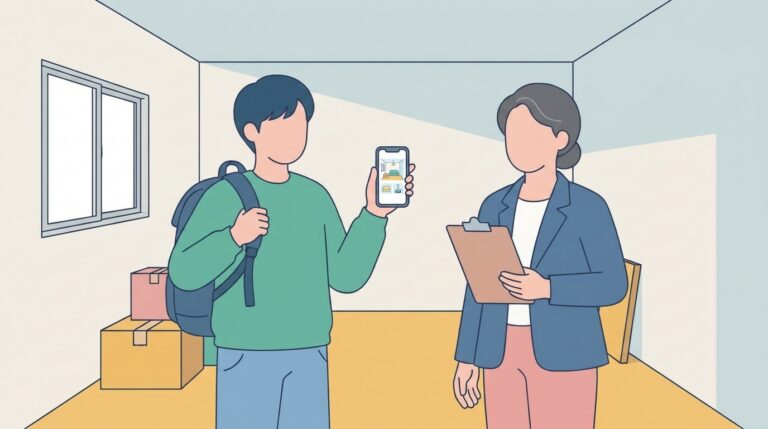
The Expat Survival Guide: How Move-In Photos Saved My One-Room Deposit in Korea
Phase 1: 공감 (Story-Driven Opening)
안녕하세요! 매일한글 에디터입니다.
Imagine this: You have packed your final cardboard box, wiped down the sink, and taken a deep breath in your Seoul studio apartment (one-room, 원룸). You are ready to hand over the digital door lock passcode, receive your heavy security deposit (bojeunggeum, 보증금) back into your bank account, and start your next exciting chapter. But just as your landlord, Mrs. Park, steps inside, her brow furrows. She walks directly to the far corner near the window, points at a faint yellowish scuff on the wallpaper, and clicks her tongue: “어머, 벽지가 찢어졌네? 이거 도배비 30만 원 제하고 줘야겠어” (Oh dear, the wallpaper is torn! I will have to deduct 300,000 KRW for wallpaper replacement).
Your heart drops. 300,000 KRW for a tiny mark? You distinctly remember that scuff being there the very day you unpacked your suitcases two years ago!
If you have ever rented a one-room or officetel in Korea, you know this gut-wrenching dread. Korea’s rental system often involves enormous deposit sums, and negotiating property restoration (wonsang-bokgu, 원상복구) upon moving out can feel intimidating, especially when you are worried your intermediate Korean will fail you mid-sentence. But take a deep breath. With a few clear, polite, and assertively grounded B1-level expressions—and the undeniable photographic evidence on your smartphone—you can confidently protect every single won of your deposit. This guide is built directly on real expat experiences and vetted by legal real estate guidelines to ensure you handle move-out day like a seasoned local.
Phase 2: 핵심 표현 3선 심층 분석 (Top 3 Essential Expressions)
1. 입주할 때 찍어 둔 사진이 있어요. (Ipjuhal ttae jjigeo dun sajini isseoyo.)
- Pronunciation: [Ip-ju-hal ttae jji-geo dun sa-ji-ni i-sseo-yo] (Think of ‘Ip-ju’ like a swift step inside, and ‘dun’ like the English word ‘done’ but softer).
- Meaning: Literal: “I have photos that were taken and kept when I moved in.” / Actual Nuance: “I documented this preexisting damage right when I arrived, so I am not liable for it.”
- K-Culture Moment: Seen frequently in slice-of-life K-dramas like Because This Is My First Life (이번 생은 처음이라) or Hello, My Twenties! (청춘시대), where meticulous young tenants pull out smartphone records to counter a strict, penny-pinching landlord.
- Editor’s Insight: The helper verb
-아/어 두다(-a/eo duda) signals that an action was completed and preserved for future use. Saying 찍어 둔 사진 (photos taken and kept) sounds far more prepared and deliberate than just saying 찍은 사진 (photos taken).- Situation Spectrum: Casual: ⚠️ (Use 찍어 둔 거 있어) | Semi-formal: ✅ | Formal: ✅
- 🤔 Think About It: In many Western leases, written move-in inspection checklists are standardized. In Korea, contracts are signed fast, making your personal digital timestamp your strongest legal shield. Why does Korean culture value tangible photographic proof over verbal agreements in tenant negotiations?
2. 이건 자연스러운 생활 마모예요. (Igeon jayeonseureoun saenghwal mamoyeyo.)
- Pronunciation: [I-geon ja-yeon-seu-reo-un saeng-hwal ma-mo-ye-yo] (Pronounce ‘ma-mo’ smoothly, rhyming with ‘mama’ but with rounded ‘o’ sounds).
- Meaning: Literal: “This is natural daily living wear-and-tear.” / Actual Nuance: “This is standard wear resulting from normal habitation, which landlords are expected to absorb.”
- K-Culture Moment: You will hear this phrase cited by savvy tenants on consumer advocacy TV shows like Master of Living (생활의 달인) or lifestyle YouTube channels when dealing with fussy apartment inspectors.
- Editor’s Insight: The legal term 생활 마모 (normal wear and tear) or 자연 마모 (natural depreciation) is your magic shield. Under Korean civil standards, tenants are not obligated to return a room to brand-new condition, only to maintain it without deliberate neglect.
- Situation Spectrum: Casual: 🚫 | Semi-formal: ✅ | Formal: ✅
- 🤔 Think About It: How does your home country distinguish between “property damage” and “fair wear and tear”? Does Korea’s dense studio rental market make landlords stricter about small blemishes?
3. 보증금에서 수선비를 차감하지 말아 주세요. (Bojeunggeum-eseo suseonbireul chagamhaji mara juseyo.)
- Pronunciation: [Bo-jeung-geum-e-seo su-seon-bi-reul cha-gam-ha-ji ma-ra ju-se-yo] (Enunciate ‘cha-gam’ with a sharp, crisp ‘ch’ sound).
- Meaning: Literal: “Please do not deduct repair fees from the deposit.” / Actual Nuance: “I do not consent to this repair deduction; please wire the entire deposit amount.”
- K-Culture Moment: Similar to intense workplace or real estate confrontations in legal K-dramas like Hyena or Law School, where boundaries must be drawn politely yet unyieldingly.
- Editor’s Insight: The verb 차감하다 (to deduct/subtract) is precise financial vocabulary. Using it instantly establishes that you understand real estate terminology, signaling to the landlord that you cannot be taken advantage of.
- Situation Spectrum: Casual: 🚫 | Semi-formal: ✅ | Formal: ✅
- 🤔 Think About It: Refusing a deduction directly in Korean requires balancing politeness endings (
-아/어 주세요) with firm terminology. How does your culture balance assertiveness and politeness during monetary disputes?
Phase 3: 교과서 한국어 vs 진짜 한국어 (Textbook vs. Real-Life Korean)
Situation 1: Presenting your photo evidence
- 📖 교과서 한국어 (Textbook Korean):
제가 들어왔을 때 이미 고장 났습니다. (Jega deureowasseul ttae imi gojang nasseumnida.)
“It was already broken when I entered.” - 🗣️ 진짜 한국어 (Real-Life Korean):
입주 첫날에 찍어 놓은 사진 타임스탬프가 여기 있어요. (Ipju cheonnare jjigeo noheun sajin taimseutaempeuga yeogi isseoyo.)
“Here is the photo with the timestamp that I took on my very first day moving in.” - 💡 왜 다를까? (Why the difference?):
The textbook version sounds blunt and defensive. Native speakers bring out the undeniable proof immediately with the phrase 입주 첫날에 찍어 놓은 (taken and saved on the first day) and show the timestamp (타임스탬프) to close the debate peacefully.
Situation 2: Countering a claim about faded wallpaper or floor scuffs
- 📖 교과서 한국어 (Textbook Korean):
돈을 낼 수 없습니다. (Doneul nael su eopseumnida.)
“I cannot pay the money.” - 🗣️ 진짜 한국어 (Real-Life Korean):
햇볕 때문에 색이 바랜 거라서 이건 자연 마모로 봐주셔야 해요. (Haetbyeot ttaemune saegi baraen georaseo igeon jayeon mamoro bwajusyeoya haeyo.)
“It just faded from sunlight, so this needs to be treated as natural wear and tear.” - 💡 왜 다를까? (Why the difference?):
Simply refusing to pay sounds confrontational and can cause landlords to withhold your deposit out of stubbornness. Specifying the physical cause (e.g., 햇볕 때문에, due to sunlight) and asking them to view it as normal wear (봐주셔야 해요) is polite yet legally unassailable.
Phase 4: K-Culture 딥다이브 & 비언어적 매너 (Deep Dive & Non-Verbal Etiquette)
4-1. 눈치 (Nunchi) & Body Language on Inspection Day
Moving out in Korea is a psychological dance. Landlords often walk in expecting minor claims to offset cleaning or wallpaper costs.
* Two-Hand Phone Display: When showing your photo evidence, hold your smartphone with both hands (두 손으로 보여드리기). This shows respect while anchoring your physical space.
* Calm Eye Contact without Glaring: Maintain soft, respectful eye contact. Raising your voice or sighing heavily (한숨 쉬기) will shut down goodwill. Instead, pair your evidence with a calm nod (차분한 고개 끄덕임) and an understanding phrase like “사장님 말씀도 이해하지만…” (I understand your perspective, Mr./Ms. Landlord, but…).
* The Power of the Real Estate Agent (부동산 중개인): Move-out inspections often happen in the presence of the neighborhood realtor. Direct some of your polite explanations toward the realtor! Realtors know standard wear-and-tear rules and will often step in as mediators on your behalf if your tone remains professional.
4-2. Cultural Code: The Sacred ‘Wonsang-Bokgu’ (원상복구)
In almost all Korean standardized lease agreements (표준임대차계약서), you will find the clause 원상복구의 의무 (Duty of Property Restoration). Historically, tenants were expected to return properties in identical condition. However, modern Seoul rental dispute committees (주택임대차분쟁조정위원회) clearly delineate that regular nail holes for small calendars, wallpaper discoloration from ambient sunlight, and light foot-traffic marks on laminate floors (장판) belong to 생활 마모 (natural wear) and are the landlord’s financial responsibility. Knowing this boundary flips you from an insecure foreign tenant into an informed resident.
Phase 5: 실전 롤플레이 시나리오 (Real-Life Roleplay Scenario)
Setting: A sunny 4th-floor officetel in Sinchon. Inspection day.
Characters:
* 박 사장님 (Mrs. Park, Landlord): Meticulous, has owned this building for 15 years, clutching a repair checklist.
* 알렉스 (Alex, Tenant): B1 Korean speaker, composed, smartphone gallery organized with move-in date albums.
- 박 사장님: 🎭 (바닥 구석을 손가락으로 가리키며 혀를 찬다 / Points her finger at the floor corner and clicks her tongue)
알렉스 씨, 여기 장판 찍힌 자국 보여요? 이거 바닥 다시 깔아야겠는데, 보증금에서 15만 원 뺄게요.
(Alex-ssi, yeogi jangpan jjikhin jaguk boyeoyo? Igeo badak dasi kkarayagenneunde, bojeunggeum-eseo siboman won ppaelgeyo.)
“Alex, do you see this dent on the flooring? We’ll need to redo the floor; I’m going to deduct 150,000 KRW from the deposit.” -
알렉스: 🎭 (차분하게 미소 지으며 스마트폰을 두 손으로 건넨다 / Smiles calmly and presents smartphone with both hands)
사장님, 잠시만요. 제가 입주할 때 찍어 둔 사진이 있어요.
(Sajangnim, jamsimanyo. Jega ipjuhal ttae jjigeo dun sajini isseoyo.)
“Ma’am, just a moment please. I have photos I took when I first moved in.” -
박 사장님: 🎭 (돋보기안경을 고쳐 쓰며 화면을 들여다본다 / Adjusts reading glasses and peers at the screen)
응? 입주할 때? 그때도 이게 긁혀 있었다고?
(Eung? Ipjuhal ttae? Geuttaedo ige geulkheo isseottago?)
“Huh? When you moved in? You mean it was already scratched back then?” -
알렉스: 🎭 (사진 정보창을 열어 날짜를 보여주며 / Opens photo details to display the date stamp)
네, 2년 전 3월 2일 계약 첫날 찍은 건데요. 여기 모서리에 똑같은 흠집 보이시죠?
(Ne, inyeon jeon sa-wol i-il gyeyak cheonnai jjigeun geondeyo. Yeogi moseorie ttokgateun heumjip boisijyo?)
“Yes, I took this on March 2nd two years ago, my first day of the lease. See the exact same scratch right here on this corner?” -
박 사장님: 🎭 (당황한 듯 헛기침을 한다 / Clears throat, looking caught off-guard)
큼큼… 그랬나? 그래도 벽지에 이 얼룩은 알렉스 씨가 쓰면서 생긴 거잖아.
(Keumkeum… geuraenna? Geuraedo byeokjie i eollugeun Alex-ssiga sseumyeonseo saenggin geojana.)
“Ahem… was it? But still, this spot on the wallpaper appeared while you were living here, didn’t it?” -
알렉스: 🎭 (정중하지만 단호한 어조로 / In a polite but firm tone)
이건 창문 옆이라 햇볕을 받아서 바랜 거라, 자연스러운 생활 마모예요.
(Igeon changmun yeop-ira haetbyeoteul badaseo baraen geora, jayeonseureoun saenghwal mamoyeyo.)
“Because this is next to the window, it just discolored from sunlight. That is natural wear and tear.” -
박 사장님: 🎭 (부동산 중개인을 쳐다보더니 체념한 듯 고개를 끄덕인다 / Glances at the real estate agent, then nods resignedly)
알겠어요. 알렉스 씨가 방을 깔끔하게 쓰긴 했지. 수선비 빼는 건 없던 걸로 해요.
(Algesseoyo. Alex-ssiga bangeul kkalkkeumhage sseugin haetji. Suseonbi ppaeneun geon eopdeon geollo haeyo.)
“Alright. You did keep the room clean overall. Let’s drop the repair deduction.” -
알렉스: 🎭 (가볍게 목례하며 / Bowing head slightly)
감사합니다, 사장님. 그럼 보증금 전액 바로 입금 부탁드릴게요.
(Gamsahamnida, sajangnim. Geureom bojeunggeum jeonaek baro ipgeum butakdeurilgeyo.)
“Thank you, ma’am. Then please transfer the full deposit amount right away.”
🔀 인라인 브랜치 (Interactive Decision Branch)
When Mrs. Park says: “그래도 벽지에 이 얼룩은 알렉스 씨가 쓰면서 생긴 거잖아” (Still, this stain appeared while you were living here), how should you react?
- Option A: “저 절대 돈 못 내요! 경찰 부를 거예요!” (I will never pay! I will call the police!)
- Feedback [Bad ❌]: Threatening legal or police action over ordinary move-out discussions creates extreme emotional tension. The landlord may delay wiring your deposit on purpose, forcing you into lengthy arbitration.
- Option B: “이건 창문 햇볕에 의한 변색이라 자연스러운 생활 마모에 해당해요. 보증금 전액 반환 부탁드립니다.” (This is sun discoloration, which falls under natural wear and tear. I ask for the full return of my deposit.)
- Feedback [Best ⭐]: Calm, legally backed, and polite. It leaves no room for emotional manipulation while keeping the conversation professional.
- Option C: “아… 죄송해요. 그럼 반만 깎아주시면 안 될까요?” (Ah… sorry. Could you cut the fee in half?)
- Feedback [Risk ⚠️]: Apologizing acts as an admission of fault. Once you agree to split the cost (반반), you surrender your right to full reimbursement for what was actually standard wear.
Phase 6: 10초 감정 섀도잉 드릴 (10-Second Emotional Shadowing Drill)
Practice matching both the pitch and emotional state of these essential lines. Slash marks (/) indicate natural breath pauses.
[🧐 침착하고 당당하게 - Calm & Confident]
입주할 때 / 찍어 둔 사진이 / 여기 분명히 있어요.
(Ipjuhal ttae / jjigeo dun sajini / yeogi bunmyeonghi isseoyo.)
“I clearly have the photos / taken and saved / when I moved in right here.”-
[🤝 정중하지만 흔들림 없이 - Polite yet Unshakable]
이 정도 흠집은 / 통상적인 / 생활 마모로 봐주셔야 해요.
(I jeongdo heumjibeun / tongsangjeogin / saenghwal mamoro bwajusyeoya haeyo.)
“Scratches of this extent / should be viewed as / standard wear and tear.” -
[💼 깔끔하게 마무리하며 - Crisp Business Wrap-up]
확인해 주셔서 감사합니다. / 보증금 전액 / 계좌로 입금해 주세요.
(Hwaginhae jusyeoseo gamsahamnida. / Bojeunggeum jeonaek / gyejwaro ipgeumhae juseyo.)
“Thank you for checking. / Please wire / the full deposit to my account.”
Phase 7: K-Culture 미니 사전 (Core Vocabulary)
-
원상복구 (Wonsang-bokgu)
Meaning: Restoration to original condition.
Real-World Use: Found in every Korean rental contract. It specifies the tenant’s duty to return the apartment to its initial state, excluding acceptable daily depreciation. -
보증금 (Bojeunggeum)
Meaning: Security deposit (often tens of thousands of dollars in Korea).
Real-World Use: Because Korean deposits are exceptionally high compared to monthly rent (월세), negotiating its prompt and complete return on moving day is critical. -
생활 마모 (Saenghwal mamo)
Meaning: Normal wear and tear.
Real-World Use: Use this phrase when explaining wallpaper fading, minor vinyl flooring scuffs, or slight hinge loosening that naturally happens over lease duration. -
장기수선충당금 (Janggi suseon chungdanggeum)
Meaning: Long-term apartment repair reserve fund.
Real-World Use: An essential expat money-saving secret! This monthly fee is lumped into your building maintenance bill (관리비), but legally the landlord must pay it. Upon moving out, request your statement from the management office and claim this accumulated cash back from your landlord!
Phase 8: 여행자 & 거주자를 위한 생존 키트 (Expat Survival Kit)
TOP 3 Survival Phrases for Move-Out Negotiations
- 타임스탬프 찍힌 원본 사진 보여드릴게요.
(Taimseutaempu jjikhinclasssa wonbon sajin boyeodeurilgeyo.)
Pro Tip: Mentioning the “timestamped original photo” shuts down any argument that the photo was taken later. - 공인중개사님, 이 부분 중개사님도 확인해 주시겠어요?
(Gong-injunggaesanim, i bubun junggaesanimdo hwaginhae jusigesseoyo?)
Pro Tip: Bring the real estate agent into the conversation. Licensed agents must remain impartial and will validate standard wear-and-tear guidelines. - 장기수선충당금 정산서 관리사무소에서 받아왔어요.
(Janggi suseon chungdanggeum jeongsanseo gwanrisamusoso-eseo badawasseoyo.)
Pro Tip: Hand this to the landlord along with your account number to collect tens or hundreds of thousands of won accumulated over your lease term.
Editor’s Expat Practical Note
- Pre-Move Documentation: The day you get your keys, take wide-angle and micro-detail photos and videos of everything: baseboards, inside microwave/fridge, bathroom tile grout, window frame seals. Upload them immediately to a cloud service (Google Drive or Naver MYBOX) so the metadata and date are immutable.
- App Recommendation: Download the 네이버 부동산 공식 포털 (Naver Real Estate) app before apartment hunting to check current average market management fees and deposit trends in your immediate neighborhood.
Phase 9: “한 발 더 깊이” (Cultural Essay)
In South Korea, real estate is not merely a transaction; it is tightly intertwined with social trust and unspoken community expectations. Because the Korean lease model (Jeonse or high-deposit Wolse) entrusts immense sums of the tenant’s personal wealth to the landlord, move-out day carries palpable tension. Landlords treat the unit as their primary financial asset, while foreign tenants view it as a temporary living sanctuary. Bridging this gap doesn’t require aggression; it requires showing that you respect the property while understanding Korean civic standards. When you show timestamped photos and speak with polite technical clarity, Korean landlords transition from viewing you as an uninformed visitor to treating you as an equal, respectable partner.
💬 Your Turn: Have you ever experienced an unfair fee deduction when moving out in your home country or in Korea? How did you respond? Let us know in the comments below!
Phase 10: FAQ & 오해 방지 (FAQ & Common Mistakes)
Q: Can my landlord legally hold my deposit if we disagree on a small repair cost?
A: No. Legally, the landlord cannot withhold your entire security deposit (보증금 전액) over a minor disputed item worth 100,000 KRW. They are obligated to return the undisputed portion immediately. If they refuse, state politely: “다툼이 없는 보증금 먼저 반환해 주시고, 수선비는 조정 절차를 거치겠습니다” (Please return the undisputed deposit first, and we can resolve the repair fee through formal mediation).
Q: What should I do if the landlord insists on deducting wallpaper costs for minor pin holes?
A: Small pin holes from thumb tacks or calendar hooks are officially classified as acceptable living wear (생활 마모) by the Seoul Rental Dispute Committee. You do not have to pay for an entire wall repapering (도배비). Offer to apply small touch-up plaster compound (다이소 메꾸미) or cite standard guidelines calmly.
Q: How do I get back my Long-term Repair Fund (장기수선충당금)?
A: On move-out day, visit your building’s management office (관리사무소) and ask: “장기수선충당금 납부 확인서 발급해 주세요” (Please issue my proof of Long-term Repair Fund payments). Give that paper to your landlord; they must wire you that exact amount alongside your deposit.
🚨 Common Mistakes Alert Box
- Mistake 1: Relying on verbal agreements made on move-in day.
Correct Action: If a landlord says “Don’t worry about that broken blind” on day one, always follow up with a text message and photo: “사장님, 말씀하신 대로 거실 블라인드 고장 확인했습니다” (Landlord, confirming the broken blind as discussed). Paper trails prevent amnesia. - Mistake 2: Cleaning the room after the landlord arrives.
Correct Action: Complete deep trash removal and cleaning before the inspection. A sparkling clean smell creates immediate positive subconscious Nunchi, making landlords far less inclined to nitpick small scratches. - Mistake 3: Leaving before the deposit transfer arrives on your mobile banking app.
Correct Action: Never surrender your digital door lock passcode or keys until the funds have physically cleared into your bank balance.
Phase 11: 액션 미션 & 참여 유도 (Action Missions)
- 🥉 Bronze Level: Open your phone camera right now, walk to one corner of your current room, take a photo, and write a caption in Korean: “오늘 날짜로 방 상태를 찍어 두었어요.” (I took a photo of the room condition with today’s date).
- 🥈 Silver Level: Record a voice note on your phone reciting the shadowing sentence: “이건 창문 옆이라 자연스러운 생활 마모예요.” until it rolls off your tongue in under 4 seconds.
- 🥇 Gold Level: Check your latest monthly maintenance receipt (관리비 고지서) to identify whether you are currently paying 장기수선충당금 (Long-term Repair Fund), and calculate how much you will collect upon move-out!
🎮 K-Culture Mission: Watch an episode of a real-estate-related Korean variety show like Where is My Home (구해줘! 홈즈). Notice how the hosts inspect floors and wallpaper for scratches and spots, and listen for the words 흠집 (scratch) and 도배 (wallpapering)!
Phase 12: 인터랙티브 퀴즈 챌린지 (Interactive Quiz)
Test your knowledge before moving out!
- Situational Judgment: The landlord points at a light discoloration on the wallpaper caused by sunlight and demands 200,000 KRW for full repapering. What is your best response?
- (A) “돈 없어요. 법대로 해요!” (I have no money. Let’s take it to court!)
- (B) “햇볕으로 인한 변색이라 자연스러운 생활 마모에 해당해요.” (This is discoloration from sunlight, which falls under natural wear and tear.)
- (C) “죄송합니다, 바로 입금해 드릴게요.” (I’m sorry, I will transfer it right away.)
- Fill-in-the-Blank: Complete the sentence with the correct grammar form indicating an action saved for the future:
- 입주할 때 미리 사진을 찍어 _____ 덕분에 수선비를 아꼈어요. (Because I had photos taken in advance when I moved in, I saved repair costs.)
- Options: (1) 본 (2) 둔 (3) 갈
- True or False: The Long-Term Repair Fund (장기수선충당금) included in your monthly maintenance bill is money you can never get back once paid.
- (True / False)
👉 Click here to reveal answers & explanations!
Answers & Explanations:
- Answer: (B)
Explanation: Sunlight discoloration is standard environmental depreciation (생활 마모). Stating this objectively with appropriate terminology protects your deposit without unnecessary drama. -
Answer: (2) 둔
Explanation: The structure-아/어 두다means doing an action and maintaining its state for later use. 찍어 둔 means “photos that were taken and kept on file.” -
Answer: False!
Explanation: By law (공동주택관리법), this fund is the legal responsibility of the property owner (landlord). Because tenants pay it upfront through maintenance bills, landlords are required to refund the full accumulated amount to the tenant upon lease termination!
🎬 Watch Our Daily Videos! (Daily Hangul Official Instagram)
Review the expressions you learned in this article with our fun daily short videos! Check out native pronunciation and real-life nuances in action.
- Instagram @dailyhangul_en







