

Phase 1: Moving In, Cooling Down, and That Shocking August Bill
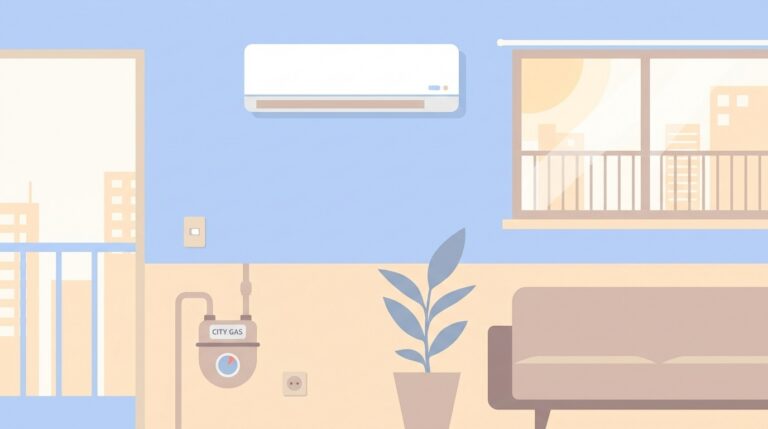
안녕하세요! 매일한글 에디터입니다. (Annyeonghaseyo! Maeil Hangeul editeo-imnida.) Picture this: it is a sweltering July afternoon in Seoul, and you just moved into a bright studio apartment—total K-Drama main character energy! You smoothly booked your city gas connection (도시가스 연결) and started transferring the electricity and water accounts (전기·수도 명의 변경). Feeling proud, you crank the AC down to 18°C all month. Then August hits, and your electricity bill looks like a luxury handbag price tag! Why? Because of Korea’s strict progressive tier system (누진세). Crafted from real feedback by Daily Hangul learners who learned this the hard way, today’s guide equips you with essential intermediate Korean to handle utility transfers and stay cool without breaking the bank.
Phase 2: Deep Dive into 3 Core Expressions
1. 명의 변경을 신청하다 (myeong-ui byeongyeong-eul sincheonghada)
- Pronunciation: myeong-ui byeongyeong-eul sincheonghada (Sounds like: “myung-ee byung-gyung-eul shin-chung-ha-da” — glide smoothly from “myung” to “ee,” almost like a quick “myuh-ngee.”)
- Meaning: Literal: To apply for a change of name. Real Nuance: Officially transferring utility accounts (electricity, water, gas) into your name when moving into or out of a home so you aren’t paying the previous tenant’s bills.
- K-Culture Moment: Think of those realistic moving-in scenes in slice-of-life K-Dramas like Because This Is My First Life, where the protagonist sits surrounded by cardboard boxes, phone pressed to her ear, ticking off a checklist of landlord and utility transfers.
- Editor’s Insight: While you could say 이름을 바꾸다 (ireum-eul bakkuda, change a name), that sounds like legally changing your personal name! For contracts, bank accounts, or utilities, 명의 (myeong-ui, registered name/title) is the magic adulting word that immediately makes you sound fluent at TOPIK Level 3.
- Situation Spectrum: Casual (🚫 Use 네 이름으로 바꾸다 with friends) / Semi-formal (✅ 명의 변경 신청하려고요) / Formal (✅ 명의 변경을 신청합니다)
- 🤔 Think About It: In your country, do tenants usually transfer utility accounts directly, or does the landlord handle everything? How does having a specific legal term like 명의 (myeong-ui) reflect Korea’s contract-conscious housing culture?
2. 누진세가 적용되다 (nujinse-ga jeokyongdoeda)
- Pronunciation: nujinse-ga jeokyongdoeda (Sounds like: “noo-jin-seh-ga juck-yong-dweh-da” — keep “noo-jin” crisp, and pronounce “dweh” like “dw” in “dwell” plus “eh.”)
- Meaning: Literal: Progressive tax is applied. Real Nuance: The dreaded tiered electricity pricing system in Korea where the unit price jumps dramatically once your monthly kilowatt usage crosses specific thresholds.
- K-Culture Moment: Every July, Korean news segments and variety shows like I Live Alone (나 혼자 산다) feature celebrities nervously checking their smart meters, warning each other that “누진세 (nujinse)” will wreck their wallets if they leave the AC running on turbo.
- Editor’s Insight: Technically, residential electricity uses a “누진제 (nujinje, progressive rate system),” not a tax (세). However, everyday Koreans overwhelmingly say 누진세 (nujinse) or 전기세 (jeongise) because high bills feel just like getting taxed! Knowing both lets you read official bills and chat like a local.
- Situation Spectrum: Casual (✅ 누진세 적용돼서 조심해야 돼) / Semi-formal (✅ 누진세가 적용되니까 아껴 써요) / Formal (✅ 전력 사용량에 따라 누진제가 적용됩니다)
- 🤔 Think About It: Many countries use flat utility rates or time-of-use rates rather than steep usage tiers. How might living under a progressive tier system change how people view energy consumption as a daily habit?
3. 적정 온도를 유지하다 (jeokjeong ondo-reul yujihada)
- Pronunciation: jeokjeong ondo-reul yujihada (Sounds like: “juck-jung on-doh-reul yoo-jee-ha-da” — notice the double “juck-jung” beat, like tapping a drum twice.)
- Meaning: Literal: To maintain an appropriate temperature. Real Nuance: Keeping your summer AC around the government-recommended sweet spot of 26°C (78.8°F) to balance comfort and prevent a progressive-tier bill explosion.
- K-Culture Moment: In Korean office dramas or workplace vlogs, you’ll often see managers tapping the wall thermostat or posting sticky notes reminding staff to keep the indoor climate at 26°C so everyone stays comfortable without freezing or wasting power.
- Editor’s Insight: 적정 (jeokjeong) means “optimal/moderate” (not too much, not too little), whereas 보통 (botong) just means “average.” Pairing it with 유지하다 (yujihada, to maintain) sounds polished, thoughtful, and responsible—perfect for talking to landlords, roommates, or coworkers.
- Situation Spectrum: Casual (⚠️ Just say 온도 맞추다 with close friends, though 적정 온도 works too!) / Semi-formal (✅ 적정 온도를 유지해요) / Formal (✅ 실내 적정 온도를 유지해 주시기 바랍니다)
- 🤔 Think About It: In North America, 20–22°C is common indoors, while Korea champions 26°C as the golden standard. What temperature feels “moderate” to you, and why do cultural comfort zones differ so much?
Phase 3: Textbook Korean vs. Real Korean
Situation 1: Reacting to a Huge Summer Electricity Bill
- 📖 Textbook Korean: 여름철 전기요금이 너무 많이 나왔습니다. (Yeoreumcheol jeongiyogeum-i neomu mani nawassseumnida. — The summer electricity fee came out very high.)
- 🗣️ Real Korean: 여름에 에어컨 틀다가 전기세 폭탄 맞았어! (Yeoreum-e e-eokeon teuldaga jeongise poktan majasseo! — I got hit by an electricity bill bomb from running the AC in summer!)
- 💡 Why the difference? Textbooks stick to the polite noun 요금 (yogeum, fee), but in real life, Koreans use the dramatic slang 폭탄 맞다 (poktan matda, to get hit by a bomb) whenever a utility, phone, or credit card bill catches them off guard!
Situation 2: Calling to Connect Gas & Transfer Utilities on Moving Day
- 📖 Textbook Korean: 오늘 이사를 해서 도시가스 연결과 전기 명의 변경을 요청합니다. (Oneul isa-reul haeseo dosigaseu yeongyeolgwa jeongi myeong-ui byeongyeong-eul yocheonghamnida. — Because I moved today, I request a city gas connection and electricity account transfer.)
- 🗣️ Real Korean: 저 오늘 전입하는데, 가스 연결이랑 명의 변경 좀 하려고요. (Jeo oneul jeonip-haneunde, gaseu yeongyeorirang myeong-ui byeongyeong jom haryeogoyo. — I’m moving in today, so I’m looking to get the gas connected and transfer the account name.)
- 💡 Why the difference? Direct words like 요청합니다 (I request) can sound stiff or demanding on the phone. Using -는데 (-neunde) to set context plus 좀 (jom, a little) and -려고요 (-ryeogoyo, I intend to) instantly softens your tone into friendly, natural Korean.
Phase 4: K-Culture Deep Dive & Non-verbal Manners
4-1. Nunchi (눈치) & Gestures
When the city gas technician (도시가스 기사님, dosigaseu gisanim) arrives for your move-in connection, or when you meet your landlord (집주인, jipjuin) to finalize electricity and water readings, nunchi (social awareness) goes a long way:
* Shoes off & warm hospitality: Greet them at the hyeongwan (entryway) with a slight 15-degree bow, and never step inside your own clean floor with shoes on. Offering a cold canned coffee or bottled water as they leave is a classic gesture of Korean jeong (정, warm affection).
* Gentle pointing: When showing the technician the gas valve or asking a roommate about the AC remote, point with an open palm rather than a single index finger—it reads as much more polite and respectful.
* Calm meter-checking: Always snap a clear photo of the gas, water, and electricity meters on move-in day (전입일, jeonibil) and move-out day (전출일, jeonchuril), and calmly show your phone screen with two hands if clarifying numbers with a landlord.
4-2. Cultural Code Analysis: Korea’s Smart Summer AC Hack
If you watch Korean home-life shows like I Live Alone or K-Dramas set in Seoul apartments, you might notice a quirky summer ritual: people turn on the AC at 18°C on Turbo for just 15 minutes, then immediately switch it to 26°C and point a standing fan (선풍기, seonpunggi) upward! Why? Because older and newer Korean inverter ACs use way less electricity when maintaining a steady 적정 온도 (moderate temperature) than when constantly cycling on and off. Combining that with blackout curtains and jeseup (제습, dehumidify) mode is practically a national survival art to stay below the dreaded 3rd tier of 누진세 (progressive rates)!
Phase 5: Real-Life Roleplay Scenario
- Setting: A humid July afternoon in a sunny Mapo-gu officetel. Moving boxes line the wall, the AC is humming, and iced Americanos sit on a folding table.
- Characters: You (New tenant settling in), Min-jun (민준 기사님) (Cheerful city gas technician wrapping up the valve check), and Ji-woo (지우) (Your thoughtful Korean neighbor/roommate dropping by to help).
- Min-jun: 도시가스 전입 연결이랑 안전 점검 다 끝났습니다. 이제 바로 쓰실 수 있어요. (Dosigaseu jeonip yeongyeorirang anjeon jeomgeom da kkeutnassseumnida. Ije baro sseushil su isseoyo. — Your city gas move-in connection and safety check are all done. You can use it right away.) 🎭 Wipes a drop of sweat and hands you the checklist tablet with both hands.
- You: 더운 날에 정말 감사합니다! 혹시 전기랑 수도 명의 변경도 따로 해야 하나요? (Deoun nar-e jeongmal gamsahamnida! Hoksi jeongirang sudo myeong-ui byeongyeongdo ttaro haeya hanayo? — Thank you so much on such a hot day! By chance, do I also need to do the electricity and water name transfers separately?) 🎭 Signs the tablet politely and offers him a cold bottle of barley tea.
- Min-jun: 네, 전기는 한전 고객센터에 전화하시면 되고, 수도는 보통 관리비에 포함되니까 관리실에 확인해 보세요! (Ne, jeongineun Hanjeon gogaeksenteo-e jeonhwahashimyeon doego, sudoneun botong gwallibi-e pohamdoenikka gwallishir-e hwaginhae boseyo! — Yes, for electricity just call the KEPCO customer center, and water is usually included in the maintenance fee, so check with the building office!) 🎭 Takes the tea with a warm smile, bows slightly, and steps out the door.
- Ji-woo: 어, 가스 연결 끝났어? 나 땀 식히게 에어컨 18도로 쫙 틀어 놓을까? (Eo, gaseu yeongyeol kkeutnasseo? Na ttam sikhige e-eokeon 18do-ro jjwak teureo noheulkka? — Oh, is the gas connection done? Should I blast the AC at 18 degrees so I can cool down?) 🎭 Walks in holding two iced coffees and reaches straight for the AC remote.
- You: 잠깐만! 지금 18도로 계속 켜 두면 다음 달에 전기세 폭탄 맞을 수도 있어. (Jamkkanman! Jigeum 18do-ro gyesok kyeo dumyeon daeum dar-e jeongise poktan majeul sudo isseo. — Wait a second! If we keep it on at 18 degrees right now, we might get hit with an electricity bill bomb next month.) 🎭 Gently waves both hands in a friendly stop motion while grinning.
- Ji-woo: 아, 맞다! 한국은 전기요금에 누진세가 적용되니까 여름철에 조심해야지. (A, matda! Hangugeun jeongiyogeum-e nujinse-ga jeokyongdoenikka yeoreumcheor-e josimhaeyaji. — Ah, right! Progressive tiers apply to Korean electricity bills, so we need to be careful in summer.) 🎭 Puts the remote down and nods knowingly.
- You: 응, 처음에만 잠깐 시원하게 하고 26도로 적정 온도를 유지하자. 선풍기도 같이 틀면 금방 시원해져! (Eung, cheoeum-eman jamkkan siwonhage hago 26do-ro jeokjeong ondo-reul yujihaja. Seonpunggi-do gachi teulmyeon geumbang siwonhaejyeo! — Yeah, let’s cool it briefly at first and then keep a moderate temperature at 26 degrees. If we turn on the fan too, it’ll cool down fast!) 🎭 Clicks the oscillating fan on and hands Ji-woo an iced Americano.
- Ji-woo: 역시 한국 생활 프로네! 그럼 우리 먼저 한전에 전화해서 명의 변경부터 신청하자. (Yeoksi Hanguk saenghwal peuro-ne! Geureom uri meonjeo Hanjeon-e jeonhwahaeseo myeong-ui byeongyeong-buteo sincheonghaja. — You’re a total pro at living in Korea! Then let’s call KEPCO first and apply for the name transfer.) 🎭 Clinks iced coffee cups with you like a celebratory toast.
🔀 Interactive Branching Point: What Would You Say?
Imagine Ji-woo insists: *
🎬 Watch Our Daily Videos! (Daily Hangul Official Instagram)
Review the expressions you learned in this article with our fun daily short videos! Check out native pronunciation and real-life nuances in action.
- Instagram @dailyhangul_en
Frequently Asked Questions (FAQ)
Q: What does "명의 변경을 신청하다 (myeong-ui byeongyeong-eul sincheonghada)" mean in Korean and how do you pronounce it?
A: In Korean, "명의 변경을 신청하다 (myeong-ui byeongyeong-eul sincheonghada)" is pronounced [myeong-ui byeongyeong-eul sincheonghada (Sounds like: "myung-ee byung-gyung-eul shin-chung-ha-da" — glide smoothly from "myung" to "ee," almost like a quick "myuh-ngee."] and means: Literal: To apply for a change of name. Real Nuance: Officially transferring utility accounts (electricity, water, gas) into your name when moving into or out of a home so you aren't paying the previous tenant's bills.
Q: What does "누진세가 적용되다 (nujinse-ga jeokyongdoeda)" mean in Korean and how do you pronounce it?
A: In Korean, "누진세가 적용되다 (nujinse-ga jeokyongdoeda)" is pronounced [nujinse-ga jeokyongdoeda (Sounds like: "noo-jin-seh-ga juck-yong-dweh-da" — keep "noo-jin" crisp, and pronounce "dweh" like "dw" in "dwell" plus "eh."] and means: Literal: Progressive tax is applied. Real Nuance: The dreaded tiered electricity pricing system in Korea where the unit price jumps dramatically once your monthly kilowatt usage crosses specific thresholds.
Q: What does "적정 온도를 유지하다 (jeokjeong ondo-reul yujihada)" mean in Korean and how do you pronounce it?
A: In Korean, "적정 온도를 유지하다 (jeokjeong ondo-reul yujihada)" is pronounced [jeokjeong ondo-reul yujihada (Sounds like: "juck-jung on-doh-reul yoo-jee-ha-da" — notice the double "juck-jung" beat, like tapping a drum twice.] and means: Literal: To maintain an appropriate temperature. Real Nuance: Keeping your summer AC around the government-recommended sweet spot of 26°C (78.8°F) to balance comfort and prevent a progressive-tier bill explosion.







