

Mastering Korean Crisis Idioms: Why Ignoring Small Problems Will Cost You Big Time
Phase 1: Empathy & Storytelling Opening
안녕하세요! 매일한글 에디터입니다. (Hello! It is your Daily Hangul editor.)
Have you ever spotted a tiny typo on a presentation slide or felt a slight misunderstanding brew with a colleague, only to shrug and think, “Ah, it is fine, I will deal with it tomorrow”? If you have watched office K-dramas like Misaeng or Agency, you already know what happens next: that tiny oversight mushrooms into an all-nighter with five department heads glaring across a boardroom table! In Korea, we describe this painful realization with an ancient agrarian proverb: 호미로 막을 것을 가래로 막는다 (Homi-ro mageul geoseul garae-ro makneunda – “Stopping with a heavy plow what could have been stopped with a hand trowel”). Over a decade of coaching B2 learners, I have watched students freeze when high-stakes tension strikes in Korea. When you master idioms of crisis and consequence, you do not just speak Korean—you show that you understand the communal weight of responsibility and the art of timing.
Phase 2: Core Expressions Deep Dive
1. 호미로 막을 것을 가래로 막는다 (Homi-ro mageul geoseul garae-ro makneunda)
- Pronunciation: [Homi-ro ma-geul geo-seul ga-rae-ro mang-neun-da] (Think of ‘homi’ like home-y, and ‘garae’ like ga-reh)
- Meaning: Literal: “To block with a large shovel/plow what could have been blocked with a small gardening trowel.” Nuance: Neglecting a minor defect or conflict until it spirals into an unmanageable catastrophe.
- K-Culture Moment: In corporate and medical dramas, a supervisor utters this when an employee tries to conceal a minor discrepancy on an invoice, triggering a tax audit.
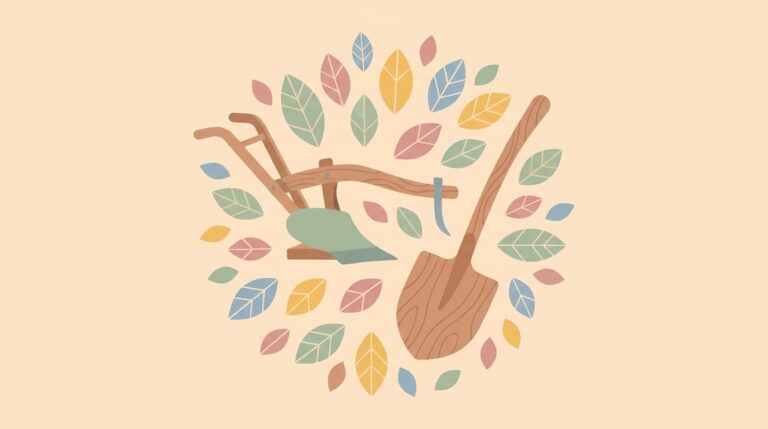
- Editor’s Insight: A homi (호미) is a palm-sized Korean hand plow, while a garae (가래) is an enormous two-person ditch-clearing shovel. The contrast emphasizes wasted energy and compounding regret.
- Situation Spectrum: Casual: ✅ | Semi-formal: ✅ | Formal: ✅
- 🤔 Think About It: Does your native culture compare problems to agricultural tools, or do you use medical or maritime metaphors (like “a stitch in time” or “plugging a leak”)?
2. 발등에 불이 떨어지다 (Baldeung-e buri tteoreojida)
- Pronunciation: [Bal-deung-e bu-ri tteo-reo-ji-da] (Pronounce ‘bal-deung’ like ball-deung)
- Meaning: Literal: “Fire has fallen on the top of one’s foot.” Nuance: Facing an urgent crisis or deadline that leaves no room for delay.
- K-Culture Moment: Variety shows use this caption in red block letters when celebrity cast members have 60 seconds left to finish a chaotic cooking mission.
- Editor’s Insight: You only use this when the pressure is actively burning right now. If a project is due in three weeks, this phrase does not apply.
- Situation Spectrum: Casual: ✅ | Semi-formal: ✅ | Formal: ⚠️ (Opt for ‘시급한 과제에 직면하다’ in written corporate board memos)
- 🤔 Think About It: Why does Korean focus on the “top of the foot” (발등) rather than the hands or head? It implies you must jump immediately to avoid burning yourself.
3. 도마 위에 오르다 (Doma wie oreuda)
- Pronunciation: [Do-ma wi-e o-reu-da] (Sounds like dough-mah wee-eh oh-reu-dah)
- Meaning: Literal: “To come up onto the cutting board.” Nuance: Becoming the center of intense public scrutiny, controversy, or organizational criticism.
- K-Culture Moment: K-Pop entertainment news portals often use this in headlines when a public figure’s past comments spark fierce debate online.
- Editor’s Insight: Being on the cutting board means you are under the knife—every move you make is dissected.
- Situation Spectrum: Casual: ⚠️ | Semi-formal: ✅ | Formal: ✅
- 🤔 Think About It: When an issue is placed on the doma, public opinion in Korea often expects quick accountability and sincere reflection (반성).
Phase 3: Textbook Korean vs. Real Korean
Situation A: Warning someone to fix an issue before it gets out of hand
- 📖 Textbook Korean: 작은 문제가 커지기 전에 빨리 해결하는 것이 좋습니다. (Jageun munjega keojigi jeone ppalli haegyeolhaneun geosi joseumnida.) – “It is advisable to resolve small problems promptly before they grow.”
- 🗣️ 진짜 한국어 (Real Korean): 이거 방치하면 호미로 막을 거 가래로 막게 돼요. 지금 바로 잡읍시다. (Igeo bangchihamyeon homiro mageul geo garaero makge dwaeyo. Jigeum baro jabeupsida.) – “If we leave this alone, we will be stopping with a plow what we could have stopped with a trowel. Let’s fix it right now.”
- 💡 Why the difference? B2 speakers sound significantly more natural when using metaphorical cautionary idioms rather than direct didactic commands.
Situation B: Describing sudden panic before a product rollout
- 📖 Textbook Korean: 마감 시간이 얼마 남지 않아서 매우 바쁩니다. (Magam sigani eolma namji anhaseo maeu bappeumnida.) – “Because there is not much deadline left, I am very busy.”
- 🗣️ 진짜 한국어 (Real Korean): 오픈 하루 전인데 서버 터져서 발등에 불 떨어졌어요! (Opeun haru jeoninde seobeo teojyeoseo baldeunge bul tteoreojyeosseoyo!) – “We launch tomorrow and the server crashed; there is literal fire on our feet!”
- 💡 Why the difference? Real conversational Korean pairs vivid body idioms with high-tempo emotional adjectives to convey true workplace adrenaline.
Phase 4: K-Culture Deep Dive & Non-Verbal Manners
4-1. 눈치 (Nunchi) & Somatic Gestures in Crisis
When discussing a mistake that has snowballed, Korean body language speaks volumes before words do. If you notice a minor error, do not point pointing fingers across a desk. Instead, lower your gaze slightly, tilt your head sideways at a 15-degree angle, and place one hand on the nape of your neck—a gesture known as 뒷목 잡기 (dwitmok japgi, holding the back of one’s neck). This physical cue signals that you share the stress of the team. When delivering bad news, soften your opening tone: drop your pitch and exhale quietly before speaking. Rushing in loudly without reading the room’s nunchi signals immaturity.
4-2. The Cultural Code: From Agrarian Community to “Ppalli-Ppalli”
Why agricultural tools like the homi? In traditional Korean farming villages (dure communities), irrigation trenches were communal. A small crack in a rice paddy embankment could be patted down in seconds with a small homi. But if a farmer procrastinated, water pressure collapsed the entire bank, requiring whole villages with giant wooden garae to rebuild it. Today, that ancient mindset survives inside Seoul’s high-tech startup culture. Koreans prize speed (빨리빨리), but they prize prevention (예방) even more. Allowing a known bug to blow up into a public issue on the doma is viewed as a failure of teamwork.
Phase 5: Real-Life Roleplay Scenario
Setting: Design studio office in Seongsu-dong, Seoul.
Characters:
* 팀장 수우 (Team Lead Sunwoo): Sharp, observant, but supportive senior producer.
* 디자이너 민우 (Designer Minwoo): Junior UI designer who spotted a broken checkout link right before marketing campaigns go live.
- 민우 (Minwoo): 🎭 (Approaching Sunwoo’s desk hesitantly with an iPad, bowing head slightly)
팀장님, 바쁘신 중에 죄송한데 잠깐 확인해 주실 수 있나요? (Timjangnim, bappeusin junge joesonghande jamkkan hwaginhae jusil su innayo?)
“Team Lead, sorry while you are busy, but could you check something for a quick second?” -
선우 (Sunwoo): 🎭 (Taking off reading glasses, glancing up)
응, 민우 씨. 무슨 일이에요? 표정이 심각하네. (Eung, Minwoo ssi. Museun irieyo? Pyojeongi simgakhane.)
“Yes, Minwoo. What is it? Your expression looks serious.” -
민우 (Minwoo): 🎭 (Pointing to analytics report, voice trembling slightly)
결제 페이지 오류 코드를 어제 발견했는데… 금방 해결될 줄 알고 공유를 늦췄습니다. (Gyeolje peiji oryu kodeureul eoje balgyeonhaenneunde… Geumbang haegyeoldoel jul algo gongyureul neutchwotseumnida.)
“I found an error code on the payment page yesterday… I thought it would be fixed quickly, so I delayed sharing it.” -
선우 (Sunwoo): 🎭 (Leaning forward, furrowing brow with a sharp gasp)
네? 오늘 프로모션 알림톡 발송 30분 전인데… 지금 결제가 안 된다고요? (Ne? Oneul peuromosyeon allimtok balsong samsipbun jeoninde… Jigeum gyeoljega an doendagoyo?)
“What? Our promotional push message sends in thirty minutes… and checkout is broken right now?” -
민우 (Minwoo): 🎭 (Lowering eyes contritely)
정말 죄송합니다. 호미로 막을 것을 가래로 막게 생겼습니다. (Jeongmal joesonghamnida. Homiro mageul geoseul garaero makge saenggyeotseumnida.)
“I am truly sorry. It looks like we will have to stop with a plow what could have been stopped with a trowel.” -
선우 (Sunwoo): 🎭 (Sighing deeply, tapping desk decisively)
자책은 나중에 해요. 지금 완전 발등에 불 떨어졌으니까 개발팀에 즉각 핫픽스 요청합시다. (Jachaegeun najunge haeyo. Jigeum wanjeon baldeunge bul tteoreojyeosseumnikka gaebaltimme jeukgak hatpikseu yocheonghapsida.)
“Blame yourself later. There is fire right on our feet now, so let’s request an immediate hotfix from the dev team.” -
민우 (Minwoo): 🎭 (Nodding firmly, opening Slack channel)
네, 즉시 채널 파서 보고 올리겠습니다! (Ne, jeuksi chaeneol paseo bogo olligesseumnida!)
“Yes, I will open a crisis channel and post the brief immediately!” -
선우 (Sunwoo): 🎭 (Standing up to alert executives)
빨리 움직여요. 이번 프로모션 도마 위에 오르기 전에 수습해야 합니다. (Ppalli umjigyeoyo. Ibeon peuromosyeon doma wie oreugi jeone suseubhaeya hamnida.)
“Move fast. We have to clean this up before this whole promotion gets put on the cutting board.”
🔀 Interactive Decision Point
How should Minwoo respond if the dev team lead asks why the report came in at the last minute?
* Option A: “디자인 검수가 늦어져서 어쩔 수 없었습니다.” (Dinjain geomssuga neujeojyeoseo eojjeol su eopseotseumnida. – “The design review was late so it could not be helped.”)
Feedback: ❌ Risk! Passing the blame onto another stage destroys workplace rapport and shows lack of accountability.
* Option B: “제가 초기 이슈 파악 후 즉시 보고하지 못한 불찰입니다. 복구에 필요한 데이터는 여기 정리해 두었습니다.” (Jega chogi isyu pa-ak hu jeuksi bogohaji mothan bulchal-imnida. Bokgue piryohan deiteoneun yeogi jeongnihae dueotseumnida. – “It was my oversight not reporting immediately after spotting the initial issue. I have organized all recovery data here.”)
Feedback: 🏆 Best! Acknowledges mistake professionally, provides an instant recovery plan, and demonstrates mature nunchi.
* Option C: “호미로 막으려 했는데 개발팀도 시스템 모니터링을 하셨어야죠.” (Homiro mageuryeo haenneunde gaebaltimdo siseutem moniteoring-eul hasyeosseoyajo. – “I tried to stop it with a trowel, but the dev team should have monitored the system too.”)
Feedback: 🚫 Bad! Misuses the idiom as an aggressive counter-accusation. Never weaponize proverbs during crisis escalation.
Phase 6: 10-Second Emotion Shadowing Drill
Read these aloud, pausing at the / marks to mirror native speech rhythm!
[😰 당황스럽고 식은땀을 흘리며 - Panicked & Breaking into a Cold Sweat]
“어쩌죠? / 호미로 막을 것을 / 가래로 막게 생겼어요!”
(Eojjeojyo? / Homiro mageul geoseul / garaero makge saenggyeosseoyo!)
“What do we do? We are going to have to stop with a plow what we could have stopped with a trowel!”-
[🔥 다급하고 결연하게 - Urgent & Resolute]
“지금 / 핑계 댈 시간 없어요! / 완전 발등에 불 떨어졌다고요!”
(Jigeum / pinggye dael sigan eopseoyo! / Wanjeon baldeunge bul tteoreojyeotdagoyo!)
“There is no time to make excuses right now! There is literally fire on our feet!” -
[🤫 엄중하고 조심스럽게 - Grave & Cautious]
“더 커지면 / 언론 도마 위에 오릅니다. / 오늘 안에 수습합시다.”
(Deo keojimyeon / eollon doma wie oreumnida. / Oneul ane suseubhapsida.)
“If it gets any bigger, it will end up on the media cutting board. Let us handle this today.”
Phase 7: K-Culture Mini Dictionary
- 호미 (Homi): A traditional Korean ergonomic curved hand-plow. Globally viral on foreign gardening websites for its unmatched weeding efficiency; in idioms, it symbolizes minimal effort needed for early prevention.
- 가래 (Garae): A massive historical spade operated by three people with ropes to move tons of earth; metaphorically represents astronomical cleanup costs when problems are ignored.
- 골든타임 (Goldeun Taim): Loanword from “Golden Time.” Widely used in Korean medical, business, and tech settings to signify the critical window during which an escalating crisis can still be reversed.
- 수습하다 (Suseubhada): A high-utility verb meaning “to clean up, salvage, or collect oneself after a disaster.” Essential for intermediate business Korean (e.g., 상황을 수습하다 – to salvage a situation).
Phase 8: Traveler’s Survival Kit
Even when traveling across Korea, neglecting small friction leads straight to “garae” territory! Here are top survival phrases:
- Phrase 1: 배터리가 3%밖에 안 남아서 발등에 불 떨어졌어요. (Baeteori-ga sampuro-bakke an namaseo baldeung-e bul tteoreojyeosseoyo.)
Pro Tip: Use this at convenience stores or cafes when you urgently need to rent an auxiliary battery charger (보조배터리 대여). - Phrase 2: 기차 출발 5분 전이라 발등에 불 떨어졌어요! 길 좀 비켜주세요! (Gicha chulbal obun jeonira baldeunge bul tteoreojyeosseoyo! Gil jom bikyeojuseyo!)
Pro Tip: Perfect when dashing through crowded Seoul Station or Dongdaegu Station. - Phrase 3: 사소한 오해였는데 일이 너무 커졌어요. (Sasohan ohaeyeonneunde iri neomu keojyeosseoyo.)
Pro Tip: Use this respectful phrase when clarifying a minor miscommunication at a hotel front desk or guesthouse. -
Editor’s Travel Note: Don’t get caught stranded! Download Naver Map for Seoul navigation before riding transit, as foreign GPS apps often fail to calculate real-time bus transfers and walking alleyways in historical districts.
Phase 9: 한 발 더 깊이 (One Step Deeper)
In Western individualist contexts, a mistake is often localized to the person who committed it: “You made the typo, you fix it.” In Korea’s relational fabric, however, an unaddressed crack quickly compromises the whole team’s harmony. This explains why Korean professionals value proactive disclosure over flawless perfection. When someone confesses, “호미로 막을 것을 가래로 막게 될까 봐 먼저 보고드립니다” (I am reporting early because I feared stopping with a plow what we could stop with a trowel), colleagues do not view it as weakness—they perceive it as exemplary organizational loyalty.
💬 Your Turn: Have you ever experienced a moment at work or school where procrastinating on an email created a massive headache later? Drop a comment below using our proverb of the day!
Phase 10: FAQ & Common Mistakes
Q: Can I use “호미로 막을 것을 가래로 막는다” to praise someone’s hard work?
A: No! It is strictly an expression of regret, caution, or mild rebuke regarding missed preventative action. Using it as a compliment sounds like you are accusing them of creating avoidable chaos.
Q: Is “발등에 불이 떨어지다” rude to say to my university professor or company director?
A: It is informal and descriptive. Avoid telling a senior executive, “팀장님 발등에 불 떨어졌네요” (Fire fell on your foot, boss). Instead, apply it to yourself or the collective team: “저희 팀 발등에 불이 떨어졌습니다” (Fire has fallen on our team’s feet).
Q: What is the difference between “도마 위에 오르다” and just being criticized (비판받다)?
A: “도마 위에 오르다” carries a strong nuance of being put on public display. It implies intense, multi-directional observation where the subject has little power to escape examination.
🚨 Common Mistakes Alert Board
- Literal Translation Trap: Confusing Homi with general shovels. Do not say “삽으로 막을 것” (stopping with an ordinary shovel); native speakers always preserve the ancient contrast between the homi (trowel) and garae (heavy plow).
- Tense Misalignment: Saying “가래로 막았다” (I blocked it with a plow) before the cleanup is finished. Use conditional endings like “~게 생겼다” (~ge saenggyeotda – “It seems bound to happen”) when warning about imminent danger.
- Overusing with Minor Inconveniences: Don’t say fire dropped on your feet just because a YouTube video won’t load! Reserve it for situations where time-sensitive consequences are genuinely pressing.
Phase 11: Action Missions
- 🥉 Bronze Mission (Solo Shadowing): Stand in front of your mirror and practice saying Phase 6’s first shadowing drill with an anxious expression three times without reading the romanization.
- 🥈 Silver Mission (Social Share): Share a short story on your Instagram story or language exchange app describing a time you procrastinated, captioning it: “완전 발등에 불 떨어졌어요! #매일한글”
- 🥇 Gold Mission (Live Action): During your next 1:1 conversation or tutoring session, casually weave in: “작은 문제일 때 해결해야지, 안 그러면 호미로 막을 걸 가래로 막게 되더라고요!”
- 🎮 K-Culture Mission: Watch one episode of a Korean office drama (such as Misaeng or Hospital Playlist) and listen for scenes where characters debate whether to report a tiny problem immediately.
Phase 12: Interactive Quiz Challenge
1. Situation Analysis:
Minseo noticed a strange clicking sound in her laptop fan three months ago but ignored it. Today, the motherboard melted, costing 600,000 KRW to replace. Which expression best captures her friend’s reaction?
(A) 도마 위에 올랐네!
(B) 빛을 드디어 봤구나!
(C) 호미로 막을 것을 가래로 막았네.
2. Fill in the Blank:
시험이 내일 아침인데 아직 한 페이지도 못 읽어서 완전 (_______)에 불이 떨어졌어!
(A) 손등 (Son-deung)
(B) 발등 (Bal-deung)
(C) 어깨 (Eokkae)
3. True or False:
True or False: “도마 위에 오르다” is commonly used when a product or celebrity receives exclusively universal, heartwarming praise without any debate.
👉 Click to view answers and explanations!
- Answer: (C) Minseo ignored an inexpensive repair (a homi task) and ended up paying for a catastrophic replacement (a garae task).
- Answer: (B) 발등 (Bal-deung). The standard idiom is always “발등에 불이 떨어지다” (fire falls on the top of the foot).
- Answer: False. Being placed on the cutting board (doma) carries a distinct nuance of scrutiny, investigation, and contentious debate, not pure praise!
🎬 Watch Our Daily Videos! (Daily Hangul Official Instagram)
Review the expressions you learned in this article with our fun daily short videos! Check out native pronunciation and real-life nuances in action.
- Instagram @dailyhangul_en







