

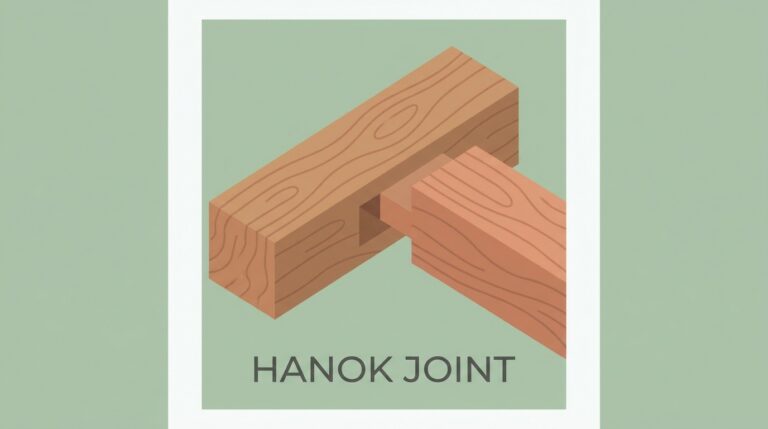
Built to Flex: The Secret of Nail-Free Hanok Architecture
Phase 1: 공감 (Story-Driven Opening)
안녕하세요! 매일한글 에디터입니다.
Have you ever stood in the quiet courtyard of a centuries-old Hanok in Bukchon, or looked up at the towering timber columns of Buseoksa Temple, and wondered: How on earth is this wooden building still standing? Korea has endured torrential monsoon seasons, freezing Siberian winters, and shaking seismic tremors for over a millennium. Yet, these ancient wooden halls have neither rotted away nor collapsed.
When foreign travelers visit historic sites in Gyeongju or Jeonju, their first instinct is often to look for iron bolts, brackets, or steel supports. But if you look closely at the eaves and pillars, there is not a single nail in sight. Instead, every beam, bracket, and pillar is fitted together like a massive, three-dimensional puzzle. This ingenious technique is called 짜맞춤 (jjamatchum)—traditional interlocking wood joinery. Instead of resisting movement with rigid metal, the wood slides, breathes, and flexes with the earth.
Mastering the Korean language at the B2 level means moving beyond casual small talk and grasping the conceptual metaphors embedded in Korean culture. When you learn how Koreans describe harmony, resilience, and patience through the lens of Hanok architecture, you unlock a much deeper tier of cultural fluency. In this guide, developed from real fieldwork and curated questions from our intermediate learners, you will discover the exact vocabulary and cultural nuances needed to talk about Hanok aesthetics like a true local.
Phase 2: 핵심 표현 3선 심층 분석 (Core Expressions Deep Dive)
1. 못 하나 없이 짜맞추다 (Mot hana eopsi jjamatchuda)
- Pronunciation: [Mot hana eop-si jja-mat-chu-da] (Sounds like “Mote ha-na eop-shee jjah-maht-choo-dah”)
- Meaning: Literally “to fit pieces together without a single nail”; figuratively used to describe something designed with flawless precision, synergy, and natural harmony.
- K-Culture Moment: In historical and architectural documentaries on EBS or Netflix’s Korean Architecture, Master Daemokjang carpenters use this phrase to highlight the superior endurance of wooden buildings over modern concrete structures that crack under strain.
- Editor’s Insight: Notice the verb 짜맞추다 (jjamatchuda). It implies deliberate, calculated dovetailing where two separate entities become one structural body. In daily Korean conversation, native speakers also use it playfully or critically to describe a watertight plan or a plot that pieces together perfectly (e.g., “이야기가 딱 짜맞춘 것처럼 맞아떨어지네”).
- Situation Spectrum:
- Casual: ✅ (“못 하나 안 쓰고 이렇게 만들었대, 대박이지?”)
- Semi-formal: ✅ (“못 하나 없이 짜맞춘 전통 방식입니다.”)
- Formal: ✅ (“못을 전혀 사용하지 않고 전통 결구 방식으로 축조되었습니다.”)
- 🤔 Think About It: Western architecture has historically relied on stone blocks and metal fasteners to force permanence through rigidity. Korean architecture seeks permanence through structural flexibility and organic interlocking. How does your native language reflect resilience—is it about being unbreakable like steel, or flexible like interlocking wood?
2. 자연을 거스르지 않다 (Jayeoneul geoseureuji anta)
- Pronunciation: [Ja-yeon-eul geo-seu-reu-ji an-ta] (Sounds like “Jah-yeo-neul guh-seu-reul-jee ahn-tah”)
- Meaning: “Not to go against nature”; to yield naturally to natural laws and terrain.
- K-Culture Moment: Often heard in healing variety shows like Three Meals a Day or cultural programs when discussing why Hanok foundation stones (덤벙주초, deombongjucho) are left uncarved, allowing the tree trunk pillar to be chiseled exactly to the irregular contour of the raw rock.
- Editor’s Insight: The verb 거스르다 (geoseureuda) means to resist, defy, or go against the grain (like swimming against the current). Saying something does not go against nature is the ultimate compliment in traditional Korean design philosophy.
- Situation Spectrum:
- Casual: ⚠️ (Slightly poetic for routine banter)
- Semi-formal: ✅ (“자연을 거스르지 않는 디자인이라 편안해요.”)
- Formal: ✅ (“자연을 거스르지 않고 지형에 맞추어 시공했습니다.”)
- 🤔 Think About It: Why does Korean aesthetics prize fitting a pillar to an unshaped rock rather than flattening the rock to fit a standard column?
3. 세월의 뒤틀림을 견디다 (Sewol-ui dwiteullimeul gyeondida)
- Pronunciation: [Se-wol-ui dwi-teul-li-meul gyeon-di-da] (Sounds like “Say-wol-ee dwee-teul-lee-meul gyun-dee-dah”)
- Meaning: “To withstand the warping of time”; enduring decades of shifting humidity, temperature, and seasonal movement.
- K-Culture Moment: Used in period dramas (사극) and literature when discussing how heirloom houses or long-term relationships survive turbulent eras.
- Editor’s Insight: Timber shrinks in winter and expands in the humid summer. Rather than breaking, joinery joints adjust and tighten. You can use this expression metaphorically to praise lifelong bonds, classic crafts, or vintage instruments.
- Situation Spectrum:
- Casual: ⚠️ (Sounds quite poetic or dramatic)
- Semi-formal: ✅ (“세월의 뒤틀림을 견뎌 낸 고택만의 매력이 있어요.”)
- Formal: ✅ (“수백 년간 세월의 뒤틀림을 견딘 목조 건축물입니다.”)
- 🤔 Think About It: In English, we often say “stand the test of time.” How does Korean adding the physical concept of warping (뒤틀림) change how you visualize aging?
Phase 3: 교과서 한국어 vs 진짜 한국어 (Textbook vs. Real Korean)
Situation A: Explaining how a building is constructed
- 📖 교과서 한국어:
“이 건물은 못을 사용하지 않고 조립되었습니다.”
(I geonmureun moseul sayonghaji ankko joripdoe-eotsseumnida.)
“This building was assembled without using nails.” - 🗣️ 진짜 한국어:
“이 집은 쇠못 하나 안 박고 순수하게 짜맞춤으로만 올린 거래요.”
(I jibeun soemot hana an bakko sunsuhage jjamatchumeuroman ollin georaeyo.)
“They say this whole house was raised purely with interlocking wood joints without driving in a single iron nail.” - 💡 왜 다를까?
Textbooks love passive, sterile verbs like 조립되다 (to be assembled). Native speakers prefer vivid action verbs like 집을 올리다 (to raise a house) and specify 쇠못 하나 안 박다 (not driving in a single iron nail) to evoke the tactile craftsmanship.
Situation B: Complaining that someone is forcing pieces together artificially
- 📖 교과서 한국어:
“그 주장은 논리적으로 맞지 않습니다.”
(Geu jujangeun nollijeogeuro matji anseumnida.)
“That claim is not logically correct.” - 🗣️ 진짜 한국어:
“그건 너무 억지로 말을 꿰맞춘 느낌이지 않아?”
(Geugeon neomu eokjiro mareul kkwematchun neukkim-iji ana?)
“Doesn’t that feel like they’re just arbitrarily piecing words together?” - 💡 왜 다를까?
Carpentry terms frequently become colloquial idioms. While 짜맞추다 implies a masterwork fit, 꿰맞추다 or 억지로 짜맞추다 means forcing ill-fitting pieces together to construct a false excuse.
Phase 4: K-Culture 딥다이브 & 비언어적 매너 (Cultural Deep Dive & Etiquette)
4-1. 눈치 (Nunchi) & Architectural Etiquette
When entering a traditional Hanok residence or Buddhist hall (대웅전), pay attention to your body language:
* Never step on the threshold (문턱을 밟지 마세요): The wooden threshold (munteok) holds the structural base of the sliding screen door frame. Stepping on it can warp the wood and derail sliding doors. In folklore, the threshold is also the boundary between external spirits and domestic peace.
* Touch pillars with open palms, not fingernails: When marveling at the circular baehullim (배흘림) entasis columns, locals touch the wood gently with an open palm. Never scratch or lean heavily against ancient untreated timber.
* Bow your head slightly when entering rooms: Hanok doors are intentionally built lower than human height. This is not poor design; it physically prompts the visitor to humble themselves and duck slightly, embodying modesty before entering a space.
4-2. Cultural Code Analysis: The Philosophy of Flexible Resilience
In modern K-Dramas like Mr. Sunshine or historical films, you will notice that even when walls collapse from artillery, the main wooden frame (기둥과 보, pillar and crossbeam) remains upright. This resilience comes from 결구 (Gyeolgu).
Unlike Western structures bolted tightly to rigid foundations, a Hanok sits under its own heavy tiled roof (giwa). The weight of the clay tiles pushes downward on the interlocking wooden joints, locking them firmly in place. During an earthquake, the joints move slightly inside their mortise-and-tenon sockets, absorbing seismic energy like a shock absorber. This architectural philosophy reflects an enduring Korean worldview: do not break yourself fighting the shock; disperse the force by yielding slightly, then return to center.
Phase 5: 실전 롤플레이 시나리오 (Interactive Roleplay Scenario)
Setting: You are visiting the ancient Buseoksa Temple in Yeongju with Master Carpenter Park (박 대목장), a seasoned artisan with 40 years of restorative joinery experience.
- Turn 1 (Master Park):
“여기 기둥 아래를 한번 자세히 만져보세요. 돌 표면이 울퉁불퉁한데 나무가 빈틈없이 맞물려 있죠?”
(Yeogi gidung araereul hanbeon jasehi manjeoboseyo. Dol pyomyeoni ultungbultunghande namuga bintumeopsi manmullyeo itjyo?)
“Try touching right under this pillar closely. The stone surface is uneven, yet the wood interlocks without any gap, right?”
🎭 Gently patting the natural stone base of the pillar with a warm smile. -
Turn 2 (You):
“정말이네요! 깎아낸 돌이 아닌데 어떻게 이렇게 틈 하나 없이 딱 들어맞죠?”
(Jeongmarineyo! Kkakkanaen dori aninde eotteoke ireoke teum hana eopsi ttak deureomatjyo?)
“Indeed! It’s not a carved, flat stone, so how does it fit so snugly without any gap?”
🎭 Leaning down with widened eyes to inspect the contact point. -
Turn 3 (Master Park):
“그게 바로 ‘그렝이질’이라는 전통 기법입니다. 자연석의 굴곡을 나무 밑동에 그대로 베껴서 파낸 거지요.”
(Geuge baro ‘geureng-ijil’iraneun jeontong gipeobimnida. Jayeonseogui gulgogeul namu mitdonge geudaero bekkyeoseo panaen geojiyo.)
“That is the traditional technique called greung-ijil. We trace the natural curvature of the boulder onto the tree base and chisel it out identically.”
🎭 Tracing a curved line in the air with his thumb and index finger. -
Turn 4 (You):
“돌을 깎아 평평하게 만드는 대신, 나무를 돌에 맞춘 거군요. 쇠못도 전혀 안 쓰신 거죠?”
(Doreul kkakka pyeongpyeonghage mandeuneun daesin, namureul dore matchun geogunyo. Soemotto jeonhyeo an sseusin geojyo?)
“So instead of cutting the stone flat, you shaped the wood to the stone! And no iron nails are used at all, right?”
🎭 Nodding with admiration, marveling at the woodwork. -
Turn 5 (Master Park):
“그렇지요. 쇠못을 쓰면 쇠가 녹슬면서 나무까지 썩게 만듭니다. 우리는 홈을 파서 서로를 물어주는 ‘짜맞춤’으로 세웁니다.”
(Geureochiyo. Soemoteul sseumyeon soega nokseulmyeonseo namukkaji sseokge mandeumnida. Urineun homeul paseo seororeul mureojuneun ‘jjamatchum’euro seeumnida.)
“Exactly. If you use iron nails, the iron rusts and rots the wood from the inside. We build by chiseling grooves so the timbers bite into one another.”
🎭 Interlocking his own fingers together tightly to illustrate the joint. -
Turn 6 (You):
“지진이 나도 못질을 한 건물보다 이 짜맞춤 건물이 덜 무너진다는 게 사실인가요?”
(Jijini nado motjireul han geonmulboda i jjamatchum geonmuri deol muneojindaneun ge sasiringayo?)
“Is it true that an interlocking structure collapses less during earthquakes than a nailed building?”
🎭 Asking with genuine intermediate-level curiosity. -
Turn 7 (Master Park):
“맞습니다. 흔들릴 때 부재들이 유연하게 삐걱거리며 충격을 흘려보내니까요. 억지로 버티는 게 아니라 같이 춤을 추는 셈이죠.”
(Masseumnida. Heundeullil ttae bujaedeori yuyeonhage ppigeokgeorimyeo chunggyeogeul heullyeobonaenikkayo. Eokjiro beotineun ge anira gachi chumeul chuneun semijyo.)
“That is correct. When shaking occurs, the components creak flexibly and disperse the shock. Instead of resisting forcefully, they dance along with it.”
🎭 Chuckling softly while looking up toward the heavy curved roof rafters. -
Turn 8 (You):
“자연에 맞서지 않고 순응하면서 수백 년을 견딘다는 점이 정말 감동적이에요.”
(Jayeone matseoji ankko suneunghamyeonseo subaek nyeoneul gyeondindaneun jeomi jeongmal gamdongjeogieyo.)
“It is genuinely moving how it endures for centuries by adapting to nature rather than confronting it.”
🎭 Placing both hands together respectfully and taking in the panoramic view.
🔀 인터랙티브 분기점 (Interactive Branching Choice)
At this point, Master Park invites you to observe the entasis pillar (배흘림기둥) of Muryangsujeon Hall. What will you say next?
- Choice A (Best): “기둥 가운데가 왜 불룩한지 늘 궁금했는데, 눈의 착시까지 계산해서 깎아낸 배흘림기둥의 지혜를 직접 보니 신기해요!”
- Feedback: Perfect! Demonstrates keen cultural knowledge of entasis optical correction (chak-si 착시) and will earn huge praise from the master.
- Choice B (Risk): “선생님, 그런데 요즘에는 못을 쓰면 공사비도 훨씬 싸고 빠른데 굳이 왜 이렇게 만드나요?”
- Feedback: While financially pragmatic, asking this bluntly without acknowledging historical craft comes off as slightly dismissive of sacred artisanal tradition.
- Choice C (Bad): “그냥 나무 대충 깎아서 끼운 건데 지진에 버틴다니 믿기지 않네요.”
- Feedback: Calling traditional precision woodwork “대충 깎은 것” (roughly shaved) is a major faux pas. You might end the tour right there!
Phase 6: 10초 감정 섀도잉 드릴 (10-Second Emotion Shadowing Drill)
Read these three sentences aloud using the slash marks / for breath pauses and embodying the emotion tag.
- [😮 감탄과 경이로움을 담아 / With sheer awe and wonder]
“못 하나 쓰지 않고도 / 수백 년을 버틴다니 / 선조들의 지혜가 / 정말 대단해요.”
(Mot hana sseuji ankodo / subaek nyeoneul beotindani / seonjodeurui jihyega / jeongmal daedanhaeyo.) -
[🤔 깊이 감동하며 깨달은 어조로 / With reflective, deep insight]
“단단하게 맞서는 게 아니라 / 유연하게 흔들리면서 충격을 흘려보내는 거군요.”
(Dandanhage matseoneun ge anira / yuyeonhage heundeullimyeonseo chunggyeogeul heullyeobonaeneun geogunyo.) -
[😊 편안하고 포근한 미소로 / With a warm, serene smile]
“방 안 창문으로 / 바깥 풍경을 바라보니까 / 한 폭의 그림을 빌려온 것 같아요.”
(Bang an changmuneuro / bakkat punggyeongeul barabonikka / han pogui geurimeul billyeoon geot gatayo.)
Phase 7: K-Culture 미니 사전 (Mini Dictionary)
-
짜맞춤 (Jjamatchum)
Translation: Interlocking timber joinery.
Usage: Refers to making mortise-and-tenon grooves in timber so wood pieces lock tightly without fasteners. Used in conversation to praise seamless design or synchronized teamwork. -
결구 (Gyeolgu)
Translation: Structural framing / structural joinery system.
Usage: A more formal, technical architectural term than jjamatchum. Frequently found in museum placards and restoration reports (e.g., “전통 목조 결구 방식”). -
대목장 (Daemokjang)
Translation: Master carpenter of traditional wooden architecture.
Usage: Recognized as National Intangible Cultural Heritage. Differentiated from somokjang (소목장), who makes smaller wooden furniture. -
차경 (Chagyeong)
Translation: “Borrowed scenery” (borrowing nature).
Usage: The aesthetic design principle where windows and open doors act as picture frames showcasing surrounding mountains, trees, and gardens rather than building enclosed artificial landscapes.
Phase 8: 여행자를 위한 생존 키트 (Traveler’s Survival Kit)
TOP 3 Survival Expressions
-
“한옥 내부를 둘러볼 때 신발을 벗어야 하나요?”
(Hanok naebureul dulleobol ttae sinbareul beoseoya hanayo?)
“Do I need to take off my shoes when looking around inside the Hanok?”
Pro Tip: Wooden platforms (마루, maru) almost always require shoes off; stone courtyards (madang) do not. -
“이 기둥이 배흘림 양식으로 지어진 건가요?”
(I gidungi baehullim yangsigeuro jieojin geongayo?)
“Was this pillar built in the entasis (baehullim) style?”
Pro Tip: Use this at historic temples like Buseoksa or Sudeoksa to impress docents. -
“대청마루에서 잠시 쉬어가도 괜찮을까요?”
(Daecheongmarueseo jamsi swieogado gwaenchaneulkkayo?)
“May I rest on the open wooden hall for a moment?”
Pro Tip: A polite way to ask Hanok stay hosts before sitting on pristine polished floorboards.
Editor’s Travel Note
- Essential Navigation: When searching for historic Hanok villages beyond tourist-heavy Bukchon, search for “Jeonju Hanok Village” or “Andong Hahoe Folk Village” on the 네이버 지도 앱 다운로드. Naver Map provides real-time public bus arrivals directly to village gates.
- Cultural Heritage Audio Tours: Download the “나만의 문화유산 해설사 (My Cultural Heritage Guide)” app administered by the Korea Heritage Service for free, professional English audio commentary on temple joinery and entasis pillars across Korea.
Phase 9: “한 발 더 깊이” (Food for Thought)
Traditional Hanok joinery reveals how ancient Korean society viewed human relationships. Just as wooden pieces are notched and grooved to hold one another up without intrusive steel nails, a community endures through unspoken mutual accommodation and flexibility (눈치 and 정). In a culture that values yielding rather than sharp friction, strength is defined not by how hard you strike back, but by how skillfully you absorb tension.
💬 Your Turn: In what areas of your own life or culture do you find strength through flexibility rather than rigidity? Share your perspective in the comments below!
Phase 10: FAQ & 흔한 실수 (FAQ Schema & Mistake Prevention)
Q: Why didn’t traditional Korean builders use iron nails in Hanok?
A: Iron rusts in Korea’s distinct humid monsoon summers, which expands the nail and splits timber from within. Furthermore, iron nails make a structure rigid, causing it to snap during minor ground shifts, whereas wood joinery naturally flexes and tightens under the roof’s weight.
Q: What is the visual difference between 배흘림 (entasis) and regular pillars?
A: Regular pillars have straight cylindrical or square shafts. A baehullim pillar swells gently in the lower third of its height. From afar, straight tall columns can look concaved or top-heavy to the human eye; the subtle bulging corrects this optical illusion, giving the building stability and grace.
Q: Can a Hanok really be disassembled and moved to another location?
A: Yes! Because Hanok structures are assembled using jjamatchum joinery without glue or nails, master carpenters can carefully dismantle the roof tiles, unhook the rafters and crossbeams, transport the timber pieces, and reassemble the entire building in a new location without destroying the wood.
🚨 Common Mistakes Alert
- Mistake: Stepping firmly on the wooden threshold (문턱) when entering rooms.
Correct Action: Always step over the threshold onto the interior floor. - Mistake: Confusing 짜맞춤 (jjamatchum) with 조립식 (joripsik).
Correct Action: Joripsik usually refers to modern prefabricated cheap steel or plastic kits. Use 짜맞춤 or 전통 결구 to convey venerated timber joinery craft. - Mistake: Saying “나무를 박다” when referring to joinery.
Correct Action: You drive (박다) nails, but you fit and interlock (짜맞추다 or 결구하다) wooden joints.
Phase 11: 액션 미션 & 참여 유도 (Action Missions)
- 🥉 Bronze Mission (Solo Shadowing): Practice reciting: “못 하나 없이 나무를 짜맞추어 지은 집이라 지진에도 끄떡없어요” 3 times smoothly in under 10 seconds.
- 🥈 Silver Mission (Social Media Observation): On your next visit to a palace, temple, or Hanok cafe, snap a picture of an interlocking ceiling beam (서까래 and 도리) and post it with the caption: #짜맞춤 #한국전통건축 #DailyHangul.
- 🥇 Gold Mission (Real-life Practice): Ask a Hanok stay host or palace docent in Korean: “이 건물도 전통 짜맞춤 방식으로 지어진 건가요?” and listen carefully to their explanation.
🎮 K-Culture Mission: Watch the hit drama Mr. Sunshine or the travel show Korean Architecture History. Spot the wooden pillars of the traditional pavilion and listen for whether the characters mention 대목장 (Master Carpenter) or 차경 (borrowed scenery)!
Phase 12: 인터랙티브 퀴즈 챌린지 (Interactive Quiz Challenge)
Q1. Situational Judgment:
You want to compliment a newly restored pavilion in a respectful, sophisticated B2 way by noting its joinery. Which sentence is best?
* A) “못을 많이 박아서 튼튼해 보여요!”
* B) “전통 짜맞춤 기법으로 복원해서 그런지 세월의 멋과 견고함이 동시에 느껴지네요.”
* C) “조립식 플라스틱 건물처럼 딱딱 맞아떨어지네요.”
Q2. Fill in the Blank:
한옥은 기둥과 보를 홈을 파서 연결하는 전통 ( ) 방식으로 지어져, 못을 전혀 쓰지 않습니다.
(Hint: The word for interlocking timber joinery)
Q3. True or False:
True or False: Hanok windows are designed as ‘차경’ (borrowed scenery) to enclose and block out natural surroundings so you focus solely on indoor living.
👉 Click to view Answers & Explanations
- Q1 Answer: B (Option A falsely assumes nails make it better; Option C compares high craftsmanship to cheap prefab plastics! Option B gracefully highlights 짜맞춤, 세월의 멋, and 견고함).
- Q2 Answer: 짜맞춤 (or 결구)
- Q3 Answer: False (차경 means literally borrowing the scenery—windows act like frames inviting the natural landscape into the room, creating continuous harmony with nature).







