

Phase 1: Empathy (Relatable Story Opening)
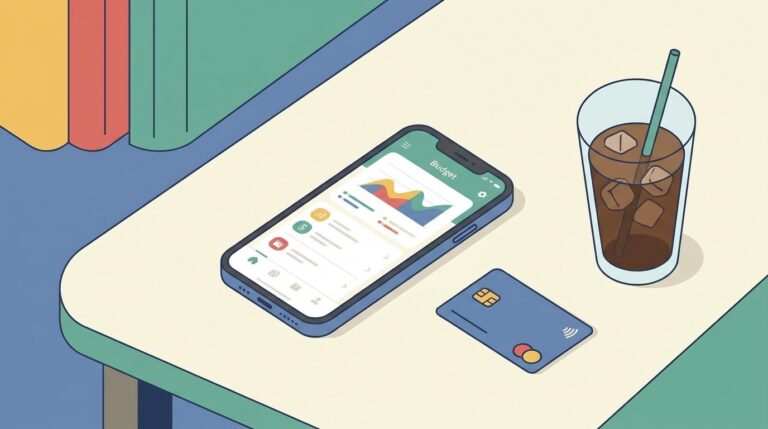
안녕하세요! (Annyeonghaseyo!) It’s your Daily Hangul editor and cultural companion here. Have you ever felt that sudden, icy chill down your spine around the 25th of the month? You unlock your phone, tap into your Korean banking app expecting a comfortable balance, and freeze. Staring back at you is an astonishing total: dozens of micro-transactions, mysteriously labeled billing agencies, and recurring subscription fees you don’t even remember authorizing. It feels like a classic scene straight out of a relatable slice-of-life K-drama, where the young professional collapses onto an officetel sofa, clutching an iced Americano, staring at their screen in utter disbelief. In South Korea’s frictionless digital payment landscape, where one-click payments and instant deliveries reign supreme, tiny expenses sneak past unnoticed like water slipping through open fingers. Learning how to navigate your card statement (카드 명세서) and actively tackle ‘leaking money’ (새는 돈) is not just a budget saver—it is your ultimate passport to living independently and confidently in Korea. Based on real questions from our international learners living in Seoul, this guide will give you the exact words you need to take full command of your monthly expenses.
Phase 2: Core 3 Expressions In-Depth
1. 새는 돈을 막아야겠어요 (Saeneun doneul magayagesseoyo)
- Pronunciation: [Sae-neun do-neul ma-ga-ya-get-seo-yo] (Sounds like seh-noon + doh-nool + mah-gah-yah-get-soh-yo; think of plugging a leaking container of don / dough!)
- Meaning: Literal: “I must block the leaking money” vs. Real Nuance: “I need to plug the leaks in my budget / stop wasteful recurring spending.”
- K-Culture Moment: Frequently uttered by frugal YouTube creators in Korea filming their monthly ‘가계부’ (household budget) reviews or participating in trendy savings challenges.
- Editor’s Insight: The verb ‘새다’ means to leak or drip. Koreans conceptualize personal finances as water in a reservoir. If you don’t seal small cracks, your reservoir drains dry before payday.
- Situation Spectrum: Casual ✅ | Semi-formal ✅ | Formal ⚠️
- 🤔 Think About It: In English, people talk about “bleeding money” or “tightening the belt.” Why do you think Korean portrays wasted wealth specifically as water quietly leaking away?
2. 정기 결제 해지해 주세요 (Jeonggi gyeolje haejihae juseyo)
- Pronunciation: [Jeong-gi gyeol-je hae-ji-hae ju-se-yo] (Sounds like jung-gee + gyeol-jeh + hae-jee-hae joo-seh-yo; stress the crisp hae-ji sound)
- Meaning: Literal: “Please terminate the recurring payment” vs. Real Nuance: “Please cancel my auto-renewing subscription.”
- K-Culture Moment: Heard in customer service phone calls when someone realizes an entertainment platform or fitness pass auto-renewed after a one-month free trial period ended.
- Editor’s Insight: While beginners often use ‘취소’ (chwiso – cancel), ‘해지’ (haeji) is the precise legal and administrative term for terminating continuous contracts and recurring subscription billing.
- Situation Spectrum: Casual ⚠️ | Semi-formal ✅ | Formal ✅
- 🤔 Think About It: In Korean, canceling a single order is ‘취소’, but ending an ongoing business relationship is ‘해지’. Notice how Korean grammar and vocabulary draw sharp boundaries between one-time actions and ongoing commitments.
3. 명세서에 모르는 내역이 있어요 (Myeongseseoe moreuneun naeyeogi isseoyo)
- Pronunciation: [Myeong-se-seo-e mo-reu-neun nae-yeo-gi it-seo-yo] (Sounds like myung-seh-soh-eh + moh-roo-noon + neh-yuh-gee eet-soh-yo)
- Meaning: Literal: “There is an unknown breakdown/entry on the statement” vs. Real Nuance: “There is an unrecognized charge on my card statement.”
- K-Culture Moment: The tense moment when an expat or young worker visits a local branch of Shinhan or Woori Card with their paper invoice, asking a teller to clarify mysterious vendor names.
- Editor’s Insight: Card billing entries in Korea often display umbrella payment gateways (PGs) like KCP or KG Inicis rather than the boutique cafe name, making this phrase essential when seeking clarification.
- Situation Spectrum: Casual ⚠️ | Semi-formal ✅ | Formal ✅
- 🤔 Think About It: The phrasing focuses on “there is an unfamiliar entry” rather than accusing the card company (“you billed me by mistake”). How does this passive politeness help maintain social harmony during customer service inquiries?
Phase 3: Textbook Korean vs. Real Korean
Situation 1: Talking about clearing out unused monthly subscriptions
- 📖 교과서 한국어: 불필요한 자동 납부 내역을 확인하고 정리해야 합니다. (Bulpiryohan jadong napbu naeyeogeul hwaginhago jeongnihaeya hamnida.) – “One must verify and organize unnecessary automatic payment records.”
- 🗣️ 진짜 한국어: 카드 명세서 보면서 새는 돈 좀 싹 정리해야겠어요. (Kadeu myeongseseo bomyeonseo saeneun don jom ssak jeongnihaeyagesseoyo.) – “Looking over my card statement, I really need to sweep away all that leaking money.”
- 💡 왜 다를까?: Everyday native Korean relies heavily on sensory adverbs like ‘싹’ (completely/cleanly) and colorful idiomatic nouns like ‘새는 돈’ rather than dry administrative jargon like ‘자동 납부’.
Situation 2: Dropping paid apps or streaming channels
- 📖 교과서 한국어: 해당 부가 서비스 이용 계약의 해지를 신청하겠습니다. (Haedang buga seobiseu iyong gyeyagui haejireul sincheonghagetseumnida.) – “I shall apply for the termination of the usage agreement for the relevant supplementary service.”
- 🗣️ 진짜 한국어: 안 쓰는 구독 서비스 이제 싹 끊으려고요. (An sseuneun gudok seobiseu ije ssak kkeuneuryeogoyo.) – “I’m planning to cut off all the subscription services I don’t use.”
- 💡 왜 다를까?: Conversational Korean adopts the punchy physical verb ‘끊다’ (literally ‘to sever or cut a cord’) to convey decisively ending an active app or service subscription.
Phase 4: K-Culture Deep Dive & Non-Verbal Manners
4-1. Nunchi & Physical Manners at the Counter
When inquiring about card fees, installment interest, or disputed charges in Korea, your posture speaks before your mouth opens. If you approach a bank teller or card representative aggressively, their instinctive nunchi (눈치) radar flags you as a difficult customer, triggering strictly automated, rigid procedural answers. Instead, employ the respectful “inquiry posture”: tilt your head slightly forward, preface questions with a gentle “아, 혹시…” (Ah, by any chance…), and display your smartphone screen using both hands (두 손). Framing an unfamiliar transaction as your own personal confusion rather than their administrative error produces instant warmth and helpful assistance.
4-2. The Rise of ‘Jjantech’ (짠테크) in a Cashless Society
South Korea operates almost entirely on cards, Samsung Pay, and Kakao Pay. While extraordinarily convenient, this frictionless infrastructure cultivates the classic modern Korean trap: 1,000-won photobooths, 3,000-won delivery tips, and multiple 4,900-won streaming memberships quietly stacking up. In response, Korean Millennials and Gen Z have popularized 짠테크 (Jjantech, a blend of ‘짠’ meaning salty/stingy and ‘재테크’ meaning financial tech). Television reality shows like I Live Alone (나 혼자 산다) regularly depict celebrities holding ‘무지출 챌린지’ (No-Spend Challenges) and auditing card statements line-by-line. Reviewing your card statement every month isn’t seen as cheap in Korea—it is celebrated as an admirable sign of mature adulthood.
Phase 5: Real-World Roleplay Scenario
Setting: An office break room in Yeouido, Seoul. Min-woo (a finance-savvy Korean colleague) is drinking tea while Lucas (an expat working at an IT firm) is reviewing his phone banking app with a puzzled expression.
- Lucas: 민우 씨, 이번 달 카드 명세서 봤는데 금액이 왜 이렇게 많이 나왔을까요? (Min-u ssi, ibeon dal kadeu myeongseseo bwanneunde geumaegi wae ireoke mani nawasseulkkayo? / “Min-woo, I looked at this month’s card statement, why did the total come out so high?”)
🎭 이마를 짚으며 스마트폰 청구 화면을 보여준다 (Clutching his forehead while showing his smartphone billing screen) -
Min-woo: 어디 봐요. 아, 매달 결제되는 온라인 구독 서비스가 서너 개나 되네요? (Eodi bwayo. A, maedal gyeoljedeoneun onrain gudok seobiseuga seoneo gaena dweneyo? / “Let me see. Ah, you have three or four online subscriptions billing every month, don’t you?”)
🎭 안경을 고쳐 쓰며 명세서 목록을 손가락으로 짚는다 (Pushing up his glasses and pointing at the statement list) -
Lucas: 어? 이건 무료 체험 끝난 뒤에 해지하는 걸 깜빡했어요! (Eo? Igeon muryo cheheom kkeunnan dwie haejihaneun geol kkamppakhaesseoyo! / “Huh? I completely forgot to cancel this one after the free trial ended!”)
🎭 눈을 동그랗게 뜨며 당황한 표정을 짓는다 (Eyes widening in sudden shock) -
Min-woo: 이런 게 바로 새는 돈이에요. 안 쓰는 건 지금 바로 정기 결제 해지하세요. (Ireon ge baro saeneun donieyo. An sseuneun geon jigeum baro jeonggi gyeolje haejihaseyo. / “This is precisely what leaking money is. Cancel the recurring payments for unused ones right now.”)
🎭 펜으로 불필요한 결제 항목에 동그라미를 친다 (Circling unnecessary billing lines with a pen) -
Lucas: 그런데 이 ‘KCP’라는 결제 내역은 도대체 뭔지 모르겠어요. (Geureonde i ‘KCP’raneun gyeolje naeyeogeun dodaeche mwonji moreugesseoyo. / “By the way, what on earth is this transaction named ‘KCP’?”)
🎭 고개를 갸웃거리며 화면 속 글자를 가리킨다 (Tilting his head and pointing at the text on screen) -
Min-woo: 그건 전자결제 대행사예요. 카드사 앱에서 상세 내역을 누르면 실제 매장 이름이 나와요. (Geugeon jeonjagyeolje daehaengsayeyo. Kadeusa aebeseo sangse naeyeogeul nureumyeon silje maejang ireumi nawayo. / “That’s an electronic payment gateway. If you tap the details in the card app, the actual shop name appears.”)
🎭 친절하게 스마트폰 화면의 버튼을 눌러준다 (Kindly tapping the details button on the phone screen) -
Lucas: 아! 지난주에 배달 앱으로 야식 시켜 먹은 거였군요! (A! Jinanju-e baedal aebeuro yasik sikyeo meogeun geoyeotgunyo! / “Ah! It was the late-night snack I ordered through a food delivery app last week!”)
🎭 머리를 긁적이며 멋쩍게 웃는다 (Scratching the back of his head with an embarrassed chuckle) -
Min-woo: 하하, 맞아요! 다음 달부터는 카드 한도도 조금 낮추고 지출 점검 습관을 들여봐요. (Haha, majayo! Daeum dalbuteoneun kadeu handodo jogeum natchugo jichul jeomgeom seupgwaneul deuryeobwayo. / “Haha, exactly! Starting next month, lower your card limit a bit and build a regular checking habit.”)
🎭 따뜻하게 어깨를 토닥인다 (Warmly patting Lucas on the shoulder)
🔀 Interactive Choice Point: How will Lucas respond to Min-woo?
- Choice A: “맞아요, 오늘 퇴근하기 전에 불필요한 구독은 전부 해지할게요!” (Majayo, oneul toegeunhagi jeone bulpiryohan gudogeun jeonbu haejihalgeyo! / Exactly, I will cancel all unnecessary subscriptions before leaving work today!)
- Feedback: Best! Demonstrates immediate commitment, exemplary B1 sentence structure, and active accountability.
- Choice B: “돈이 새든 말든 다음 달에 보너스 나오면 다 해결돼요.” (Doni saedeun maldeun daeum dale boneoseu naomyeon da haegyeoldwaeyo! / Leaking money or not, everything will sort itself out once the bonus hits next month.)
- Feedback: Bad! Dismisses financial self-discipline and goes against cultural values surrounding mindful spending.
- Choice C: “카드사에 당장 전화해서 KCP 결제 금액 전액 환불해 달라고 따질게요!” (Kadeusae dangjang jeonhwahaeseo KCP gyeolje geumaek jeonaek hwanbulhae dallago ttajilgeyo! / I will call the card issuer immediately and aggressively demand a full refund for that KCP charge!)
- Feedback: Risk! High embarrassment risk; KCP simply processed your legitimate late-night delivery food order.
Phase 6: 10-Second Emotion Shadowing Drill
Master your cadence and emotional delivery with these three guided sentence drills. Practice pausing at each slash (/) mark!
- [🤔 꼼꼼하고 진지하게 / Thoughtful & Meticulous]
“매달 카드 명세서를 / 꼼꼼하게 확인하면서 / 새는 돈을 막아야 해요.”
(Maedal kadeu myeongseseoreul / kkomkkomhage hwaginhamyeonseo / saeneun doneul magaya haeyo.)
“While thoroughly checking the monthly card statement, we must block leaking money.” -
[🚨 당황스럽고 다급하게 / Startled & Urgent]
“이 결제 내역은 / 제가 쓴 기억이 전혀 없는데 / 확인 좀 해주시겠어요?”
(I gyeolje naeyeogeun / jega sseun gieogi jeonhyeo eomneunde / hwagin jom haejusigesseoyo?)
“I have zero recollection of this billing charge; could you please check it for me?” -
[😊 단호하고 개운하게 / Decisive & Relieved]
“안 쓰는 구독 서비스는 / 이번 달로 / 전부 정기 결제 해지했어요!”
(An sseuneun gudok seobiseuneun / ibeon dallo / jeonbu jeonggi gyeolje haejihaesseoyo!)
“As of this month, I canceled recurring billing for all unused subscription services!”
Phase 7: K-Culture Mini Dictionary
-
명세서 (Myeongseseo) | Card / Billing Statement
Every month, card companies issue your ‘이달의 청구 명세서’ (this month’s billing statement). In casual conversation, locals also call this monthly card bill ‘카드값’ (kadeugat). -
정기 결제 (Jeonggi gyeolje) | Recurring Payment / Auto-subscription
Distinct from ‘일시불’ (one-off lump-sum payment) or ‘할부’ (installment payment). It represents auto-renewing charges for music apps, gyms, and premium delivery memberships. -
새는 돈 (Saeneun don) | Leaking Money / Unconscious Waste
A widespread idiomatic expression referencing small, forgotten recurring fees that invisibly drain personal capital without producing tangible happiness. -
짠테크 (Jjantech) | Frugal Budgeting / Penny-Pinching Investment
A portmanteau of ‘짠’ (salty/stingy) and ‘재테크’ (financial technology). It describes modern mindful consumption trends, coupon clipping, and micro-budgeting among young Koreans.
Phase 8: Expat & Traveler Survival Kit
Survival Expressions TOP 3
- 이거 정기 결제 취소할 수 있나요? (Igeo jeonggi gyeolje chwisohal su innayo?)
Pro Tip: Use this at customer service counters or when chatting with app help centers to cancel an auto-pay membership. - 무이자 할부 가능한가요? (Mu-ija halbu ganeunghangayo?)
Pro Tip: When buying expensive items like tablets or coats, ask this to verify if you can split costs across months without interest fees. - 이번 달 한도 상향 신청하려고요. (Ibeon dal hando sanghyang sincheongharyeogoyo.)
Pro Tip: If moving house, buying flight tickets, or paying tuition, call your card issuer to request a temporary credit limit increase.
Editor’s Financial Tech Note
Managing Korean credit cards has become much simpler through dedicated mobile banking apps. We highly recommend browsing the official 토스(Toss) 앱 다운로드 or visiting the 카카오뱅크 공식 가이드. Both apps aggregate your various card statements into visual graphs, immediately highlighting unused subscriptions or spikes in installment interest.
Phase 9: “One Step Deeper” (Cultural Reflection)
Korea’s rapid leap into a frictionless, cash-free society has made everyday shopping effortless, but it has inevitably disconnected shoppers from physical money. When payment requires nothing more than hovering a phone near a sensor, the psychological pain of parting with cash vanishes. Yet, the enduring power of the phrase “새는 돈” (leaking money) connects modern Koreans back to ancient agrarian roots, where a tiny tear in a grain sack could quietly jeopardize winter provisions. Mindful consumption remains an intrinsic cultural virtue in Korea, proving that modern convenience shines brightest when balanced with conscious awareness.
💬 Your Turn: Have you ever uncovered a mysterious recurring charge on your card statement after signing up for a free trial? How did you solve it in Korean? Share your story in the comments below!
Phase 10: FAQ & Avoiding Misunderstandings
Q: Why does my Korean card statement show names like ‘NICE’ or ‘KCP’ instead of the restaurant I visited?
A: In Korea, mid-sized and online vendors use PG (Payment Gateway) companies such as NHN KCP, KG Inicis, or NICE Information to settle transactions. Tap the entry in your card app to reveal the ‘하위 가맹점’ (sub-merchant name) before worrying about fraudulent charges.
Q: Can foreigners residing in Korea request a credit limit increase (한도 상향) over the phone?
A: Yes, but card issuers require documented proof of steady domestic income or health insurance payments (건강보험 납부내역). Contact your card provider’s English-language foreign customer desk to verify your required documents.
Q: What is the exact difference between ‘해지’ (haeji) and ‘취소’ (chwiso)?
A: Use ‘취소’ (chwiso) to void an immediate, single transaction (like returning a pair of shoes). Use ‘해지’ (haeji) when ending an ongoing relationship or terminating an auto-renewing subscription contract.
🚨 Common Mistakes Warning Board
- Mistake 1: Calling customer support and screaming “환불해 주세요!” (Refund me!) for subscriptions you simply forgot to cancel months ago.
Correct Action: Politely say: “지난달부터 이용하지 않았는데 해지 및 환불 가능한지 확인 부탁드립니다” (I haven’t used this since last month; please check if cancellation and refund are possible). - Mistake 2: Answering “네” (Yes) when a cashier asks “할부 몇 개월로 해드릴까요?” (How many months of installments?) without specifying terms.
Correct Action: Unless you specifically planned installment interest, firmly answer: “일시불로 해주세요” (Please charge it as a one-time lump sum). - Mistake 3: Reporting card fraud immediately upon seeing unfamiliar electronic payment gateway entries.
Correct Action: Check the timestamp and amount against your personal mobile delivery apps or Kakao Pay receipts first.
Phase 11: Action Missions & Community Engagement
- 🥉 Bronze Mission (Solo Practice): Open your bank or card app right now, locate one monthly charge, and say aloud three times: “불필요한 정기 결제는 꼭 해지할 거예요!” (I will definitely cancel unnecessary recurring subscriptions!).
- 🥈 Silver Mission (Social Share): Snap a photo of your budget notebook or banking app, share it on social media with the sentence: “오늘부터 새는 돈 막기 시작!” (Starting to block leaking money from today!), and tag Daily Hangul.
- 🥇 Gold Mission (Real Life Application): Call or message customer support for an app you no longer use and use the phrase: “정기 결제 해지해 주세요” (Please cancel my recurring payment).
🎮 K-Culture Bonus Mission: In your next K-drama binge, keep your ears open for the words ‘명세서’ (statement), ‘카드값’ (card bill), or ‘할부’ (installments). Notice how characters react when checking their monthly finances!
Phase 12: Interactive Quiz Challenge
Question 1 (Situational): You signed up for a 30-day free streaming trial that has now expired. What should you tell customer service to end it?
* A) 할부 수수료를 면제해 주세요.
* B) 정기 결제를 해지해 주세요.
* C) 카드 한도를 상향해 주세요.
Question 2 (Fill-in-the-Blank): Complete this popular financial idiom:
“매달 나가는 작은 구독료를 아껴서 (_____)을/를 확실히 막아야겠어요.”
Hint: It literally means ‘leaking money’ (3 syllables).
Question 3 (Cultural True/False): If an unrecognized charge on your statement displays ‘KG이니시스’, it means someone cloned your card and made illegal purchases. (True / False)
👉 Click to reveal answers & explanations!
- Question 1 Answer: B) 정기 결제를 해지해 주세요.
Explanation: ‘정기 결제 해지’ specifically means canceling recurring subscription auto-billing. Option A is asking for installment fee exemptions, and Option C is asking to raise your card credit limit. - Question 2 Answer: 새는 돈 (Saeneun don)
Explanation: ‘새는 돈을 막다’ is the quintessential Korean idiom for plugging budget leaks and eliminating wasteful micro-spending. - Question 3 Answer: False
Explanation: KG Inicis is one of South Korea’s largest legitimate payment gateway agencies. It processes transactions for thousands of online shops, delivery apps, and convenience platforms. Tap the transaction details in your card app to see the actual vendor name!







