

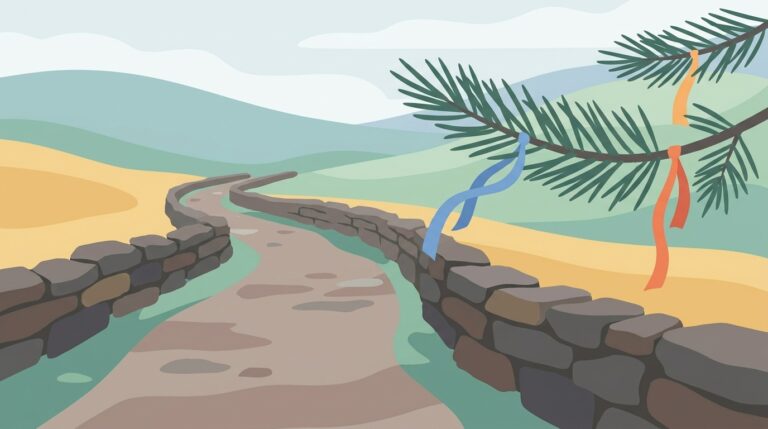
Phase 1: Empathy (Story Immersion)
안녕하세요! 매일한글 에디터입니다. Have you ever laced up your hiking boots, dreaming of a poetic, contemplative walk along Jeju’s breezy Olle Trail or the serene stone-walled paths of Seoul Dulegil, only to freeze when a seasoned local hiker dressed in vibrant neon gear strikes up a conversation? Many of our advanced learners share this exact pain point: “I can debate Korean politics or explain cinematic themes in K-dramas, but the moment an elder on a trail asks about my route or advises me on my pace, I revert to stiff, robotic textbook Korean!”
Walking a Dulegil (perimeter trail) or Olle-gil is an intimate cultural ritual in Korea—a bridge between intense summit-conquering (jeongsang deungban) and restorative self-reflection (healing). Based on dozens of real learner field reports, this masterclass equips you with authentic, sophisticated C1 expressions that go far beyond standard greetings, allowing you to connect meaningfully with fellow travelers and locals alike.
Phase 2: Core Expressions Deep Dive
1. 완주를 목표로 하기보다 쉬엄쉬엄 걸으려고요. (Wanjureul mokpyoro hagiboda swieomswieom georeullyeogoyo.)
- Pronunciation: [Wan-ju-reul mok-pyo-ro ha-gi-bo-da swi-eom-swi-eom geo-reul-lyeo-go-yo] (Think of swieom-swieom like the gentle, rolling rhythm of a sighing breeze: shwee-um shwee-um).
- Meaning: Literal: “Rather than aiming for completion, I plan to walk resting repeatedly.” / Nuance: “I’m taking it easy and soaking in the journey rather than rushing to check off the finish line.”
- K-Culture Moment: In healing travel programs like Hyori’s Homestay or countryside slow-life vlogs, guests often use this exact phrase to gently push back against Korea’s fast-paced Ppalli-ppalli (hurry-hurry) culture.
- Editor’s Insight: Advanced speakers use mimetic adverbs like 쉬엄쉬엄 (swieom-swieom, taking breathers) instead of the dry 천천히 (cheoncheonhi, slowly). It communicates emotional self-care and an unhurried mindset.
- Situation Spectrum: Casual: ✅ | Semi-formal: ✅ | Formal: ⚠️
- 🤔 Think About It: Why does Korean culture have such rich onomatopoeic and mimetic words for rest, despite being globally famous for relentless speed?
2. 올레길 표식을 놓친 것 같은데 어디서 갈라지나요? (Ollegil pyosigeul notchin geot gateunde eodiseo gallajinayo?)
- Pronunciation: [Ol-le-gil pyo-si-geul no-chin geot ga-teun-de eo-di-seo gal-la-ji-na-yo?] (Pyo-sik sounds crisp like a wooden marker tapping against stone).
- Meaning: Literal: “I think I missed the Olle path marker; where does it branch?” / Nuance: “I seem to have strayed off the official trail markers; could you point me to the junction?”
- K-Culture Moment: Seen in local documentaries when travelers wander into quiet tangerine orchards (gamgyul-bat) and respectfully ask village elders for the trail junction.
- Editor’s Insight: Rather than a clumsy “길을 잃었어요” (I am lost, which sounds like an emergency), using 표식을 놓치다 (to miss the marker) and 갈라지다 (to diverge/fork) demonstrates advanced command of trail terminology.
- Situation Spectrum: Casual: ⚠️ | Semi-formal: ✅ | Formal: ✅
- 🤔 Think About It: In your native language, do you say you “lost the way” or that you “missed the signpost”? How does this reflect human agency versus environmental navigation?
3. 풍경에 취해서 시간 가는 줄 몰랐네요. (Punggyeonge chwihaeseo sigan ganeun jul mollatneyo.)
- Pronunciation: [Pung-gyeong-e chwi-hae-seo si-gan ga-neun jul mol-lat-ne-yo] (Emphasize chwi-hae-seo with a melodic drop, evoking intoxication without wine).
- Meaning: Literal: “Drunk on the scenery, I didn’t know time was passing.” / Nuance: “The view was so spellbinding that I completely lost track of time.”
- K-Culture Moment: A staple poetic remark in historical dramas (Sageuk) and travel memoirs when scholars or modern wanderers gaze across coastal cliffs or pine groves.
- Editor’s Insight: ~에 취하다 metaphorically elevates your conversational Korean from basic appreciation (풍경이 예뻐요) to poetic eloquence. It flatters the host country’s nature immensely.
- Situation Spectrum: Casual: ✅ | Semi-formal: ✅ | Formal: ✅
- 🤔 Think About It: How does linking natural beauty with intoxication (chwi-hada) showcase the aesthetic sensibilities of classical Korean culture?
Phase 3: Textbook Korean vs. Real-World Korean
Situation 1: Declining an invitation to race or push hard up a slope
- 📖 교과서 한국어: “저는 체력이 부족해서 빨리 갈 수 없습니다.” (Jeoneun cheryeogi bujokhaeseo ppalli gal su eopseumnida. – I lack stamina, so I cannot go fast.)
- 🗣️ 진짜 한국어: “먼저 가세요, 저는 제 페이스대로 슬슬 걸어갈게요.” (Meonjeo gaseyo, jeoneun je peiseudaero seulseul georeogalgeyo. – Please go ahead; I will stroll along at my own pace.)
- 💡 왜 다를까?: Textbook Korean sounds like a medical confession of weakness. Real hikers use “제 페이스대로” (at my own pace) combined with “슬슬” (leisurely) to assert an unhurried trekking philosophy with poise.
Situation 2: Asking if a path ahead is rugged or gentle
- 📖 교과서 한국어: “앞에 있는 길이 위험합니까?” (Ape inneun giri dangerous-hamnikka? – Is the path ahead dangerous?)
- 🗣️ 진짜 한국어: “이 앞 구간, 오르막이 심한가요 아니면 완만한 편인가요?” (I ap gugan, oreumagi simhangayo animyeon wanmanhan pyeon-ingayo? – For the section ahead, is the incline steep or relatively gentle?)
- 💡 왜 다를까?: Native trekkers break down routes into gugan (sections) and evaluate terrain through specific topography descriptors like oreumak (uphill incline) vs. wanmanhada (gentle/mild), rather than broad labels like ‘dangerous’.
Phase 4: K-Culture Deep Dive & Non-Verbal Manners
4-1. 눈치(Nunchi) & Trailside Etiquette
Walking on Korea’s coastal and mountain perimeter trails requires acute Nunchi. On narrow single-track paths (oetgil), downhill walkers usually pause and step to the mountain side to let ascending walkers pass, accompanied by a polite nod. When passing private stone-walled homes in Jeju villages along an Olle trail, keep your voice down—these are living residences, not open-air theme parks! A brisk, warm “안녕하세요! 수고하세요~” (Annyeonghaseyo! Sugohaseyo~) with a slight 15-degree bow to village elders pruning citrus trees reflects stellar cultural manners.
4-2. Cultural Code: The ‘Slow Walk’ (Dule) Revolution
For decades, Korean leisure culture mirrored its industrial drive: conquering summits (deungban) at breakneck speed followed by celebratory mountain-side drinking. However, the rise of the Jeju Olle (founded by journalist Suh Myung-suk in 2007) sparked the chiyu (healing) phenomenon. Dulegil and Olle trails are not about conquering nature; they are about circling along its contours, cultivating peace (swimpyo yeohaeng), and allowing modern city dwellers to unpack psychological burnout.
Phase 5: Real-Life Roleplay Scenario
Setting: Jeju Olle Route 7, near a rocky shoreline shaded by fragrant pine needles. An elderly local path-keeper, Harabeoji (Samchun), is repairing a wooden trail guidepost.
- You: 안녕하세요! 날씨가 좋아서 걷기 딱이네요. (Annyeonghaseyo! Nalssiga joaseo geotgi ttagineyo. / 🎭 Greeting warmly with a slight bow while adjusting your backpack strap) – Hello! The weather is just ideal for walking.
- Samchun: 어디서부터 걸어왔소? 배낭이 꽤 묵직해 보이는데. (Eodiseobuteo georeowat-so? Baenangi kkwae mukjikhae boineunde. / 🎭 Wiping sweat with a towel, peering curiously) – Where did you walk from? That pack looks fairly heavy.
- You: 서귀포 쪽에서 시작했는데, 완주를 목표로 하기보다 쉬엄쉬엄 걸으려고요. (Seogwipo jjok-eseo sijakhaenneunde, wanjureul mokpyoro hagiboda swieomswieom georeullyeogoyo. / 🎭 Smiling gently, taking a steady breath) – I started over near Seogwipo, but rather than rushing to finish the whole route, I intend to take it slow.
- Samchun: 그게 참 올레길답지! 요 앞 삼거리에서 파란 리본 잘 보고 가야 혀. (Geuge cham ollegildapji! Yo ap samgeorieseo paran ribon jal bogo gaya hyeo. / 🎭 Pointing a weathered hand down the winding track) – Now that is the true Olle spirit! Make sure you watch for the blue ribbons closely at the three-way junction just ahead.
- You: 아, 마침 여쭤보려 했어요. 이 앞 구간, 오르막이 심한가요? (A, machim yeojjwoboryeo haesseoyo. I ap gugan, oreumagi simhangayo? / 🎭 Pausing attentively) – Ah, I was just about to ask. Is the uphill section ahead quite steep?
- You: 풍경에 취해서 시간 가는 줄 모르다가 길을 놓칠까 봐요. (Punggyeonge chwihaeseo sigan ganeun jul moreudaga gireul notchilkka bwayo. / 🎭 Laughing sheepishly) – I was so captivated by the scenery earlier that I worried I might lose track of the markings.
- Samchun: 해안 절벽 쪽은 험하지 않고 완만혀. 바당 바람 쐬면서 천천히 가. (Haean jeolbyeok jjogeun heomhaji anko wanmanhyeo. Badang baram ssoemyeonseo cheoncheonhi ga. / 🎭 Chuckling with genuine warmth) – The coastal cliff area isn’t rough; it’s quite gentle. Enjoy that ocean breeze and take your time.
- You: 친절하게 알려주셔서 감사합니다. 안전 산행하세요! (Chinjeolhage allyeojusyeoseo gamsahamnida. Anjeon sanhaenghaseyo! / 🎭 Bowing respectfully before stepping forward) – Thank you for your kind directions. Stay safe out on the trail!
🔀 Interactive Decision Point
At the upcoming fork in the trail, you see a detour sign leading toward an active citrus farm with a hand-painted wooden arrow. What do you do?
- Choice A: Proceed silently past the sign, remarking: “사유지인 것 같으니 리본 표식을 우선 찾아볼게요.” (Sayuji-in geot gateuni ribon pyosigeul useon chajabolgeyo. – It looks like private land, so I’ll prioritize finding the official ribbon marker.)
- Outcome (Best): Spot-on! Olle trails explicitly instruct walkers never to trespass into private orchards unless an official blue/orange ribbon directs them.
- Choice B: Walk straight through the grove shouting: “아저씨, 여기 길 맞아요?” (Ajeossi, yeogi gil majayo? – Mister, is this the right path?)
- Outcome (Bad): Disrespectful. Intrudes on private farming land and disturbs working residents without proper situational awareness.
- Choice C: Pick a low-hanging tangerine to refresh yourself, thinking nature belongs to everyone.
- Outcome (Risk): Major cultural violation! Local citrus (Gamgyul) represents rural livelihoods; picking fruit along trails is strictly forbidden and damages local community trust.
Phase 6: 10-Second Emotion Shadowing Drill
Master natural pauses (/) and dynamic pitch markers:
[😊 여유롭고 화사하게 / Relaxed and sunny]
완주를 목표로 하기보다 / 쉬엄쉬엄 / 걸으려고요.
(Wanjureul mokpyoro hagiboda / swieomswieom / georeullyeogoyo.)-
[🤔 정중하고 조심스럽게 / Inquisitive and polite]
올레길 리본을 놓친 것 같은데 / 어디서 갈라지나요?
(Ollegil riboneul notchin geot gateunde / eodiseo gallajinayo?) -
[😌 감탄에 젖어 나직하게 / Awestruck and soft]
풍경에 취해서 / 시간 가는 줄 / 몰랐네요.
(Punggyeonge chwihaeseo / sigan ganeun jul / mollatneyo.)
Phase 7: K-Culture Mini Dictionary
- 간세 (Ganse) | The pony-shaped mascot of the Jeju Olle Trail. Derived from the Jeju dialect word gansebari (meaning a slow-poke or lazy person), symbolizing unhurried mindful walking.
- 올레길 패스포트 (Ollegil Paeseupoteu) | Official Olle Trail Passport. A booklet hikers purchase to collect ink stamps placed at starting, intermediate, and finishing points of each trail.
- 둘레길 (Dule-gil) | Perimeter Trail. Formed from dule (circumference/edge). Unlike traditional deungbangil (summit-climbing trails), it circles hillsides and historical borders smoothly.
- 쉼표 여행 (Swimpyo Yeohaeng) | Comma Travel. A popular lifestyle metaphor referring to taking a restorative pause in life, treating travel not as an itinerary race, but as linguistic punctuation.
Phase 8: Traveler’s Survival Kit
Top 3 Survival Expressions
- 스탬프 찍는 곳이 어디에 있나요? (Seutaempeu jjingneun gosi eodie innayo? – Where is the stamp station?)
- Pro Tip: Keep this handy when hunting for the cute blue wooden stamp boxes at trail waypoints.
- 여기서 다음 마을까지 얼마나 걸릴까요? (Yeogiseo daeum maeulkkaji eolmana geollilkkayo? – How long does it take from here to the next village?)
- Pro Tip: Always ask about the next village (maeul), as convenience stores and restrooms are concentrated there.
- 물 좀 보충할 수 있을까요? (Mul jom bochunghal su isseulkkayo? – Could I refill some drinking water here?)
- Pro Tip: Highly effective at community centers (maeul hoegwan) or coastal resting spots where locals are happy to share filtered water.
Editor’s Travel Note
- Real-time GPS tracking on mountain pathways is essential. Make sure you access the 카카오맵 도보 길찾기 앱 다운로드 for real-time offline trail guidance.
- For Jeju specific journeys, install the 제주올레 공식 앱 다운로드 to verify route closures, weather hazard reroutes, and stamp station coordinates.
- Rural bus dispatch intervals can stretch to 60–90 minutes. Always check the departure schedule at village bus kiosks beforehand!
Phase 9: “One Step Deeper” (Reflective Prompt)
In modern Korean society, relentless self-optimization (Godsaeng, or living a productive god-like life) exerts immense pressure on individuals. Hiking along a Dulegil or Olle trail is one of the few socially sanctioned cultural spaces where Koreans grant themselves the right to step out of the rat race. When you say “쉬엄쉬엄 걷다,” you are not merely describing your walking speed; you are expressing a philosophy of emotional rebellion against burnout.
💬 Your Turn: In your home culture, is long-distance walking seen as a sport to conquer, or a spiritual pilgrimage to let go? Drop a comment below using the phrase “쉬엄쉬엄”!
Phase 10: FAQ & Common Pitfalls
Q: What is the exact difference between 등산로 (deungsanro) and 둘레길 (dulegil)?
A: Deungsanro specifically refers to climbing paths designed to reach mountain ridges or summits, emphasizing elevation gain and physical endurance. Dulegil refers to gentle circuit trails winding around skirts of mountains, residential borders, or lakes, designed for accessible walking and landscape appreciation.
Q: On Olle trails, what do the blue and orange ribbons signify?
A: Blue ribbons guide you along the standard forward path (from starting point to endpoint). Orange ribbons direct hikers walking the reverse course (yeok-ollegil). Always follow the blue side if you are trekking in the official sequential direction!
Q: Can I greet hikers with “수고하세요” when passing them?
A: “수고하세요” is acceptable, but “안전 산행하세요!” (Have a safe hike!) or a warm “좋은 하루 되세요!” is preferred for casual trail acquaintances, as sugo implies hard labor or toil.
🚨 Common Mistakes Alert Board
- Mistake: Telling a local “저는 등산하고 있어요” while strolling on the beach Olle trail.
- Correction: Use “올레길 걷고 있어요” or “트레킹 중이에요”. Walking flat trails is geotgi or trekking, not deungsan (mountain climbing).
- Mistake: Picking fruit hanging over stone fences while hiking in Jeju.
- Correction: Even if branches hang over public roads, the fruit belongs to farmers. Admire with your eyes only!
- Mistake: Forgetting trail direction markers and relying solely on car GPS.
- Correction: Watch out for Ganse signs, wooden arrows, and tree ribbons rather than standard vehicular GPS.
Phase 11: Action Missions
- Bronze Mission (Solo Practice): Read the Phase 6 Shadowing Drill aloud 3 times, paying close attention to the pause markers
/and emotional pitch changes. - Silver Mission (Community Share): Post a walking or hiking photo on Instagram or your study journal with the caption: “완주보다 풍경에 취해서 쉬엄쉬엄 걷는 중! 🌿 #매일한글 #둘레길”
- Gold Mission (Real-Life Usage): On your next walk in Korea or at a local Korean meet-up, use the phrase “제 페이스대로 슬슬 걸을게요” when someone walks faster than you.
- 🎮 K-Culture Mission: Watch an episode of Hyori’s Homestay or Our Blues and spot the blue/orange Olle trail ribbons tied to trees in the background!
Phase 12: Interactive Quiz Challenge
1. Situation Judgment: You are walking Jeju Olle Route 10 and an elderly couple walking in the opposite direction smiles at you. Which response is the most natural, polite C1 Korean?
* A) “정상까지 몇 분 남았습니까?”
* B) “안녕하세요! 좋은 길 되세요, 안전하게 걸으세요~”
* C) “저는 체력이 없어서 천천히 걷습니다.”
👉 Click to reveal Answer & Explanation
Correct Answer: B
Explanation: Olle trails do not have ‘summits’ (making A unnatural), and C is overly stiff and apologetic. B offers a thoughtful, culturally natural trail greeting.
2. Fill-in-the-Blank: Complete the advanced phrase expressing deep appreciation of the scenery:
“바다 풍경에 _______ 시간 가는 줄 몰랐어요.”
(Clue: Metaphor for being drunk/enthralled)
👉 Click to reveal Answer & Explanation
Correct Answer: 취해서 (chwihaeseo)
Explanation: ‘풍경에 취하다’ is a poetic C1-level idiom meaning to be spellbound or intoxicated by beautiful nature.
3. True or False: On Korean perimeter trails (둘레길), descending hikers always have the right of way over ascending hikers.
👉 Click to reveal Answer & Explanation
Correct Answer: False
Explanation: In Korean hiking and trekking etiquette, the walker ascending (climbing up) has the right of way because halting uphill momentum causes greater physical fatigue. Descending walkers should yield to the mountain side.







