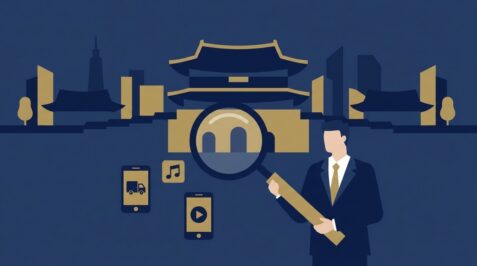
Phase 1: Why Peace Is the Scariest Time for a Korean Strategist
안녕하세요! 매일한글 에디터입니다. (Annyeonghaseyo! Maeil Hangeul editeo-imnida.) Ever watched a K-Drama like Kingdom or Reborn Rich where everyone celebrates peace while one sharp strategist quietly prepares for disaster? That exact tension is the heart of Korean statecraft idioms. At Level 6, advanced learners often tell me they memorize Hanja definitions yet hesitate to use them in real conversations for fear of sounding overly stiff. Based on real coaching feedback from advanced students, this guide unpacks 거안사위 (geoansawi) and 유비무환 (yubimuhwan) so you can read the room, navigate crises with elegance, and speak with authentic Korean authority.
Phase 2: Top 3 Classical Statecraft Expressions Deep Dive
1. 거안사위 (Geoansawi / 居安思危)
- Pronunciation: Geo-an-sa-wi (Sounds like “guh-ahn-sah-wee” — think of saying “gut” without the t, “ahn” like a sigh, “sah” like salsa, and “wee” like a gentle slide)
- Meaning: Literally “dwelling in peace, think of danger.” In practice, it carries the weighty leadership nuance of never letting prosperity lull you into complacency.
- K-Culture Moment: In historical K-Dramas like The Crowned Clown (왕이 된 남자) or corporate dramas like Misaeng (미생), a veteran minister or executive director whispers this phrase during a celebratory banquet right before rivals strike.
- Editor’s Insight: Unlike casual warnings, 거안사위 (geoansawi) carries a philosophical, almost solemn gravity. You do not use it because you forgot your umbrella; you use it when a team’s record-breaking quarter makes everyone reckless.
- Situation Spectrum: Casual 🚫 (Too heavy for small talk) | Semi-formal ⚠️ (Great in thoughtful mentor-mentee chats) | Formal ✅ (Gold standard in executive speeches, op-eds, and TOPIK essays)
- 🤔 Think About It: English has “hope for the best, prepare for the worst,” which leans optimistic. Why do you think Korean leadership idioms start with peace and deliberately pull the mind straight toward crisis?
2. 유비무환 (Yubimuhwan / 有備無患)
- Pronunciation: Yu-bi-mu-hwan (Sounds like “you-bee-moo-hwahn” — like “you bee“, “moo” like a cow, and “hwan” like “Juan” with an airy h-breath)
- Meaning: Literally “having preparation, there is no calamity.” Practically, it is Korea’s favorite mantra for proactive readiness—from national defense to packing an extra portable charger.
- K-Culture Moment: On Korean variety shows like Running Man or 2 Days & 1 Night, when a cast member pulls out hidden snacks or raincoats while others suffer, the editors slap giant subtitles reading 유비무환 (yubimuhwan) across the screen!
- Editor’s Insight: While 거안사위 (geoansawi) is the mindset of anticipating danger, 유비무환 (yubimuhwan) is the action of preparing for it. Plus, unlike 거안사위 (geoansawi), Koreans love using 유비무환 (yubimuhwan) playfully in everyday life.
- Situation Spectrum: Casual ✅ (Humorous or practical daily flex) | Semi-formal ✅ (Perfect for team briefings) | Formal ✅ (Classic in policy speeches and risk-management reports)
- 🤔 Think About It: In your native language, is thorough over-preparation seen as wise leadership or anxious overthinking? In Korea, bringing two backup plans is often viewed as the ultimate sign of respect for the group.
3. 사후약방문 (Sahuyakbangmun / 死後藥方文)
- Pronunciation: Sa-hu-yak-bang-mun (Sounds like “sah-hoo-yahk-bahng-moon” — smooth flow, ending with a soft “moon“)
- Meaning: Literally “writing a medical prescription after the patient has died.” It is the sharp antithesis to 유비무환 (yubimuhwan)—scolding someone for acting way too late.
- K-Culture Moment: Whenever a fictional agency in Agency (대행사) or a government committee in Designated Survivor: 60 Days (60일, 지정생존자) releases an apology statement only after public outrage explodes, news anchors slam the move as 사후약방문 (sahuyakbangmun).
- Editor’s Insight: Native speakers pair this with the pure Korean proverb 소 잃고 외양간 고친다 (so ilko oeyanggan gochinda – fixing the barn after losing the cow). Using 사후약방문 (sahuyakbangmun) instantly elevates your critique to news-editorial Level 6 polish.
- Situation Spectrum: Casual ⚠️ (Slightly dramatic among friends, unless joking) | Semi-formal ✅ (Strong in debates) | Formal ✅ (Punchy in critiques, columns, and business retrospectives)
- 🤔 Think About It: Why does Korean journalism rely so heavily on four-character Hanja idioms to critique failed policies instead of long explanatory adjectives?
Phase 3: Textbook Korean vs. Real Korean
Situation 1: Warning a colleague not to get complacent after a big win
- 📖 Textbook Korean (교과서 한국어): “지금 상황이 좋더라도 앞으로 다가올 위기를 미리 대비해야 합니다.” (Jigeum sanghwang-i joteorado apeuro dagaol wigi-reul miri daebihaeya hamnida. – Even if the current situation is good, we must prepare in advance for upcoming crises.)
- 🗣️ Real Korean (진짜 한국어): “우리 이럴 때일수록 거안사위(居安思危)의 자세로 리스크 관리에 만전을 기합시다.” (Uri ireol ttaeilsurok geoansawi-ui jasero riseukeu gwalli-e manjeon-eul gihapsida. – At times like this especially, let’s take a mindset of anticipating danger in peace and leave no stone unturned in risk management.)
- 💡 Why is it different? At Level 6, Korean professionals weave classical idioms into modern loanwords like 리스크 (riseukeu – risk) and pair them with high-register collocations like 만전을 기하다 (manjeon-eul gihada – to ensure thorough preparedness) to project seasoned executive poise.
Situation 2: Flexing your emergency kit on a weekend hike
- 📖 Textbook Korean (교과서 한국어): “비에 젖을까 봐 우산을 미리 챙겨 왔어요.” (Bi-e jeojeulkka bwa usan-eul miri chaenggyeo wasseoyo. – I brought an umbrella in advance in case we get wet from the rain.)
- 🗣️ Real Korean (진짜 한국어): “역시 유비무환(有備無患)이지! 나 아까 우비까지 다 챙겨 놨어.” (Yeoksi yubimuhwan-iji! Na akka ubikkaji da chaenggyeo nwasseo. – Preparedness really pays off, right? I even packed rain ponchos earlier.)
- 💡 Why is it different? Using 역시 (yeoksi – as expected) + 유비무환 (yubimuhwan) turns a high-brow idiom into witty banter. Meanwhile, honestly speaking as your Daily Hangul editor, I usually preach 유비무환 (yubimuhwan) and still walk out of my apartment right into a Seoul downpour without an umbrella.
Phase 4: K-Culture Deep Dive & Non-Verbal Manners
4-1. Nunchi (눈치) & Body Language
In Korean organizational culture, quoting 거안사위 (geoansawi) during a celebration requires elite 눈치 (nunchi – social radar). If you blurt it out while everyone is clinking glasses, you risk sounding like a buzzkill. Instead, seasoned leaders lower their voice slightly, maintain calm, steady eye contact, and lean forward with palms resting flat on the table—signaling grounded stewardship rather than panic. Avoid pointing fingers; frame the warning around “our” collective readiness (우리의 대비 / uri-ui daebi).
4-2. Cultural Code: From Joseon Royal Courts to Chaebol Boardrooms
If you binge K-Dramas like The Red Sleeve (옷소매 붉은 끝동) or Queen of Tears (눈물의 여왕), you will notice a recurring motif: power is fragile, and public sentiment (민심 / minsim) shifts overnight. Historically, Joseon monarchs studied classical texts like the Zuo Zhuan (좌전), where 거안사위 (geoansawi) originates, during daily royal lectures called 경연 (gyeongyeon). Today, that same DNA lives inside Korean conglomerates. Even during record profits, Korean executives issue “crisis management” memos every January—not out of pessimism, but because Korean leadership culture believes survival belongs to those who feel the storm before the first drop of rain.
Phase 5: Real-World Roleplay Scenario
- Setting: A sleek glass conference room in Yeouido, Seoul, overlooking the Han River after a wildly successful tech product launch.
- NPC: Director Kang (강 본부장) — Sharp, silver-haired executive known for spotting blind spots everyone else misses.
- Director Kang: 이번 분기 실적이 역대 최고치를 경신했더군요. 다들 고생 많았습니다. (Ibeon bungi siljeok-i yeokdae choegochi-reul gyeongsinhaetdeogunyo. Dadeul gosaeng manasseumnida.) — Our quarterly performance broke all-time records. Great work, everyone.
🎭 (Sets down his espresso cup gently and scans the celebratory room) - You: 감사합니다, 본부장님. 하지만 시장 변동성이 커져서 긴장을 늦출 수 없을 것 같습니다. (Gamsahamnida, bonbujangnim. Hajiman sijang byeondongseong-i keojyeoseo ginjang-eul neutschul su eopseul geot gatseumnida.) — Thank you, Director. However, with rising market volatility, I don’t think we can let our guard down.
🎭 (Nods respectfully while opening your tablet to the risk projection slide) - Director Kang: 오, 다들 들떠 있는데 꽤 냉철하군요. 혹시 우려되는 지점이 있나요? (O, dadeul deultteo inneunde kkwae naengcheolhagunyo. Hoksi uryeodoeneun jijeom-i innayo?) — Oh, everyone else is hyped up, yet you are quite level-headed. Is there a specific area you’re worried about?
🎭 (Raises an eyebrow, intrigued, leaning back slightly) - You: 네. 거안사위(居安思危)라는 말처럼, 호황일 때일수록 공급망 리스크를 선제적으로 점검해야 합니다. (Ne. Geoansawi-raneun malcheoreom, hohwang-il ttaeilsurok gonggeupmang riseukeu-reul seonjejeog-euro jeomgeomhaeya hamnida.) — Yes. Just as the saying “think of danger in peace” goes, the more prosperous we are, the more proactively we must audit supply chain risks.
🎭 (Gestures calmly toward the chart showing Q4 bottleneck scenarios) - Director Kang: 옳은 지적입니다. 사고 터지고 수습하려 들면 사후약방문(死後藥方文) 꼴이 나기 십상이죠. (Oreun jijeog-imnida. Sago teojigo suseupharyeo deulmyeon sahuyakbangmun kkol-i nagi sipsang-ijyo.) — Valid point. If we try to clean up after an accident explodes, it easily turns into a “prescription after death” situation.
🎭 (Taps his pen thoughtfully on the table) - You: 맞습니다. 유비무환(有備無患)의 정신으로 대체 물류 라인을 미리 확보해 두었습니다. (Matseumnida. Yubimuhwan-ui jeongsin-euro daeche mullyu rain-eul miri hwakbohae dueosseumnida.) — Exactly. In the spirit of preparedness preventing calamity, I have already secured backup logistics lines in advance.
🎭 (Hands over a neatly bound contingency brief with both hands) - Director Kang: 벌써 대안까지 마련했단 말입니까? 참 든든하군요. (Beolsseo daeankkaji maryeonhaetdan marimnikka? Cham deundeunhagunyo.) — You already prepared alternatives? That is truly reassuring.
🎭 (Breaks into a rare, approving smile while flipping through the brief) - You: 위기는 예고 없이 찾아오니까요. 다음 주 팀 회의에서 세부 매뉴얼을 공유하겠습니다. (Wigi-neun yego eopsi chajaonikkayo. Daeum ju tim hoeui-eseo sebu maenyueol-eul gongyuhagessseumnida.) — Because crises arrive unannounced. I will share the detailed manual at next week’s team meeting.
🎭 (Bows slightly from the seated position, maintaining composed confidence)
🔀 Interactive Branching Point: Director Kang suddenly asks, “Wait—won’t our competitors laugh if we spend extra budget on backup lines right now?” How do you reply?
- A) “경쟁사가 웃든 말든, 손실이 나면 책임지실 겁니까?” (Gyeongjaengsa-ga utdeun maldeun, sonsil-i namyeon chaegimjisil geomnikka? – Whether competitors laugh or not, will you take responsibility if we incur losses?) -> Risk / Bad: Far too confrontational! Challenging a superior’s accountability in Korean corporate hierarchy breaks rapport instantly.
- B) “단기 비용보다 장기적 생존이 우선입니다. 흔들리지 않는 기반이야말로 진정한 경쟁력이라고 봅니다.” (Dangi biyongboda janggijeok saengjon-i useon-imnida. Heundeulliji anneun giban-iyamallo jinjeonghan gyeongjaengnyeog-irago bomnida. – Long-term survival outweighs short-term cost. An unshakable foundation is true competitiveness.) -> Best: Masterclass Level 6 diplomacy! Respectful, strategic, and directly mirrors statecraft values.
- C) “제가 돈이 좀 남아서 그냥 준비해 봤어요.” (Jega don-i jom namaseo geunyang junbihae bwasseoyo. – We had some leftover money, so I just prepared it casually.) -> Bad: Undermines your own strategic foresight and sounds careless with company budgets.
Phase 6: 10-Second Emotion Shadowing Drill
Practice reading aloud, pausing cleanly at each / and matching the emotional cue:
- [😌 Calm & Wise Authority]
평안할 때 / 위기를 잊지 않는 것이 / 진정한 리더십입니다.
(Pyeong-anhal ttae / wigi-reul itji anneun geosi / jinjeonghan rideosib-imnida. – Not forgetting crisis during peaceful times is true leadership.) -
[😎 Playful & Proud Prepper]
유비무환이라고 / 내가 혹시 몰라서 / 보조 배터리 두 개 챙겼지!
(Yubimuhwan-irago / naega hoksi mollaseo / bojo baeteori du gae chaenggyeotji! – Like they say, preparedness pays off—just in case, I packed two power banks!) -
[🤨 Sharp & Critical Analyst]
이미 민심이 돌아선 뒤에 / 대책을 내놓으면 / 그건 사후약방문일 뿐입니다.
(Imi minsim-i doraseon dwi-e / daechaeg-eul naenoeumyeon / geugeon sahuyakbangmun-il ppunimnida. – If you announce countermeasures after public sentiment has already turned, that is merely a prescription after death.)
Phase 7: K-Culture Mini Dictionary
- 민심 (Minsim / 民心) | Public sentiment / hearts of the people | Heard constantly in Korean news and historical dramas—often paired with 천심 (cheonsim – heaven’s will) in the phrase 민심이 곧 천심이다 (public sentiment is heaven’s will).
- 경세 (Gyeongse / 經世) | Statecraft / governing the world | An elite literary term used in political science, book reviews, and philosophy podcasts to describe grand-scale governance.
- 선제적 (Seonjejeok / 先制的) | Proactive / preemptive | A staple Level 6 business and policy adjective—e.g., 선제적 대응 (preemptive response).
- 만전을 기하다 (Manjeon-eul gihada) | To take every possible precaution | The go-to formal idiom in press releases and disaster briefings before typhoons, major summits, or product launches.
Phase 8: Survival Kit for Travelers
Even when exploring Korea’s historic royal palaces like Gyeongbokgung or Changdeokgung—where Joseon kings actually pondered 거안사위 (geoansawi)—your own 유비무환 (yubimuhwan) travel prep matters!
- Top 1: 혹시 모를 상황에 대비해서요. (Hoksi moreul sanghwang-e daebihaeseoyo. – Just to prepare for any unexpected situation.) -> Pro Tip: Use this polite gem when asking hotel staff for extra towels, umbrella rentals, or early check-in storage.
- Top 2: 비상구 위치가 어디인가요? (Bisanggu wichi-ga eodi-ingayo? – Where is the emergency exit?) -> Pro Tip: Essential for crowded Hongdae basements, concert halls, or underground shopping malls.
- Top 3: 현금이나 예비 카드도 챙겼어요. (Hyeongeum-ina yebi kadeu-do chaenggyeosseoyo. – I brought cash and a backup card too.) -> Pro Tip: Handy when a foreign card unexpectedly fails at a street food stall or rural bus terminal.
Editor’s Travel Note: Practicing 유비무환 (yubimuhwan) in Seoul starts on your phone before you even land. Before boarding the airport express, complete your Naver Map App Download since Google Maps walking routes are limited in Korea, and pick up a WOWPASS Prepaid Transit Card or T-money card at Incheon Airport convenience stores so you never get stuck at a subway gate during rush hour.
Phase 9: One Step Deeper — The Weight of Forethought
In Western individualism, worrying about disaster on a sunny day can sometimes feel like inviting bad luck. In Korea’s historically tight-knit, high-density society—shaped by seasonal monsoons, mountainous terrain, and turbulent geopolitics—forethought is framed as an act of care. When a Korean leader invokes 거안사위 (geoansawi) or a friend reminds you of 유비무환 (yubimuhwan), they are rarely trying to dampen your joy; rather, they are protecting the collective peace so that tomorrow’s stability stays intact. Mastering these idioms means you aren’t just translating words—you are stepping into a centuries-old rhythm of responsibility.
💬 Your Turn: Have you ever experienced a real-life 유비무환 (yubimuhwan) moment while traveling or working in Korea—or a hilarious 사후약방문 (sahuyakbangmun) disaster? Share your story in the comments below!
Phase 10: FAQ & Misconception Prevention
Q: Can I use 거안사위 (geoansawi) in a casual conversation with Korean friends?
A: Technically yes, if you are joking dramatically about finals week or dieting, but it naturally belongs to formal speeches, essays, and serious discussions. For everyday preparedness—like bringing spare batteries or snacks—유비무환 (yubimuhwan) sounds much more natural and witty.
Q: What is the exact difference between 거안사위 (geoansawi) and 유비무환 (yubimuhwan)?
A: Think of them as mindset versus execution. 거안사위 (geoansawi) focuses on mental vigilance during peaceful, prosperous times, while 유비무환 (yubimuhwan) emphasizes taking concrete preparatory steps beforehand so problems cannot hurt you.
Q: Do Koreans actually write the Hanja characters when using these idioms?
A: Usually no in texts or casual emails—Hangul alone is standard. However, you will frequently see Hanja in parentheses in newspapers, academic papers, and formal business reports to clarify meaning quickly.
🚨 Common Mistakes (흔한 실수) TOP 3
- Mistake: Saying “거안사위 때문에 우산을 챙겼어요” (I brought an umbrella because of geoansawi). -> Correct Action: Use 유비무환 (yubimuhwan) for small daily preparations; save 거안사위 (geoansawi) for macro-level stability, leadership, or organizational crisis awareness.
- Mistake: Attaching wrong particles like 거안사위를 하다 (to do geoansawi). -> Correct Action: Treat it as a noun phrase with -의 자세 (ui jase – mindset of), -를 실천하다 (reul silcheonhada – to practice), or -라는 말처럼 (raneun malcheoreom – as the saying goes).
- Mistake: Dropping idioms randomly without context just to show off TOPIK Level 6 vocabulary. -> Correct Action: Anchor the idiom to a concrete risk or preparation step right before or after it so your Korean sounds organic, not textbook-forced.
Phase 11: Action Mission & Engagement
- 🥉 Bronze (Solo Practice): Record yourself reading the 3 sentences in Phase 6 using your phone voice memo, focusing on lowering your pitch slightly for 거안사위 (geoansawi) and brightening your tone for 유비무환 (yubimuhwan).
- 🥈 Silver (Share): Post a photo of your daily “preparedness item” (umbrella, charger, emergency snacks) on social media with the caption: “오늘도 유비무환(有備無患)! (Oneuldo yubimuhwan! – Prepared again today!)”
- 🥇 Gold (Real-World Use): Next time you write a team update, journal entry, or language-exchange message in Korean, weave in one of these phrases naturally—e.g., 유비무환의 자세로 미리 준비했습니다 (Yubimuhwan-ui jasero miri junbihaetseumnida).
🎮 K-Culture Mission: Watch an episode of a Korean political or corporate drama (Kingdom, Designated Survivor: 60 Days, or Reborn Rich) with Korean subtitles on, and spot at least one scene where a character delivers a 거안사위 (geoansawi) warning—even if they phrase it without the exact idiom!
Phase 12: Interactive Quiz Challenge
1. Situational Judgment: Your startup just hit 1 million users, and everyone wants to pause security audits to throw a month-long celebration. Which statement delivers the sharpest, most appropriate Level 6 warning?
* A) “축하할 때가 아닙니다. 어서 유비무환하세요!” (Chukhahal ttae-ga animnida. Eoseo yubimuhwanhaseyo!)
* B) “기쁜 날이지만, 거안사위의 자세로 보안 점검만큼은 선제적으로 진행합시다.” (Gippeun nar-ijiman, geoansawi-ui jasero boan jeomgeom-mankeumeun seonjejeog-euro jinhaenghapsida.)
* C) “이미 해킹당하면 사후약방문입니다.” (Imi haekingdanghamyeon sahuyakbangmun-imnida.)
2. Fill in the Blank:
태풍이 오기 전에 미리 창문을 점검했으니 역시 ________(이)로군요! (Taepung-i ogi jeone miri changmun-eul jeomgeomhaesseuni yeoksi ________(i)rogunyo! – Since we inspected the windows before the typhoon arrived, preparedness really prevents disaster!)
3. True / False Cultural Quiz:
In Korean, 거안사위 (geoansawi) and 사후약방문 (sahuyakbangmun) are synonyms that both praise proactive leadership. (True / False)
Click to view Answers & Explanations
- Quiz 1 Answer: B. Option A misuses 유비무환 as an awkward verb (유비무환하세요 sounds unnatural and bossy). Option C has awkward grammar (이미 + ~면). Option B gracefully acknowledges the joy while invoking 거안사위(居安思危) and 선제적 (proactive) like a true Korean executive.
- Quiz 2 Answer: 유비무환 (Yubimuhwan). Concrete preparation before an incoming typhoon is the quintessential real-life scenario for 유비무환.
- Quiz 3 Answer: False. 거안사위 praises proactive vigilance during peaceful times, whereas 사후약방문 criticizes acting too late after the damage is already done.
🎬 Watch Our Daily Videos! (Daily Hangul Official Instagram)
Review the expressions you learned in this article with our fun daily short videos! Check out native pronunciation and real-life nuances in action.
- Instagram @dailyhangul_en