

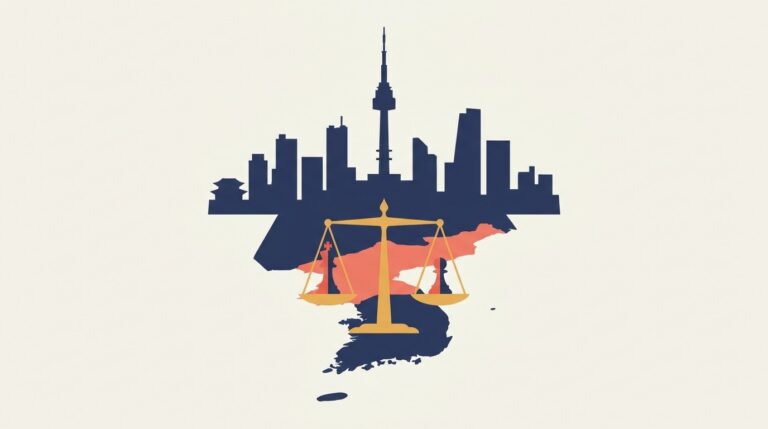
Phase 1: Empathy — When Political K-Drama Meets Real-Life Seoul
안녕하세요! 매일한글 에디터입니다. (Hello! I am your Daily Hangul editor.) Imagine sitting at a lively chimaek spot in Yeouido after watching a gripping episode of the Korean political drama The Whirlwind. Your Korean friends suddenly pivot from drama plots to US-China rivalry, tossing around phrases like 투키디데스의 함정 (Tukidideseu-ui hamjeong — Thucydides’s Trap) and 중견국 연대 외교 (junggyeonguk yeondae oegyo — middle-power coalition diplomacy). You understand the English concepts, yet your Korean freezes mid-sentence! Many Level 6 learners tell us that bridging textbook grammar and sharp geopolitical nuance is their biggest hurdle. Based on real learner feedback, this guide gives you the exact vocabulary and cultural intuition to command high-level Korean debates effortlessly.
Phase 2: Deep Dive Into 3 Essential Level 6 Expressions
1. 투키디데스의 함정 (Tukidideseu-ui hamjeong)
- Pronunciation: Tukidideseu-ui hamjeong (Sounds like “Too-kee-dee-day-soo-eh hahm-jung” — keep “eu” unrounded like the “u” in “put” and say “hamjeong” like “hahm” plus “jung” as in “jungle.”)
- Meaning: Literally “Thucydides’s Trap.” In Korean geopolitical discourse, it specifically frames the structural peril when a rising power (신흥 강대국 / sinheung gangdaeguk) challenges an established ruling hegemon (기존 패권국 / gijon paegwonguk), pushing military conflict risk to its peak.
- K-Culture Moment: In political thrillers like Designated Survivor: 60 Days (60일, 지정생존자) or late-night JTBC current affairs panels, analysts drop this phrase the second US-China friction escalates: “신흥 강대국이 부상하여 기존 패권국에 도전할 때 무력 충돌 위험이 극대화된다는 ‘투키디데스의 함정’이 미·중 경쟁을 읽는 주요 틀이에요.” (Sinheung gangdaeguk-i busanghayeo gijon paegwonguk-e dojeonhal ttae muryeok chungdol wiheom-i geukdaehwadoendaneun ‘Tukidideseu-ui hamjeong’-i Mi-Jung gyeongjaeng-eul ingneun juyo teur-ieyo. — “‘Thucydides’s Trap’—the danger when a rising power challenges a ruling hegemon—frames modern great-power rivalry.”)
- Editor’s Insight: Koreans rarely use this as dry academic trivia. Saying it signals that you view the US-China rivalry not as an isolated trade spat, but as an unavoidable structural clash—and it subtly invites your listener to ask how South Korea should avoid getting crushed in the middle.
- Situation Spectrum: Casual ⚠️ (Fine with nerdy friends over drinks, overkill at a party) / Semi-formal ✅ (Ideal in seminars or coffee chats) / Formal ✅ (Gold standard in briefings and op-eds)
- 🤔 Think About It: In English, “trap” often implies a mistake you could simply step around. In Korean diplomatic commentary, 함정 (hamjeong) carries an almost fatalistic weight shaped by centuries of living between giant neighbors. How does your native language frame unavoidable geopolitical tension?
2. 세력 균형과 패권 경쟁 (Seryeok gyunhyeong-gwa paegwon gyeongjaeng)
- Pronunciation: Seryeok gyunhyeong-gwa paegwon gyeongjaeng (Sounds like “Seh-ryuk gyoon-hyung-gwa peh-gwun gyung-jeng” — tap the “r” lightly like a quick “d” in “ladder” and round your lips for “gyoon.”)
- Meaning: Literally “balance of power and hegemonic competition.” Beyond textbook IR theory, Koreans use it to describe the high-wire act of calibrating alliances so neither superpower dominates the region.
- K-Culture Moment: Picture the tense Blue House war-room scenes in Chief of Staff (보좌관), where aides whisper about keeping 세력 균형 (seryeok gyunhyeong — balance of power) intact without provoking retaliation. Example: “동북아의 세력 균형이 흔들릴수록 미·중 패권 경쟁의 파고가 거세집니다.” (Dongbuga-ui seryeok gyunhyeong-i heundeullilsurok Mi-Jung paegwon gyeongjaeng-ui pago-ga geosejimnida. — “The more Northeast Asia’s balance of power wobbles, the fiercer the waves of US-China hegemonic rivalry grow.”)
- Editor’s Insight: Notice the metaphor 파고 (pago — towering waves) often paired with this phrase. Korean commentators love maritime and chess metaphors for geopolitics. Using 균형 (gyunhyeong — balance) instead of simple 평화 (pyeonghwa — peace) immediately upgrades you from intermediate idealism to Level 6 strategic realism.
- Situation Spectrum: Casual ⚠️ / Semi-formal ✅ / Formal ✅
- 🤔 Think About It: English debates often treat “hegemony” as an abstract noun. Korean speakers treat 패권 (paegwon) almost like physical gravity pulling smaller nations into orbit. Does your culture view global power through ideals or gravity?
3. 중견국 연대 외교 (Junggyeonguk yeondae oegyo)
- Pronunciation: Junggyeonguk yeondae oegyo (Sounds like “Joong-gyun-gook yun-day weh-gyo” — “oe” glides smoothly like “weh” in “wet.”)
- Meaning: Literally “middle-power coalition diplomacy.” In real Korean discourse, this is Korea’s proactive antidote to superpower bullying—teaming up with nations like Australia, Canada, or ASEAN to set rules rather than merely reacting.
- K-Culture Moment: Think of global K-Pop soft power summits or Korea’s real-world G7 outreach coverage on KBS News. Example: “강대국 간의 양자택일 압박을 피하려면 중견국 연대 외교가 필수적입니다.” (Gangdaeguk gan-ui yangjataegil apbag-eul piharyeomyeon junggyeonguk yeondae oegyo-ga pilsujeog-imnida. — “To avoid the pressure to pick a single side between superpowers, middle-power coalition diplomacy is essential.”)
- Editor’s Insight: As a native friend, here is the secret nuance: Koreans are fiercely proud of having outgrown the “tiny shrimp” label, yet deeply anxious about being forced into 양자택일 (yangjataegil — a binary either-or choice). Saying 중견국 (junggyeonguk — middle power) hits the sweet spot between realistic humility and confident agency.
- Situation Spectrum: Casual ⚠️ / Semi-formal ✅ / Formal ✅
- 🤔 Think About It: Many Western countries rarely label themselves “middle powers” in daily conversation. In Korea, positioning the nation as a 중견국 (junggyeonguk) is a major point of civic and diplomatic strategy. How does your home country define its weight class in the world?
Phase 3: Textbook Korean vs. Real Korean
Situation 1: Describing Korea’s squeeze between the US and China
- 📖 Textbook Korean: “강대국 간의 갈등으로 인해 한국이 어려운 입장에 처할 수 있습니다.” (Gangdaeguk gan-ui galdeung-euro inhae Hangug-i eoryeoun ipjang-e cheohal su itseumnida. — “Due to conflict between great powers, Korea may face a difficult position.”)
- 🗣️ Real Korean: “고래 싸움에 새우 등 터질까 봐 눈치 보느라 진땀 빼는 중이죠.” (Gorae ssaum-e saeu deung teojilkka bwa nunchi boneura jinttam ppaeneun jung-ijyo. — “We’re sweating bullets reading the room so we don’t get crushed like a shrimp in a whale fight.”)
- 💡 Why is it different? Even PhD-level analysts in Seoul switch to the classic proverb 고래 싸움에 새우 등 터진다 (when whales fight, the shrimp’s back breaks) over dinner to add vivid emotional truth that stiff bureaucratic phrasing hides.
Situation 2: Calling for pragmatic diplomacy instead of picking sides
- 📖 Textbook Korean: “특정 국가에 편중되지 않는 균형 잡힌 외교 정책이 필요합니다.” (Teukjeong gukga-e pyeonjungdoeeji anneun gyunhyeong japhin oegyo jeongchaeg-i piryohamnida. — “A balanced diplomatic policy not skewed toward a specific country is needed.”)
- 🗣️ Real Korean: “결국 실리 외교로 줄타기 잘해야지, 섣불리 한쪽 줄 섰다가 역풍 맞아요.” (Gyeolguk silli oegyo-ro jultagi jalhaeyaji, seotbulli hanjjok jul seotdaga yeokpung majayo. — “At the end of the day, we have to tightrope-walk with pragmatic diplomacy; blindly lining up on one side will trigger serious backlash.”)
- 💡 Why is it different? Korean political talk relies heavily on visceral physical verbs like 줄타기 (jultagi — tightrope walking) and 역풍 맞다 (yeokpung matda — getting hit by headwinds/backlash), turning dry policy into high-stakes human drama.
Phase 4: K-Culture Deep Dive & Non-Verbal Manners
4-1. Nunchi (눈치) & Gestures in Geopolitical Debates
When discussing sensitive topics like 투키디데스의 함정 (Thucydides’s Trap) or US-China rivalry with Koreans, nunchi (social radar) matters just as much as your Level 6 grammar. First, lower your volume and soften your posture. Leaning back with crossed arms while declaring one superpower “right” or “wrong” feels confrontational; leaning slightly forward with open hands signals analytical curiosity. Second, watch your eye contact during disagreement. Instead of locking eyes intensely while countering someone, glance briefly at your teacup or the table and say “일리가 있으시네요, 다만…” (Illi-ga isseusineyo, daman… — “You have a point, however…”) before introducing a counter-perspective. Third, mirror the room’s register: if your colleague uses diplomatic hedging like “~라는 시각도 존재하죠” (~raneun sigak-do jonjaehajyo — “that viewpoint also exists”), match that calm restraint.
4-2. Cultural Code Analysis: K-Dramas & Hanjeongsik Diplomacy
If you want to absorb how Korean elites actually argue about power balances, binge-watch political K-Dramas like Chief of Staff (보좌관) or The Whirlwind (돌풍). Notice how the real deals never happen at the podium—they unfold in quiet hanjeongsik (traditional course meal) private rooms or over late-night makgeolli and jeon. In Korean culture, sharing side dishes (banchan) from the same table softens ideological sharp edges. Even fierce rivals will pour each other a drink before dropping a devastating geopolitical truth bomb. Mastering that blend of warm hospitality and razor-sharp realism is the ultimate Korean diplomatic code.
Phase 5: Interactive Roleplay Scenario
Setting: A quiet, wood-beamed hanok tea house in Samcheong-dong, Seoul, just after an international security forum. Rain patters softly on the courtyard stones.
NPC: Minho (민호), a witty 35-year-old think-tank researcher wearing tortoiseshell glasses who loves grilling policy interns over roasted barley tea.
- Minho: 오늘 포럼 발표 꽤 날카롭던데요? 미·중 경쟁을 보는 시각이 인상 깊었어요. (Oneul poreom balpyo kkwae nalkaropdeondeyo? Mi-Jung gyeongjaeng-eul boneun sigag-i insang gipeosseoyo. — “Your forum presentation was pretty sharp today. Your take on US-China rivalry left an impression.”) 🎭 Pours warm tea into your celadon cup with both hands.
- You: 과찬이세요, 민호 씨. 투키디데스의 함정 프레임이 아직 유효한지 청중 반응이 궁금하더라고요. (Gwachaniseyo, Minho-ssi. Tukidideseu-ui hamjeong peureim-i ajik yuhyohanji cheongjung baneung-i gunggeumhadeoragoyo. — “You flatter me, Minho. I was curious whether the audience felt the Thucydides’s Trap framework still holds up.”) 🎭 Accepts the cup politely and smiles.
- Minho: 솔직히 말하면, 신흥 강대국이 부상하면서 기존 패권국과의 마찰이 커지는 건 부인할 수 없죠. (Soljikhi malhamyeon, sinheung gangdaegug-i busanghamyeonseo gijon paegwonguk-gwaui machar-i keojineun geon buinhal su eopjyo. — “Honestly, we can’t deny friction between the rising power and the ruling hegemon is growing.”) 🎭 Taps his glasses thoughtfully.
- You: 맞아요. 무력 충돌 위험까지는 아니더라도 기술 패권 경쟁이 사실상 냉전 수준이잖아요. (Majayo. Muryeok chungdol wiheom-kkajineun anideorado gisul paegwon gyeongjaeng-i sasilsang naengjeon sujun-ijanayo. — “True. Even short of armed clash, the tech hegemony race is practically at Cold War levels.”) 🎭 Leans in slightly with an open-palm gesture.
- Minho: 그렇죠. 그럼 한국 같은 나라는 이 세력 균형 속에서 도대체 어떤 카드를 쥐어야 할까요? (Geureochyo. Geureom Hanguk gateun nara-neun i seryeok gyunhyeong sog-eseo dodaeche eotteon kadeu-reul jwieoya halkkayo? — “Right. So in this balance of power, what cards should a country like Korea actually hold?”) 🎭 Raises an eyebrow, testing your strategic depth.
- You: 단기적으론 동맹을 굳건히 하되, 장기적으론 중견국 연대 외교로 외연을 넓혀야죠. (Dangijeog-euron dongmaeng-eul gutgeonhi hadoe, janggijeog-euron junggyeonguk yeondae oegyo-ro oeyeon-eul neolpyeoyajyo. — “In the short term, solidify alliances, while long term, broaden our reach through middle-power coalition diplomacy.”) 🎭 Nods calmly and takes a measured sip of tea.
- Minho: 오, 중견국 연대라! 그런데 미·중 양쪽에서 양자택일을 압박하면 버틸 수 있을까요? (O, junggyeonguk yeondaera! Geureonde Mi-Jung yangjjog-eseo yangjataegir-eul apbakhamyeon beotil su isseulkkayo? — “Oh, middle-power coalition! But if both the US and China press for an either-or choice, can we hold out?”) 🎭 Smirks playfully, leaning forward.
- You: 혼자면 버겁죠. 그래서 가치와 실리를 공유하는 파트너들과 규칙 제정자로 나서야 한다는 거예요. (Honjamyeon begeopjyo. Geuraeseo gachi-wa silli-reul gongyuhaneun pateuneodeul-gwa gyuchik jejeongja-ro naseoya handaneun geoyeyo. — “Alone, it’s tough. That’s exactly why we have to step up as rule-makers alongside partners who share both values and pragmatic interests.”) 🎭 Sets the cup down with quiet confidence.
🔀 Interactive Branching Point: Minho suddenly asks, “So between Washington and Beijing, which side do YOU personally think Korea belongs to?”
- Option A (Best): “그 질문 자체가 한국이 피하고 싶은 프레임 아닐까요? 사안별 실리 외교가 핵심이죠.” (Geu jilmun jache-ga Hangug-i pihago sipeun peureim anilkkayo? Saanbyeol silli oegyo-ga haeksim-ijyo. — “Isn’t that question itself the very trap Korea wants to avoid? Issue-by-issue pragmatic diplomacy is key.”) -> Feedback (Best): Brilliant! You dodged a binary trap using sophisticated Korean framing and proved you truly understand nunchi and Level 6 nuance.
- Option B (Bad): “당연히 한쪽만 골라야죠. 중립은 그냥 비겁한 변명이에요.” (Dangyeonhi hanjjok-man gollayajyo. Jungnib-eun geunyang bigeophan byeonmyeong-ieyo. — “Obviously you must pick just one side. Neutrality is just a cowardly excuse.”) -> Feedback (Bad): Too blunt and culturally tone-deaf! Calling diplomatic caution “cowardly” dismisses Korea’s complex geopolitical reality and kills the rapport.
- Option C (Risk): “글쎄요, 투키디데스의 함정 때문에 어차피 곧 전쟁 날 텐데 의미 없지 않나요?” (Geulsseyo, Tukidideseu-ui hamjeong ttaemune eochapi got jeonjaeng nal tende uimi eopji annayo? — “Well, because of Thucydides’s Trap there’ll be war soon anyway, so isn’t it pointless?”) -> Feedback (Risk): Way too fatalistic! Over-relying on academic determinism sounds alarmist to Koreans who live every day next to real security tensions.
Phase 6: 10-Second Emotion Shadowing Drill
Read these aloud, pausing briefly at every / and riding the emotional cue:
- [🎙️ Calmly and analytically] 신흥 강대국이 부상할 때 / 기존 패권국과의 충돌 위험이 / 극대화됩니다. (Sinheung gangdaegug-i busanghal ttae / gijon paegwonguk-gwaui chungdol wiheom-i / geukdaehwadoemnida. — When a rising power emerges, / the risk of conflict with the ruling hegemon / reaches its peak.)
- [🔥 Urgently and persuasively] 지금 필요한 건 / 흑백 논리가 아니라 / 유연한 중견국 연대 외교입니다! (Jigeum piryohan geon / heukbaek nolli-ga anira / yuyeonhan junggyeonguk yeondae oegyo-imnida! — What we need right now / isn’t black-and-white logic, / it’s flexible middle-power coalition diplomacy!)
- [🤔 Thoughtfully with gravitas] 세력 균형이 무너지면 / 그 여파는 결국 / 우리 일상까지 흔들어 놓죠. (Seryeok gyunhyeong-i muneojimyeon / geu yeopa-neun gyeolguk / uri ilsang-kkaji heundeureo nochyo. — Once the balance of power collapses, / the shockwaves eventually / rattle even our daily lives.)
Phase 7: K-Culture Mini Dictionary (4 Power Keywords)
- 신흥 강대국 (Sinheung gangdaeguk) | Rising Great Power | Used in news, essays, and business strategy meetings to describe an emerging economic or military giant reshaping global supply chains.
- 기존 패권국 (Gijon paegwonguk) | Ruling Hegemon | Essential counterpart to #1; frequently heard when discussing US dollar dominance, semiconductor alliances, or security umbrellas.
- 안미경중 (Anmigyeongjung) | Security with the US, Economy with China | A classic Korean shorthand coined by pundits to capture Korea’s decades-long balancing act—though people now debate whether it’s fading.
- 실리 외교 (Silli oegyo) | Pragmatic / Interest-Based Diplomacy | Extremely useful even in corporate Korean! Bosses use 실리 (practical gain) when prioritizing real-world outcomes over empty ideology.
Phase 8: Survival Kit for Travelers & Visiting Scholars
Top 3 Survival Phrases
- 오늘 포럼에서 균형 외교 관련 세션이 어디서 열리나요? (Oneul poreom-eseo gyunhyeong oegyo gwallyeon sesyeon-i eodiseo yeollinayo? — “Where is today’s session on balanced diplomacy held?”) Pro Tip: Useful at think-tank conferences in Yeouido or Gwanghwamun; drop 관련 (gwallyeon — related to) for natural polish.
- 정치 이야기는 좀 조심스러운데, 다른 주제로 넘어가도 될까요? (Jeongchi iyagi-neun jom josimseureounde, dareun jujero neomeogado doelkkayo? — “Politics feels a bit delicate; could we move on to another topic?”) Pro Tip: Your lifesaver if a dinner debate gets too heated! Adding 좀 조심스러운데 (feels a bit delicate) saves everyone’s face.
- 한국의 중견국 역할에 대해 더 읽어보고 싶은데 추천해 주실 책 있어요? (Hangug-ui junggyeonguk yeokhar-e daehae deo ilgeobogo sipeunde chucheonhae jusil chaek isseoyo? — “I’d love to read more about Korea’s middle-power role—any book recommendations?”) Pro Tip: Guaranteed to win instant warmth at Kyobo Bookstore or campus cafés.
Editor’s Travel Note
Heading to Seoul’s political heartland? Grab the Naver Map App and the Papago Translation App before landing, since Google Maps walking routes are limited in Korea. Take Subway Line 9 to National Assembly Station (국회의사당역) to stroll Yeouido Park, or visit Gwanghwamun’s Kyobo Bookstore to browse the diplomacy section. Load a T-money card at any GS25 convenience store, and remember: Koreans rarely tip, and contactless card payments work everywhere!
Phase 9: One Step Deeper — The Shrimp, the Whales, and Korean Nunchi
To understand why Level 6 Korean is packed with words like 세력 균형 (balance of power) and 연대 (coalition), look at Korea’s geography on a map. Surrounded for millennia by continental and maritime giants, Koreans developed an acute collective radar—nunchi—not out of timidity, but as a refined survival technology. Even the Korean honorific system reflects this awareness of relational hierarchy and delicate calibration between strength and respect. Today, that same instinct fuels Korea’s pivot from a reactive buffer state into an agile middle power shaping global tech, culture, and diplomacy.
💬 Your Turn: Does your country also have a famous proverb or metaphor for surviving between giant powers? Drop it in the comments and let’s compare cultural wisdom!
Phase 10: FAQ & Common Mistakes
Q: Can I use 투키디데스의 함정 (Thucydides’s Trap) in everyday small talk with Korean friends?
A: Only if your friends enjoy deep news, podcasts, or political K-Dramas! Dropping it randomly while ordering samgyeopsal might make you sound like a walking news anchor, so read the room first and pivot smoothly from a current event.
Q: What is the difference between 강대국 (gangdaeguk) and 패권국 (paegwonguk)?
A: 강대국 (great power) refers broadly to any top-tier powerful country (there can be several), whereas 패권국 (hegemon) implies the single dominant rule-maker sitting at the top of the global hierarchy.
Q: Is it rude for a foreigner to comment on US-China rivalry in Korea?
A: Not at all—Koreans genuinely value global perspectives! Just avoid lecturing Korea on what side it “must” choose; instead, frame your view as curiosity using “~라는 관점도 흥미롭네요” (~raneun gwanjeom-do heungmiropneyo — “that perspective is interesting too”).
🚨 Common Mistakes TOP 3
- Mistake: Saying “싸움의 함정” (fight’s trap) or mispronouncing 투키디데스 as “Thucydides” in English mid-sentence without adapting. -> Correct Action: Use the full Koreanized name 투키디데스의 함정 (Tukidideseu-ui hamjeong) cleanly so listeners recognize the concept instantly.
- Mistake: Using 중립국 (jungnipguk — permanently neutral country like Switzerland) when you mean 균형 외교 (balanced diplomacy). -> Correct Action: South Korea is a treaty ally of the US, not a legally neutral state. Say 실리 외교 (pragmatic diplomacy) or 중견국 연대 외교 (middle-power coalition diplomacy).
- Mistake: Translating “rivalry” literally as 라이벌 (raibeol) in formal diplomacy. -> Correct Action: Use 라이벌 for sports or K-Pop charts; for geopolitics, always upgrade to 패권 경쟁 (paegwon gyeongjaeng) or 미·중 경쟁 (Mi-Jung gyeongjaeng).
Phase 11: Action Missions & K-Culture Quest
- 🥉 Bronze Mission (Solo Practice): Record a 30-second voice memo explaining 투키디데스의 함정 (Thucydides’s Trap) in Korean using at least two Phase 7 keywords.
- 🥈 Silver Mission (Social Share): Post one sentence using 세력 균형 (seryeok gyunhyeong) or 중견국 연대 외교 (junggyeonguk yeondae oegyo) on social media and tag your study buddy.
- 🥇 Gold Mission (Real-World Use): Next time you chat with a Korean tutor or friend about global news, naturally drop the proverb “고래 싸움에 새우 등 터진다” and watch their eyes light up!
🎮 K-Culture Mission: Watch one episode of The Whirlwind (돌풍) or a 5-minute clip from Arirang/KBS News YouTube on diplomacy. Catch how many times reporters say 패권 (paegwon), 균형 (gyunhyeong), or 실리 (silli)!
Phase 12: Interactive Quiz Challenge
Quiz 1 (Situational Judgment): At a Seoul networking dinner, a Korean executive asks how Korea should navigate US-China friction. Which response shows the highest Level 6 nuance?
A) 한국은 강대국이니까 혼자 다 해결해야죠. (Korea is a superpower, so it should solve everything alone.)
B) 양자택일보다는 중견국 연대 외교와 실리 외교를 병행해야 합니다. (Rather than an either-or choice, Korea should combine middle-power coalition diplomacy and pragmatic diplomacy.)
C) 라이벌 두 나라가 싸우든 말든 상관없어요. (It doesn’t matter whether the two rivals fight or not.)
Quiz 2 (Fill in the Blank): “신흥 강대국이 부상하여 기존 ( ____ )에 도전할 때 무력 충돌 위험이 커진다는 것이 투키디데스의 함정입니다.” (When a rising power emerges and challenges the existing ____, the risk of armed conflict rises—that is Thucydides’s Trap.)
A) 패권국 (paegwonguk)
B) 중립국 (jungnipguk)
C) 약소국 (yaksoguk)
Quiz 3 (True/False Cultural Quiz): In Korean geopolitical discussions, calling Korea a “중립국” (neutral state) is the exact synonym for “중견국 연대 외교” (middle-power coalition diplomacy). (True / False)
Click to Reveal Answers and Explanations
- Quiz 1 Answer: B. Option A misidentifies Korea’s status and sounds unrealistic; Option C uses the casual word 라이벌 (raibeol) and sounds dismissive of Korea’s real economic/security stakes. Option B nails Level 6 register and strategic balance!
- Quiz 2 Answer: A (패권국 / paegwonguk). Thucydides’s Trap specifically pairs 신흥 강대국 (rising power) with 기존 패권국 (ruling hegemon). 중립국 means neutral state, and 약소국 means weak/small nation.
- Quiz 3 Answer: False. 중립국 means a legally neutral country with no military alliances, whereas 중견국 연대 외교 describes an active middle power building issue-based coalitions while maintaining its core alliances.
🎬 Watch Our Daily Videos! (Daily Hangul Official Instagram)
Review the expressions you learned in this article with our fun daily short videos! Check out native pronunciation and real-life nuances in action.
- Instagram @dailyhangul_en






