

Phase 1: Why Your Advanced Korean Still Misses That K-Drama Spark
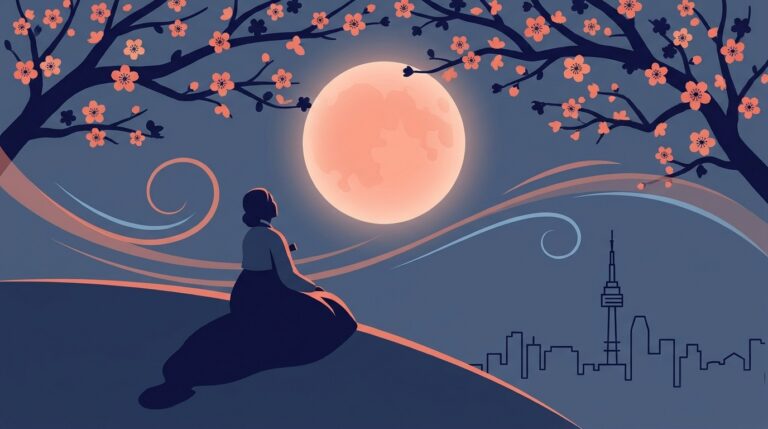
Hello! This is your Daily Hangul Editor. (안녕하세요! 매일한글 에디터입니다.) Have you ever watched a historical K-Drama where the hero gazes at a stormy sky and whispers to fate itself? Or cried along to a K-Pop ballad begging time to stand still? Even at TOPIK Level 6, many advanced learners tell us their essays sound flat compared to the poetic punch of native speakers. While Parallelism and Inversion shape a sentence’s rhythm, Apostrophe—known in Korean as 돈호법 (donhobeop)—is what breathes soul into it by calling out to abstract concepts or absent loved ones as if they were standing right beside you. Built from real feedback from our advanced learners, this guide will help you command Korean emotional drama like a true poet.
Phase 2: Top 3 Core Expressions Deep Dive
To master Korean Apostrophe (돈호법 / donhobeop), you need to understand how Korean vocative particles (-여/-이여 vs. -아/-야) instantly transform an invisible concept into a living character. Here are the three most powerful expressions to elevate your Level 6 repertoire:
1. 오, 자유여! (O, jayuyeo! – O, freedom!)
- Pronunciation: [O, ja-yu-yeo!] (Imagine saying “Oh, yah-yoo-yuh” with a deep, theatrical exhale, as if standing on a windswept stage.)
- Meaning: Literally “Oh, freedom!” — In nuance, it is deeply solemn, reverent, and urgent, invoking an abstract ideal as if it were a sacred presence listening to your plea.
- K-Culture Moment: Frequently heard in Korean independence-era dramas, passionate historical speeches, or soaring musical theater monologues when characters sacrifice everything for liberty.
- Editor’s Insight: Adding
-여(after a vowel) or-이여(after a consonant) is the gold standard of literary donhobeop. Unlike everyday vocatives, it places the addressee on a noble pedestal, pairing effortlessly with Parallelism (대구법) or Climax (점층법) to build thunderous rhetorical momentum.- Situation Spectrum: Casual 🚫 (Way too melodramatic over iced Americanos!) | Semi-formal ⚠️ (Only works for witty, tongue-in-cheek exaggeration) | Formal ✅ (Essential for speeches, literature, essays, and stage performance)
- 🤔 Think About It: In English, starting a sentence with “O Time!” often sounds archaic or Shakespearean, whereas Korean
-여/-이여remains a living powerhouse in modern songs and civic speeches. How does your native language summon abstract ideals without sounding outdated?2. 야속한 세월아, 제발 멈추어라 (Yasokhan sewora, jebal meomchueora – Heartless time, please stop)
- Pronunciation: [Ya-so-kan se-wo-ra, je-bal meom-chu-eo-ra] (Notice how yasokhan sharpens into a clean “k” like “ya-so-kahn”, while sewora glides smoothly like “seh-waw-rah”.)
- Meaning: Literally “Unsympathetic years, please halt” — In nuance, it carries a bittersweet blend of resentment and intimate affection toward passing time.
- K-Culture Moment: A staple in soulful Korean Trot music, nostalgic K-Drama family scenes, and heartfelt letters written by aging parents.
- Editor’s Insight: Notice the magic trick here: using the casual vocative
-아(normally reserved for children or close friends) on sewol (time) collapses cosmic distance. You aren’t praying to a distant god; you are scolding time like a stubborn friend who refuses to wait up for you.- Situation Spectrum: Casual ✅ (Perfect for poetic venting with close friends) | Semi-formal ✅ (Works beautifully in reflective essays and songs) | Formal ⚠️ (A bit too colloquial for academic or legal prose)
- 🤔 Think About It: Korean lets you address “time” or “fate” with the exact same suffix you use for a younger sibling. Does your language allow that kind of casual, personal intimacy with invisible forces?
3. 그대여, 들리는가 (Geudaeyeo, deullineunga – Beloved, do you hear me?)
- Pronunciation: [Geu-dae-yeo, deul-li-neu-nga] (Form geu like the “u” in “uh” with relaxed flat lips, glide into “deh-yuh”, and end with a resonant nasal “ng-gah” like in “sing-ah”.)
- Meaning: Literally “You, is it heard?” — In nuance, it conveys haunting longing and bijeongmi (tragic beauty) directed toward an absent lover, lost youth, or silent audience.
- K-Culture Moment: Iconic in Korean indie-folk anthems, dramatic cliffside parting scenes, and lyrical tributes to someone who has passed away or moved far away.
- Editor’s Insight: Combining the poetic pronoun 그대 (geudae) with
-여and the literary question ending-는가creates an instant rhythmic cadence. Flip the word order using Inversion (도치법)—”들리는가, 그대여 (Deullineunga, geudaeyeo)”—and the emotional echo doubles!- Situation Spectrum: Casual 🚫 (Unless you are serenading your partner as a joke) | Semi-formal ⚠️ (Great for creative storytelling) | Formal ✅ (Ideal for poetry, lyrics, and ceremonial tributes)
- 🤔 Think About It: English largely retired “thou” and “thee,” leaving only “you” for both texts and sonnets. Korean preserves 그대 (geudae) specifically for song and verse. What special words does your language guard exclusively for longing?
Phase 3: Textbook Korean vs. Real Korean
Even at Level 6, textbook Korean tends to report emotions from the outside, whereas real Korean speakers jump straight inside the emotion using Apostrophe (돈호법)—sometimes with cinematic solemnity, and sometimes with hilarious self-deprecating humor!
- Situation 1: Complaining about Monday morning exhaustion
- 📖 Textbook Korean: 피곤함이 너무 심해서 아무것도 하기 싫습니다. (Pigonhami neomu simhaeseo amugeotdo hagi silseumnida. – My fatigue is so severe that I do not want to do anything.)
- 🗣️ Real Korean: 아, 월요일아… 제발 좀 사라져 줄래? (A, woryoira… jebal jom sarajyeo jullae? – Ah, Monday… could you please just disappear?)
- 💡 Why the difference?: Koreans love playfully hijacking donhobeop in daily office life. Instead of clinically describing your exhaustion, calling out “Monday” or “Sleep” directly with
-아/-야turns shared suffering into instant dark comedy.
- Situation 2: Expressing awe before majestic Korean scenery
- 📖 Textbook Korean: 이 아름다운 자연 경관을 보니 마음이 웅장해집니다. (I areumdaun jayeon gyeonggwaneul boni maeumi ungjanghaejimnida. – Looking at this beautiful natural scenery makes my heart feel grand.)
- 🗣️ Real Korean: 오, 설악산이여… 너는 어찌 이리도 변함이 없느냐! (O, Seoraksaniyeo… neoneun eojji irido byeonhami eomneunya! – O Mount Seorak… how can you remain so timelessly unchanged!)
- 💡 Why the difference?: While hiking or captioning travel photos, Koreans often channel Sageuk (historical drama) rhetoric on purpose. It blends genuine cultural awe with playful theatricality, transforming a flat travel sentence into a movie monologue.
Phase 4: K-Culture Deep Dive & Non-Verbal Manners
4-1. Nunchi (눈치) & Gestures
Using Apostrophe in spoken Korean requires sharp nunchi (social intuition) because your body language dictates whether people cry with you or laugh with you. In a serious poetry reading, funeral tribute, or dramatic speech, Koreans avoid big, restless arm waves. Instead, take a half-second breath before the vocative noun, ground your shoulders, drop your vocal pitch slightly, and lift your gaze just past the audience—as if speaking to the sky or the horizon. Conversely, when using ironic donhobeop at work—like sighing at a jammed printer, “프린터야, 오늘 왜 이러니? (Peurinteoya, oneul wae ireoni? – Printer, why are you acting like this today?)”—resting one hand on your forehead with a wry smile signals to coworkers that you are venting playfully, not actually losing your cool.
4-2. Cultural Code Analysis: K-Poetry & K-Pop Lyricism
To truly understand why Koreans adore donhobeop, look at the aesthetic concept of 비장미 (bijeongmi / tragic beauty) and 여운 (yeoun / lingering resonance). From iconic 20th-century poets like Yoon Dong-ju whispering to the stars and wind, to modern K-Pop lyrics addressing “Youth” (청춘아 / cheongchuna) or “Memories” (추억이여 / chueogiyeo) as departing friends, Korean lyricism rarely treats nature or time as passive wallpaper. By calling out to the silent universe, a speaker breaks out of isolation and invites the listener into a shared emotional sanctuary.
Phase 5: Interactive Roleplay Scenario
Setting: Midnight on the rooftop of a cozy indie theater in Daehangno (대학로), Seoul’s historic theater district. A gentle autumn breeze rustles script pages across a wooden table.
Characters: Ji-hoo (지후), a passionate playwright stuck on his play’s tragic finale, and You, his sharp bilingual friend and literary advisor.
- Ji-hoo: 이 마지막 독백이 왜 이렇게 밋밋하게 들릴까? (I majimak dokbaegi wae ireoke minmithage deullilkka? – Why does this final monologue sound so flat?) 🎭 Slumps back in his folding chair, staring blankly at his laptop.
- You: 감정선은 완벽한데, 주인공이 혼자 벽 보고 말하는 느낌이야. (Gamjeongseoneun wanbyeokhande, juingongi honja byeok bogo malhaneun neukkimiya. – The emotional arc is great, but it feels like the protagonist is just talking to a wall.) 🎭 Leans forward, tapping the printed script.
- Ji-hoo: 그럼 대구법이랑 점층법을 더 넣어 볼까? (Geureom daegubeobirang jeomcheungbeobeul deo neoeo bolkka? – Then should I add more parallelism and climax?)
- You: 리듬도 중요하지만, 차라리 그 부재하는 대상을 직접 불러 봐. (Rideumdo jungyohajiman, charari geu bujaehaneun daesangeul jikjeop bulleo bwa. – Rhythm matters, too, but try calling out directly to the absent target instead.) 🎭 Points up toward the Seoul night sky.
- Ji-hoo: 아, 돈호법! ‘사랑이 사라졌다’ 대신 ‘오, 식어 버린 사랑이여!’라고 부르면 어때? (A, donhobeop! ‘Sarangi sarajyeotda’ daesin ‘O, sigeo beorin sarangiyeo!’rago bureumyeon eottae? – Ah, apostrophe! Instead of ‘Love disappeared,’ what if he calls out ‘O, love that has grown cold!’?) 🎭 Eyes widen as he sits upright.
- You: 훨씬 극적이야! 거기에 도치법까지 살짝 섞으면 전율이 돋을걸? (Hwolssin geukjeogiya! Geogie dochibeopkkaji saljjak seokkeumeon jeonyuri dodeulgeol? – Way more dramatic! If you mix in a touch of inversion there, it’ll give people chills!)
- Ji-hoo: 그럼 이렇게 해 보자. “대답해 다오, 침묵하는 운명이여!” 어때? (Geureom ireoke hae boja. “Daedaphae dao, chimmukhaneun unmyeongiyeo!” Eottae? – Let’s try this then: “Answer me, silent destiny!” How is that?) 🎭 Stands up dramatically, gripping the script with both hands.
- You: 소름 돋았어! 이제 관객들이 숨죽이고 집중할 거야. (Soreum dodasseo! Ije gwangaekdeuri sumjugigo jipjunghal geoya. – I got goosebumps! Now the audience will hold their breath and lock right in.) 🎭 Claps softly with a proud grin.
🔀 Interactive Branching Point: Ji-hoo asks for one last closing line before the curtain falls. What do you suggest?
- A) “시간아, 이제 그만 자러 가라.” (Sigana, ije geuman jareo gara. – Time, go to sleep now.)
- B) “오, 덧없는 청춘이여, 불꽃처럼 타오르라!” (O, deodeomneun cheongchuniyeo, bulkkocherom taoreura! – O, fleeting youth, burn bright like a flame!)
- C) “관객 여러분, 이제 집에 가셔도 됩니다.” (Gwangaek yeoreobun, ije jibe gasyeodo doemnida. – Dear audience, you may go home now.)
Feedback:
* Choice A (Risk): Using casual-아with “go to sleep” sounds endearing and quirky—great for an indie comedy, though it breaks the tragic tension of a serious drama!
* Choice B (Best!): Absolute perfection. It pairs elevated vocative-이여(apostrophe) with vivid imagery to deliver unforgettable bijeongmi (tragic beauty) right at the curtain call.
* Choice C (Bad): Polite and practical, yes, but it completely shatters the fourth wall and kills the poetic atmosphere!
Phase 6: 10-Second Emotion Shadowing Drill
Read each line aloud, pausing briefly at every / mark to let the resonance hang in the air!
- [😢 비장하고 애절하게 – Solemnly & wistfully]
- 오, 야속한 세월이여 / 왜 이리도 / 무심히 흘러만 가는가.
- (O, yasokhan seworiyeo / wae irido / musimhi heulleoman ganeunga.)
- O, heartless years / why do you / keep flowing by so indifferently.
- [🔥 결연하고 웅장하게 – Resolutely & grandly]
- 깨어나라 / 잠든 영혼들이여 / 새벽이 오고 있다!
- (Kkaeeonara / jamdeun yeonghondeuriyeo / saebyeogi ogo itda!)
- Awaken / O sleeping souls / the dawn is coming!
- [😜 능청스럽고 유쾌하게 – Playfully & dramatically]
- 아, 내 통장 잔고야 / 도대체 / 어디로 도망간 거니?
- (A, nae tongjang jangoya / dodaeche / eodiro domanggan geoni?)
- Ah, my bank balance / where on earth / did you run away to?
Phase 7: K-Culture Mini Dictionary (4 Keywords)
- 돈호법 (Donhobeop) | Apostrophe | Essential rhetorical term in Korean literature classes, essay critiques, and lyrical analyses.
- 비장미 (Bijeongmi) | Tragic beauty / Sublimity | Used by film critics, drama fans, and readers to praise noble sorrow in characters who fight against fate.
- 의인화 (Uiinhwa) | Personification | Frequently paired with donhobeop in K-Pop lyrics and marketing copy when giving human emotions to objects or seasons.
- 여운 (Yeoun) | Lingering emotional resonance | One of the highest compliments you can give a Korean movie, novel, song, or speech.
Phase 8: Survival Kit for Travelers
Whether you are browsing a bookstore in Gwanghwamun or catching a play in Daehangno, keep these three gems handy:
- 이 대사가 너무 여운이 남아요. (I daesaga neomu yeouni namayo. – This line leaves such a deep lingering feeling.)
- Pro Tip: Say this after watching a musical or indie film with Korean friends—they will be floored by your nuanced Level 6 vocabulary!
- 시집 코너가 어디에 있나요? (Sijip koneoga eodie innayo? – Where is the poetry collection section?)
- Pro Tip: Use this at Kyobo Book Centre to discover bilingual Korean poetry books by Yoon Dong-ju or Kim So-wol.
- 오, 나의 지갑이여… 미안해. (O, naui jigabiyeo… mianhae. – O, my wallet… I’m sorry.)
- Pro Tip: Drop this playfully at a cute stationery shop or skincare counter in Seongsu-dong to win instant smiles from friends and staff alike.
Editor’s Travel Note: Navigating Seoul’s literary spots like Daehangno’s Marronnier Park or Yun Dong-ju Literature Museum is effortless if you Download the Naver Map App beforehand, since Google Maps has limited walking directions in Korea. Before hopping on Subway Line 4 to Hyehwa Station (Daehangno), grab a T-money card at any convenience store or Check the Seoul Subway Transit Guide so you can tap in smoothly with zero hassle.
Phase 9: “One Step Deeper” (Thought Question)
Because Korean is built on an intricate hierarchy of speech levels (높임말 / nopimmal), Apostrophe (돈호법) does something English simply cannot replicate: it forces the speaker to define their exact spiritual rank relative to the universe. When you attach -여/-이여, you bow your head before fate, freedom, or the dead; when you attach -아/-야, you pull time, seasons, or even your own tired heart down to eye level like an old friend. Every vocative ending becomes an emotional compass—revealing whether you feel humble awe, tender intimacy, or playful rebellion toward life itself.
💬 Your Turn: If you could address one abstract concept or silent object in Korean right now—using either solemn -여/-이여 or friendly -아/-야—what would it be, and what would you say to it? Drop your poetic line in the comments!
Phase 10: FAQ & Common Mistakes
Q: Can I use -여/-이여 when calling a real friend in everyday conversation?
A: Unless you are joking in a wildly theatrical way, avoid it! Calling your friend “민수여! (Minsuyeo!)” over lunch sounds like you are casting a spell or performing a Shakespearean tragedy. Stick to -아/-야 for friends and -씨/-님 for polite social contexts.
Q: What is the exact difference between Apostrophe (돈호법) and Personification (의인화)?
A: Great Level 6 question! Uiinhwa (personification) gives human traits to non-human things (e.g., “The wind whispered”), while donhobeop (apostrophe) directly turns and speaks to that thing or absent person (e.g., “O wind, stop blowing!”). They often team up together in Korean poetry.
Q: Does Apostrophe combine well with Inversion (도치법) or Parallelism (대구법)?
A: Yes! Calling out the addressee at the end of a sentence—”잊지 않으리라, 그날의 눈물이여! (Itji aneurira, geunarui nunmuriyeo! – I shall not forget, O tears of that day!)”—blends donhobeop and dochibeop (inversion) for maximum dramatic punch.
🚨 Common Mistakes & How to Fix Them
- Mixing up
-여and-이여: Saying 세월여 (sewolyeo) after a consonant feels awkward to pronounce. Correct Action: Use-이여after consonants (세월이여,운명이여) and-여after vowels (자유여,그대여). - Overusing it in business emails: Writing “오, 팀장님이여” in a corporate report will shock your boss! Correct Action: Reserve literary donhobeop for speeches, creative copywriting, poetry, or lighthearted banter with close peers.
- Forgetting the punctuation pause: Rushing straight past the vocative noun flattens the rhythm. Correct Action: Always place a comma (or exclamation mark) after the invoked subject and let your voice pause for half a beat.
Phase 11: Action Mission & Engagement
- 🥉 Bronze Mission (Solo Practice): Pick one inanimate object on your desk (your coffee mug, laptop, or alarm clock) and speak two contrasting Korean apostrophe lines aloud—one tragic using
-이여/-여, and one cheeky using-아/-야. - 🥈 Silver Mission (Share Online): Post a scenic photo from your week on social media with a dramatic Korean apostrophe caption like “오, 주말이여… 어찌 벌써 가는가! (O, jumariyeo… eojji beolsseo ganeunga! – O weekend… how do you leave so soon!)” and tag
@DailyHangul. - 🥇 Gold Mission (Real-Life Usage): Next time you chat with a Korean language partner or tutor, weave a playful apostrophe into conversation—like sighing at rainy weather or praising a delicious dish—and watch their delighted reaction!
🎮 K-Culture Mission: Listen to your favorite emotional K-Pop ballad or OST tonight and read the Korean lyrics closely. Can you spot a line where the singer calls out directly to 그대여 (geudaeyeo), 시간아 (sigana), or 청춘이여 (cheongchuniyeo)? Screenshot or note the phrase!
Phase 12: Interactive Quiz Challenge
Test your mastery of Korean Apostrophe (돈호법)!
- Situational Judgment: You are writing a solemn memorial tribute for a historical hero named 이순신 장군 (General Yi Sun-sin). Which vocative expression best conveys deep reverence and bijeongmi?
- A) 이순신 장군아!
- B) 이순신 장군이여!
- C) 이순신 장군씨!
- Fill in the Blank: Complete this poetic line addressed to an abstract concept ending in a vowel (평화 / pyeonghwa – peace):
- “오, 평화____, 이 땅에 영원히 머물러라!” (O, peace, remain eternally on this land!)
- True or False: In modern Korean, using
-아/-야to address abstract nouns like 월요일 (Monday) or 세월 (time) is considered grammatically illegal and never used by native speakers.
Click to Reveal Answers & Explanations
- 1. Answer: B (이순신 장군이여!) — Since 장군 (janggun) ends in a consonant,
-이여is required to create solemn, elevated reverence. (Tip: Option A is overly casual/disrespectful for a hero, and Option C is awkward and transactional in a memorial tribute!) - 2. Answer: 여 (평화여 / pyeonghwayeo) — Because 평화 (pyeonghwa) ends in a vowel (
ㅘ), attach-여directly without이. - 3. Answer: False! — Native speakers frequently attach
-아/-야to abstract nouns in songs, essays, and everyday humorous complaints to create emotional intimacy and vivid immediacy.
🎬 Watch Our Daily Videos! (Daily Hangul Official Instagram)
Review the expressions you learned in this article with our fun daily short videos! Check out native pronunciation and real-life nuances in action.
- Instagram @dailyhangul_en






