

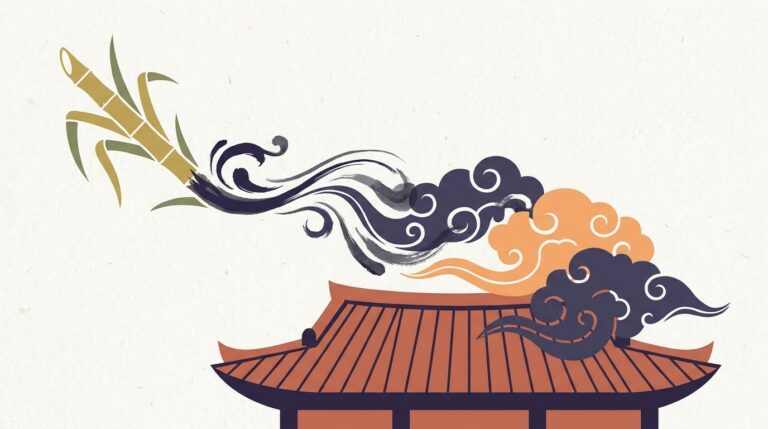
Phase 1: Why Your Korean Friend Just Called a Trainwreck “Fine Scenery”
안녕하세요! 매일한글 에디터입니다. (Hello! I’m your Daily Hangul Editor.) Picture this: you’re binge-watching a chaotic makjang K-drama with your Korean friend. Just when you think the plot can’t get wilder, a secret twin walks in. Your friend laughs dryly and says, “점입가경이네 (Jeomipgagyeong-ine).” Wait—didn’t your textbook define that as “gradually entering fine scenery”? Why use poetic praise for a total trainwreck? Based on feedback from C2 learners who struggled with this exact ironic twist, today we’ll unpack both the earnest beauty and razor-sharp sarcasm of 점입가경 so you can wield it like a native.
Phase 2: 3 Key Expressions Deep Dive
1. 점입가경이다 (Jeomipgagyeong-ida)
- Pronunciation:
jeom-ip-ga-gyeong-i-da(Think “jum-ip-gah-gyung-ee-dah,” with a crisp unreleased “p” stop before “g”—like saying “cupcake” without puffing air on the “p.”)- Meaning: Literally “to gradually enter the finest scenery” (inspired by Jin Dynasty painter Gu Kaizhi eating sugarcane from the dry tip toward the sweeter root). Nuance: Depending on tone, it either praises art/nature getting progressively richer OR mocks an escalating disaster.
- K-Culture Moment: On Korean variety shows like I Live Alone, when a celebrity’s DIY cooking fails and they accidentally set off the smoke alarm while dropping an egg, editors slap giant flashing subtitles reading
점입가경 (Jeomipgagyeong — going from bad to absurd)across the screen.- Editor’s Insight: Unlike English “snowballing,”
점입가경carries a literary rhythm. Using it sarcastically makes you sound like an amused, detached observer watching chaos unfold like a fine tragedy.- Situation Spectrum: Casual ✅ | Semi-formal ✅ | Formal ⚠️ (Earnest literary praise works in formal speeches; ironic use should be avoided toward superiors unless quoting media.)
- 🤔 Think About It: In English, you rarely quote 4th-century aesthetics just to roast your friend’s dating life. Why do Koreans love wrapping stinging criticism in classical elegance?
2. 갈수록 가관이다 (Galsurok gagwan-ida)
- Pronunciation:
gal-su-rok ga-gwan-i-da(“gahl-soo-rohk gah-gwahn-ee-dah,” with the “r” in surok tapped lightly against the roof of your mouth, similar to the “tt” in American English “butter.”)- Meaning: Literally “the further it goes, the more it’s a sight to see.” Nuance: Unlike
점입가경, this expression has almost completely shed its positive origin and is used strictly for exasperated sarcasm—”This is getting more ridiculous by the minute.”- K-Culture Moment: In a tense boardroom scene of a chaebol drama like Reborn Rich, when an incompetent heir tries to cover up embezzlement with an even worse lie, the patriarch mutters, “갈수록 가관이군 (Galsurok gagwan-igun — What an escalating spectacle).”
- Editor’s Insight: Think of
갈수록 가관이다as the cynical sibling of점입가경. If you want zero ambiguity that you are criticizing something rather than admiring it, choose this phrase.- Situation Spectrum: Casual ✅ | Semi-formal ⚠️ | Formal 🚫 (Too blunt and biting for polite formal settings unless you hold authority.)
- 🤔 Think About It: How does shifting from a balanced word (
점입가경) to a verdict-heavy word (가관) mirror how English speakers shift from “interesting” to “pathetic”?3. 사태가 점입가경으로 치닫다 (Sataega jeomipgagyeong-euro chidatda)
- Pronunciation:
sa-tae-ga jeom-ip-ga-gyeong-eu-ro chi-dat-da(“sah-teh-gah… chee-daht-dah,” puffing a sharp burst of air on “chi,” like “cheese” spoken with urgency.)- Meaning: Literally “the situation races toward an escalating climax.” Nuance: High-register, journalistic C2 phrasing used when a public scandal, political debate, or corporate crisis spirals out of control.
- K-Culture Moment: Korean news anchors and film critics use this exact collocation when reviewing gripping thrillers like Parasite—or when covering real-life entertainment agency disputes that unveil new twists every morning.
- Editor’s Insight: The verb
치닫다 (chidatda — to dash/escalate headlong)injects breathless momentum. Pairing it with점입가경elevates your Korean immediately to newspaper-editorial fluency.- Situation Spectrum: Casual ⚠️ (sounds dramatic, funny with close friends) | Semi-formal ✅ | Formal ✅
- 🤔 Think About It: English media often uses “spiral out of control” (downward motion), whereas
치닫다implies rushing upward or forward to a peak. How does that metaphor change your mental image of a crisis?
Phase 3: Textbook Korean vs. Real Korean
Situation 1: Praising an Indie Band or Film That Keeps Exceeding Expectations
- 📖 교과서 한국어 (Textbook Korean): 공연이 진행될수록 수준이 점점 더 높아집니다. (
Gongyeon-i jinhaengdoelsurok sujun-i jeomjeom deo nopajipnida.— As the performance progresses, the quality keeps getting higher.) - 🗣️ 진짜 한국어 (Real Korean): 야, 이 밴드 라이브 진짜 점입가경이다. 앵콜에서 완전 미쳤어. (
Ya, i baendeu raibeu jinjja jeomipgagyeong-ida. Aengkol-eseo wanjeon michyeosseo.— Dude, this band’s live set just keeps getting better and better. They went completely insane on the encore.) - 💡 왜 다를까? (Why is it different?): Textbook Korean separates time (
진행될수록) and evaluation (높아집니다) clinically. Real C2 speakers compress the entire upward arc of delight into점입가경—and yes, using미쳤다 (crazy)alongside a classical idiom is peak modern Korean contrast!
Situation 2: Reacting to a Messy Friend-Group Drama Unfolding in a Group Chat
- 📖 교과서 한국어 (Textbook Korean): 문제가 해결되기는커녕 시간이 지날수록 더 복잡해지고 있습니다. (
Munjega haegyeoldoegineun-konyeong sigan-i jinalsurok deo bokjaphaejigo itseupnida.— Far from being resolved, the problem is growing more complicated over time.) - 🗣️ 진짜 한국어 (Real Korean): 아니, 카톡방 지금 완전 점입가경이야. 팝콘 뜯어야 돼. (
Ani, Katokbang jigeum wanjeon jeomipgagyeong-iya. Papkon tteudeoya dwae.— Seriously, the KakaoTalk chat right now is peak escalating chaos. Break out the popcorn.) - 💡 왜 다를까? (Why is it different?): In real social bonding, Koreans love framing messy gossip as a theatrical show (
가경, fine scenery). Comparing a friend’s drama to an entertaining movie lets everyone laugh without sounding overly malicious.
Phase 4: K-Culture Deep Dive & Non-Verbal Manners
4-1. 눈치 (Nunchi) & Gestures
Because 점입가경 swings between sincere admiration and biting sarcasm, delivery is 90% of the meaning:
* Earnest Praise: Lean slightly forward, maintain warm eye contact, and give a slow, genuine nod. Lower your pitch slightly on 가경 to sound deeply moved—almost savoring the moment like Gu Kaizhi’s sugarcane.
* Ironic Roast: Avoid aggressive pointing or eye-rolling in semi-formal spaces. Instead, Koreans use a subtle deadpan sigh, a brief half-smile (헛웃음, heotuseum), or tilt their chin slightly downward while shaking their head once. That understated restraint makes the irony land twice as hard.
4-2. Cultural Code Analysis: K-Drama & K-Variety
Korean storytelling thrives on escalation (고조, gojo). In prestige K-Cinema—think Bong Joon-ho’s Parasite or Park Chan-wook’s Decision to Leave—critics sincerely call the third-act tonal shifts 점입가경 because every layer peels back a deeper truth. Conversely, in makjang dramas (and K-Variety dating shows like Transit Love), viewers embrace 점입가경 as a badge of honor for guilty-pleasure chaos: the more outrageous the twist, the sweeter the entertainment.
Phase 5: Practical Roleplay Scenario
Setting: A dimly lit craft beer pub in Euljiro (“Hipjiro”), Seoul. Rain taps against vintage glass windows. Across from you sits Ji-hoon (지훈), a sharp-tongued Korean screenwriter friend, swirling his glass after you both just watched an avant-garde indie movie.
- Ji-hoon: 영화 어땠어? 난 솔직히 초반엔 좀 지루해서 나갈 뻔했잖아. (
Yeonghwa eottaesseo? Nan soljikhi choban-en jom jiruhaeseo nagal ppeonhaetjanha.— How was the movie? Honestly, it was so boring at first I almost walked out.) 🎭 Leans back, resting his chin on his palm. - You: 맞아요, 초반엔 잔잔했는데 후반부가 진짜 점입가경이었어요. (
Majayo, choban-en janjanhaenneunde hubanbuga jinjja jeomipgagyeong-ieosseoyo.— True, the beginning was quiet, but the second half was a masterpiece that just kept getting better.) 🎭 Takes a sip of beer, eyes lighting up. - Ji-hoon: 오, 너도 그렇게 느꼈어? 마지막 20분 연출은 진짜 숨 막히더라. (
O, neodo geureoke neukkyeosseo? Majimak isipbun yeonchur-eun jinjja sum makhideora.— Oh, you felt that too? The directing in the last 20 minutes was genuinely breathtaking.) 🎭 Nods appreciatively, tapping the table. - You: 그러게요. 그런데 아까 우리 옆자리 커플 싸우는 거 들었어요? (
Geureogeyo. Geureonde akka uri yeopjari keopeul ssauneun geo deureosseoyo?— Right? By the way, did you hear the couple next to us arguing earlier?) 🎭 Lowers voice and leans in conspiratorially. - Ji-hoon: 아, 말도 마. 남자 쪽이 갑자기 전 여친 얘기를 꺼내더라니까? (
A, maldo ma. Namja jjog-i gapjagi jeon yeochin yaegireul kkeonaedeoranikka?— Ugh, don’t even get me started. The guy suddenly brought up his ex-girlfriend!) - You: 설마요. 거기서 끝난 게 아니에요? (
Seolmayo. Geogiseo kkeutnan ge anieyo?— No way. It didn’t end there?) - Ji-hoon: 아니, 여자가 화나서 팝콘을 쏟더니 직원이랑도 말싸움했어. 완전 점입가경이었지. (
Ani, yeojaga hwanaseo papkon-eul ssotdeoni jigwon-irangdo malssaumhaesseo. Wanjeon jeomipgagyeong-ieotji.— Nope, the woman got mad, spilled her popcorn, and started arguing with the staff too. It was an absolute escalating circus.) 🎭 Gives a dry, disbelieving chuckle.
🔀 Interactive Branching Point: How do you reply to Ji-hoon’s last line?
- A) “진짜 갈수록 가관이었네요. 영화보다 그쪽이 더 스릴러였겠어요.” (
Jinjja galsurok gagwan-ieotneyo. Yeonghwaboda geujjog-i deo seurilleoyeotgesseoyo.— That really was a spectacle. That corner must’ve been more of a thriller than the movie.) - B) “와, 두 분이 정말 아름다운 경치를 보셨군요!” (
Wa, du bun-i jeongmal areumdaun gyeongchireul bosyeotgunyo!— Wow, you two must have seen some really beautiful scenery!) - C) “어머, 지훈 씨도 참 점입가경이네요!” (
Eomeo, Ji-hoon ssido cham jeomipgagyeong-ineyo!— Oh my, Ji-hoon, you’re quite a trainwreck too!)
Feedback:
* Option A (Best!): You nailed the C2 nuance! Pairing 갈수록 가관 with witty comparison matches Ji-hoon’s ironic tone effortlessly.
* Option B (Bad): Taking 점입가경 literally here confuses Ji-hoon completely—unless you’re trying to crack a dad joke about “scenery,” it misses the conversational cue.
* Option C (Risk!): Calling a person 점입가경 directly sounds like a personal insult (“you’re getting worse and worse”). Even with a close friend, apply it to situations (사태/분위기), not people, unless you’re teasing fiercely.
Phase 6: 10-Second Emotion Shadowing Drill
Read aloud using / for micro-pauses and match the emotional cue:
[✨ 감탄에 젖어 진지하게 / Deeply moved in earnest admiration]
초반보다 / 끝으로 갈수록 / 점입가경이네요. (Chobanboda / kkeuteuro galsurok / jeomipgagyeong-ineyo.— Compared to the start, the closer it gets to the end, the more magnificent it becomes.)[😮💨 어이없고 헛웃음 나듯 / Exasperated with a dry chuckle]
아니, / 이 집안은 / 하루가 멀다 하고 / 점입가경이야. (Ani, / i jiban-eun / haruga meolda hago / jeomipgagyeong-iya.— Honestly, this family just outdoes itself in chaos every single day.)[😒 냉소적이고 건조하게 / Cool, journalistic, and detached]
해명은커녕 / 거짓말만 늘어놓으니 / 사태가 점입가경으로 치닫고 있습니다. (Haemyeong-eun-konyeong / geojitmalman neureonoheuni / sataega jeomipgagyeong-euro chidatgo itseupnida.— Far from clarifying, they keep piling on lies, pushing the situation to an outrageous climax.)
Phase 7: K-Culture Mini Dictionary
- 고사성어 (
gosaseong-eo) | Classical Four-Character Idiom | Derived from ancient East Asian history or literature. Knowing when to drop a고사성어in Korean meetings or essays instantly signals elite C2-level cultural literacy. - 반어법 (
baneobeop) | Verbal Irony / Antiphrasis | Saying the exact opposite of what you mean for biting humor.점입가경is Korea’s favorite textbook example of how a sincere compliment morphs into반어법. - 가관 (
gagwan) | A Spectacle / Sight to Behold | Originally neutral (“worth watching”), today it almost always carries sarcastic disdain (가관이다= “what a circus”). - 용두사미 (
yongdusami) | Dragon Head, Snake Tail | The exact opposite of earnest점입가경! Used when a hyped K-drama starts brilliantly and ends in a disappointing fizzle.
Phase 8: Survival Kit for Travelers
Top 3 Survival Expressions
- 여긴 밤이 될수록 점입가경이네요! (
Yeogin bam-i doelsurok jeomipgagyeong-ineyo!— This place gets even more magical as night falls!) Pro Tip: Say this to a bartender or host at a scenic Hanok rooftop in Bukchon—locals will be blown away by your poetic Korean. - 설상가상으로 길까지 잃었어요. (
Seolsanggasang-euro gilkkaji ireosseoyo.— To make matters worse, I even got lost.) Pro Tip: If your travel day goes sideways,설상가상(frost on top of snow) is the practical distress cousin of ironic점입가경. - 끝맛이 훨씬 깊네요. (
Kkeutmas-i hwolssin gipneyo.— The finish/aftertaste is much deeper.) Pro Tip: Channel Gu Kaizhi’s sugarcane wisdom at a traditional tea house or makgeolli bar to compliment layered flavors!
Editor’s Travel Note
If you find yourself navigating Seoul’s tangled alleys where your itinerary threatens to become ironic 점입가경, skip Google Maps and rely on local tools: Download the Naver Map App for Accurate Korean Transit and Explore Official Korean Idiom Definitions at the National Institute of Korean Language. Keep a T-money card loaded at any convenience store (GS25 or CU) for seamless subway-to-bus transfers, and remember: Korea is a zero-tipping culture—a heartfelt “감사합니다 (Gamsahapnida — Thank you)” is the finest finish.
Phase 9: “One Step Deeper” (Thought Question)
In Korean high-context communication, preserving chemyeon (체면 — social face) often prevents speakers from launching blunt, confrontational insults in public. By borrowing four-character classical idioms (고사성어) rooted in Confucian literary heritage, Koreans wrap sharp social critique in a veneer of detached historical wisdom. Calling a chaotic scandal 점입가경 allows the speaker to deliver a devastating verdict without losing composure—turning raw frustration into cultivated wit. It is a linguistic shield and a scalpel all at once.
💬 Your Turn: Does your native language have an expression meant for beauty or growth that people now use sarcastically when things go wrong? Drop your favorite example in the comments!
Phase 10: FAQ & Myth-Busting
Q: Can I use 점입가경 in a formal job interview or business report?
A: Yes, but tread carefully! In formal reports, 점입가경으로 치닫다 is common in journalism when describing escalating crises, while positive 점입가경 works in arts or culture reviews. Never use it sarcastically about your company or boss.
Q: If someone tells me “분위기가 점입가경이네요,” are they complimenting the party or roasting it?
A: Check their non-verbal 눈치 (nunchi)! If they’re smiling warmly while a live jazz band plays, it’s high praise. If they’re glancing at two guests arguing over the check, it’s pure sarcasm.
Q: Is 점입가경 identical to 설상가상 (seolsanggasang)?
A: Not quite! 설상가상 (“frost on top of snow”) means unfortunate events piling up objectively. 점입가경 focuses on the progression of a spectacle—almost as if you’re watching the drama unfold stage by stage with morbid fascination.
🚨 Common Mistakes Warning Board
- Applying it directly to a person’s personality: Saying “민수 씨는 점입가경이에요” sounds awkwardly hostile. Correct Action: Apply it to a situation, atmosphere, or unfolding story (
상황이 점입가경이에요— The situation is escalating). - Assuming it’s always positive because of the Hanja
가(佳, fine/beautiful): Beginners often miss the sarcasm in K-drama subtitles. Correct Action: Always check the surrounding verbs—words like치닫다or가관usually signal irony. - Forgetting the
-로particle in formal collocations: Writing점입가경 치닫다drops the directional particle. Correct Action: Always attach으로(점입가경으로 치닫다).
Phase 11: Action Mission & Engagement
- 🥉 Bronze (Solo Practice): Record yourself saying both the earnest and ironic versions of
점입가경이네요in Phase 6, adjusting your facial expression and tone for each. - 🥈 Silver (Share on SNS): Screenshot a wild plot twist from a K-Drama or show you’re watching and post it with the caption: “오늘 회차 진짜 점입가경… (Today’s episode is truly next-level…)”
- 🥇 Gold (Real-World Use): Next time you talk with a Korean language partner about a gripping movie or a hilarious mishap, drop
점입가경naturally and watch their eyebrows shoot up in respect!
🎮 K-Culture Mission: Watch one episode of a Korean variety show (like Running Man or I Live Alone) with Korean captions turned on. Spot the exact moment the editor flashes 점입가경 on screen and analyze why that moment earned the label!
Phase 12: Interactive Quiz Challenge
Quiz 1 (Situational Judgment): Your Korean coworker looks at a client email chain where three different departments just sent contradictory apologies, sighs, and says: “이야, 점입가경이네.” What is the best reaction?
* A) “네, 정말 아름다운 풍경이네요!” (Yes, what a gorgeous landscape!)
* B) “그러게요, 갈수록 가관이네요.” (Tell me about it, it’s turning into quite a spectacle.)
* C) “축하드려요!” (Congratulations!)
Click to reveal Quiz 1 Answer & Explanation
Answer: B. Your coworker is using 점입가경 ironically to express exasperation at escalating corporate chaos. Replying with 갈수록 가관이네요 aligns perfectly with their frustration. Option A takes the Hanja literally (a classic trap!), and Option C misreads sarcasm as praise.
Quiz 2 (Fill in the Blank): Complete this formal news sentence: “논란이 해명되지 않고 ______ 치닫고 있다.” (The controversy remains unexplained and is racing toward an escalating climax.)
Click to reveal Quiz 2 Answer & Explanation
Answer: 점입가경으로 (jeomipgagyeong-euro). Notice how the directional particle 으로 is essential before the verb 치닫다!
Quiz 3 (True / False Culture Quiz): True or False: Just like 용두사미 (dragon head, snake tail), 점입가경 was originally coined to criticize stories that start strong and end terribly.
Click to reveal Quiz 3 Answer & Explanation
Answer: False. It’s the exact opposite! 점입가경 originated from Gu Kaizhi eating sugarcane from the dry tip toward the sweeter root—meaning things get richer and better as you go deeper. Its sarcastic usage developed later through verbal irony (반어법).
🎬 Watch Our Daily Videos! (Daily Hangul Official Instagram)
Review the expressions you learned in this article with our fun daily short videos! Check out native pronunciation and real-life nuances in action.
- Instagram @dailyhangul_en






