

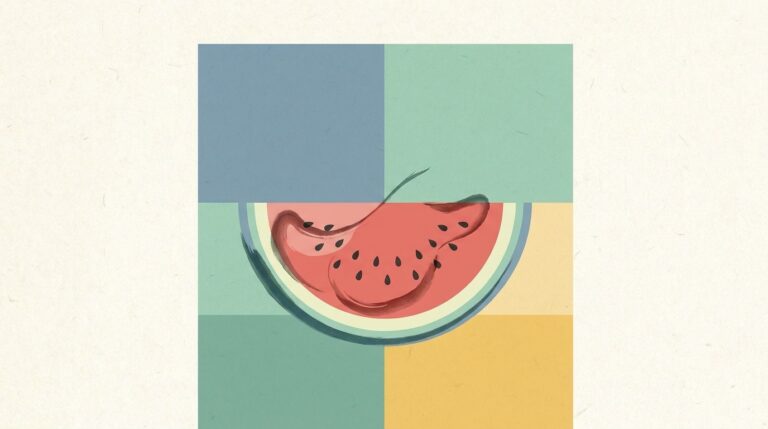
Stop Scratching the Surface: How to Critique Shallow Analysis in Korean Like a C1 Native
Phase 1: Empathy (Story-Driven Opening)
안녕하세요! 매일한글 에디터입니다. (Hello! I’m your Daily Hangul editor.)
Picture this classic K-Drama scene straight out of an intense boardroom drama like Reborn Rich or Queen of Tears: You have spent three days straight polishing an intricate market strategy deck for your Seoul office. You walk into the glass conference room, heart pounding against your ribcage, and deliver what you believe is an airtight presentation. Your colleagues nod along politely, but Team Leader Min—the sharp-eyed executive who misses nothing—slowly slides his glasses down his nose, flips directly to your conclusion slide, and murmurs quietly:
“이 기획안은 시장 데이터만 나열했을 뿐, 본질적인 고객 니즈 분석은 완전히 수박 겉 핥기 식이네요.”
(I gihoegan-eun sijang de-iteoman nayeolhaesseul ppun, bonjiljeogin gogaek nijeu bunseog-eun wanjeonhi subak geot hatgi sik-ineyo. / “This proposal merely lists market data; its analysis of fundamental customer needs completely skims the surface.”)
Your stomach drops. You understand every individual word—watermelon, outside, licking—yet the full sting of the critique leaves you momentarily paralyzed. In English, you might call something “superficial,” “scratching the surface,” or “missing the forest for the trees.” But in Korean business, academia, and high-level social discourse, delivering razor-sharp judgment requires far more cultural depth than saying dryly, “분석이 얕아요” (Your analysis is shallow).
Reaching the C1 level means moving past textbook descriptions. It is about acquiring the perspicacity (통찰력) to critique fragmented reasoning, expose intellectual blind spots, and diagnose flawed strategies with elegance and precision. Based on feedback from hundreds of advanced learners who have stumbled during executive meetings, university seminars, or passionate debates over Korean cinema, this guide will unlock the nuanced metaphors Koreans use when someone looks at the wrapping paper and completely misses the gift inside. Let’s dive deep—no surface skimming allowed!
Phase 2: Core Expressions (In-Depth Analysis)
1. 수박 겉 핥기 (Subak geot hatgi)
- Pronunciation: [Subak geot hat-gi] (Intuitive sound: “Soo-bahk gut haht-gee” — snap the final ‘t’ crisply without releasing breath)
- Meaning:
- Literal: Licking the tough skin/rind of a watermelon.
- Nuance: Engaging with an issue so superficially that you never taste the sweet red flesh inside. It critiques rushed learning, half-baked research, or token compliance that fails to grasp the real essence.
- K-Culture Moment: In investigative dramas like Stranger (비밀의 숲), when a corrupt committee rushes an audit to cover up systemic fraud, the unyielding prosecutor Hwang Si-mok calls the inquiry a “수박 겉 핥기 식 수사” (a cosmetic, surface-skimming investigation).
- Editor’s Insight: Watermelon rinds are bitter, thick, and tasteless. When you nominalize this into “수박 겉 핥기 식(式)” (watermelon-rind-licking style), you are criticizing an entire flawed methodology. It implies: “You spent all that effort chewing on the rind and walked away claiming you know what watermelon tastes like.”
- Situation Spectrum: Casual ✅ | Semi-formal ✅ | Formal ✅ (Universally accepted across coffee chats, academic peer reviews, and national assembly hearings)
- 🤔 Think About It: English says “just scratching the surface.” But why did agrarian Korean society reach for a watermelon? Consider how impenetrable the green striped shell looks compared to the delicate sweetness concealed within.
2. 장님 코끼리 만지기 (Jangnim kokkiri manjigi)
- Pronunciation: [Jangnim kokkiri manjigi] (Intuitive sound: “Jahng-neem koh-kkee-ree mahn-jee-gee”)
- Meaning:
- Literal: A blind person touching an elephant.
- Nuance: Generalizing a complex, multifaceted reality based solely on one isolated, subjective encounter. Mistaking a single part for the comprehensive whole.
- K-Culture Moment: Seen in debate panel shows like Crime Chief (사건반장) or intellectual roundtables when rival analysts argue over economic trends using cherry-picked statistics. One analyst will counter: “그 데이터 하나로 전체 경기를 진단하는 건 장님 코끼리 만지기입니다.” (Diagnosing the entire economy with that single data point is like the blind touching the elephant.)
- Editor’s Insight: Derived from the ancient Buddhist parable, this expression carries intellectual weight. It does not critique malice; it critiques dogmatic limitation. It warns someone: “You touched the tail and called it a rope; step back and look at the entire beast.”
- Situation Spectrum: Casual ⚠️ (can sound overly philosophical or dramatic in light banter) | Semi-formal ✅ | Formal ✅
- 🤔 Think About It: How does this idiom promote intellectual humility in modern Korean corporate teamwork, where consensus-building (합의) is prioritized over individual gut instinct?
3. 숲을 보지 못하고 나무만 보다 (Supeul boji mothago namuman boda)
- Pronunciation: [Supeul boji mothago namuman boda] (Intuitive sound: “Soop-eul boh-jee moht-tah-goh nah-moo-mahn boh-dah”)
- Meaning:
- Literal: Failing to see the forest and looking only at a single tree.
- Nuance: Hyper-fixating on trivial micro-details or operational bottlenecks while losing complete track of the overarching strategic vision.
- K-Culture Moment: In agency and start-up dramas like Start-Up, when developers obsess over tweaking an algorithm button’s pixel padding for three days while forgetting their burn rate and pitching deadline.
- Editor’s Insight: This serves as the ultimate constructive pivot. If “수박 겉 핥기” diagnoses superficiality, “숲을 보지 못하다” diagnoses misplaced focus. You can gently redirect a colleague by saying: “나무만 보지 말고 큰 숲을 그려보세요” (Don’t just fixate on the individual tree; sketch out the great forest).
- Situation Spectrum: Casual ✅ | Semi-formal ✅ | Formal ✅
- 🤔 Think About It: Why does Korean leadership evaluate executives based on whether they are “숲을 보는 안목” (an eye that perceives the forest)?
Phase 3: Textbook Korean vs. Real Native Korean
Situation 1: Critiquing an incomplete, buzzword-heavy presentation
- 📖 교과서 한국어 (Textbook Korean):
“이 발표는 깊은 내용이 없고 피상적입니다.”
(I balpyoneun gipeun naeyong-i eopgo pisangjeogimnida. / “This presentation lacks deep content and is superficial.”) - 🗣️ 진짜 한국어 (Real Native Korean):
“트렌드 키워드는 화려한데, 실질적인 알맹이가 빠진 수박 겉 핥기 식 보고서 같아요.”
(Teurendeu kiweodeuneun hwaryeohande, siljiljeogin almaeng-iga ppajin subak geot hatgi sik bogoseo gatayo. / “The trend keywords are flashy, but it feels like a surface-skimming report that dropped the actual core substance.”) - 💡 왜 다를까? (Why the difference?): Saying “피상적이다” (superficial) sounds like you are reading a translation of a Western textbook. Native professionals use vivid idiomatic pairing: pairing the tactile noun 알맹이 (edible kernel/core substance) with 수박 겉 핥기 식 to immediately highlight the contrast between flashiness and substance.
Situation 2: Warning a team member who is jumping to conclusions after one meeting
- 📖 교과서 한국어 (Textbook Korean):
“당신은 전체 상황을 알지 못하고 일부만 알고 있습니다.”
(Dangsineun jeonche sanghwang-eul alji mothago ilbuman algo itseumnida. / “You do not know the whole situation and know only a part.”) - 🗣️ 진짜 한국어 (Real Native Korean):
“그 거래처 한 번 만나보고 판단하는 건 장님 코끼리 만지기가 될 수 있어요. 히스토리를 더 파악해 보죠.”
(Geu georaecheo han beon mannabogo pandanhaneun geon jangnim kokkiri manjigi-ga doel su isseoyo. Hiseutorireul deo pa-akhae bojyo. / “Judging that client after a single meeting risks touching an elephant blindfolded. Let’s uncover more of their background history.”) - 💡 왜 다를까? (Why the difference?): Using “당신” (you) or telling someone directly “you do not know” is confrontational and damages group harmony (화합). Invoking the classical metaphor transforms a personal attack into an objective analytical caution.
Phase 4: K-Culture Deep Dive & Non-Verbal Manners
4-1. 눈치 (Nunchi) & Gestural Etiquette
Critiquing someone’s intellectual depth in Korean culture is a high-wire act of social grace (Nunchi). When calling an analysis “수박 겉 핥기” or “장님 코끼리 만지기,” never point with an outstretched index finger or stare directly with hardened eyes—that turns a professional observation into an intolerable personal insult.
* The Head Tilt (고개 갸웃): Tilt your head slightly (about 15 degrees) and gently rest two fingers under your chin in a posture of shared deliberation. This signals: “I am not attacking you; we are both standing together examining this puzzle.”
* The Softening Buffer Suffix: Always cushion the idiom with hedging endings:
* “~인 감이 없지 않네요” (There is a slight feeling of that, isn’t there)
* “~식으로 흐를까 봐 우려됩니다” (I worry it might drift into becoming superficial)
4-2. Cultural Code: The Obsession with “본질 (Bonjil – The Essence)”
Why are Korean intellectuals, directors, and tech innovators so obsessed with exposing superficiality? Modern Korea has undergone blindingly fast compressed development (압축성장). Because trends, fads, and aesthetic copycats rise and perish overnight in Seoul, people have developed a sharp cultural allergy to things that look polished on the outside but hollow on the inside. Whether it’s evaluating a new K-beauty brand’s active formulation, reviewing an Oscar-nominated film script, or executing corporate strategy, asking “본질이 무엇인가?” (What is the true essence?) separates true masters from short-lived imitators.
Phase 5: Real-World Roleplay Scenario
Setting: 9:45 PM in an ambient Yeouido office. Empty coffee cups litter the oak conference table.
Characters:
* 팀장 민우 (Team Lead Min-woo): Sharp, demanding, yet deeply invested in mentoring his strategists.
* 줄리안 (Julian – You): Senior Brand Strategist presenting a consumer feedback audit for a new global launch.
[Scene Start]

팀장 민우: 🎭 (미간을 살짝 찌푸리며 보고서 인쇄물을 넘긴다)
"줄리안 씨, 설문조사 만족도 85% 나온 건 알겠는데... 소비자들이 왜 이 기능을 쓰는지에 대한 분석은 어디 있죠?"
(Julian-ssi, seolmunjosa manjokdo 85% naon geon algetneunde... sobijadeuri wae i gineung-eul sseuneunji-e daehan bunseog-eun eodi itjyo? / "Julian, I see the 85% satisfaction rating on the survey... but where is the analysis on why consumers actually use this feature?")

줄리안: 🎭 (태블릿을 가리키며 열정적으로 대답한다)
"단순 객관식 데이터만 봐도 20대 유저 유입이 늘어난 게 명확해서, 일단 이 수치 위주로 정리했습니다!"
(Dansun gaekgwansik de-iteoman bwado isipdae yujeo yuib-i neureonan ge myeonghwakhaeseo, ildan i suchi wijuro jeongnihaessumnida! / "Just looking at the multiple-choice data shows a clear surge in users in their 20s, so I organized it around these numbers for now!")

팀장 민우: 🎭 (펜을 탁자에 내려놓고 나지막이 한숨을 쉰다)
"음... 유저 수치만 집계하는 건 솔직히 수박 겉 핥기 식 접근이에요. 숫자는 현상일 뿐이잖아요."
(Eum... yujeo suchiman jipgyehaneun geon soljikhi subak geot hatgi sik jeopgeun-ieyo. Sutjaneun hyeonsang-il ppun-ijanhayo. / "Hmm... tallying user counts alone is frankly a surface-skimming approach. Numbers are merely the outward phenomenon.")

줄리안: 🎭 (가슴이 뜨끔하지만 침착함을 유지한다)
"아... 제가 겉으로 드러난 지표에만 매몰되었던 것 같습니다."
(A... jega geoteuro deureonan jipyoe-man maemoldoeeotdeon geot gatseumnida. / "Ah... it seems I was overly absorbed solely in the surface-level metrics.")

팀장 민우: 🎭 (고개를 끄덕이며 진지한 눈빛으로 바라본다)
"맞아요. 심층 인터뷰나 정성적 맥락 없이 정량 데이터만 보면, 결국 장님 코끼리 만지기 꼴이 됩니다."
(Majayo. Simcheung inteobyuna jeongseongjeok maengnak eopsi jeongnyang de-iteoman bomyeon, gyeolguk jangnim kokkiri manjigi kko-ri doemnida. / "Exactly. If you only look at quantitative data without in-depth interviews or qualitative context, you end up like the blind touching the elephant.")

줄리안: 🎭 (노트에 메모하며 눈을 반짝인다)
"네, 팀장님. 개별 기능이라는 나무만 보지 않고, 유저의 일상이라는 큰 숲을 다시 들여다보겠습니다."
(Ne, timjangnim. Gaebyeol gineung-iraneun namuman boji anko, yujeo-ui ilsang-iraneun keun supeul dasi deuryeodabogetsseumnida. / "Understood, Team Lead. Instead of looking only at the tree of individual features, I will look back into the great forest of the user's daily life.")

팀장 민우: 🎭 (미소를 지으며 커피잔을 들어 올린다)
"좋습니다. 유저의 진짜 결핍(Pain Point)이라는 알맹이를 찾아오세요. 오늘 밤 다시 논의하죠."
(Jotsseumnida. Yujeo-ui jinjja gyeolpip-iraneun almaeng-ireul chaja-oseyo. Oneul bam dasi non-uihajyo. / "Good. Bring back the real core substance: the user's authentic pain point. Let's discuss again tonight.")

줄리안: 🎭 (자신감 있게 고개를 숙여 인사한다)
"바로 심층 FGI(포커스 그룹 인터뷰) 녹취록부터 재검토하겠습니다!"
(Baro simcheung FGI nokchirok-buteo jaegeomtohagetsseumnida! / "I will immediately re-examine the in-depth Focus Group Interview transcripts!")

[Scene End]
🔀 Interactive Decision Point: What should Julian say next when Min-woo reviews the revision?
- Choice A (Defensive): “하지만 팀장님, 마감 기한이 촉박한데 어떻게 모든 맥락을 다 봅니까? 그건 비효율적입니다!” (But Team Lead, the deadline is tight; how can we see every context? That is inefficient!)
- Outcome: BAD. Calling deep contextual analysis “inefficient” shows a junior mindset that values speed over essence. Min-woo will lose trust in your analytical caliber.
- Choice B (Best C1 Response): “지적해 주신 대로 지표의 이면에 있는 맥락을 보강했습니다. 이번엔 겉핥기에 그치지 않고 핵심 동인을 짚어냈습니다.” (Just as you pointed out, I reinforced the context behind the metrics. This time, without stopping at surface licking, I pinpointed the core driver.)
- Outcome: BEST. Acknowledges feedback, shows growth, seamlessly applies idiomatic comprehension, and demonstrates executive poise.
- Choice C (Overly Formal / Passive): “죄송합니다. 제가 무지하여 코끼리를 보지 못했습니다. 시키시는 대로 다 수정하겠습니다.” (I apologize. Being ignorant, I failed to see the elephant. I will revise everything exactly as told.)
- Outcome: RISK. Taking the metaphor too literally sounds dramatic, self-effacing to the point of sarcasm, and demonstrates lack of proactive ownership.
Phase 6: 10-Second Emotional Shadowing Drill
Read each sentence aloud. Respect the pause markers (/) and embody the emotional stage direction!
[🧐 진지하고 단호하게 - Serious and firm]
“자료만 그럴듯하게 모아둔 건 / 결국 수박 겉 핥기 식에 불과합니다.”
(Jaryoman geureoldeuthage mo-adun geon / gyeolguk subak geot hatgi sik-e bulgwahamnida.)
“Simply gathering plausible data / is ultimately nothing more than licking the watermelon’s skin.”-
[💡 깨달음을 얻고 차분하게 - Enlightened and calm]
“단편적인 숫자 하나로 / 전체를 재단하면 / 장님 코끼리 만지기가 될 수 있어요.”
(Danpyeonjeogin sutja hanaro / jeonchereul jaedanhamyeon / jangnim kokkiri manjigi-ga doel su isseoyo.)
“If we judge the whole / based on a single fragmented number / we risk touching an elephant blindfolded.” -
[🤝 시야를 넓혀주며 격려하듯 - Encouraging with broadened perspective]
“당장 눈앞의 나무만 보지 말고, / 한 걸음 물러서서 / 시장 전체라는 큰 숲을 봅시다.”
(Dangjang nun-ap-ui namuman boji malgo, / han georeum mulleoseoseo / sijang jeonche-raneun keun supeul bopsida.)
“Let’s not look only at the tree directly before our eyes, / let’s step back / and look at the vast forest of the entire market.”
Phase 7: K-Culture Mini Dictionary
- 본질 (Bon-jil) | Essence / Inherent Core Nature
The immutable core of an issue that remains when all superficial fluff is stripped away. (Example: “마케팅의 본질은 진정성이다” – The essence of marketing is authenticity). - 알맹이 (Al-maeng-i) | The Kernel / Nut Meat / Core Substance
The edible grain inside a husk, or metaphorically, the substantive value of a speech, plan, or person. Often contrasted with “껍데기” (empty shell/rind). - 단편적이다 (Dan-pyeon-jeok-i-da) | Piecemeal / Fragmentary / One-Dimensional
Describing an analysis or perspective that only captures a single slice of time or space without understanding systemic interactions. - 맥락 (Maek-rak) | Context / The Interconnecting Thread
Crucial in high-context Korean communication. Without knowing the “맥락”, any judgment is instantly dismissed as “수박 겉 핥기”.
Phase 8: Traveler’s Survival Kit for Discerning Explorers
Visiting Korea isn’t just about taking photos; it’s about discerning authentic culture from tourist traps!
Top 3 Sharp Judgment Phrases:
- “블로그 후기만 보고 가면 수박 겉 핥기 코스가 될 수 있어요.”
(Beullogeu hugiman bogo gamyeon subak geot hatgi koseuga doel su isseoyo.)
Pro Tip: Use this when planning trips with friends to encourage finding hidden local gems (노포 – heritage restaurants) rather than viral Instagram cafes. - “이 동네의 진면목을 보려면 골목 안쪽으로 들어가야 해요.”
(I dongne-ui jinmyeonmogeul boryeomyeon golmok anjjog-euro deureogaya haeyo.)
Pro Tip: “진면목” means the true, authentic face/character of a place. - “외관만 그럴싸하고 알맹이가 없는 곳은 피하고 싶어요.”
(Oegwanman geureolssahago almaeng-iga eomneun goseun pihago sipeoyo.)
Pro Tip: Perfect for telling a local guide that you want substance over superficial aesthetics.
Editor’s Travel Note: Escaping the Surface Skim with Local Tech
Don’t rely on generic search engines when navigating Seoul’s food scene. For true culinary insight, use the Naver Map app download for iOS and Android. Rather than looking at star ratings (which can be inflated by marketing events), read the detailed Korean user reviews marked “내돈내산” (I bought it with my own money). If locals write “외관은 허름하지만 알맹이가 꽉 찬 집” (Looks humble on the outside, but bursting with real substance), you have struck culinary gold.
Phase 9: “One Step Deeper” (Cultural Reflection)
In traditional Korean philosophy influenced by Eastern relational metaphysics, truth is never perceived as an isolated atomic fact sitting on a table. Instead, reality exists within a web of relations—체(體 – Essence) and 용(用 – Function/Phenomenon). If you only look at the “용” (how an issue manifests outwardly), you will continually lick the bitter watermelon skin. When you understand the “체” (the root essence), the entire organism makes sense.
This is why modern Koreans revere people with 통찰력 (Tongchal-ryeok – Perspicacity/Insight). Calling someone’s viewpoint “수박 겉 핥기” or “장님 코끼리 만지기” is not simply a critique of their intelligence; it is an invitation to exercise intellectual humility and holistic vision. It asks us to quiet our egos, look beyond immediate visual stimuli, and search for the quiet pulse at the center of things.
💬 Your Turn: Have you ever experienced a situation in your work or travels where you mistook a single part for the whole reality? Share your own “코끼리” moment in the comments below!
Phase 10: FAQ & Common Pitfalls
Q: Can I use “수박 겉 핥기” directly to critique my boss or professor?
A: Absolute danger! Even though the idiom is common, using it directly against a superior’s work (“부장님 의견은 수박 겉 핥기입니다”) will be perceived as an insubordinate attack. Instead, reserve it for third-party situations (critiquing competitors, external reports, market trends) or self-critique (“제가 준비한 내용이 다소 수박 겉 핥기에 그친 것 같습니다”).
Q: Does “장님 코끼리 만지기” sound offensive to visually impaired people?
A: In contemporary Korean society, sensitivity toward disability terminology has grown significantly. In formal journalism, speakers often substitute the term with “시각장애인 코끼리 만지기” or rephrase the concept as “단편적인 시각에 갇히다” (trapped in a fragmented perspective). However, the classical 4-character idiom (군맹무상 / 群盲撫象) and the phrase “장님 코끼리 만지기” remain recognized as an established pedagogical metaphor.
Q: What is the grammatical difference between “수박 겉 핥기이다” and “수박 겉 핥기 식이다”?
A: Adding the suffix 식(式 – style/manner) is vastly more natural in spoken Korean! Saying “이 조사는 수박 겉 핥기 식이다” critiques the methodology and pattern of behavior, making your phrasing sound professional, idiomatic, and distinctly C1.
🚨 Common Mistakes Alert:
- Mistake: Using “수박 겉 핥기” to literally describe eating or tasting food.
Correct Action: It is purely an intellectual metaphor for superficial investigation or learning. Never say it at a dinner table to mean you didn’t enjoy the meal! - Mistake: Saying “코끼리를 만지다” (touching an elephant) alone without referencing the blind parable.
Correct Action: The phrase loses all idiomatic meaning without “장님” or “부분만 보고”. - Mistake: Confusing “나무만 보다” with nature appreciation.
Correct Action: It must be framed antithetically with the forest: “숲을 보지 못하고 나무만 보다”.
Phase 11: Action Missions
- 🥉 Bronze Mission (Solo Drill): Stand in front of your mirror and practice the 3 Shadowing Sentences from Phase 6 using the Nunchi head tilt until your delivery feels smooth and effortless.
- 🥈 Silver Mission (Community Challenge): Find a K-Pop album review or drama review online. Write one Korean sentence using “알맹이” or “수박 겉 핥기 식” to evaluate whether the review went deep into the themes or just described visuals.
- 🥇 Gold Mission (Real-World Execution): In your next Korean language exchange, corporate meeting, or study group, identify a topic where opinions clash and gently frame it: “우리가 너무 단편적인 나무만 보고 있는 건 아닐까요?” (Could we be looking only at the fragmentary trees?)
- 🎮 K-Culture Mission: Watch an episode of a high-stakes Korean legal drama (Hyena, Stranger, or Extraordinary Attorney Woo) and see if you can spot characters debating “본질” (essence) versus surface evidence!
Phase 12: Interactive Quiz Challenge
Test your situational mastery below!
1. Situational Judgment:
Your team member submits a market report that only copies headlines from the top 3 Google searches without any original strategic deduction. Which phrase delivers the most natural, C1-level constructive critique?
* (A) “이 보고서는 수박을 맛있게 먹지 못했습니다.”
* (B) “자료를 잘 모았지만, 알맹이 없는 수박 겉 핥기 식 분석에 머무른 점이 아쉽네요.”
* (C) “당신은 장님처럼 코끼리 다리만 만지는 실수를 저질렀습니다.”
2. Fill-in-the-Blank:
“개별적인 문제 하나하나에 매몰되어 전체적인 방향성을 잃을 때, ‘___을 보지 못하고 ___만 본다’고 표현합니다.”
3. True or False:
Calling your own preliminary research “수박 겉 핥기 수준” during a formal university seminar is considered arrogant.
👉 Click to reveal answers and explanations!
- Answer: (B)
Why: Option B pairs the authentic idioms (“알맹이 없다” and “수박 겉 핥기 식”) with a professional softening buffer (“~한 점이 아쉽네요”). Option A mistakenly treats the metaphor literally. Option C is aggressively rude and misapplies the idiom. -
Answer: 숲 (Forest) / 나무 (Tree)
Full Sentence: “숲을 보지 못하고 나무만 본다.” -
Answer: False.
Why: Self-deprecating humility is an art form in high-level Korean. Admitting that your initial review was “수박 겉 핥기 식” shows intellectual modesty and invites constructive feedback from professors and peers!
🎬 Watch Our Daily Videos! (Daily Hangul Official Instagram)
Review the expressions you learned in this article with our fun daily short videos! Check out native pronunciation and real-life nuances in action.
- Instagram @dailyhangul_en







