

Phase 1: Empathy & Story Opening
안녕하세요! 매일한글 에디터입니다. (Hello! I’m your Daily Hangul editor.)
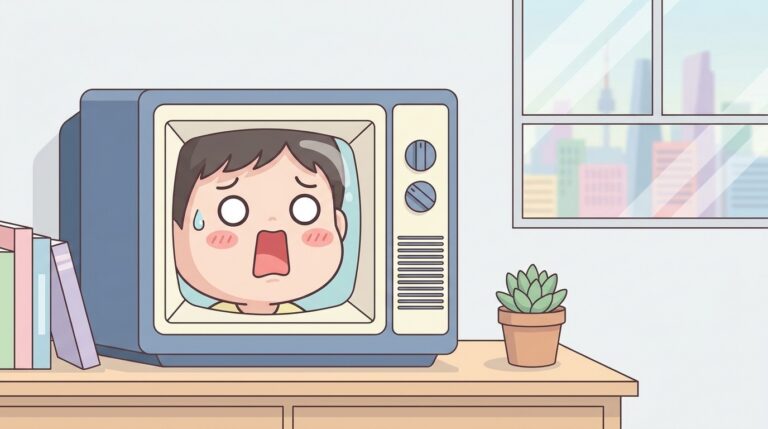
Have you ever watched your favorite K-pop idols suddenly freeze in shock on a variety show, only for confetti to drop as the crew bursts out laughing shouting, “몰카 (Molka)!”? You see the idol drop to the floor in pure relief while subtitle banners flash in neon colors across the screen. You smile along, but deep inside, you might wonder: What does that word actually mean, and why did everyone suddenly relax?
If you are an A1 beginner diving into Korean reality TV, YouTube creator videos, or variety shows like Running Man, missing these casual pop-culture words can make you feel left out of the joke. Many of our beginner students tell us: “Textbooks teach me formal greetings, but the moment I turn on a Korean variety show, I’m completely lost!”
Don’t worry! This guide is built directly from our real tutoring field notes. By the end of this lesson, you will master the essential words and reactions used in Korean hidden camera pranks so you can follow the comedic rhythm just like a local friend.
Phase 2: Core 3 Expressions Breakdown
1. 몰카예요? (Molka-yeyo?)
- Pronunciation: [Mol-ka-ye-yo?] (Sounds like “Mole-car-ye-yo” with a light, rising melody at the end)
- Meaning: Literal: “Is this a hidden camera?” / Real Nuance: “Wait, is this a prank? Are you messing with me?”
- K-Culture Moment: Used when a variety show cast member smells something suspicious, like an absurd staff request or an overly dramatic guest reaction.
- Editor’s Insight: “몰카 (Molka)” is a portmanteau of 몰래 (secretly) and 카메라 (camera). In comedy contexts, it refers exclusively to harmless hidden camera pranks.
- Situation Spectrum:
- Casual (Friends / Co-stars): ✅
- Semi-formal (Polite inquiry): ⚠️ (Use cautiously with unfamiliar people)
- Formal (Business meetings): 🚫
- 🤔 Think About It: In English, people often say “Are you punking me?” or “Is this a joke?” Notice how Korean immediately focuses on the camera itself as the centerpiece of the reaction.
2. 진짜예요? (Jinjja-yeyo?)
- Pronunciation: [Jin-jja-ye-yo?] (Sounds like “Jean-jah-ye-yo” with extra tension on the double ‘jj’)
- Meaning: Literal: “Is it real?” / Real Nuance: “For real? Are you serious right now?”
- K-Culture Moment: Uttered with wide eyes right before someone realizes they have been pranked on camera.
- Editor’s Insight: This is one of the most versatile A1 phrases in existence. In pranks, repeating it twice—진짜예요? 진짜? (Jinjja-yeyo? Jinjja?)—shows authentic bewilderment.
- Situation Spectrum:
- Casual: ✅
- Semi-formal: ✅
- Formal: ⚠️ (In formal settings, prefer “정말입니까? [Jeong-mal-im-ni-kka?]”)
- 🤔 Think About It: Why do Koreans check “reality” (진짜) so frequently in everyday conversation? What does this say about emotional rapport between friends?
3. 깜짝이야! (Kkamjjag-iya!)
- Pronunciation: [Kkam-jjak-i-ya!] (Sounds like “Come-jjack-ee-yah!” spoken with an explosive start)
- Meaning: Literal: “It was a sudden startle!” / Real Nuance: “Whoa! You scared the life out of me!”
- K-Culture Moment: Shouted instinctively the second a costumed ghost jumps out from behind a door on an idol horror special.
- Editor’s Insight: This is an involuntary exclamation. You do not need polite endings here when you are startled; it flies out naturally regardless of who is around.
- Situation Spectrum:
- Casual: ✅
- Semi-formal: ✅
- Formal: ✅ (Natural reflex, accepted everywhere!)
- 🤔 Think About It: Notice how this word mimics physical shock with hard consonant sounds (ㄲ and ㅉ). Doesn’t the sound itself feel like jumping back in surprise?
Phase 3: Textbook Korean vs. Real Korean
Situation 1: Suspecting a funny prank
- 📖 교과서 한국어 (Textbook): 이것은 장난입니까? (Igeoseun jangnan-imnikka? – “Is this a joke?”)
- 🗣️ 진짜 한국어 (Real Korean): 이거 몰카예요? (Igeo molka-yeyo? – “Wait, is this a hidden camera?”)
- 💡 왜 다를까? (Why is it different?): Nobody speaks like an ancient script in real life. In modern media culture, people directly call out “몰카” the moment a situation feels ridiculously staged.
Situation 2: Expressing shock when jumping in surprise
- 📖 교과서 한국어 (Textbook): 저는 대단히 놀랐습니다. (Jeoneun daedanhi nollassseumnida. – “I was immensely surprised.”)
- 🗣️ 진짜 한국어 (Real Korean): 깜짝이야! (Kkamjjag-iya! – “Ah! What a shock!”)
- 💡 왜 다를까? (Why is it different?): Fear and surprise are visceral instincts. A short, punchy exclamation feels authentic; long textbook sentences ruin comedic timing.
Phase 4: K-Culture Deep Dive & Non-verbal Manners
4-1. 눈치 (Nunchi) & Gestures
When Koreans suspect a hidden camera, body language speaks first before words:
* 두리번두리번 (Duribeon-duribeon): Scanning the corners of the ceiling, flowerpots, and tissue boxes for tiny red camera lenses.
* Hand over mouth (입 틀어막기): Gently placing both palms over the mouth upon realizing they have been fooled, followed by a relieved burst of laughter.
* Playful shoulder taps: Lightly tapping the prankster’s arm while complaining good-naturedly shows you hold no real grudge.
4-2. Cultural Code: The Legacy of Variety Pranks
Prank entertainment has a prestigious history in South Korea, popularized in the 1990s by legendary comedian Lee Kyung-kyu’s show Hidden Camera. Today, it is an essential rite of passage for rookie K-pop idols to test their loyalty, quick thinking, and charm.
Important cultural context note: While “몰카” is widely beloved as an abbreviation for lighthearted variety show pranks, in legal and news settings, unauthorized filming in private spaces is a serious offense referred to formally as 불법 촬영 (bulbeop chwaryeong – illegal filming). In everyday entertainment conversation, sticking to variety show contexts keeps things fun and clear!
Phase 5: Real-world Roleplay Scenario
Setting: You are meeting your Korean friend Minjun at a cafe in Hongdae. Suddenly, a server brings you an absurd giant bowl of pasta meant for 10 people with sparkling candles.
- 민준 (Minjun): 축하합니다! 오늘 우리 카페 100번째 손님이에요! (Chuk-ha-ham-ni-da! Oneul uri kape baek-beon-jjae son-nim-i-e-yo!)
🎭 Clapping loudly with an exaggerated big smile
“Congratulations! You are our cafe’s 100th customer today!” - 나 (You): 네? 저요? 깜짝이야! (Ne? Jeoyo? Kkamjjag-iya!)
🎭 Eyes widening, looking at the giant plate
“Pardon? Me? What a shock!” - 민준 (Minjun): 네! 다 드셔야 무료예요. 지금 시작하세요! (Ne! Da deusyeoya muryo-yeyo. Jigeum sijak-ha-se-yo!)
🎭 Handing you two oversized wooden spoons with a straight face
“Yes! It is free only if you finish it all. Start now!” - 나 (You): 잠깐만요… 이거 진짜예요? (Jamkkan-man-yo… Igeo jinjja-yeyo?)
🎭 Looking around suspiciously at the cafe corners
“Wait a minute… Is this for real?” - 민준 (Minjun): 당연하죠. 빨리 드세요! (Dang-yeon-ha-jyo. Ppal-li deu-se-yo!)
🎭 Trying not to giggle, glancing over your shoulder
“Of course. Hurry up and eat!” - 나 (You): 혹시… 이거 몰카예요? (Hoksi… igeo molka-yeyo?)
🎭 Pointing at Minjun's phone propped up against a coffee cup
“By any chance… is this a hidden camera?” - 민준 (Minjun): 하하하! 맞아요! 생일 축하해! (Hahaha! Maj-a-yo! Saeng-il chuk-ha-hae!)
🎭 Laughing hysterically and holding up the recording phone
“Hahaha! That’s right! Happy birthday!” - 나 (You): 아, 진짜! 너무해요! (A, jinjja! Neomu-hae-yo!)
🎭 Sighing in relief and playfully tapping Minjun's arm
“Ah, seriously! You are too much!”
🔀 Interactive Choice Point
How would you respond right after Minjun confesses?
* Choice A: “이거 몰카예요? 대박!” (Igeo molka-yeyo? Daebak! – “This was a prank? Amazing!”)
* Feedback [Best]: Perfect reaction! Matches the energy, shows you enjoyed the surprise, and keeps the atmosphere delightful.
* Choice B: “경찰을 부르겠습니다.” (Gyeongchaleul bureugesseumnida. – “I will call the police.”)
* Feedback [Bad]: Way too serious! Your friend will panic thinking you are genuinely furious.
* Choice C: “저는 배가 안 고픕니다.” (Jeoneun baega an gopeumnida. – “I am not hungry.”)
* Feedback [Risk]: Grammatically okay, but completely misses the comedic rhythm of the prank!
Phase 6: 10-Second Emotion Shadowing Drill
Practice these lines out loud with the indicated emotional markers and pauses (/):
[😲 Genuine Shock]
깜짝이야! / 진짜예요?
(Kkamjjag-iya! / Jinjja-yeyo?)
“Whoa! / Is this real?”-
[🕵️ Suspicious & Playful]
잠깐만요… / 이거 몰카예요?
(Jamkkan-man-yo… / Igeo molka-yeyo?)
“Hold on… / Is this a hidden camera prank?” -
[😂 Relieved & Pouting]
아, 진짜! / 너무해요!
(A, jinjja! / Neomu-hae-yo!)
“Ah, for real! / You’re too much!”
Phase 7: K-Culture Mini Dictionary
- 몰래카메라 (Mollae-kamera): Hidden camera prank. The full compound noun used in TV program titles.
- 몰카 (Molka): Shortened slang for prank shows. Extensively used on YouTube titles and variety subtitles.
- 깜짝 파티 (Kkamjjak pati): Surprise party. A heartwarming event where friends deceive you briefly to celebrate a milestone.
- 당황 (Danghwang): Fluster / Embarrassment. Often seen as a variety show caption (당황!) when someone is totally baffled by a trick.
Phase 8: Traveler’s Survival Kit
Top 3 Survival Phrases
- 진짜요? (Jinjja-yo?): “Really?” Use this whenever you want quick clarification about directions, food spicy levels, or prices.
- 장난치지 마세요 (Jangnan-chiji maseyo): “Please don’t tease me.” A soft way to say “Stop joking with me” if someone is pulling your leg.
- 도와주세요 (Dowa-juseyo): “Please help me.” An essential emergency phrase when you truly need assistance in public.
Editor’s Travel Note
When traveling in Korea, locals love playful interactions, but always keep your navigation intact! Make sure to install reliable tools before your trip: head over to get your official Naver Map app download to find quirky prank-themed photo booths and themed entertainment cafes around Hongdae and Seongsu effortlessly.
Phase 9: One Step Deeper
In Korean culture, harmless pranks like hidden camera stunts serve a unique social purpose: they reinforce 정 (Jeong)—the deep communal bond of affection. The brief moment of tension created by a trick is immediately followed by laughter, hugging, and mutual relief. It signifies that the group cares enough about you to orchestrate an elaborate surprise. Pranks in Korean entertainment are rarely malicious; they are an affectionate celebration of someone’s genuine personality when their guard is down.
💬 Your Turn: What is the funniest surprise or hidden camera prank you have ever seen on a Korean variety show? Share your favorite show moment below!
Phase 10: FAQ & Avoiding Misunderstandings
Q: Can I use the word 몰카 (Molka) with strangers or elders?
A: No. 몰카 is very casual slang. If you suspect an elder or a stranger is joking with you, politely say “장난이세요? (Jangnan-i-se-yo? – Are you joking?)” instead.
Q: Is 몰카 always positive in Korea?
A: In entertainment and variety show contexts, yes, it means a funny gag. However, in legal or news contexts, non-consensual filming is a crime referred to as “불법 촬영 (illegal filming).” Keep this term strictly to pop culture, variety shows, and birthday pranks among friends.
Q: What is the difference between 진짜 (Jinjja) and 정말 (Jeongmal)?
A: Both mean “really” or “truly.” 진짜 (Jinjja) is slightly more conversational and spontaneous, making it the #1 reaction word in comedy shows, while 정말 (Jeongmal) is slightly more formal and earnest.
🚨 Common Mistakes (흔한 실수) Warning Board
- Mistake: Using formal honorifics during an instant reflex scare (e.g., saying “깜짝 놀랐습니다”).
Correct Action: Just say 깜짝이야! (Kkamjjag-iya!). Reflexes don’t wait for grammar rules! - Mistake: Shouting “몰카!” at a stranger who looks at you weirdly.
Correct Action: Save this word exclusively for staged pranks among friends or when watching video content. - Mistake: Forgetting the rising intonation on “진짜예요?”
Correct Action: Always raise your tone at the end. Falling intonation turns it into a flat statement: “It is real.”
Phase 11: Action Missions & Practice
- Bronze Mission (Solo Practice): Look into the mirror, pretend an invisible ghost stepped out of your closet, and shout “깜짝이야! 진짜예요?” three times with big eyes.
- Silver Mission (Social Share): Leave a comment under your favorite Korean variety show YouTube clip: “이거 몰카예요? 너무 웃겨요! (Is this a hidden camera? So funny!)”
- Gold Mission (Real Life): Next time your friend tells you an unbelievable piece of gossip, raise your eyebrows and ask: “진짜요? (Really?)”
- 🎮 K-Culture Mission: Watch an episode of Running Man or a K-pop group’s self-produced reality show (like Going Seventeen). Count how many times the caption “몰카” appears on the screen!
Phase 12: Interactive Quiz Challenge
Question 1 (Situational Judgment):
Your Korean friend shows up wearing a neon green dinosaur suit to pick you up at the airport. What is the most natural, witty reaction?
(A) 안녕하세요, 기사님. (Hello, driver.)
(B) 이거 몰카예요? (Is this a hidden camera prank?)
(C) 실례합니다. (Excuse me.)
Question 2 (Fill in the Blank):
When someone jumps out from behind a door to scare you, you yell:
“________!” (Hint: It means “What a startle!”)
Question 3 (True or False):
True or False: In Korean entertainment, “몰카” is usually done with mean intentions to embarrass people permanently.
👉 Click to view answers and explanations!
- Answer 1: (B) 이거 몰카예요? – This immediately highlights the absurdity of the situation in a friendly, variety-show style!
- Answer 2: 깜짝이야! (Kkamjjag-iya!) – The ultimate native Korean reflex phrase for shock.
- Answer 3: False – Variety pranks are designed to show affectionate camaraderie and relieve tension with laughter and celebration!







