

Conquering the Korean Bathhouse: How to Enter the Tub Like a Local
Phase 1: 공감 (Story Opening)
안녕하세요! 매일한글 에디터입니다. (Hello! It’s your Daily Hangul editor.)
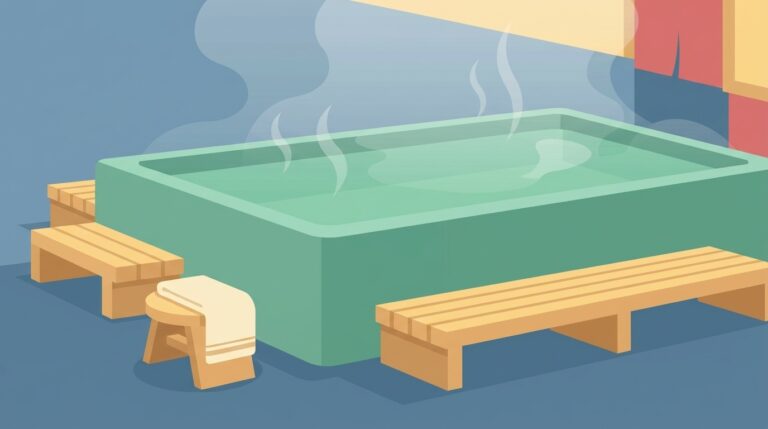
Picture this: You have walked through the locker room of a famous Seoul Jjimjilbang, stripped down to your birthday suit, and stepped into the steamy bath hall (탕, tang). Steam rolls across emerald-green jade tubs and bubbling herbal pools. You see locals soaking peacefully, eyes closed, enjoying ultimate relaxation. But suddenly, your feet freeze right at the edge of the granite bath. You wonder: Do I just hop right in? Am I supposed to wash first? What if the water is boiling hot? Why is that local grandmother looking my way?
Take a deep breath! Every single foreigner (and honestly, many Koreans on their first visit) experiences that exact moment of freeze-up. Entering the communal bath doesn’t have to feel intimidating. Today, we are breaking down the exact natural Korean phrases and unspoken social rules you need. Based on real feedback from beginner learners who went from sauna wallflowers to total bathhouse masters, this practical guide gives you the cultural confidence to soak away your travel fatigue without a single awkward glance.
Phase 2: 핵심 표현 3선 심층 분석 (Top 3 Key Expressions)
1. 들어가도 돼요? (Deureogado dwaeyo?)
- Pronunciation: [Deu-reo-ga-do dwae-yo?] (Sounds like: “Duh-ruh-gah-dough dway-yo”)
- Meaning: Literal: “Is it okay if I enter?” | Real Nuance: “Excuse me, is it alright if I join this tub?”
- K-Culture Moment: Seen frequently in variety shows like Running Man, when cast members squeeze into a small outdoor hot spring bath and politely ask before splashing in.
- Editor’s Insight: The pattern -아/어도 돼요? is an absolute superpower for A2 learners. It politely asks for permission without sounding robotic. If a small herbal tub looks somewhat crowded, this three-word phrase instantly shows you respect personal boundaries.
- Situation Spectrum: Casual ⚠️ | Semi-formal ✅ | Formal ✅
- 🤔 Think About It: In many Western countries, public pools are shared without verbal confirmation. Why do Koreans appreciate asking before entering a small communal tub?
2. 물 많이 뜨거워요? (Mul mani tteugeowoyo?)
- Pronunciation: [Mul ma-ni tteu-geo-wo-yo?] (Sounds like: “Mool mah-nee tuh-guh-woh-yo” – make the ‘tt’ sharp like the ‘t’ in ‘star’!)
- Meaning: Literal: “Is the water very hot?” | Real Nuance: “Heads up, how boiling is this pool really?”
- K-Culture Moment: In K-dramas, you often see characters dipping one hesitant toe into the steaming 열탕 (scalding pool) while elders sit inside completely calm, murmuring “시원하다~” (So refreshing!).
- Editor’s Insight: Korean hot tubs range from a soothing 38°C (온탕) to an intense 44°C+ (열탕). Asking an elder in the tub this question breaks the ice and prevents you from jumping back in shock!
- Situation Spectrum: Casual ⚠️ | Semi-formal ✅ | Formal ✅
- 🤔 Think About It: How do different cultures communicate physical temperature warnings before shared physical experiences?
3. 먼저 씻고 들어갈게요. (Meonjeo ssitgo deureogalgeyo.)
- Pronunciation: [Meon-jeo ssit-go deu-reo-gal-ge-yo] (Sounds like: “Mun-juh sheet-go duh-ruh-gal-gay-yo”)
- Meaning: Literal: “I will wash first and then enter.” | Real Nuance: “I’ll clean up at the shower station first before joining the bath.”
- K-Culture Moment: A character assuring an attendant or companion that they know proper bath etiquette before taking a dip.
- Editor’s Insight: In Korea, the tub is exclusively for soaking, never for cleaning off sweat or dirt. Washing at the seated shower stalls beforehand is non-negotiable. Saying this demonstrates top-tier bathhouse manners.
- Situation Spectrum: Casual ⚠️ | Semi-formal ✅ | Formal ✅
- 🤔 Think About It: How does prioritizing collective cleanliness reflect Korea’s group-oriented values compared to individualistic approaches to public facilities?
Phase 3: 교과서 한국어 vs 진짜 한국어 (Textbook vs. Real-Life Korean)
Situation 1: Asking if you can enter the tub
- 📖 교과서 한국어: 제가 이 탕에 들어가도 괜찮겠습니까? (Je-ga i tang-e deu-reo-ga-do gwaen-chan-ket-seum-ni-ka?)
- 🗣️ 진짜 한국어: 여기 들어가도 돼요? (Yeogi deureogado dwaeyo?)
- 💡 왜 다를까?: Textbook Korean often pushes ultra-formal endings (-ㅂ니까). While grammatically flawless, it sounds like you are an inspector interviewing bathers! In a relaxing, naked sauna environment, a soft -아/어요 creates warmth and polite community comfort.
Situation 2: Remarking on the steaming water temperature
- 📖 교과서 한국어: 물의 온도가 대단히 높습니다. (Mul-ui on-do-ga dae-dan-hi nop-seum-ni-da.)
- 🗣️ 진짜 한국어: 와, 생각보다 뜨거워요! (Wa, saenggakboda tteugeowoyo!)
- 💡 왜 다를까?: Real bathhouse dialogue is reactive and sensory. Rather than making a formal scientific statement about “water temperature,” locals express immediate personal sensation with 와 (wow) and 생각보다 (more than I thought).
Phase 4: K-Culture 딥다이브 & 비언어적 매너 (Culture Deep Dive)
4-1. 눈치 (Nunchi) & Essential Gestures
- The Head Towel Rule: You are given two small hand towels. Fold one and balance it squarely on top of your head, or rest it on the dry edge of the tub. Never drop your towel into the bathwater! Submerging towels in the bath pool is considered unsanitary.
- The Hair Tie Law: If you have shoulder-length or long hair, tie it up tightly with a hairband before entering the tub. Floating strands of hair are a major bathhouse pet peeve.
- Eye Contact Nunchi: Do not scan the room. Make eye-level contact with a slight polite nod (목례, mokrye) when approaching the tub, then look forward or close your eyes.
4-2. The “시원하다” (Siwonhada) Paradox
Have you ever heard a Korean grandpa step into a 43°C bubbling tub and groan happily: “아, 시원하다!”?
Literally, 시원하다 means “cool” or “refreshing.” But in a hot bath, it doesn’t mean the water is cold! It describes the deep physical sensation of heavy tension leaving the body, tight muscles opening up, and stress melting away. When your chest feels unburdened, that is true 시원함.
Phase 5: 실전 롤플레이 시나리오 (Real-Life Roleplay)
Setting: A steamy neighborhood bathhouse in Mapo, Seoul. Plumes of pine-scented steam drift through the air. You approach a green mugwort tub (쑥탕).
Character: Auntie Soon-hee (순희 이모), a friendly regular sitting chest-deep in the herbal bath with a neatly folded towel on her head.
- You: 안녕하세요… 혹시 여기 들어가도 돼요? (Annyeonghaseyo… hoksi yeogi deureogado dwaeyo?)
[🎭 Bows head slightly with a respectful smile] - Auntie: 아이구, 그럼요! 이리 와서 앉아요. (Aigu, geureomyo! Iri waseo anjayo.)
[🎭 Warmly pats the smooth tiled underwater ledge beside her] - You: 감사합니다. 물 많이 뜨거워요? (Gamsahamnida. Mul mani tteugeowoyo?)
[🎭 Carefully dips the tip of one foot into the green water] - Auntie: 처음엔 뜨거운데, 들어가면 아주 시원해~ (Cheo-eumen tteugeounde, deureogamyeon aju siwonhae~)
[🎭 Chuckles with a relaxed, soothing nod] - You: 앗, 머리는 묶고 들어가야 하죠? (At, meorineun mukko deureogaya hajyo?)
[🎭 Reaches up to check hair bun securely in place] - Auntie: 아이 착해라! 수건으로 머리 올리면 딱이야. (Ai chakhaera! Sugeon-euro meori ollimyeon ttag-iya.)
[🎭 Gives an approving nod and smiles proudly] - You: 네, 조심해서 들어갈게요! (Ne, josimhaeseo deureogalgeyo!)
[🎭 Slowly eases into the warm water up to the collarbone] - Auntie: 어때, 피로가 싹 풀리지? (Eottae, piroga ssak pulliji?)
[🎭 Leans back happily as steam surrounds you both]
🔀 Interactive Decision Point
While lowering yourself into the tub, your hand towel accidentally slips off your shoulder and falls straight into the bathwater! What do you do?
* Choice A (Best): Quickly pick it up, step over to the floor drain outside the tub, wring it out, and say: 죄송합니다! (Joesonghamnida!).
* Feedback: Perfect! Showing immediate awareness and sanitizing manners wins respect from everyone around you.
* Choice B (Bad): Leave it floating and rinse your face with it like a washcloth.
* Feedback: Major faux pas! Locals will immediately frown or call the bathhouse attendant.
* Choice C (Risk): Pretend you don’t notice it, look at the ceiling, and whistle.
* Feedback: You will instantly fail the 눈치 (Nunchi) test, creating awkward silence.
Phase 6: 10초 감정 섀도잉 드릴 (10-Second Emotion Shadowing Drill)
Practice reading these lines aloud with the emotional cues and pauses marked by /:
[😊 Shy yet polite]저기요, / 들어가도 돼요? (Jeogiyo, / deureogado dwaeyo?)[😲 Surprised and cautious]으아, / 물이 생각보다 뜨거워요! (Eua, / muri saenggakboda tteugeowoyo!)[😌 Deeply relaxed and melting]아… / 온몸이 풀리고 / 너무 시원해요… (Ah… / onmomi pulligo / neomu siwonhaeyo…)
Phase 7: K-Culture 미니 사전 (Mini Dictionary)
- 온탕 (On-tang) | Warm/Hot Pool | The standard soaking pool maintained at 38°C–40°C. Perfect for your first 10 minutes.
- 냉탕 (Naeng-tang) | Cold Plunge Pool | Chilled to 15°C–18°C. Bathers alternate between hot and cold tubs for circulation.
- 때밀이 (Tte-miri) | Exfoliation Scrub | The famous professional scrub service where an expert removes dead skin using textured gloves.
- 양머리 (Yang-meori) | Sheep Head Towel | The iconic towel rolled into two cute side buns, made famous by classic K-dramas.
Phase 8: 여행자를 위한 생존 키트 (Traveler’s Survival Kit)
Survival Expressions TOP 3
- 자리 있어요? (Jari isseoyo?) – Is this shower stall spot taken?
Pro Tip: Locals often leave their washbaskets at shower stalls. If products are sitting on the stool, ask this before sitting down. - 수건 더 받을 수 있어요? (Sugeon deo badeul su isseoyo?) – Can I get another towel?
Pro Tip: Ask at the locker front desk if you need an extra towel after drying off. - 여기 몇 시까지 해요? (Yeogi myeot sikkaji haeyo?) – What time do you close?
Pro Tip: Many neighborhood saunas close around 10:00 PM, while large Jjimjilbangs operate 24 hours.
Editor’s Travel Note
- Navigate like a native: Use the Naver Map app download for local saunas and bathhouses to search for 사우나 (Sauna) or 찜질방 (Jjimjilbang) near your hotel.
- Your locker key wristband (전자키) is also your digital credit card inside! Tap it to buy sweet fermented rice punch (식혜, Sikhye) and baked brown eggs (맥반석 계란).
Phase 9: 한 발 더 깊이 (A Deeper Look)
In everyday Korean society, strict Confucian etiquette dictates how people speak, bow, and dress based on age and social status. But inside the 탕 (bath tub), all external uniforms vanish. Everyone—from corporate executives to neighborhood shopkeepers—sits together on equal footing, naked in warm water. This concept of 발가벗은 평등 (naked equality) allows Koreans to build genuine, unpretentious community bonding (정, Jeong).
💬 Your Turn: Have you ever experienced public communal bathing, or does the idea of stepping naked into a tub with strangers feel completely out of your comfort zone? Share your thoughts below!
Phase 10: FAQ & 흔한 실수 (FAQ & Common Mistakes)
Q: Can I wear a swimsuit into the bath area?
A: No. Swimsuits are strictly prohibited in the gender-separated bath area (목욕탕). You must be completely unclothed in the water. However, you will wear provided t-shirts and shorts in the co-ed public lounge (찜질방 area).
Q: What should I do if I have tattoos?
A: Traditional neighborhood bathhouses may still feel conservative regarding large, visible tattoos. However, modern mega-spas in Seoul (like Aquafield or Cimer) are generally foreigner-friendly. For smaller tattoos, applying waterproof tape or covering patches is a thoughtful precaution.
Q: Is it okay to dunk my head under water?
A: No, dipping your entire head or holding your breath underwater is considered poor etiquette because hair and oils enter communal soaking water. Keep your neck and head above the surface!
🚨 Common Mistakes Alert
| Mistake | What Happens | Correct Action |
|---|---|---|
| 1. Jumping in before showering | Grandmothers will call you out | Always shower and scrub down at a sit-down stall first |
| 2. Floating your towel in the tub | Water becomes unhygienic | Balance the towel on your head or pool edge |
| 3. Splashing or swimming | Splashes hot water into others’ eyes | Move slowly and submerge calmly |
Phase 11: 액션 미션 (Action Missions)
- 🥉 Bronze Mission: Practice saying “들어가도 돼요?” 5 times in front of your bathroom mirror with a bright, friendly smile.
- 🥈 Silver Mission: Fold a bath towel into the classic 양머리 (sheep head) style, snap a photo, and share your cultural drill with friends!
- 🥇 Gold Mission: Walk into a Korean sauna or local bathhouse, ease into the warm tub, and murmur “시원하다~” with genuine relief.
- 🎮 K-Culture Mission: Watch an episode of a classic drama or travel show featuring a Jjimjilbang and count how many times people balance towels on their heads!
Phase 12: 인터랙티브 퀴즈 챌린지 (Interactive Quiz)
Q1. [Situation Check] You walk into the bath area for the very first time. What must you do first?
* A) Jump straight into the herbal bath to warm up.
* B) Wash your hair and body thoroughly at the shower stalls.
* C) Soak your towel in the cold plunge pool.
Q2. [Fill-in-the-Blank] Complete this polite phrase used to ask if you may enter a shared tub:
* “저기요, 여기 ________ 돼요?”
Q3. [True or False] When an elder in a 42°C hot tub says “시원하다!”, they mean the water temperature feels icy cold.
👉 Click here to check your answers & explanations!
- Answer: B | Always wash thoroughly before entering any communal soaking pool!
- Answer: 들어가도 | 들어가다 (to enter) + -아/어도 돼요 (is it okay to…?) = 들어가도 돼요?
- Answer: False | In hot baths, 시원하다 describes the therapeutic sensation of body tension releasing, not cold weather!







