

Phase 1: Empathy (Story-Driven Opening)
안녕하세요! 매일한글 에디터입니다. (Hello! This is your Daily Hangul editor.)
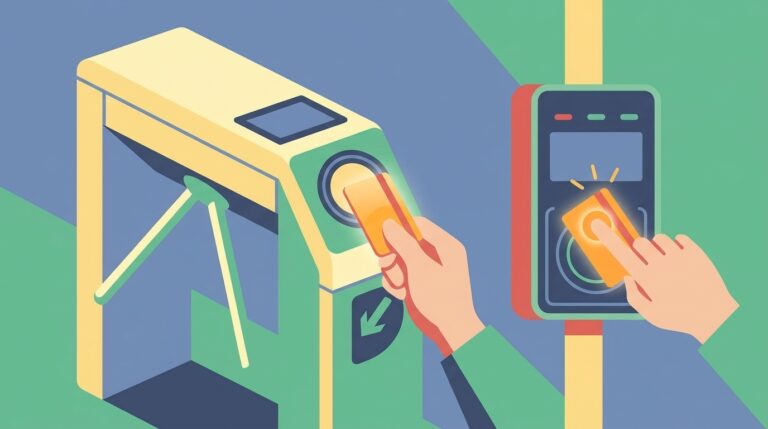
Picture this: You have just finished a delicious meal of spicy tteokbokki in Hongdae and you are rushing to catch a bus toward an indie concert in Mangwon. You sprint down the subway stairs, tap your T-Money card at the turnstile, hear that familiar chime, and burst out of Exit 3 toward the bus stop. You see your bus approaching in the distance. Your heart is pounding because you know the golden rule of Seoul’s transit: the legendary 30-minute transfer window! If you make it, your bus ride is basically free; miss it by five seconds, and boom—your card gets dinged with a brand new base fare.
If you have ever stood nervously behind a crowd of commuters at a bus door wondering, “Wait, did my transfer actually register?” or panicked when the reader flashed a confusing red light, you are definitely not alone. The Metropolitan Unified Fare System (수도권 통합요금제) is one of Korea’s proudest urban achievements, saving locals hundreds of thousands of won every year. But for travelers and intermediate learners, the unspoken rules—like tapping out even when your bus ride is over, or navigating late-night 60-minute allowances—can feel like an intense obstacle course. Based on real questions from hundreds of our intermediate students, this guide breaks down the essential Korean expressions, etiquette, and insider hacks so you can transfer like a born-and-raised Seoulite without ever wasting a single won.
Phase 2: Deep Dive into 3 Essential Expressions
1. 환승 되나요? (Hwanseung doenayo?)
- Pronunciation: Hwan-seung doe-na-yo? (Think: hwan like “wand” with an h, seung like “sung” with a soft u, doe like English “doh”, and nayo like “nine-oh” without the n at the end)
- Meaning: Literal: “Is a transfer possible?” / Nuance: “Does the transit discount apply to this route / within this timeframe?”
- K-Culture Moment: You will hear this frequently in slice-of-life dramas like My Liberation Notes (나의 해방일지), where the characters endure long commutes from Gyeonggi-do to Seoul and constantly verify their connection routes.
- Editor’s Insight: The verb 되다 (doeda, to become/be possible) combined with the soft question ending -나요 (-nayo) makes this polite yet breezy. You can use it with bus drivers, station staff, or even a friend walking beside you.
- Situation Spectrum: Casual: ⚠️ (Use 환승 돼? / Hwanseung dwae?) | Semi-formal: ✅ | Formal: ✅ (Use 환승 됩니까? / Hwanseung doemnikka?)
- 🤔 Think About It: In many Western transit systems, you buy a static 2-hour ticket regardless of vehicle type. In Korea, the system dynamically calculates distance across up to five transfers. How does having a single unified card alter the way citizens view urban mobility?
2. 하차 태그 꼭 하셔야 돼요. (Hacha taegeu kkok hasyeoya dwaeyo.)
- Pronunciation: Ha-cha tae-geu kkok ha-syeo-ya dwae-yo. (Sounds like: ha-cha as in “hot-cha”, taegeu like the English word “tag-uh”, kkok like a tight “cork” without the r, ha-syeo-ya dwae-yo)
- Meaning: Literal: “You must do the drop-off tag.” / Nuance: “You absolutely have to tap your card when getting off, or you will lose your transfer discount and pay a penalty!”
- K-Culture Moment: In reality variety shows like Running Man, members are often seen frantically reminding each other to “찍어!” (tap!) before tumbling off the bus during time-attack missions.
- Editor’s Insight: Koreans borrowed the English tech word “tag” (태그) to denote RFID scanning, but native speakers mix it with pure Korean verbs. Notice the emphatic adverb 꼭 (kkok, definitely/without fail) which carries genuine concern for your wallet!
- Situation Spectrum: Casual: ⚠️ (Use 하차 꼭 찍어! / Hacha kkok jjigeo!) | Semi-formal: ✅ | Formal: ✅
- 🤔 Think About It: Notice how Korean creates functional compound phrases by pairing Hanja roots (하차 / 下車, disembarking) with modern English loanwords (태그, tag). What does this tell you about linguistic adaptability in modern Korea?
3. 30분 안에 갈아타야 할인돼요. (Samsipbun ane garatana harindwaeyo.)
- Pronunciation: Sam-sip-bun an-e ga-ra-ta-ya ha-rin-dwae-yo. (Sounds like: sahm-ship-boon ahn-eh gah-rah-tah-yah hah-reen-dway-yo)
- Meaning: Literal: “Only if you change vehicles within 30 minutes, it is discounted.” / Nuance: “The transfer discount only applies if you board the next vehicle within 30 minutes.”
- K-Culture Moment: A classic trope in youth romance webtoons: the male lead sprints across a pedestrian overpass to catch the same bus as his crush before the 30-minute transfer clock runs out!
- Editor’s Insight: 갈아타다 (garatada) is an indispensable compound verb merging 갈다 (galda, to swap/exchange) and 타다 (tada, to ride). Combined with the conditional -아야/어야 (-aya/eoya, only when/if), it indicates a strict non-negotiable prerequisite.
- Situation Spectrum: Casual: ⚠️ (30분 안에 갈아타야 할인돼 / Samsipbun ane garatana harindwae) | Semi-formal: ✅ | Formal: ✅
- 🤔 Think About It: Time pressure shapes social behavior. In Korea, this 30-minute window subtly influences why pedestrians walk so quickly through interchange tunnels.
Phase 3: Textbook Korean vs. Real Korean
Situation 1: Checking if your transfer was successfully recognized
- 📖 교과서 한국어 (Textbook):
환승 할인이 정상적으로 적용되었습니까?
(Hwanseung harin-i jeongsangjeog-euro jeok-yongdoe-eosseumnikka? – “Has the transfer discount been applied normally?”) - 🗣️ 진짜 한국어 (Real-Life B2):
방금 환승 처리 제대로 된 거예요? / 이거 환승으로 찍힌 거 맞죠?
(Bang-geum hwanseung cheori jedaero doen geoyeyo? / Igeo hwanseung-euro jjik-hin geo matjyo? – “Did the transfer go through properly just now? / This registered as a transfer, right?”) - 💡 왜 다를까? (Why the difference?):
Koreans rarely use bureaucratic words like 적용되다 (jeok-yongdoeda, to be applied) at transit turnstiles. Instead, they use kinetic, auditory verbs like 찍히다 (jjikhida, to be stamped/scanned) referring to the physical beep of the card scanner.
Situation 2: Warning a friend to tap their card before stepping off the bus
- 📖 교과서 한국어 (Textbook):
하차 시 단말기에 교통카드를 접촉하시기 바랍니다.
(Hacha si danmalgie gyotongkadeureul jeopchokhasigi baramnida. – “Please touch the transit card to the terminal upon disembarking.”) - 🗣️ 진짜 한국어 (Real-Life B2):
내릴 때 카드 안 찍으면 다음 탈 때 요금 폭탄 맞아! 얼른 찍어!
(Naeril ttae kadeu an jjigeumyeon daeum tal ttae yogeum poktan maja! Eolleun jjigeo! – “If you don’t tap when getting off, you’ll get hit with a fare bomb next time! Tap it quick!”) - 💡 왜 다를까? (Why the difference?):
Native speakers use playful hyperbole like 요금 폭탄 (yogeum poktan, fare bomb/maximum penalty fee) to emphasize the financial consequence, paired with the snappy imperative 얼른 찍어 (eolleun jjigeo, quick, tap it!).
Phase 4: K-Culture Deep Dive & Non-Verbal Manners
4-1. 눈치 (Nunchi) & Sensory Etiquette at the Turnstile
In Seoul’s transit terminals during rush hour (출퇴근 시간), flow is sacred. The cardinal sin is stopping directly in front of the card sensor to dig through your backpack. Commuters practice preemptive card readiness: having your card or phone clutched in hand a good 10 meters before the gate.
When disembarking a bus, stand near the rear door reader one stop in advance only if the bus is crowded, but keep one hand on the safety railing (손잡이). When you tap, listen closely to the machine audio:
* Single Beep (“삑”): Standard payment registered.
* Verbal Prompt (“환승입니다”): Transfer recognized! The sweet sound of money saved.
* Double Beep (“삐빅”): Student / discounted card registered.
* Triple Beep (“삐비빅”) or “카드를 다시 대주세요”: Error—do not walk through yet! Step slightly sideways to let the person behind you pass while retapping to show proper nunchi.
4-2. The Cultural Code: 수도권 통합 환승제 and “Bbali-Bbali”
Korea’s unified transit system—introduced in 2004 under the Seoul Metropolitan Government—revolutionized city living by treating subways and buses as one single continuous organism. Up to 4 transfers (5 rides total) are permitted under a combined base fare, calculated by total distance traveled rather than per boarding.
This system directly fuels the famous 빨리빨리 (bbali-bbali, hurry-hurry) culture. Because the clock starts the exact second you hear the exit chime (하차 태그), every escalator, crosswalk light, and transfer corridor becomes an optimized route. It is not just about saving time; it is about outsmarting the system’s 30-minute transfer countdown.
Phase 5: Real-World Roleplay Scenario
Setting: Gangnam Station (강남역) Exit 4 bus stop. It is 10:15 PM on a chilly Friday night.
Characters:
* Elena (엘레나): An intermediate Korean learner trying to catch the red express bus home after meeting friends.
* Min-jun (민준): Her Korean university classmate who knows the transit system inside and out.
민준: 엘레나, 여기서 광역버스 타면 집까지 한 번에 가. (Elena, yeogiseo gwang-yeokbeoseu tamyeon jipkkaji han beon-e ga.)
“Elena, if you take the express red bus here, it goes straight to your place without stops.”
🎭 Min-jun points up at the electronic arrival board showing ‘2분 후 도착’ (Arriving in 2 mins).
엘레나: 아, 진짜? 근데 나 방금 지하철 찍고 나온 지 거의 25분 다 됐는데, 환승 할인 될까? (A, jinjja? Geunde na bang-geum jihacheol jjikgo naon ji geoui isibo-bun da dwaenneunde, hwanseung harin doelkka?)
“Oh, really? But it has been almost 25 minutes since I tapped out of the subway. Will the transfer discount still work?”
🎭 Elena hurriedly unlocks her phone to check the timestamp on her transit card app.
민준: 지하철 개찰구 빠져나온 시간 기준이니까 아직 5분 남았어! 지금 버스 오니까 완전 세이프야. (Jihacheol gaechalgu ppajyeonaon sigan gijun-inikka ajik o-bun namasseo! Jigeum beoseu onikka wanjeon seipeuya.)
“The timer counts from the moment you passed through the subway turnstile, so you still have 5 minutes left! The bus is arriving right now, so you are totally safe.”
🎭 Min-jun gives a thumbs-up and nudges her forward into the queue.
엘레나: 다행이다! 근데 빨간 버스는 기본요금이 더 비싸잖아. 환승하면 어떻게 계산돼? (Dahaeng-ida! Geunde ppalgan beoseuneun gibon-yogeumi deo bissajana. Hwanseung-hamyeon eotteoke gyesandwae?)
“What a relief! But the red buses have a higher base fare, right? How does the payment calculate if I transfer?”
🎭 Elena holds her card ready, looking curious.
민준: 지하철 기본요금 뺀 차액만 더 찍힐 거야. 전체 이동 거리로 합산되거든. (Jihacheol gibon-yogeum ppaen cha-aekman deo jjik-hil geoya. Jeonche idong geori-ro hapsandoegeodeun.)
“It will only charge the difference minus the subway base fare. Everything gets aggregated based on total travel distance.”
🎭 Min-jun watches the bus pull up to the curb.
엘레나: 오, 그렇구나. 아, 그리고 내릴 때도 또 찍어야 되지? (O, geureokguna. A, geurigo naeril ttaedo tto jjigeoya doeji?)
“Oh, I see. Ah, and I have to tap it again when getting off, right?”
🎭 Elena taps the card reader at the front door; it chimes: ‘환승입니다’ (Transfer).
민준: 당연하지! 내릴 때 하차 태그 안 하면 다음 승차 때 패널티 요금 붙어. 잊지 마! (Dang-yeonhaji! Naeril ttae hacha taegeu an hamyeon daeum seungcha ttae paeneolti yogeum buteo. Itji ma!)
“Of course! If you don’t tap off at exit, you will get hit with a penalty fee on your next ride. Don’t forget!”
🎭 Min-jun waves goodbye from the platform as the bus doors close.
엘레나: 고마워 민준아! 도착해서 톡할게! (Gomawo Minjuna! Dochak-haeseo tokhalge!)
“Thanks, Min-jun! I’ll message you when I get home!”
🎭 Elena smiles through the window and safely finds a seat.
🔀 Interactive Choice Point
You are on the bus right now. As the bus approaches your destination, the crowd surges toward the back door. What do you do?
- Choice A: You tap your card at the rear sensor 2 stops before your destination so you don’t have to wait in line later.
- Choice B: You wait until the bus completely stops at your station, step up to the card reader, tap until you hear “삑” and check the screen, then safely disembark.
- Choice C: The bus is packed, so you slip out through the back door without tapping, thinking: “Hey, this is my final ride today anyway!”
Feedback:
* Choice A (Risk!): Tapping too early can cause the machine to record your exit distance prematurely, or if you tap before the terminal switches to your station block, you may miss the transfer window or be charged incorrect extra distance fares!
* Choice B (Best!): Perfect! In Korea, safety comes first. Even if bus drivers appreciate swift exits, tapping at your actual stop ensures accurate distance logging and confirms zero penalty fees.
* Choice C (Bad!): Big mistake! If you fail to tap off on your last transit ride, the system cannot determine where you exited. It automatically charges you the maximum route penalty distance the very next morning when you tap into the subway! Always tap out!
Phase 6: 10-Second Emotional Shadowing Drill
Practice speaking with natural cadence! Pay attention to the pauses (/) and mirror the emotional markers.
[⚡ 다급하고 긴장감 넘치게 - Hurried & Tense]
빨리 뛰어! / 30분 지나면 / 환승 할인 날아가!
(Ppalli ttwieo! / Samsipbun jinamyeon / hwanseung harin naraga!)
“Run faster! / Once 30 minutes pass / the transfer discount vanishes into thin air!”-
[😊 안도하며 뿌듯하게 - Relieved & Satisfied]
휴, / ‘환승입니다’ 소리 들렸지? / 완전 아슬아슬하게 세이프했다!
(Hyu, / ‘hwanseung-imnida’ sori deullyeotji? / Wanjeon aseul-aseul-hage seipeuhaetda!)
“Phew, / you heard the ‘It’s a transfer’ sound, right? / That was an absolute photo-finish save!” -
[🧐 꼼꼼하고 차분하게 - Thorough & Advising]
내릴 때 / 카드 단말기에 꼭 찍어야 돼. / 안 그러면 / 다음 탈 때 요금 더 나와.
(Naeril ttae / kadeu danmalgie kkok jjigeoya dwae. / An geureomyeon / daeum tal ttae yogeum deo nawa.)
“When getting off, / you must tap your card on the terminal. / If you don’t, / you will pay extra fare on your next ride.”
Phase 7: K-Culture Mini Dictionary (Core Transit Terms)
-
환승 (Hwanseung / 換乘)
Meaning: Transfer / Transfer discount.
Real-World Usage: Seen everywhere on directional signs in metro hubs (환승역 = transfer station; 환승 통로 = transfer passageway). In dating slang, hwanseung yeonae (환승연애 – Transit Love) refers to jumping straight from one romantic relationship into another without a single break! -
하차 태그 (Hacha Taegeu / 下車 Tag)
Meaning: Tapping out / Scanning your card when exiting.
Real-World Usage: Crucial everyday transit instruction. Bus drivers might shout: “손님, 하차 태그 하셨어요?” (Sonnim, hacha taegeu hasyeosseoyo? – “Customer, did you tap off?”) if someone rushes past the reader. -
기본요금 (Gibon-yogeum / 基本料金)
Meaning: Base fare / Minimum fare.
Real-World Usage: The initial flat charge applied to the first 10 km of travel (subway/city bus). When transferring, you do not pay another base fare; you only pay distance surcharges (거리비례 요금) if you exceed the base threshold. -
막차 (Makcha / 末車)
Meaning: The last vehicle / Last train or bus of the night.
Real-World Usage: An indispensable cultural word. After dinner and drinks, friends will anxiously check their phones asking: “막차 몇 시야?” (Makcha myeot siya? – “What time is the last train?”). If you catch the makcha, the transfer window extends from 30 minutes to a generous 60 minutes!
Phase 8: The Traveler’s Survival Kit
Top 3 Survival Expressions for Transit
- 저기요, 이 버스 홍대 가나요? (Jeogiyo, i beoseu Hongdae ganayo?)
“Excuse me, does this bus go to Hongdae?”
Pro Tip: Ask the driver immediately upon boarding before tapping your card to avoid paying for an accidental wrong route. - 환승 시간 지났어요? (Hwanseung sigan jinasseoyo?)
“Has the transfer window expired?”
Pro Tip: Use this when tapping your card if the reader charges a standard base fare instead of announcing 환승입니다. - 카드가 잘 안 찍혀요. (Kadeuga jal an jjikhyeoyo.)
“My card isn’t scanning properly.”
Pro Tip: If your mobile card or T-Money encounters read errors, say this to the driver or subway help station attendant.
Editor’s Travel Note: The Golden Rules of Korean Transit
- The Night Owl Exception (심야 환승 규칙): Between 9:00 PM and 7:00 AM, the transfer window expands from 30 minutes to 60 minutes! The government understands that late-night buses run with wider intervals, giving you a whole hour to catch your connecting ride.
- Never Re-board the Same Route: Transfer discounts do not apply if you get off Bus #273 and hop back on another Bus #273, nor if you exit a subway line and enter the exact same station again. The system assumes you finished your trip or ran a personal errand.
- Essential Navigation Apps: Forget standard foreign mapping apps—their transit schedules in Korea are frequently outdated. Make sure to download the Naver Map application or KakaoMap transit guide. Both show live bus arrival countdowns down to the exact second, along with optimal transfer car numbers for subways!
Phase 9: One Step Deeper (Reflection Question)
Korea’s Metropolitan Transit System operates on a fascinating blend of extreme digital precision and deep social trust. While automated RFID gates log every kilometer you travel, the entire network relies on passengers upholding collective civic order: lining up quietly behind door markings, moving smoothly without lagging, and conscientiously tapping out so the macro-data remains accurate for city planners. In Korean culture, efficient public transit is not merely an infrastructure utility—it is a shared public covenant (공공질서) where respecting the clock is a form of respecting your fellow citizens.
💬 Your Turn: How does public transit transfer work in your home city? Is it based on a flat time limit, paper transfers, or distance zones? Drop your hometown and experiences in the comments below!
Phase 10: Frequently Asked Questions & Common Mistakes
Q: Can two people share one T-Money card and both receive the transfer discount?
A: No. While multiple people can ride together on a single card on buses by asking the driver beforehand (“두 명이요” / Du myeong-iyo), transfer discounts will only apply to one single person when transferring between subway and bus. To get transfer discounts for everyone, each traveler must carry their own card.
Q: What happens if I transfer from a regular green bus to an expensive red express bus?
A: You will still receive the transfer discount! However, because the base fare of an express bus is higher, the system will deduct the exact difference between the two base fares upon boarding the second bus, rather than charging you a brand new full express fare.
Q: Can I get a transfer discount between two different subway lines?
A: Within the subway network (e.g., changing from Line 2 to Line 3), you transfer through internal passageways without tapping through exit gates, so it counts as one continuous journey. If you tap out of the subway into the street and tap back into another subway station, the transfer discount will not apply (with rare exceptions like the Seoul Station Gyeongui Line interchange).
🚨 Common Mistakes Warning Board
- Mistake: Forgetting to tap out when getting off your last bus of the day because you are not transferring to anything else.
Correct Action: Always tap off! If you fail to tap out, the transit computer assumes you traveled to the end of the line and applies the maximum penalty surcharge on your very next trip. - Mistake: Keeping multiple RFID cards (like a credit card and a T-Money card) in the exact same wallet slot.
Correct Action: The scanner will beep angrily and announce “카드를 한 장만 대주세요” (Please tap only one card). Keep your designated transit card in an isolated outer sleeve. - Mistake: Getting off a bus and taking the exact same bus number in the same direction or reverse.
Correct Action: The system counts the same bus route number as a new journey. If you made a mistake and boarded the wrong direction, tap off and take a subway or a different bus number to retain your discount.
Phase 11: Action Mission & Engagement
- 🥉 Bronze Mission (Solo Practice): Stand in front of your mirror or record a voice memo saying: “내릴 때 하차 태그 꼭 하셔야 돼요!” with energetic speed and natural rhythm three times.
- 🥈 Silver Mission (SNS / Community): Next time you watch a K-Drama or commute vlog, capture a screenshot of characters riding a bus or subway. Share it with the caption: “환승입니다! 30분 안에 갈아타기 완료!” and tag our community.
- 🥇 Gold Mission (Real-World Test): On your next trip to Korea, complete a combined Subway ➡️ Bus journey, verify the 환승 text on the bus card terminal, and take a photo of your zero-won or discounted fare display!
🎮 K-Culture Mission: Watch an episode of the commuting drama My Liberation Notes (나의 해방일지). Notice how many times the characters tap their card readers at dawn and dusk. Listen carefully for the turnstile sound effects!
Phase 12: Interactive Quiz Challenge
Test your intermediate transit mastery! Think through each scenario before checking the spoiler box below.
1. Real-Life Judgment Quiz
You take Subway Line 2 and tap out at Hongik Univ. Station at 1:15 PM. You drop by a bookstore to buy a novel. At what time must you tap your card onto your connecting bus to receive the transfer discount?
* (A) By 1:30 PM
* (B) By 1:45 PM
* (C) By 2:15 PM
2. Fill-in-the-Blank
Complete the sentence in natural intermediate Korean:
“내릴 때 카드를 안 찍으면 다음 탈 때 요금 ______을/를 맞아요.”
* (A) 선물 (seonmul)
* (B) 폭탄 (poktan)
* (C) 할인 (harin)
3. True / False Cultural Truth
T/F: If you transfer between buses at 11:30 PM at night, your transfer discount window is 60 minutes instead of 30 minutes.
👉 Click here to reveal the Answers and Explanations!
- Answer: (B) By 1:45 PM
Explanation: The standard daytime transfer window is exactly 30 minutes from the time you tap through the exit turnstile (1:15 PM + 30 mins = 1:45 PM). -
Answer: (B) 폭탄 (poktan)
Explanation: The colloquial expression is 요금 폭탄을 맞다 (literally: to get hit by a fare bomb), meaning to be hit with unexpected high penalty fees or maximum distance charges. -
Answer: TRUE
Explanation: Between 9:00 PM and 7:00 AM (night/early morning hours), Korea’s transit system automatically expands the transfer window to 60 minutes due to longer late-night bus intervals!







