

Phase 1: Empathetic Opening
안녕하세요! 매일한글 에디터입니다.
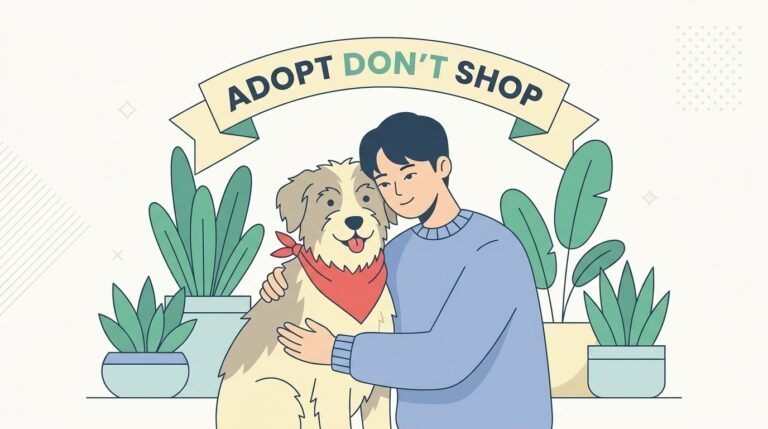
Imagine you are watching a modern Korean drama or scrolling through Korean social media. Instead of showing off designer puppies bought from shiny glass storefronts in Gangnam, celebrities and influencers are now proudly introducing their rescues with phrases like “사지 말고 입양하세요” (Don’t buy, adopt). You might notice a subtle yet profound shift in South Korea’s pet culture. For years, commercial breeding facilities—often criticized as “puppy mills” (강아지 공장)—and impulse purchases at commercial pet shops were the norm. However, with stricter government regulations on pet shops and a massive grassroots movement championing animal welfare, adopting stray or rescued animals (유기동물 입양) has become a major badge of social responsibility and compassion in modern Korea.
As a C2-level Korean learner, navigating this nuanced topic requires more than basic vocabulary about dogs and cats. You need advanced lexical dexterity to discuss legal reforms, ethical dilemmas, socio-cultural shifts, and policy debates with native speakers. Many advanced learners tell us: “I know words like ‘유기견’ (abandoned dog), but I struggle to articulate complex arguments about animal rights or pet shop regulations in a natural, native-sounding register.” That is precisely why we created this guide. Grounded in real-world policy discussions and cultural trends, this lesson will elevate your Korean from merely fluent to intellectually compelling.
Phase 2: Core Expressions Deep Dive
1. 사지 말고 입양하세요 (Saji malgo ibyanghaseyo)
- Pronunciation: [Saji malgo ib-yang-ha-se-yo] (Think of ‘saji’ like ‘sarge’, ‘malgo’ like ‘mallo’, and ‘ib-yang’ as ‘ib’ + ‘yang’)
- Meaning: “Adopt, don’t shop” (Literally: Don’t buy, please adopt).
- K-Culture Moment: Seen on campaign posters, celebrity Instagram bios, and volunteer banners across animal shelters in Seoul.
- Editor’s Insight: This phrase shifted from an activist slogan into a mainstream societal ethos. Notice the contrastive structure
-지 말고combined with the honorific request-하세요, making it persuasive yet respectful. - Situation Spectrum: Casual ✅ | Semi-formal ✅ | Formal ✅
- 🤔 Think About It: How does the linguistic framing of companion animals differ when shifting from commercial transactions (“buying”) to familial incorporation (“adopting”) in your native language compared to Korean?
2. 반려동물 가구 백만 시대 (Ballyeodongmul gagu baengman sidae)
- Pronunciation: [Bal-lyeo-dong-mul ga-gu baeng-man si-dae] (Note the nasalization: 백만 sounds like [baeng-man])
- Meaning: The era of millions of pet-owning households.
- K-Culture Moment: Frequently used in news editorials, documentary voiceovers, and policy debates when discussing legislative changes for pet shop regulations.
- Editor’s Insight: ‘반려동물’ (companion animal) has almost completely replaced the older term ‘애완동물’ (pet/toy animal) in formal discourse. Using ‘반려’ (lifelong companion) signals high cultural awareness and moral sensitivity.
- Situation Spectrum: Casual ⚠️ | Semi-formal ✅ | Formal ✅
- 🤔 Think About It: Reflect on how switching from ‘애완’ (enjoyment/possession) to ‘반려’ (life partner) reflects Korea’s rapid shift toward holistic animal welfare.
3. 입양 온유/임시 보호 (Ibyang on-yu / Im-si bo-ho)
- Pronunciation: [Im-si bo-ho] (Im-si means temporary, bo-ho means protection/fostering)
- Meaning: Temporary fostering / Rescue care prior to permanent adoption.
- K-Culture Moment: Featured prominently on pet adoption YouTube channels and rescue community forums like ‘Paws Together’ (포인핸드).
- Editor’s Insight: Fostering is seen as a crucial bridge between rescue and permanent placement. C2 speakers should master terms like ‘임보’ (short for 임시 보호) when speaking casually with rescue volunteers.
- Situation Spectrum: Casual ✅ | Semi-formal ✅ | Formal ✅
- 🤔 Think About It: Why has temporary fostering (‘임보’) become such a popular way for young urban Koreans living in apartments to contribute to animal rescue efforts?
Phase 3: Textbook Korean vs. Real Korean
Situation 1: Expressing opinion on pet shop regulations
- 📖 Textbook Korean: “정부는 펫숍의 판매 규제를 강화해야 한다고 생각합니다.” (I think the government should strengthen pet shop sales regulations.)
- 🗣️ Real-Life C2 Korean: “유기견 문제를 근본적으로 해결하려면 펫숍 영업 규제와 분양 절차 엄격화가 시급해 보여요.” (To fundamentally resolve the stray dog issue, tightening pet shop regulations and strict adoption screening seem urgent.)
- 💡 Why the difference? C2 native speakers use precise, noun-heavy nominalized clauses (
-엄격화,-시급해 보인다) to sound persuasive, nuanced, and authoritative during discussions.
Situation 2: Talking about rescuing a stray pet
- 📖 Textbook Korean: “저는 길에서 개를 구해서 집에서 키우고 있습니다.” (I saved a dog from the street and am raising it at home.)
- 🗣️ Real-Life C2 Korean: “번식장 출신 유기견을 임보하다가 결국 제가 안락사 직전에 떵떵거리며 품게 됐어요.” (I was temporarily fostering a rescue from a puppy mill, and right before euthanasia was scheduled, I ended up taking them in permanently.)
- 💡 Why the difference? Natural advanced Korean utilizes emotive idioms and specific shelter terminology like
안락사(euthanasia) and품다(embrace/adopt into one’s arms).
Phase 4: K-Culture Deep Dive & Non-Verbal Manners
4-1. Nunchi & Etiquette in Animal Adoption & Rescue Circles
When visiting animal shelters or discussing adoption in South Korea, demonstrating Nunchi (tactful situational awareness) involves recognizing the emotional burden on shelter workers. Avoid asking superficial questions like “Is the dog purebred?” (품종견인가요?), as this can be perceived as treating animals like consumer commodities. Instead, inquire about the animal’s temperament (성격), medical history (건강 상태), and trauma background (trauma / 상처). When speaking with shelter staff, adopt a humble, listening posture—slightly bowing your head and using two hands when handing over adoption application forms.
4-2. Cultural Code Analysis: From K-Dramas to Policy Changes
Recent Korean media reflects a fierce legal and societal pushback against commercial pet breeding. Documentaries exposing unregulated underground puppy mills (강아지 공장) caused widespread public outrage. In response, municipal authorities in Seoul and Gyeonggi province restricted physical pet sales near urban hubs, while public adoption apps like ‘PawInHand’ (포인핸드) transformed pet adoption into a streamlined digital movement. In K-Dramas, character traits are now subtly established by whether a character buys a flashy pedigree dog from a store (often signaling shallow materialism) or adopts a mixed-breed rescue dog (signaling empathy and moral depth).
Phase 5: Real-Life Roleplay Scenario
Setting: A cozy animal shelter cafe in Seoul. You are discussing adoption options with Min-jun, a senior shelter coordinator.
Character: Min-jun (Rescue Director, passionate, highly ethical).
- Turn 1 (Min-jun): “어서 오세요! 유기동물 입양 신청서를 제출해 주셨네요. 혹시 펫숍 대신 입양을 결심하신 특별한 계기가 있으신가요?”
(Welcome! You submitted your pet adoption application. Is there a specific reason you chose adoption over buying at a pet shop?) - Turn 2 (You): “🎭 [Gently smiling, making respectful eye contact] 상업적 펫숍의 불법 번식장 문제를 접하고 나니, 사지 않고 입양하는 게 맞다고 확신했어요.”
(After learning about illegal puppy mills behind commercial pet shops, I was convinced that adoption is the right choice.) - Turn 3 (Min-jun): “정말 감사한 말씀이네요. 하지만 유기견 입양은 상처받은 아이를 품는 일이라 생각보다 까다로운 적응 기간이 필요한데, 괜찮으실까요?”
(Thank you so much. But adopting a rescue means taking in a wounded soul, which requires a challenging adjustment period. Are you prepared for that?) - Turn 4 (You): “🎭 [Nodding solemnly with hands folded] 네, 임시 보호 경험을 통해 인내심과 책임감이 얼마나 중요한지 깊이 깨달았습니다.”
(Yes, through my temporary fostering experience, I deeply realized how important patience and responsibility are.) - Turn 5 (Min-jun): “그렇군요! 혹시 최근 논란이 되고 있는 펫숍 판매 전면 금지 법안에 대해서는 어떤 입장을 가지고 계신가요?”
(I see! What is your perspective on the recent controversial bill proposing a complete ban on pet shop sales?) - Turn 6 (You): “🎭 [Expressing a thoughtful, analytical tone] 단순한 영업 규제를 넘어, 동물권 보호와 올바른 반려문화 정착을 위한 필수적인 법적 장치라고 생각합니다.”
(Beyond mere business regulation, I believe it is an essential legal safeguards for animal rights and establishing a healthy pet culture.) - Turn 7 (Min-jun): “진정성이 느껴지네요. 입양 전 심층 인터뷰 과정을 다음 주에 진행해도 될까요?”
(I can truly feel your sincerity. May we schedule the in-depth adoption interview for next week?) - Turn 8 (You): “🎭 [Bowing head slightly with genuine appreciation] 네, 흔쾌히 응하겠습니다. 아이를 위한 준비를 차근차근 하고 있겠습니다!”
(Yes, gladly! I will step-by-step prepare everything for the animal!)
🔀 Interactive Choice Point
At Turn 5, how do you express your view on pet shop regulation regulations?
* Option A (Best): “단순한 영업 규제를 넘어, 동물권 보호와 올바른 반려문화 정착을 위한 필수적인 법적 장치라고 생각합니다.”
Feedback: Best choice! Uses sophisticated legal and cultural vocabulary (동물권, 반려문화 정착, 법적 장치) showing C2 fluency and deep empathy.
* Option B (Bad): “펫숍 사장님들은 불쌍하지만, 강아지를 팔면 안 돼요. 다 없애야 합니다.”
Feedback: Bad. Sounds childish and overly aggressive without logical structure.
* Option C (Risk): “잘 모르겠지만, 요즘 다들 펫숍 반대하니까 저도 반대해요.”
Feedback: Risk. Lacks personal insight and sounds passive, which shelter coordinators might interpret as lack of serious commitment.
Phase 6: 10-Second Emotional Shadowing Drill
Practice reading these sentences aloud with exact emotional inflection and natural pauses (/ marks dynamic pauses):
- [🥺 Empathy & Determination / Pitch rises gently on ‘사지 말고’]
소중한 생명이잖아요… / 펫숍에서 사지 말고 / 유기동물을 / 따뜻하게 입양해 주세요.
(It’s a precious life… / Don’t buy at pet shops / please warmly adopt / rescue animals.) -
[⚖️ Conviction & Analytical Tone / Firm cadence on ‘필수적입니다’]
불법 번식장을 근절하기 위해서는 / 펫숍 영업 규제 강화와 / 유기동물 보호 정책이 / 반드시 병행되어야 합니다.
(To eradicate illegal puppy mills / strengthening pet shop regulations / and stray animal protection policies / must go hand in hand.)
Phase 7: K-Culture Mini Dictionary
- 사지 말고 입양하세요 (Saji malgo ibyanghaseyo) | Adopt, Don’t Shop | The dominant national campaign slogan encouraging citizens to adopt shelter animals rather than supporting retail pet businesses.
- 강아지 공장 (Gang-a-ji gong-jang) | Puppy Mill | A derogatory term for illegal or unethical mass breeding facilities; a major target of recent legal bans.
- 임시 보호 / 임보 (Im-si bo-ho / Im-bo) | Temporary Fostering | Fostering a shelter animal temporarily to rehabilitate them before finding a permanent family.
- 안락사 (An-lak-sa) | Euthanasia | The official term for shelter euthanasia due to overcrowding, often cited to highlight the urgency of adoption campaigns.
Phase 8: Traveler’s Survival Kit
Top 3 Expressions for Visiting Pet Cafes & Rescue Spaces
- 유기견 봉사활동이나 입양 절차는 어떻게 되나요?
(What is the procedure for rescue dog volunteering or adoption?) - 아이들이 가슴 상처가 있어서 조심히 다가가야 하나요?
(Do the animals have trauma background, so I should approach them carefully?) - 유기동물 후원 굿즈는 어디서 구매할 수 있나요?
(Where can I purchase rescue animal donation merchandise?)
Editor’s Travel Note
When exploring rescue initiatives in Seoul, download the official shelter adoption app through the 네이버 지도 앱 다운로드 platform to locate verified humane pet sanctuaries and non-profit adoption cafes in Mapo-gu and Seongsu-dong. Avoid commercial store displays and look for ‘착한 동물병원’ (Ethical Vet Clinics) or shelters tagged with ‘사지 말고 입양하세요’.
Phase 9: One Step Deeper (Socio-Cultural Reflection)
South Korea’s rapid transformation in pet culture illustrates how language mirrors social ethics. The linguistic transition from ‘애완견’ (pet dog treated as a toy or object of affection) to ‘반려견’ (life-companion dog with recognized rights) represents an evolutionary leap in civil awareness. As young urban households increasingly substitute or defer marriage and childbearing with pet companionship, legislative fights over pet shop bans highlight a broader Korean effort to reconcile rapid economic modernization with deep ethical governance.
💬 Your Turn: What does pet adoption culture look like in your country, and how are commercial pet shops regulated? Drop your thoughts in the comments below in advanced Korean!
Phase 10: FAQ & Common Mistakes
Q: What is the exact legal difference between ‘애완동물’ and ‘반려동물’ in modern Korea?
A: While ‘애완동물’ was historically used in legal codes, contemporary Korean legislation and public discourse almost exclusively use ‘반려동물’ to emphasize legal protection, welfare, and non-commercial companionship.
Q: Are commercial pet shops completely illegal now in South Korea?
A: Not completely illegal yet, but regulations have been drastically tightened. Commercial breeders must be licensed, facilities face strict quota limits, and online sales or display in unregistered storefronts are subject to severe criminal penalties.
Q: Can foreigners adopt rescue dogs from Korean shelters?
A: Yes! Foreign residents can adopt provided they pass standard residence checks, landlord permission verifications, and show long-term commitment to the animal’s welfare.
🚨 Common Mistakes Warning Board
- Mistake 1: Using “강아지를 샀어요” (I bought a puppy) in polite shelter settings.
- Correct Action: Use “유기견을 입양했어요” (I adopted a rescue dog) or “가족으로 맞이했어요” (I welcomed them as family).
- Mistake 2: Confusing ‘임시 보호’ (temporary fostering) with ‘임시 입양’ (temporary adoption).
- Correct Action: Fostering is always called ‘임시 보호’ (or ‘임보’).
- Mistake 3: Calling shelter workers “주인” (owner).
- Correct Action: Address shelter staff as “소장님” (Director) or “봉사자님” (Volunteer coordinator).
Phase 11: Action Mission & Engagement
- 🥉 Bronze Mission: Practice saying “사지 말고 입양하세요” aloud 3 times with clear emotion.
- 🥈 Silver Mission: Write a 2-sentence comment below using ‘반려동물’ and ‘유기견 입양’.
- 🥇 Gold Mission: Research a Korean rescue initiative (e.g., 포인핸드 PawInHand) and summarize their mission statement in 3 Korean sentences.
🎮 K-Culture Mission: Watch a clip of a Korean celebrity showing their rescue dog on YouTube and identify at least 2 target expressions learned today!
Phase 12: Interactive Quiz Challenge
Test your C2 mastery with this situational quiz!
Q1. Complete the sentence:
“불법 번식장 문제를 뿌리뽑기 위해 펫숍 ____ 규제가 대폭 강화되었습니다.”
(A) 획득 (B) 영업 (C) 소비
🔍 Click to view Answer & Explanation
Correct Answer: (B) 영업 (Business/Operating)
Explanation: ‘영업 규제’ (business operation regulations) is the precise formal term used when discussing pet shop legal restrictions.
Q2. True or False:
In modern Korea, referring to companion animals as ‘애완동물’ in formal public policy forums is considered the most updated and polite choice.
🔍 Click to view Answer & Explanation
Correct Answer: False
Explanation: ‘애완동물’ is considered outdated. ‘반려동물’ is the accepted standard term in formal and polite contexts.






