

Handling the ‘Oops’ in the Ledger: How to Analyze Budget Overruns in Korean Like a Pro
Phase 1: Empathy (An On-Screen Ledger Drama)
Annyeonghaseyo! (안녕하세요!) Your favorite Daily Hangul editor is back, and today we’re stepping into the high-stakes world of Korean corporate finance.
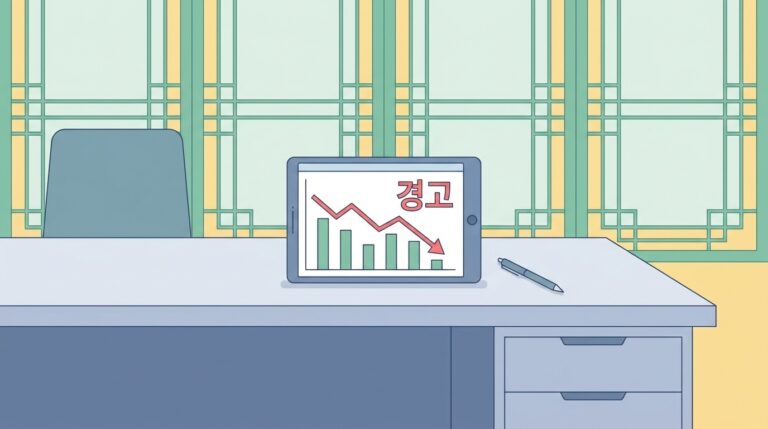
Picture this: You are sitting in a sleek conference room in Yeouido (the Wall Street of Seoul). Your manager, Team Leader Kim, is staring at a tablet screen, rubbing his temples. The Q3 marketing budget is flashing in bright, warning red. It has exceeded the limit by 25%. Kim looks up and sighs, “이번 분기 예산이 왜 이렇게 초과됐죠?” (Why is this quarter’s budget so overrun?)
If you’ve ever felt your heart drop when asked to explain financial discrepancies in a second language, you are not alone. Analyzing budget overruns—예산 초과 원인 분석 (yesan chogwa wonin bunseok)—requires a delicate balance of precision, accountability, and the right corporate vocabulary. Today, we are going to master the exact phrases you need to explain financial hiccups with confidence, grace, and absolute professional polish.
Phase 2: Deep Dive into 3 Essential Expressions
Let’s break down the three power phrases that will save your skin in any Korean finance meeting.
1. 예산 초과 원인을 파악하다 (yesan chogwa wonineul paakhada)
- Pronunciation: ye-san cho-gwa wo-nin-eul pa-ak-ha-da (Sounds like “Yeh-san cho-gwah war-nin-eul pah-ahk-hah-dah”)
- Meaning: To identify/analyze the cause of a budget overrun.
- K-Culture Moment: You will hear this in K-dramas like Misaeng (Incomplete Life) or Start-Up when teams are forced to audit their projects after an unexpected financial leak.
- Editor’s Insight: 파악하다 (to grasp/identify) is much stronger and more professional than just 찾다 (to look for). It implies you have done a deep, analytical investigation.
- Situation Spectrum: Casual: 🚫 | Semi-formal: ⚠️ | Formal: ✅
- 🤔 Think About It: In Korean corporate culture, presenting a problem without showing that you have already “grasped” (파악) the root cause is a major faux pas. How does this compare to your home country’s reporting style?
2. 예상치 못한 지출이 발생하다 (yesangchi mothan jichuri balsaenghada)
- Pronunciation: ye-sang-chi mot-han ji-chul-i bal-saeng-ha-da (Sounds like “Yeh-sang-chee mot-hahn jee-chool-ee bahl-sang-hah-dah”)
- Meaning: Unexpected expenses have occurred.
- K-Culture Moment: Used by accounting team leads in office dramas when external factors (like a sudden spike in raw material costs) disrupt the annual plan.
- Editor’s Insight: 발생하다 is a formal verb for “to happen/occur.” Using this instead of 생기다 (to pop up) elevates your speech instantly to executive level.
- Situation Spectrum: Casual: 🚫 | Semi-formal: ⚠️ | Formal: ✅
- 🤔 Think About It: Why do you think Korean business language relies heavily on passive/objective verbs like 발생하다 (occur) rather than active personal pronouns? (Hint: It shifts focus from personal blame to objective facts!)
3. 예산을 조정할 필요가 있습니다 (yesaneul jojeonghal piryoga itseumnida)
- Pronunciation: ye-san-eul jo-jeong-hal pil-yo-ga it-seum-ni-da (Sounds like “Yeh-san-eul joh-jung-hahl peel-yo-gah eet-seum-nee-dah”)
- Meaning: We need to adjust the budget.
- K-Culture Moment: The ultimate constructive pivot. Instead of just dwelling on the deficit, this phrase shifts the meeting toward solutions.
- Editor’s Insight: 조정 (adjustment/fine-tuning) sounds collaborative and proactive. It shows you are ready to fix the issue.
- Situation Spectrum: Casual: 🚫 | Semi-formal: ✅ | Formal: ✅
- 🤔 Think About It: Proposing a budget adjustment requires diplomatic phrasing in Korea, balancing respect for previous decisions with realistic financial needs.
Phase 3: Textbook Korean vs. Real-World Korean
Let’s compare the rigid sentences found in textbooks with what Korean finance professionals actually say.
Situation 1: Explaining why the money is gone
- 📖 Textbook: “돈을 너무 많이 썼습니다.” (Don-eul neomu mani sseot-seumnida. – We spent too much money.)
- 🗣️ Real-World: “예산 집행 과정에서 초과 지출이 발생했습니다.” (Yesan jiphaeng gwajeong-eseo chogwa jichuri balsaenghaesumnida. – Overspending occurred during the budget execution process.)
- 💡 Why the difference? Saying “we spent too much” sounds childish and unprofessional. Using 예산 집행 (budget execution) and 초과 지출 (overspend) frames it as a procedural variance rather than reckless spending.
Situation 2: Suggesting a solution
- 📖 Textbook: “다음에는 예산을 줄이겠습니다.” (Da-eum-eneun yesaneul jurigessumnida. – Next time, we will reduce the budget.)
- 🗣️ Real-World: “비용 절감 방안을 마련하겠습니다.” (Biyong jeolgam banganeul maryeonhagessumnida. – We will devise a cost-reduction plan.)
- 💡 Why the difference? 비용 절감 (cost reduction) and 방안 마련 (devising a plan) are standard corporate jargon that show strategic initiative.
Phase 4: K-Culture Deep Dive & Non-verbal Manners
4-1. The Art of “Jeoson” (Polite Hands) and Eye Contact
When presenting a budget overrun to a Korean superior, your physical posture speaks louder than your Excel sheet. Avoid pointing aggressively at the screen. Instead, use an open palm to gesture toward figures. When delivering bad news, keep your posture upright but slightly tilt your head forward to show respect and regret (송구함 – songguham).
4-2. Corporate Culture: The “Bogo” (Reporting) Hierarchy
In Korea, reporting up (보고 – bogo) is an art form. You never just drop a bombshell. You use the “Sandwich Method”: State the objective status, explain the analyzed cause (using 원인 파악), and immediately offer two potential solutions (대안). This preserves Nunchi (social tact) and keeps the meeting constructive.
Phase 5: Real-Life Roleplay Scenario
The Setup
You are Alex, a mid-level financial analyst at a cosmetics company in Seoul. You are meeting with Manager Park (the strict but fair finance manager) to explain why the local marketing launch went over budget.
- Manager Park: 아키라 씨, 이번 마케팅 캠페인 예산 보고서 봤어요. 예산 초과가 심각하네요.
(Akira-ssi, ibeon maketing kaempein yesan bogoseo bwasseoyo. Yesan chogwaga simgakhaneyo.)
🎭 Looking grimly at the tablet screen. -
Alex: 네, 부장님. 안 그래도 그 부분에 대해 예산 초과 원인을 파악해 보았습니다.
(Ne, bujangnim. An geuraedo geu bubune daehae yesan chogwa wonineul paakhaebwasseumnida.)
🎭 Informing with a calm, polite tone, adjusting posture. -
Manager Park: 그래요? 주요 원인이 뭡니까?
(Geuraeyo? Juyo wonini mwomnikka?)
🎭 Crossing arms, leaning forward slightly. -
Alex: 인플루언서 협찬 과정에서 예상치 못한 추가 비용이 발생했습니다.
(Inpleueonseo heopchan gwajeong-eseo yesangchi mothan chuga biyong-i balsaenghaesumnida.)
🎭 Presenting the facts clearly without sounding defensive. -
Manager Park: 음, 미리 예측할 수는 없었나요?
(Eum, miri yecheukhal suneun eopseonnaya?)
🎭 Sighing softly, tapping a pen. -
Alex: 갑작스러운 플랫폼 알고리즘 변경으로 광고 단가가 급등했습니다. 죄송합니다.
(Gapjaksureoun peullaetpom algorijeum byeongyeong-euro gwanggo dankaga geubdeunghaesumnida. Joesonghamnida.)
🎭 Acknowledging the external variable while maintaining accountability. -
Manager Park: 앞으로 어떻게 대응할 생각이죠?
(Apeuro eotteoke daeunghal saenggagijyo?)
🎭 Looking up, waiting for a solution. -
Alex: 하반기 매체 집행 예산을 조정할 필요가 있습니다. 비용 절감 안을 오늘 오후까지 보고드리겠습니다.
(Habangi maeche jiphaeng yesaneul jojeonghal piryoga itseumnida. Biyong jeolgam aneul oneul ohukkaji bogodeurigessumnida.)
🎭 Answering confidently with an immediate action plan.
🔀 Interactive Choice Point
How should Alex conclude this stressful meeting to leave the best impression?
- Option A: “제가 실수했네요. 다음엔 조심하겠습니다.” (I made a mistake. I’ll be careful next time.)
- Option B: “하반기 예산 조정안을 마련하여 즉시 검토하실 수 있도록 하겠습니다.” (I will prepare the second-half budget adjustment draft so you can review it immediately.)
- Option C: “광고 대행사 측에 항의해서 환불을 요청하겠습니다.” (I will protest to the ad agency and demand a refund.)
Feedback:
- Option A (Risk): Too personal and emotional for a corporate setting. It lacks a professional action plan.
- Option B (Best): 🌟 Excellent! This shows you are highly proactive, structured, and respect the manager’s decision-making process.
- Option C (Bad): Deflective and unrealistic. It shifts blame outwardly in a way that looks unprofessional.
Phase 6: 10-Second Emotion Shadowing Drill
Practice saying these with the exact phrasing pauses (/) and emotional cues to sound natural.
[🥺 Regretful but Professional]
이번 분기 예산 집행 과정에서 / 예상치 못한 지출이 / 발생했습니다.
(Ibeon bungi yesan jiphaeng gwajeong-eseo / yesangchi mothan jichuri / balsaenghaesumnida.)-
[💪 Confident and Proactive]
원인을 철저히 분석하여 / 예산 조정안을 / 조속히 보고드리겠습니다.
(Wonineul cheoljeohi bunseokhaeyo / yesan jojeonganeul / josokhi bogodeurigessumnida.)
Phase 7: K-Culture Mini-Dictionary
- 예산 집행 (Yesan Jiphaeng) | Budget Execution | The actual process of spending the approved organizational budget.
- 비용 절감 (Biyong Jeolgam) | Cost Cutting / Reduction | The corporate act of minimizing operational expenses.
- 보고서 (Bogoseo) | Report | A written business document presented to superiors.
- 품의서 (Pumwiseo) | Approval Request Document | A formal document drafted to get executive sign-off before spending any money.
Phase 8: The Corporate Traveler’s Survival Kit
Survival Phrases TOP 3
- 결제가 필요합니다. (Gyeoljega piryohamnida.) – “This requires your sign-off/payment approval.”
- 영수증 처리해 주세요. (Yeongsujeung cheorihae juseyo.) – “Please process this receipt.”
- 예산 범위 내에 있습니다. (Yesan beomwi nae-e itseumnida.) – “It is within the budget limit.”
Editor’s Travel Note
When traveling or working on business in Korea, managing corporate expenses requires keeping digital receipts. Use the National Tax Service Hometax for tax invoices, and make sure your team uses collaborative tools like KakaoWork or Line Works for instant expense updates. Note: Tax regulations and digital filing tools are subject to regular updates by the Korean National Tax Service.
Phase 9: “A Step Deeper” (Cultural Reflection)
In Korean corporate settings, discussing financial deficits is never just about the math; it’s about responsiveness and communal responsibility. When an overrun occurs, a team leader doesn’t just look for a scapegoat; they look for a team player who can help steady the ship. Showing that you understand the collective impact of budget shifts shows that you have truly adapted to Korean corporate sentiment.
💬 Your Turn: Have you ever had to explain a budget overrun in your own native language? What is the most challenging part of translating that experience into Korean? Share your stories in the comments below!
Phase 10: FAQ & Common Mistakes
Q: Can I use ‘돈’ (don) in professional financial reports?
A: It is highly recommended to avoid ‘돈’ (money) and instead use professional terms like 예산 (budget), 비용 (expense), or 자금 (funds) to maintain executive tone.
Q: What is the difference between ‘지출’ and ‘비용’?
A: 지출 (jichul) refers specifically to the act of spending/outflow of money, while 비용 (biyong) refers to the broader cost or expense incurred.
Q: How do I politely tell my boss we have zero budget left?
A: Instead of saying “예산이 하나도 없어요,” use the formal: “현재 가용 예산이 소진되었습니다” (Hyeonjae gayong yesani sojindoeeot-seumnida – Currently, the available budget has been exhausted).
🚨 Common Mistakes Warning Board
- Mistake 1: Saying “예산이 죽었어요” (The budget died) instead of “예산이 소진되었습니다” (The budget is exhausted).
- Mistake 2: Using informal sentence endings like “~했어” with managers. Always use “~했습니다 / ~체크했습니다” in accounting reports.
- Mistake 3: Not offering a solution when presenting a deficit. Always pair your problem with “조정안” (adjustment plan).
Phase 11: Action Mission
- Bronze Medal: Write down the phrase “예상치 못한 지출이 발생했습니다” on a sticky note and practice saying it smoothly three times.
- Silver Medal: Record yourself practicing Phase 6’s Shadowing Drill and listen to your rhythm.
- Gold Medal: Leave a comment below utilizing at least one new term you learned today (e.g., 비용 절감 or 예산 조정) in a simple sentence!
Phase 12: Interactive Quiz Challenge
1. Context Quiz
What is the most professional way to say “We need to adjust the budget” during an executive meeting?
* A) 돈을 다시 나누어야 해요. (Don-eul dasi nanueoya haeyo.)
* B) 예산을 조정할 필요가 있습니다. (Yesaneul jojeonghal piryoga itseumnida.)
* C) 예산을 다 바꿀게요. (Yesaneul da bakkulgeyo.)
Click here for the Answer!
Correct Answer: B
Explanation: Option B uses proper business Korean (조정, 필요가 있습니다), whereas A and C are too colloquial and informal for executive reporting.
2. Fill-in-the-Blank
“예산 초과
을 파악해야 대책을 세울 수 있습니다.” (We must identify the _____ of the budget overrun to establish countermeasures.)
* Hint: It means “cause” (starts with 원…).
Click here for the Answer!
Correct Answer: 원인 (won-in / cause)
3. True or False
In Korean business culture, you should wait for your manager to find a solution to a budget overrun instead of suggesting one yourself.
Click here for the Answer!
Correct Answer: False
Explanation: Showing initiative by proposing solutions (대안) or adjustment plans (조정안) is highly valued in Korean corporate environments.







