

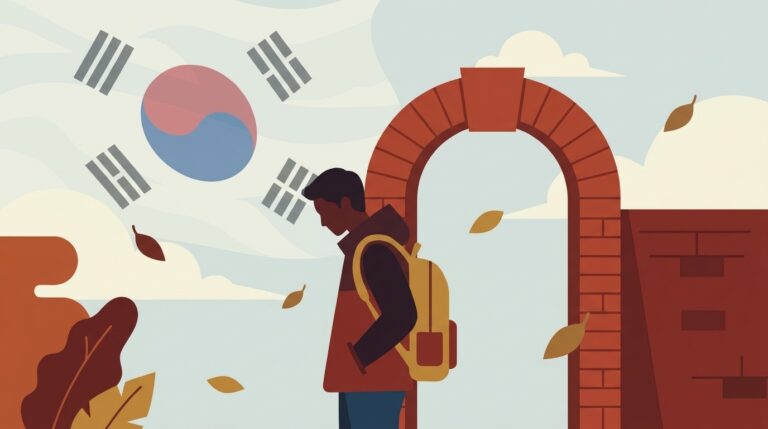
Phase 1: Empathy (An Immersive Opening)
안녕하세요! Welcome back to Daily Hangul, your premium space for mastering not just the Korean language, but the very soul of Korea. I\’m your chief editor, your guide through the beautiful complexities of Korean history and culture.
Have you ever watched K-dramas like Mr. Sunshine (미스터 션샤인) or movies like Assassination (암살), and felt your heart swell during those intense, emotional scenes of resistance? Or perhaps you\’ve visited Seodaemun Prison History Hall in Seoul and felt a quiet, profound grief in the air?
Many of our advanced C1 learners tell us: “I want to discuss these deep historical topics with my Korean friends, but I don\’t want to sound like a dry textbook, nor do I want to accidentally say something insensitive.”
Today, we are diving deep into the Japanese Colonial Period (일제 강점기) and the Independence Movement (독립운동). This is not just a history lesson; it is the ultimate key to understanding modern Korean psychology, nationalism, and why Koreans are so incredibly passionate about protecting their sovereignty. Let\’s master the nuanced expressions that will make your Korean conversations deeply resonant and respectful.
Phase 2: Deep Dive into 3 Core Expressions
1. 독립을 외치다 (Dong-nibeul oechida)
- Pronunciation: [dong-nib-eul oe-chi-da] (Think of dong-nib sounding like “dong-neeb” and oechida like “way-chee-dah”)
- Meaning: To cry out for independence / To shout for freedom.
- K-Culture Moment: You\’ll hear this phrase in almost every historical drama set in the early 20th century, especially depicting the March 1st Movement (3·1 운동) where millions took to the streets holding the Taegeukgi.
- Editor\’s Insight: While “독립을 선언하다” (to declare independence) is a formal, political term, “외치다” (to shout/cry out) carries a visceral, raw emotion. It captures the desperate longing of citizens who had no weapons but their voices.
- Situation Spectrum: Casual ⚠️ | Semi-formal ✅ | Formal ✅ (Best used in reflective or respectful historical discussions)
- 🤔 Think About It: How does your native language express the raw passion of people fighting for freedom? Is there a word that carries the same weight as “외치다”?
2. 역사를 잊은 민족에게 미래는 없다 (Yeok-sa-reul ijeun min-jog-e-ge mi-rae-neun eob-da)
- Pronunciation: [yawk-sah-reul ee-jeun meen-jog-ae-gae mee-rae-neun up-dah]
- Meaning: A nation that forgets its history has no future.
- K-Culture Moment: This is one of the most famous quotes in Korea, often attributed to the independent activist Shin Chae-ho (신채호) or Winston Churchill. It\’s frequently quoted by Korean public figures, during national holidays, and in documentaries.
- Editor\’s Insight: This is a heavy, solemn phrase. It shows that for Koreans, history is not just a subject in school; it is a shield to prevent past tragedies from repeating. Use this when expressing the importance of historical education.
- Situation Spectrum: Casual 🚫 | Semi-formal ✅ | Formal ✅
- 🤔 Think About It: Does your culture have a similar collective warning about forgetting the past?
3. 가슴이 웅장해지다 (Ga-seum-i ung-jang-hae-ji-da)
- Pronunciation: [gah-seum-ee oong-jang-hae-jee-dah] (Think of ung-jang as “oong-jahng”, meaning grand/magnificent)
- Meaning: One\’s chest swells with pride/grandeur; to be deeply moved by something epic.
- K-Culture Moment: Originally a dramatic phrase, it became a massive internet meme in Korea. Today, young Koreans use it when they see something incredibly patriotic, like South Korea winning an Olympic medal, or a beautifully made historical film.
- Editor\’s Insight: At C1 level, you need to balance solemnity with modern slang. This phrase bridges that gap perfectly. It allows you to express deep national pride or admiration in a trendy, relatable way.
- Situation Spectrum: Casual ✅ | Semi-formal ✅ | Formal 🚫
- 🤔 Think About It: What\’s a slang term in your language that means “to feel immense pride” without sounding too academic?
Phase 3: Textbook Korean vs. Real-Life Korean
Let\’s compare how a standard textbook might teach you to express respect, versus how native Koreans actually say it in sophisticated conversations.
Situation 1: Expressing respect for independence activists
- 📖 Textbook Korean:
“독립운동가들을 존경합니다.”
(dong-nib-un-dong-ga-deul-eul jon-gyeong-ham-ni-da)
-> I respect independence activists. - 🗣️ Real-Life Korean (C1):
“그분들의 숭고한 희생 덕분에 지금의 우리가 있는 거죠.”
(geu-bun-deul-ui sung-go-han hui-saeng deok-bun-e ji-geum-ui u-ri-ga in-neun geo-jyo)
-> Thanks to their noble sacrifice, we are where we are today. - 💡 Why it differs: The textbook version is grammatically correct but feels detached. The real-life version uses “숭고한 희생” (noble sacrifice) and connects their past deeds directly to our present existence, which is a very Korean way of showing deep, personal gratitude.
Situation 2: Reacting to a historical movie or site
- 📖 Textbook Korean:
“이 영화는 아주 슬픕니다.”
(i yeong-hwa-neun a-ju seul-peum-ni-da)
-> This movie is very sad. - 🗣️ Real-Life Korean (C1):
“영화 보면서 가슴이 먹먹하고 뭉클했어요.”
(yeong-hwa bo-myeon-seo ga-seum-i meok-meok-ha-go mung-keul-haes-seo-yo)
-> Watching the movie, my heart felt heavy and deeply touched. - 💡 Why it differs: “슬프다” (sad) is too simple for C1. “가슴이 먹먹하다” (heart feels heavy/choked up with emotion) and “뭉클하다” (to be touched/moved) capture the complex, bittersweet grief associated with Korea\’s historical struggles.
Phase 4: K-Culture Deep Dive & Non-Verbal Manners
4-1. The Art of Solemnity: Nunchi at Historical Sites
When visiting places like the Seodaemun Prison History Hall (서대문형무소역사관) or the Independence Hall of Korea (독립기념관), your non-verbal behavior speaks volumes.
* The Gaze (시선): Avoid loud laughing or taking playful selfies (especially “V-signs”). Maintain a calm, respectful facial expression.
* Tone of Voice: Keep your voice low. If you are discussing the exhibits with a friend, use quiet, reflective tones. Koreans view these places not just as tourist spots, but as sacred ground where martyrs suffered.
4-2. The “Han” (한) in K-Drama
Have you noticed how K-dramas set in this era focus heavily on tragedy, yet always end with a glimmer of hope? This is the concept of Han (한)—a unique Korean emotion of collective grief, resentment, and unresolved suffering, paired with the strength to endure. When watching dramas like Mr. Sunshine, pay attention to how characters use quiet metaphors (like “flame” or “gun flower”) rather than direct political slogans to express their desire for freedom.
Phase 5: Real-Life Roleplay Scenario
Setting: Eugene (C1 Korean learner) and Minwoo (Korean friend) are walking through the outdoor courtyard of Seodaemun Prison History Hall on a crisp autumn afternoon.
Characters:
* 유진 (Eugene): Deeply interested in Korean history, trying to express complex emotions.
* 민우 (Minwoo): Appreciates Eugene\’s interest and shares historical context.
Dialogue:
- 유진: 🎭 (감탄하며 주위를 둘러보며) 민우 씨, 직접 여기 와서 보니까 기분이 묘해요. 서대문형무소는 교과서로 볼 때랑은 확실히 느낌이 다르네요.
(Min-woo ssi, jik-jeop yeo-gi wa-seo bo-ni-ka gi-bun-i myo-hae-yo. Seo-dae-mun-hyeong-mu-so-neun gyo-gwa-seo-ro bol ttae-rang-eun hwak-sil-hi neuk-kim-i da-reu-nae-yo.)
“Minwoo, coming here in person feels strange. Seodaemun Prison definitely feels different compared to seeing it in textbooks.” -
민우: 🎭 (고개를 끄덕이며 경건하게) 맞아요. 이곳에 서면 가슴이 좀 숙연해지죠. 수많은 독립운동가들이 고초를 겪으신 곳이니까요.
(Ma-ja-yo. I-got-e seo-myeon ga-seum-i jom suk-yeon-hae-ji-jyo. Su-man-eun dong-nib-un-dong-ga-deul-i go-cho-reul gyeok-eu-sin got-i-ni-ka-yo.)
“True. Standing here makes one\’s heart turn solemn. It\’s where countless independence activists went through severe hardships.” -
유진: 🎭 (전시관 안의 태극기를 바라보며) 저 빛바랜 태극기를 보니까 갑자기 가슴이 먹먹해져요. 그 당시에 독립을 외쳤던 사람들의 마음이 어땠을지 상상도 안 가요.
(Jeo bit-ba-raen tae-geuk-gi-reul bo-ni-ka gap-ja-gi ga-seum-i meok-meok-hae-jyeo-yo. Geu dang-si-e dong-nib-eul oe-chyet-deon sa-ram-deul-ui ma-eum-i eo-ttaes-eul-ji sang-sang-do an ga-yo.)
“Looking at that faded Taegeukgi, my heart suddenly feels heavy. I can\’t even imagine what was in the hearts of those who shouted for independence back then.” -
민우: 🎭 (유진의 공감에 감동하며) 그렇게 느껴주니 고맙네요. 실제로 나라를 되찾겠다는 일념 하나로 목숨을 바치신 분들이잖아요.
(Geu-reoh-ge neuk-kyeo-ju-ni go-map-ne-yo. Sil-je-ro na-ra-reul doe-chat-get-da-neun il-nyeom ha-na-ro mok-sum-eul ba-chi-sin bun-deul-i-jan-a-yo.)
“Thank you for feeling that way. They really were people who sacrificed their lives solely with the single-minded determination to reclaim their country.” -
유진: 🎭 (진지한 표정으로) 한국에 ‘역사를 잊은 민족에게 미래는 없다’라는 말이 있잖아요. 그 말이 왜 이렇게 중요하게 여겨지는지 이제야 진짜 이해가 가요.
(Han-guk-e ‘yeok-sa-reul ijeun min-jog-e-ge mi-rae-neun eop-da’-ra-neun mal-i it-jan-a-yo. Geu mal-i wae i-reo-ge jung-yo-ha-ge yeo-gyeo-ji-neun-ji i-je-ya jin-jja i-hae-ga ga-yo.)
“There\’s a saying in Korea, ‘A nation that forgets its history has no future.’ Now I truly understand why that phrase is regarded as so important.” -
민우: 🎭 (옅은 미소를 지으며) 유진 씨는 정말 한국 사람 다 되었네요. 역사에 관심을 가져주는 외국인 친구를 두어서 자랑스러워요.
(Yu-jin ssi-neun jeong-mal han-guk sa-ram da doe-eon-nae-yo. Yeok-sa-e gwan-sim-eul ga-jyeo-ju-neun oe-guk-in chin-gu-reul du-eo-seo ja-rang-seu-reo-wo-yo.)
“Eugene, you have truly become Korean. I\’m proud to have a foreign friend who takes such an interest in our history.” -
유진: 🎭 (겸손하게 손사래를 치며) 아니에요, 아직 배울 게 많아요. 다음에는 천안에 있는 독립기념관에도 같이 가주실래요?
(A-ni-e-yo, a-jik bae-ul ge man-a-yo. Da-eum-e-neun cheon-an-e in-neun dong-nib-gi-nyeom-gwan-e-do ga-chi ga-ju-sil-lae-yo?)
“No, I still have a lot to learn. Would you go with me to the Independence Hall in Cheonan next time?” -
민우: 🎭 (기쁘게 끄덕이며) 당연하죠! 가을 단풍 필 때 가면 정말 아름다워요. 꼭 같이 가요.
(Dang-yeon-ha-jyo! Ga-eul dan-pung pil ttae ga-myeon jeong-mal a-reum-da-wo-yo. Kkok ga-chi ga-yo.)
“Of course! It is absolutely beautiful when the autumn leaves are in full bloom. Let\’s definitely go together.”
—
🔀 Interactive Choice Point
At Step 5, if Minwoo asked Eugene how he felt about the harsh historical realities shown in the torture exhibition room, what should Eugene say?
- A) “너무 잔인해서 보기 좀 불편해요. 그냥 빨리 나갈까요?” (It\’s too cruel and uncomfortable to watch. Shall we just leave quickly?)
- 🚫 Bad: While honest, this dismisses the weight of the historical suffering and might make your Korean host feel awkward about having brought you here.
- B) “당시 독립운동가들이 느꼈을 고통이 고스란히 전해져서 마음이 너무 아프네요.” (The pain that the independence activists must have felt is transmitted directly to me, so my heart hurts deeply.)
- ✅ Best (C1 Level): Highly empathetic, uses the advanced expression “고스란히 전해지다” (fully/entirely transmitted), showing deep cultural emotional intelligence.
- C) “일본 사람들은 왜 그랬을까요? 정말 이해가 안 가요.” (Why did Japanese people do that? I really don\’t understand.)
- ⚠️ Risk: Politically charged. While natural to feel this way, focusing the conversation on modern blame can make the atmosphere unnecessarily tense. It\’s safer to focus on honoring the victims.
Phase 6: 10-Second Emotion Shadowing Drill
To sound truly natural at a C1 level, you must master the “pause and breath” of solemn Korean. Practice this sentence, mimicking the emotional cue:
- Sentence:
“나라를 위해 목숨을 바친 분들을 생각하면 / 가슴이 먹먹하고 / 숙연해져요.” - Pronunciation Guide:
Na-ra-reul wi-hae mok-sum-eul ba-chin bun-deul-eul saeng-gak-ha-myeon [pause] ga-seum-i meok-meok-ha-go [pause] suk-yeon-hae-jyeo-yo. - Emotional Signpost:
[🥺 Sorrowful yet deeply respectful / 목소리를 낮추고 차분하게] - Flow: Pause slightly at the
/marks to let the weight of the words settle.
Phase 7: K-Culture Mini Dictionary
- 삼일절 (Samiljeol) | March 1st Movement Day
- One of Korea\’s most important national holidays, commemorating the nationwide peaceful protests against Japanese rule on March 1, 1919.
- 광복절 (Gwangbokjeol) | National Liberation Day
- Celebrated on August 15, marking the day Korea was liberated from Japanese colonial rule in 1945. “광복” literally means “restoration of light.”
- 임시정부 (Imsi Jeongbu) | Provisional Government
- The democratic government-in-exile established in Shanghai in 1919 during the colonial rule, which served as the foundation of modern South Korea\’s constitution.
- 대한독립만세 (Daehan Dongnip Manse) | Long Live Korean Independence
- The historical battle cry shouted during independence rallies. Today, it is used humorously or proudly when achieving a major personal victory or freedom (e.g., finishing a hard exam).
Phase 8: Traveler\’s Survival Kit
Survival Expressions for History Travelers:
- “이곳은 어떤 역사적 의미가 있는 장소인가요?”
- I-got-eun eo-tteon yeok-sa-jeok ui-mi-ga in-neun jang-so-in-ga-yo?
- “What historical significance does this place hold?” (Great for asking museum guides).
- “가이드 투어나 한국어 해설 프로그램이 있나요?”
- Ga-i-deu tu-eo-na han-guk-eo hae-seol peu-ro-geu-raem-i in-na-yo?
- “Is there a guided tour or a Korean explanation program available?”
- “조용히 둘러보고 싶어요.”
- Jo-yong-hi dul-leo-bo-go sip-eo-yo.
- “I would like to look around quietly.”
Editor\’s Travel Note:
If you are planning to visit the Seodaemun Prison History Hall on Naver Map, make sure to download the Naver Map App beforehand, as Google Maps is not fully optimized in Korea. To make the most of your trip, try visiting on a weekday morning to avoid school crowds and to experience the quiet, reflective atmosphere in solace.
(Note: Admission prices and opening hours of historical sites are subject to change depending on local government policies. Please verify details before visiting.)
Phase 9: “Going a Step Deeper” (Reflective Humanities Essay)
In Western societies, history is often analyzed through a lens of political treaties and military strategies. In Korea, however, history is deeply personal and emotional. The collective trauma of the Japanese occupation shaped the concept of “Uri” (우리 – We/Us). This intense communal identity is why Koreans feel so personally connected to the sufferings of ancestors they never met.
By learning these historical terms, you are not just acquiring vocabulary; you are building an emotional bridge into the hearts of the Korean people.
💬 Your Turn: Have you ever watched a Korean historical film or visited a memorial site? How did it make you feel? Let\’s discuss in the comments below!
Phase 10: FAQ & Common Mistakes
Q: Why do Koreans get so sensitive when discussing the colonial era?
A: For Korea, this era represents not just political colonization, but an attempt to erase the Korean identity—including the ban of the Korean language and forced name changes. Respecting this historical sensitivity is crucial to building deep friendships with Koreans.
Q: Is it okay to use “대한독립만세” (Daehan Dongnip Manse) in daily life?
A: Yes! While historically solemn, modern Koreans often use it playfully when they are “liberated” from something difficult—like finishing finals week or getting off work on a Friday. Just avoid using it in actual somber situations.
Q: What is the correct pronunciation of “독립”?
A: Due to Korean nasalization rules, “독립” (dog-rip) is pronounced as [동닙 / Dong-nip]. Pronouncing it as written (“dog-rip”) is one of the most common foreign learner mistakes!
🚨 Common Mistakes Alert:
- Mistake: Pronouncing 독립 as Dog-rip.
- Correct Action: Pronounce it as Dong-nip.
- Mistake: Saying “그 영화 정말 재밌었어요” (That movie was really fun) about a heartbreaking tragedy film.
- Correct Action: Say “정말 감명 깊게 봤어요” (I was deeply impressed/moved by it).
- Mistake: Smiling broadly while taking photos in front of cell blocks.
- Correct Action: Maintain a gentle, respectful, or neutral expression.
Phase 11: Action Mission & Participation
- Bronze Mission: Write a one-sentence diary entry using the phrase “가슴이 뭉클하다” (My heart was touched) about a recent story or K-drama you watched.
- Silver Mission: Share this post on social media and tag your favorite historical K-drama (like Mr. Sunshine or Gyeongseong Creature).
- Gold Mission: Next time you talk to a Korean friend, ask them: “혹시 역사 영화 중에 추천해 주실 만한 것 있어요?” (By any chance, is there a historical movie you would recommend?)
Phase 12: Interactive Quiz Challenge
1. Fill in the blank:
“그분들의 숭고한 _______ 덕분에 지금의 우리가 있는 거죠.”
* A) 독립 (Dong-nip)
* B) 희생 (Hui-saeng)
* C) 미래 (Mi-rae)
2. True or False?
Koreans find it rude when foreigners show deep interest in the Japanese colonial period.
* True / False
👉 Click to reveal the Answer & Explanation!
1. Correct Answer: B) 희생 (Sacrifice)
* Explanation: “숭고한 희생” (noble sacrifice) is a fixed colocation often used to express gratitude towards historical heroes.
2. Correct Answer: False
* Explanation: On the contrary, Koreans are deeply moved when foreigners take the time to learn about their history. It shows that you value their culture beyond just superficial trends!






