

Phase 1: Welcome to the Studio! (Your Korean BFF is Here)
안녕하세요! (Annyeonghaseyo!) Welcome back to Daily Hangul! It’s your favorite K-Navigator and editor here, ready to guide you through another super fun, real-life Korean adventure.
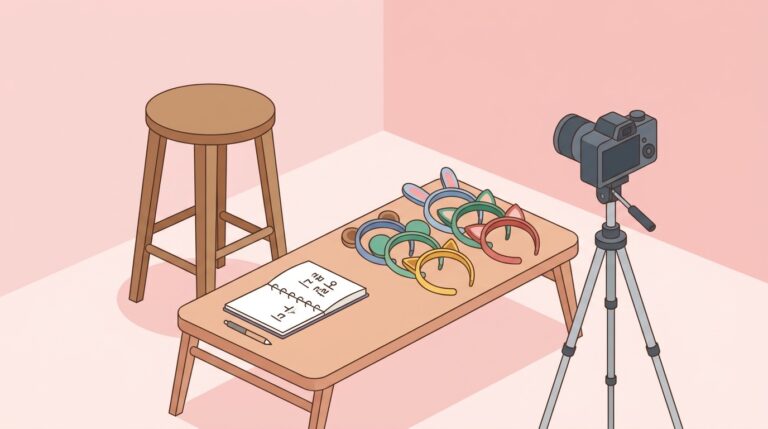
Imagine this: You walk into a trendy, aesthetic photo studio in Hongdae, Seoul. The lighting is perfect, the props are adorable, and you are ready to get that perfect profile picture (증명사진 – jeungmyeong-sajin) or a cute photoshoot with your friends. You sit on the stool, the professional camera is pointed at you, and the friendly photographer looks through the lens.
Suddenly, they say a word. You freeze. “Did they tell me to look over there? Did they say my hair looks weird?”
Don’t panic! More than 90% of our learners at Daily Hangul told us they felt incredibly nervous during their first Korean photoshoot because they couldn’t understand the photographer’s quick directions. Today, we are going to master the most important cue you will ever hear behind the camera: “웃으세요!” (Please smile!).
By the end of this guide, you won’t just understand this phrase—you’ll react to it naturally and strike a perfect pose like a K-Drama star! Let’s dive in!
Phase 2: Core 3 Expressions Deep Dive
Let’s break down the top three expressions photographers use to get you to show those beautiful pearly whites.
1. 웃으세요 (Useuseyo)
- Pronunciation: [Oo-seu-seh-yo] (Sounds like: “Oo” as in cool + “seu” as in the ‘su’ in ‘tsunami’ + “seh-yo”)
- Meaning: Please smile. / Please laugh.
- K-Culture Moment: You will hear this in almost every photoshoot, from casual self-studios (인생네컷) to high-end wedding shoots. In K-Dramas, you often see the main leads blushing when the photographer yells, “자, 두 분 더 가까이 서시고 웃으세요!” (Now, you two stand closer and smile!)
- Editor’s Insight: This comes from the verb 웃다 (utda – to smile/laugh). The “-세요” (seyo) ending makes it polite yet warm. It is not a cold command; it is an encouraging invitation to look happy!
- Situation Spectrum: Casual ✅ | Semi-formal ✅ | Formal ⚠️
- 🤔 Think About It: In your native language, do people command you to “smile,” or do they say a specific food word like “Cheese”? Why do you think Koreans say “Smile!” directly?
2. 미소를 지어보세요 (Miso-reul jieoboseyo)
- Pronunciation: [Mee-so-reul jee-uh-bo-seh-yo]
- Meaning: Try making a smile. / Give me a gentle smile.
- K-Culture Moment: This is used when the photographer wants a soft, elegant, non-toothy smile—perfect for professional headshots or ID photos.
- Editor’s Insight: 미소 (miso) means “a gentle smile/smirk”. 지어보세요 (jieoboseyo) comes from 짓다 (jitda – to make/build) combined with “try doing”. It’s a very soft, poetic way of asking you to warm up your face.
- Situation Spectrum: Casual ⚠️ | Semi-formal ✅ | Formal ✅
- 🤔 Think About It: How does your face change when someone asks for a “miso” (gentle smile) versus a big, loud laugh?
3. 치즈 하세요 (Chijeu haseyo)
- Pronunciation: [Chee-jeu ha-seh-yo]
- Meaning: Say “Cheese”.
- K-Culture Moment: Used heavily by family members, friends taking group photos, or friendly photographers breaking the ice with foreigners.
- Editor’s Insight: Yes! Koreans use “Cheese” too! However, we pronounce it as “Chijeu”. Saying the “eu” sound at the end naturally pulls the corners of your lips outward, creating a cute, authentic smile.
- Situation Spectrum: Casual ✅ | Semi-formal ✅ | Formal 🚫
- 🤔 Think About It: Try saying “Cheese” and “Chijeu”. Notice how the Korean pronunciation forces your cheek muscles slightly higher? It is a built-in smile hack!
Phase 3: Textbook Korean vs Real Korean
In textbooks, Korean language learning can sound very stiff and robotic. Here is how people actually speak in modern Seoul photo studios!
Scenario 1: Telling someone to smile
- 📖 Textbook Korean: “미소를 지으십시오.” (Miso-reul jieusipsio. – Please construct a smile.)
- 🗣️ Real Korean: “자, 자연스럽게 웃어볼게요~” (Ja, jayeon-seureopge useolgeyo~ – Alright, let’s smile naturally~)
- 💡 Why the difference? Photographers want you to feel relaxed. Using highly formal honorifics (지으십시오) makes the atmosphere feel like a military inspection, so they use the soft, inviting “~볼게요” (let’s try to) form instead.
Scenario 2: Getting ready to press the shutter
- 📖 Textbook Korean: “촬영을 시작하겠습니다.” (Chwaryeong-eul sijakhagessseumnida. – I will begin the filming.)
- 🗣️ Real Korean: “하나, 둘, 셋, 찰칵!” (Hana, dul, set, chalkak! – One, two, three, click!)
- 💡 Why the difference? “찰칵” (chalkak) is the cute Korean onomatopoeia for the sound of a camera shutter. It adds a playful and timely cue so you know exactly when to hold your breath and smile.
Phase 4: K-Culture Deep Dive & Non-verbal Etiquette
4-1. Nunchi (눈치) & Posings at the Studio
When the photographer says “웃으세요”, your body language matters just as much as your facial expression.
1. The Eye Smile (눈웃음 – Nun-useum): In Korea, a genuine smile must reach your eyes. Don’t just open your mouth wide; let your eyes crinkle naturally. This is considered highly charming and friendly (정감 가는 얼굴).
2. Hand Gestures: If the shoot is casual, don’t just stand there! Try the famous Finger Heart (손가락 하트) or the trendy Cheek Heart (볼하트) where you make half a heart with your hand and place it on your cheek.
4-2. The Rise of Self-Photo Studios (인생네컷)
If you walk down any street in Hongdae, Itaewon, or Gangnam, you will see bright, neon-lit shops called 인생네컷 (Insaeng-ne-keot – Life Four Cuts). These are self-photo booths where you grab silly animal headbands, sunglasses, and pose in front of an automated camera. There is no human photographer, but the screen will still display: “자, 웃으세요!” to prompt you. It’s a vital part of youth culture in Korea!
Phase 5: Real-Life Roleplay Scenario
Let’s practice! You are at a trendy studio in Seoul. Your photographer, Minho (민호), is professional, energetic, and wants to get the best out of you.
Characters:
- Minho (Photographer): Enthusiastic, uses lots of hand gestures, highly encouraging.
- Alex (You!): A bit nervous but excited to get some great photos.
- Minho: 자, 카메라 볼게요. 긴장 푸세요! [🎭 waves hand warmly to relax you]
(Ja, kamera bolgeyo. Ginjang puseyo! / Okay, let’s look at the camera. Relax your shoulders!) -
Alex: 네, 잘하고 싶어요! [🎭 smiles nervously and sits up straight]
(Ne, jalhago sipeoyo! / Yes, I want to do well!) -
Minho: 좋습니다! 고개 조금만 왼쪽으로요. 네, 좋아요. [🎭 gestures with his fingers to show the direction]
(Joseumnida! Gogae jogeumman oenjjogeuroyo. Ne, johayo. / Great! Tilt your head just a little to the left. Yes, good.) -
Alex: 이 정도요? [🎭 tilts head slowly]
(I jeongdoyo? / Like this much?) -
Minho: 완벽해요! 자, 이제 예쁘게 웃으세요~ [🎭 points to his own cheeks and smiles widely]
(Wanbyeokhaeyo! Ja, ije yeppeuge useuseyo~ / Perfect! Now, smile beautifully~) -
Alex: [🎭 thinks of something funny, lets out a natural eye-smile]
(Cheese~ / 치즈~) -
Minho: 아주 좋아요! 찍습니다! 하나, 둘, 셋, 찰칵! [🎭 presses the shutter button]
(Aju johayo! Jjiksumnida! Hana, dul, set, chalkak! / Excellent! Taking it now! One, two, three, click!) -
Alex: 휴, 잘 나왔나요? [🎭 relaxes and laughs]
(Hyu, jal nawan-nayo? / Phew, did it turn out well?)
🔀 Interactive Choice Point!
What if the photographer says: “자연스럽게 웃어볼게요!” but you are feeling too stiff? How do you respond?
- Choice A: (Freeze and say nothing) “…”
- Choice B: (Ask for a brief moment to practice) “잠시만요, 연습할게요!” (Jamsimanyo, yeonseuphalgeyo!)
- Choice C: (Tell them you are too nervous) “너무 긴장돼서 안 웃겨요!” (Neomu ginjang-dwaeseo an utgyeoyo!)
💡 Feedback on Your Choices:
- Best Choice: B – Asking for a short second to relax and practice your smile is highly respected in Korea. It shows you care about the output!
- Risk Choice: C – While honest, saying “I can’t smile because I’m nervous” might make the photographer feel awkward. Keep it positive!
- Bad Choice: A – Silence makes the photographer wonder if you understood them. Always say something!
Phase 6: 10-Second Emotion Shadowing Drill
Try speaking these lines out loud. Pay attention to the pauses (/) and the emotional cues in brackets!
- 자, / 카메라 보시고 / 웃으세요~!
- [😊 Bright and encouraging]
- Ja, / kamera bosigo / useuseyo~!
- 치즈~ / 할게요! / 하나, / 둘, / 셋!
- [🤪 Playful and high-energy]
- Chijeu~ / halgeyo! / hana, / dul, / set!
- 너무 / 긴장하지 / 마세요~
- [🥺 Warm, comforting, comforting a friend]
- Neomu / ginjang-haji / maseyo~
Phase 7: K-Culture Mini Dictionary
- 인생네컷 (Insaeng-ne-keot) | Life Four Cuts
- The absolute staple of Korean youth hangouts. It refers to 4-panel photo strip booths found all over cities.
- 보정 (Bojeong) | Photo Editing / Touch-up
- This is where the real magic happens! Korean photo studios are famous for their flawless, natural-looking photoshop skills (보정).
- 소품 (Sopum) | Props
- Items like flower bouquets, headbands, or funny glasses used to make the photo more fun and interactive.
- 작가님 (Jakga-nim) | Photographer / Artist
- A respectful way to address the photographer. Always call your photographer “작가님” (Jakga-nim) instead of “Hey, you” or “Photographer”.
Phase 8: Survival Kit for Travelers
Survival Expressions TOP 3
- 자연스럽게 해주세요. (Jayeon-seureopge hae-juseyo.)
- Meaning: Please make it look natural. (Great to say before they start editing your photo!)
- 보정 많이 해주세요! (Bojeong mani hae-juseyo!)
- Meaning: Please do a lot of retouching/photoshop! (Say this with a wink if you want that flawless K-beauty look.)
- 한 번만 더 찍어주세요. (Han beonman deo jjigeo-juseyo.)
- Meaning: Please take one more picture.
🗺️ Editor’s Travel Note
If you are planning to visit a famous studio in Seoul (like those in Hongdae or Sinsa-dong), always book ahead! Many popular studios don’t accept walk-ins. You can use the Naver Map App to find highly rated studios near you and book directly using their built-in booking system. Keep in mind that some boutique studios might charge a booking deposit!
Phase 9: “A Step Deeper” (Cultural Reflection)
In Korea, taking photos isn’t just about saving memories; it is a profound way of celebrating 청춘 (Cheongchun – Youth). Koreans love to capture themselves at their best age, creating beautiful headshots called “소장용 프로필” (personal keepsake profiles) just to document their current phase of life. There’s a beautiful cultural belief that “Today is the youngest day of the rest of your life.” So, when a Korean photographer tells you to smile, they are asking you to capture your youth beautifully.
💬 Your Turn: Do people in your country take professional portraits just for fun or keepsakes, or only for official IDs? Let me know in the comments below!
Phase 10: FAQ & Avoiding Misunderstandings
Q: Can I ask the photographer to change the music if I feel too stiff?
A: Absolutely! Korean photographers want you to be comfortable. You can ask, “노래 좀 바꿔주실 수 있나요?” (Can you change the music?) to put on your favorite K-Pop track to lift your mood.
Q: What should I say when the photo shoot is finished?
A: Always bow slightly and say, “수고하셨습니다!” (Sugohasyeossnida! – Thank you for your hard work!). This is the ultimate polite sign-off in Korean working culture.
Q: Is it okay to bring my own props?
A: Yes! Most studios encourage it. Just let the ‘Jakga-nim’ know beforehand.
🚨 Common Mistakes Alert!
- Mistake 1: Doing a peace sign (V) during a formal passport photo.
- Correct Action: Keep your hands down and focus only on a gentle smile (미소).
- Mistake 2: Ignoring the photographer’s cues because you are embarrassed.
- Correct Action: Respond with “네!” (Yes!) and try your best. They are professionals and want you to look beautiful!
- Mistake 3: Not looking at the actual lens (looking at the screen instead).
- Correct Action: Find the little green or red dot on the actual camera lens and keep your eyes locked there.
Phase 11: Action Mission & Engagement
Are you ready to practice in real life? Take on our 3-step challenge!
- 🥉 Bronze Mission: Practice saying “웃으세요!” in front of your mirror and immediately flash your best smile within 1 second.
- 🥈 Silver Mission: Take a selfie using a cute Korean pose (like the 볼하트 – cheek heart) and share it on Instagram. Tag us @DailyHangul with the hashtag
#SmileInKorean. - 🥇 Gold Mission: Walk into a local self-photo studio (like Life Four Cuts) and take a photo using the expressions you learned today!
K-Culture Mission!
Watch your favorite K-Drama today. Pay close attention to any scene where characters take a photo together. Can you hear the word “웃으세요” or “하나, 둘, 셋”? Tell us which drama you spotted it in!
Phase 12: Interactive Quiz Challenge
Test your new skills!
1. What does the photographer mean when they say “미소를 지어보세요”?
- A) Laugh out loud.
- B) Make a gentle smile.
- C) Tilt your head.
🔎 Click to see the answer!
Correct Answer: B
Explanation: “미소” (miso) means a gentle, soft smile. Perfect for formal profile pictures!
2. Fill in the blank: “하나, 둘, 셋, ______!” (Sound of camera clicking)
- A) 빵 (Ppang)
- B) 찰칵 (Chalkak)
- C) 딩동 (Dingdong)
🔎 Click to see the answer!
Correct Answer: B
Explanation: “찰칵” (chalkak) is the cute sound of a camera shutter in Korean!
3. True or False: You should call your professional photographer “Hey, you” in Korean.
- A) True
- B) False
🔎 Click to see the answer!
Correct Answer: B (False)
Explanation: You should always address them respectfully as “작가님” (Jakga-nim)!
“,







