

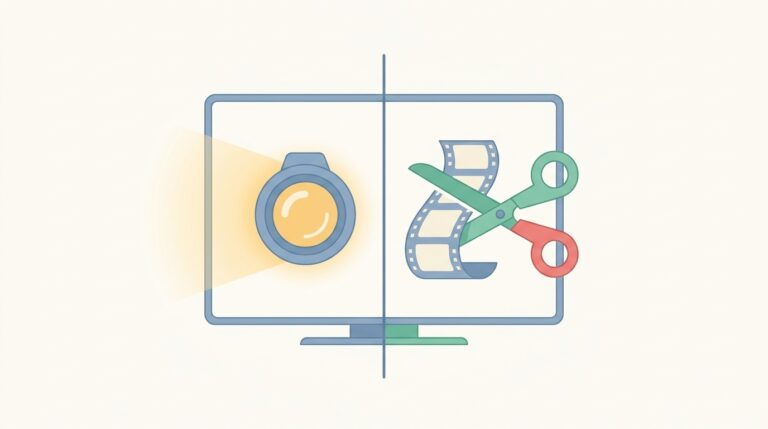
Beyond the Screen: Decoding Reality Show Manipulation and Authenticity in Korean Variety
Phase 1: 공감 (The Reality behind K-Reality TV)
안녕하세요! 매일한글 수석 에디터입니다.
Have you ever stayed up until 2 AM binge-watching a Korean reality dating show like Heart Signal (하트시그널) or Single’s Inferno (솔로지옥), only to find yourself scrolling through Korean forums analyzing whether a contestant’s tearful confession was actually “real” or just the result of a clever editing trick?
You are not alone. For advanced Korean learners, diving into the discourse surrounding reality TV is the ultimate test of cultural and linguistic fluency. When Korean netizens debate “방송 조작” (broadcast manipulation) or “악마의 편집” (evil editing), they aren’t just complaining about entertainment—they are dissecting deep-seated societal values regarding honesty, social responsibility, and interpersonal ethics.
Today, we are moving beyond textbook dialogues to dissect the sharp, analytical, and highly nuanced language of K-variety authenticity. By the end of this guide, you will be able to dissect a controversy just like a native industry insider.
Phase 2: 핵심 표현 3선 심층 분석 (Core 3 Expressions Deep-Dive)
1. 악마의 편집 (Ak-ma-ui pyeon-jip)
- Pronunciation: Ak-ma-ui pyeon-jip (Sounds like “Ahk-mah-wee pyuhn-jeep”)
- Meaning: “Evil editing” (Manipulative editing that distorts a person’s character or the timeline of events for dramatic effect).
- K-Culture Moment: Used heavily in Mnet’s survival auditions (like Street Woman Fighter or the Produce series) where a momentary sigh from a contestant is spliced to make them look incredibly rude.
- Editor’s Insight: While Western TV acknowledges “frankenbiting,” in Korea, 악마의 편집 carries a heavy moral condemnation. It implies the production team is actively ruining a real person’s life for commercial profit.
- Situation Spectrum: Casual ✅ | Semi-formal ✅ | Formal ⚠️
- 🤔 Think About It: Why does Korean society react so strongly to editing? It ties back to the cultural importance of group harmony. Making someone look like a “villain” who disrupts the collective vibe is viewed as a highly malicious act.
2. 진정성 (Jin-jeong-seong)
- Pronunciation: Jin-jeong-seong (Sounds like “Jin-juhng-suhng”)
- Meaning: Authenticity, genuineness, sincerity.
- K-Culture Moment: This is the holy grail of Korean reality TV. When a celebrity is accused of acting solely for fame, netizens will question their 진정성.
- Editor’s Insight: It is not just about being “real”; it is about having pure, unadulterated intentions. If a contestant on a dating show is caught having an active modeling contract, the public feels their 진정성 was compromised.
- Situation Spectrum: Casual ✅ | Semi-formal ✅ | Formal ✅
- 🤔 Think About It: How does 진정성 differ from merely being “natural” in your native culture? In Korea, it requires a alignment of inner thoughts, outer actions, and past history.
3. 대본설 (Dae-bon-seol)
- Pronunciation: Dae-bon-seol (Sounds like “Dae-buhn-suhl”)
- Meaning: “Script conspiracy” / “Script theory” (The suspicion that a supposedly unscripted reality show is actually fully scripted).
- K-Culture Moment: Frequently brought up when a bizarre, dramatic twist happens in a variety show that seems too perfect to be true.
- Editor’s Insight: The suffix -설 (설/theory/rumor) shows that this is an ongoing public debate or speculation, rather than an established fact.
- Situation Spectrum: Casual ✅ | Semi-formal ✅ | Formal 🚫
- 🤔 Think About It: The existence of 대본설 reflects a healthy skepticism among Korean viewers who refuse to be passive consumers of media.
Phase 3: 교과서 한국어 vs 진짜 한국어 (Textbook vs Real Korean)
Let’s compare stiff, textbook sentences with the sharp, conversational phrases used by native Korean critics.
Situation 1: Suspecting a show is fabricated
- 📖 Textbook: “이 프로그램은 인위적으로 조작된 것 같습니다.”
(I think this program has been artificially manipulated.) - 🗣️ 진짜 한국어: “이거 아무리 봐도 대본 티 너무 나지 않아? 대놓고 주작이잖아.”
(No matter how I look at this, the script is way too obvious. It’s flat-out fabricated.) - 💡 Why the difference? 티가 나다 (to show/be obvious) and 주작 (slang for fabrication) make your speech sound natural, emotionally engaged, and sharp.
Situation 2: Defending a show’s genuineness
- 📖 Textbook: “출연진의 감정은 거짓이 없다고 믿습니다.”
(I believe the cast’s emotions have no falsehood.) - 🗣️ 진짜 한국어: “리액션 보니까 대본은 절대 아님. 저건 백 퍼센트 날것의 찐 반응이야.”
(Looking at their reactions, there’s no way it’s scripted. That is a 100% raw, genuine response.) - 💡 Why the difference? C2 speakers use words like 날것 (raw, unrefined) and 찐 (slang for genuine/authentic) to describe pure, unedited moments in life.
Phase 4: K-Culture 딥다이브 & 비언어적 매너 (Cultural Nuances & Body Language)
4-1. The Body Language of Skepticism and Belief
In Korean media discussions, how you present your opinion is key.
* The Sarcastic Nod (영혼 없는 리액션): If you want to mock a show’s lack of authenticity, Koreans often do a slow, exaggerated nod with blank eyes, saying, “아… 진짜 리얼이네…” (Ah… totally real…).
* The Forehead Pinch (현타 제스처): When a show gets caught in a massive fabrication, netizens describe getting “현타” (hyeon-ta / reality hit) by pinching the bridge of their nose between their thumb and index finger, sighing deeply.
4-2. The Watchdog: 네티즌 수사대 (Netizen Detectives)
In Korea, reality TV authenticity is guarded by the 네티즌 수사대 (Netizen Detectives). When a dating show contestant claims they don’t know another contestant, these internet sleuths will dig up Instagram photos from five years ago proving they attended the same wedding. This intense scrutiny means that “진정성” is not just a preference; it is a survival requirement for Korean public figures.
Phase 5: 실전 롤플레이 시나리오 (Real-life Debate Scenario)
Setting: Two media-savvy friends, Jimin (the skeptic) and Suhyun (the romantic optimist), are discussing the finale of a massive reality dating show over coffee.
- 지민 (Jimin): [🧐 아이스 아메리카노를 저으며] 야, 어제 피날레 봤어? 솔직히 이번 커플 매칭은 너무 대본설이 돌던데.
(Hey, did you watch the finale yesterday? Honestly, the rumors about a script for this couple match are everywhere.) - 수현 (Suhyun): [🥺 억울한 듯 가슴에 손을 얹고] 에이, 아무리 그래도 마지막 눈물 흘릴 때는 진짜 같았어. 출연자들 진정성을 의심하진 말자.
(Come on, even so, when they shed those last tears, it felt so real. Let’s not doubt the contestants’ sincerity.) - 지민 (Jimin): [😏 냉소적인 미소를 지으며] 그 눈물 직전에 잘린 컷 봐봐. 악마의 편집으로 감정선 억지로 짜 맞춘 티가 팍팍 나더라고.
(Look at the cut right before those tears. It was so obvious they forced those emotions together using evil editing.) - 수현 (Suhyun): [🤦♀️ 이마를 짚으며] 넌 너무 매사 비판적이야! 제작진이 개입은 했겠지. 그래도 둘의 케미는 날것 그대로였다니까?
(You are always so critical! Sure, the production team probably intervened. But their chemistry was completely raw and real!) - 지민 (Jimin): [📱 스마트폰으로 커뮤니티 글을 보여주며] 여기 네티즌들이 찾아낸 증거 좀 봐. 촬영 타임라인이 앞뒤가 안 맞아. 완전 주작 수준이야.
(Look at the evidence the netizens found here. The shooting timeline doesn’t make sense. It’s practically on the level of fabrication.) - 수현 (Suhyun): [😳 충격받은 눈으로] 헐, 대박… 진짜네? 이 타임라인 왜 이래? 나 완전 과몰입하고 있었는데 배신감 느껴져.
(Whoa, crazy… is this for real? What’s up with this timeline? I was so hyper-focused and invested, now I feel totally betrayed.) - 지민 (Jimin): [😌 안타까운 듯 다독이며] 원래 한국 리얼리티 예능이 그래. 시청률 잘 나오려고 무리하게 자극적인 양념을 치는 거지.
(That’s just how Korean reality TV is. They aggressively season it with drama just to get high viewership ratings.) - 수현 (Suhyun): [😤 주먹을 쥐며] 아, 진짜 피디한테 해명글 쓰라고 청원이라도 올리고 싶다. 우리 진심을 돌려내!
(Ah, seriously, I want to file a petition telling the PD to write a clarification post. Give us back our sincere feelings!)
🔀 Choose Your Response:
What should Suhyun say next to challenge Jimin’s cynicism?
- A) “그래도 이런 자극적인 맛에 보는 거 아니겠어?” (But isn’t this dramatic taste exactly why we watch it?)
- 👉 Feedback (Best): Perfect! It acknowledges the guilty-pleasure nature of Korean variety while utilizing conversational slang metaphorically (“맛”).
- B) “저는 제작진의 편집 기술을 존경합니다.” (I respect the editing skills of the production team.)
- 👉 Feedback (Bad): Too formal, and destroys the friendly dynamic of the debate.
- C) “이제부터 예능은 절대 보지 않을 거야.” (From now on, I will never watch variety shows.)
- 👉 Feedback (Risk): A bit too dramatic and doesn’t leave room for continuing the fun conversation.
Phase 6: 10초 감정 섀도잉 드릴 (10-Second Emotional Shadowing)
To master C2 Korean, you must master the rhythm of skepticism and defense. Read these aloud emphasizing the pauses / and embodying the emotional cues!
- [😒 Skeptical, squinting your eyes slightly]
“아무리 / 예능이라지만 / 이건 대놓고 / 주작이잖아.”
(A-mu-ri / ye-neung-i-ra-ji-man / i-geon dae-no-ko / ju-jak-i-ja-na.) -
[🥺 Earnest, trying to convince a cynical friend]
“편집으로 / 왜곡했을지 몰라도 / 출연자들의 눈물은 / 진짜였어.”
(Pyeon-jip-eu-ro / wae-gok-haet-eul-ji mol-la-do / chul-yeon-ja-deul-ui nun-mul-eun / jin-jja-yeot-eo.)
Phase 7: K-Culture 미니 사전 (Mini-Dictionary)
- 주작 (Ju-jak) | Fabrication | Originally a slang derived from internet gaming scandals, now widely used to describe any fake or artificially staged situation in life.
- 해명 (Hae-myeong) | Clarification/Explanation | When a controversy erupts, the public demands a “해명문” (written clarification) from the creator or celebrity.
- 현타 (Hyeon-ta) | Reality Check / Reality Hit | A portmanteau of “현자타임” (wise-man time). That sudden, sobering moment when you realize you’ve spent too much emotion on something fake.
- 과몰입 (Gwa-mor-ip) | Hyper-fixation / Over-investment | Becoming excessively emotionally invested in a show, fictional characters, or celebrity lives.
Phase 8: 여행자를 위한 생존 키트 (Traveler’s Survival Kit)
Survival Expressions for K-Drama/Variety Lovers
- “이거 진짜 실화예요?” (Is this actually a true story/real situation?)
- Pro Tip: Use this when reacting to something unbelievable happening in front of you.
- “스포 하지 마세요!” (No spoilers, please!)
- Pro Tip: Keep your friends from ruining the dramatic twist of a show.
- “오늘 본방사수 해야 해요.” (I must watch the original live broadcast today.)
- Pro Tip: Tell this to your friends when you need to rush back to your hotel to watch a live finale.
Editor’s Travel Note:
To discuss television in real-time with Korean netizens, download the Wavve App on Google Play or TVING App on Google Play for legal streaming access while in Korea. Note: App availability and licensing terms may vary depending on region and device updates.
Phase 9: “한 발 더 깊이” (Deep Reflection)
Why is Korea so obsessed with “진정성” (sincerity)?
In a highly connected, high-context society, public figures are viewed through a moral lens rather than just as entertainers. Because of this, when a reality show is exposed as “주작” (fabricated), the audience feels a deep sense of personal betrayal. They feel that their empathy—their shared emotion—was exploited for money. This unique cultural trait explains why Korean celebrities often release handwritten apologies for things that Western celebrities might dismiss with a simple PR tweet.
💬 Your Turn: What do you think? Should reality shows be allowed to bend the truth for entertainment, or is authenticity paramount? Let us know in the comments below!
Phase 10: FAQ & 오해 방지 (FAQ & Common Mistakes)
Q: Can I use “주작” in a professional or academic setting?
A: Absolutely not. 주작 is heavy slang. In formal research papers or official news articles, use “조작” (jo-jak) or “왜곡” (wae-gok / distortion) to maintain professional credibility.
Q: What is the exact difference between “진심” (Jin-sim) and “진정성” (Jin-jeong-seong)?
A: While both mean sincerity, 진심 is a noun representing your raw heart or true feelings (“내 진심을 알아줘”). 진정성 is a noun attribute representing the state of being authentic and consistent (“그 사람의 태도에는 진정성이 있다”).
Q: How do I identify “악마의 편집” while watching Korean TV?
A: Look for dramatic sound effects, repeating the same shocking clip three times from different angles, or reaction shots where the background music suddenly cuts out. These are the signature techniques of K-editors.
🚨 흔한 실수 (Common Mistakes) Warning Board
- Saying “대본” instead of “대본설”: If you say “그 예능은 대본이다,” you are asserting it as a proven fact. If you are speculating, you must say “대본설이 돌고 있다” (script rumors are circulating).
- Using “주작하다” incorrectly: Don’t use it for minor adjustments. 주작 refers to malicious or highly deceitful fabrication.
- Confusing “진실성” and “진정성”: 진실성 refers to factual truthfulness (not lying), while 진정성 refers to the purity and sincerity of one’s heart and actions.
Phase 11: 액션 미션 & 참여 유도 (Action Missions)
- 🥉 Bronze Mission: Find your favorite Korean variety show clip and write one sentence in the YouTube comments using the word 진정성 or 대본설.
- 🥈 Silver Mission: Share this post on Twitter or Instagram with your take on reality show editing, using the hashtag
#매일한글and#DailyHangul. - 🥇 Gold Mission: Strike up a conversation with a native speaker and ask them: “요즘 예능들은 너무 주작 티가 많이 나지 않아요?”
Phase 12: 인터랙티브 퀴즈 챌린지 (Interactive Quiz)
Test your mastery of C2 entertainment vocabulary!
1. Which word best fits the blank?
“그 프로그램은 감동적인 장면을 만들기 위해 타임라인을 교묘히 섞는
___________을/를 저질렀다.”
- A) 진정성
- B) 악마의 편집
- C) 본방사수
2. True or False?
“주작” is a highly polite word recommended for use in formal business emails.
🔍 Click here to reveal the answers and explanations!
Answers:
- B) 악마의 편집
- Explanation: The sentence describes distorting the timeline to force an emotional scene, which is the textbook definition of “evil editing.”
- False
- Explanation: “주작” is highly colloquial internet slang. Using it in a business setting would be considered unprofessional. Use “조작” instead!







