

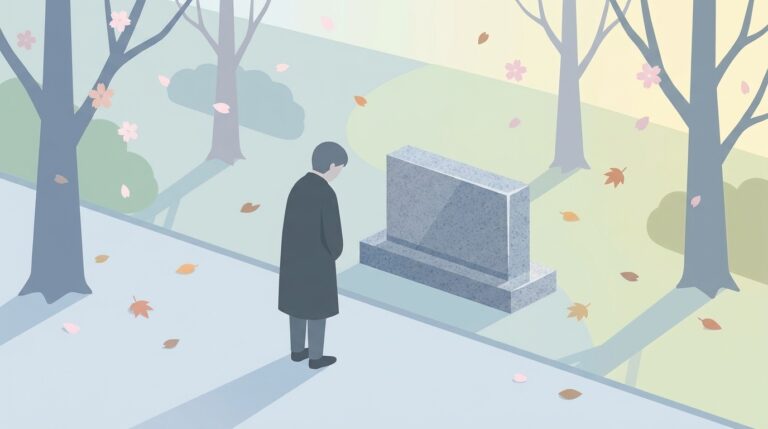
Navigating Korea’s Dark Tourism: A C2 Guide to Ethics, History, and Respectful Language
Phase 1: Empathy (An Invitation to Deep Reflection)
안녕하세요! Welcome back to another Masterclass edition of Daily Hangul. I’m your senior editor and cultural navigator.
Imagine walking into the chilly, red-brick corridors of Seodaemun Prison History Hall (서대문형무소역사관) on a quiet, overcast Tuesday afternoon. The air is heavy with the weight of decades-old struggles for independence. Your Korean friend stands next to you, looking silently at the cell doors. You want to break the silence, to share the profound emotion swelling inside you. But suddenly, you freeze.
Standard textbook Korean runs through your head: “여기 아주 재미있어요!” (This place is very fun!) or “슬퍼요.” (I am sad). You instantly realize how horribly inappropriate, flat, or even disrespectful these sound.
This is the classic pain point for advanced learners. When engaging with Dark Tourism (다크 투어리즘)—the practice of visiting sites associated with historical tragedy, death, and national grief—ordinary conversational Korean fails you. To discuss these deep, sensitive topics ethically, you need the linguistic precision of a cultural insider. Today, we will step beyond basic vocabulary and dive into the philosophical, respectful, and sophisticated expressions that show you truly understand the weight of Korean history.
Phase 2: Deep Dive into 3 Core Expressions
1. 묵념하다 (mung-nyeom-ha-da)
- Pronunciation: [mung-nyeom-ha-da] / Sound-alike: mung-nyum-ha-da (The ‘k’ sound in ‘muk’ assimilates into a nasal ‘ng’ sound before ‘n’, a classic Korean pronunciation rule!)
- Meaning: To observe a moment of silent tribute; to pray in silence.
- K-Culture Moment: You will see this word used at national ceremonies on Memorial Day (현충일) or when visitors pay their respects at the Gwangju National 5.18 Cemetery (국립5·18민주묘지).
- Editor’s Insight: This isn’t just “being quiet” (조용히 하다). It is an intentional, highly respectful ritual of remembering the deceased.
- Situation Spectrum:
- Friends/Casual: ⚠️ Too formal for light banter, but usable if discussing the visit seriously.
- Semi-formal: ✅ Highly appropriate when visiting sites with peers or colleagues.
- Formal/Business: ✅ Perfect for official memorial events or educational tours.
- 🤔 Think About It: Why does Korean have a specific verb for silent tribute instead of just using “remembering in silence”? It reflects the deep Confucian emphasis on formal, visible acts of respect for ancestors and national heroes.
2. 성찰하다 (seong-chal-ha-da)
- Pronunciation: [seong-chal-ha-da] / Sound-alike: sung-chahl-ha-da
- Meaning: To self-reflect; to examine one’s own conscience or humanity in light of history.
- K-Culture Moment: Often found in museum brochures and intellectual K-Dramas like Mr. Sunshine (미스터 션샤인), where characters ponder their duty to the nation.
- Editor’s Insight: To seongchal is to look inward. When you visit a dark tourism site, you don’t just look at the exhibits; you seongchal on the lessons of the past to build a better future.
- Situation Spectrum:
- Friends/Casual: ⚠️ Slightly academic, but great when having a deep, late-night philosophical talk.
- Semi-formal: ✅ Excellent for group discussions after visiting a historic site.
- Formal/Business: ✅ The golden standard for academic, ethical, and public discourse.
- 🤔 Think About It: How does your native language distinguish between simple “reflection” and deep “moral self-examination”?
3. 기리다 (gi-ri-da)
- Pronunciation: [gi-ri-da] / Sound-alike: key-ree-dah
- Meaning: To honor, praise, or commemorate the achievements or sacrifice of those who passed.
- K-Culture Moment: Frequently used in modern tribute songs or when local communities put up banners to remember historical figures.
- Editor’s Insight: This is a highly poetic and beautiful verb. Unlike 기억하다 (to remember), 기리다 actively elevates the memory of the person or event with immense gratitude.
- Situation Spectrum:
- Friends/Casual: ⚠️ Very literary, but demonstrates breathtaking fluency when used correctly.
- Semi-formal: ✅ Highly respectful when discussing historical figures.
- Formal/Business: ✅ The absolute standard in speeches, literature, and news reporting.
- 🤔 Think About It: 기리다 is often confused with 그리다 (to long for/miss). While 그리다 is personal longing, 기리다 is a collective, respectful commemoration.
Phase 3: Textbook Korean vs. Real Korean (Real Korean Showcase)
Let’s look at how standard textbook phrases sound compared to the emotionally resonant, advanced expressions used by culturally fluent speakers.
Situation 1: Sharing your feelings at a memorial site
- 📖 Textbook Korean: “여기는 아주 슬픈 곳이네요.” (This is a very sad place.)
- 🗣️ Real Korean: “역사의 비극과 아픔이 고스란히 느껴져 마음이 깊이 숙연해지네요.” (Feeling the historical tragedy and pain so vividly makes my heart grow deeply solemn and reverent.)
- 💡 Why the difference?: The textbook version sounds detached and childish. The real Korean version uses 고스란히 (vividly/intactly) and 숙연해지다 (to become solemn), showing emotional maturity and empathy.
Situation 2: Advising someone to behave respectfully
- 📖 Textbook Korean: “여기서 웃거나 장난치면 안 됩니다.” (You must not laugh or play around here.)
- 🗣️ Real Korean: “희생자분들을 추모하는 경건한 공간이니, 조금만 정숙히 행동하는 게 예의일 것 같아요.” (Since this is a sacred/solemn space to mourn the victims, it would be respectful to act quietly.)
- 💡 Why the difference?: Direct prohibitions in Korean can sound overly aggressive or policing. The real version uses soft, indirect sentence endings (~하는 게 예의일 것 같아요) while establishing a firm ethical boundary by highlighting 추모 (mourning) and 경건 (reverence).
Phase 4: K-Culture Deep-Dive & Non-Verbal Manners
4-1. Nunchi (눈치) and Body Language at Dark Tourism Sites
Visiting locations of historical trauma in Korea requires flawless non-verbal nunchi.
* The Head Bow: When walking past memorial alters or monument walls, a subtle, slow 15-degree bow of the head is the universal sign of respect.
* The Photo Etiquette: Absolutely avoid the “V-sign” (브이) in photos at these locations. Taking selfies with cheerful smiles is considered highly offensive. If you must take a photo to document your journey, keep your expression neutral and respectful.
* The Left-Hand Support: If you are laying a flower (usually a white chrysanthemum) at a memorial, hold the flower with your right hand and gently support your right forearm with your left hand. This is a traditional gesture of ultimate respect.
4-2. Cultural Code: ‘Han’ (한) and Cinema
To truly understand Korean dark tourism, you must understand the concept of 한 (Han)—a uniquely Korean emotional state of deep, unresolved grief, resentment, and collective sorrow caused by historical suffering.
When you watch movies like A Taxi Driver (택시운전사, 2017) or 1987: When the Day Comes (1987, 2017), the narrative doesn’t just focus on politics; it focuses on the Han of the ordinary citizens. Korean dark tourism is not about seeking a “thrill” or “aesthetic tragedy.” It is an active cultural process of transforming Han into hope through collective remembrance.
Phase 5: Interactive Roleplay Scenario
Setting: A rainy autumn afternoon inside the memorial hall at Jeju 4·3 Peace Park (제주 4·3 평화공원). The rain taps gently on the skylight.
Cast: You (the Reader) and Ji-won (지원), a local guide who lost ancestors during the historical incident.
- Ji-won: (우산을 접으며 차분한 목소리로) 여기에 오면 항상 마음이 무거워집니다. 제 증조할아버지께서도 이 사건의 희생자이셨거든요.
(Folding her umbrella, in a calm voice: Coming here always makes my heart heavy. My great-grandfather was also a victim of this incident.) - You: (지원의 슬픔을 공감하며) 아… 그런 가슴 아픈 가족사가 있으셨군요. 감히 제가 그 슬픔을 다 헤아릴 수는 없겠지만, 깊은 위로를 전합니다.
(Sympathizing with Ji-won’s grief: Ah… you have such a heartbreaking family history. I dare not say I can fully fathom that sadness, but I offer my deepest condolences.) - Ji-won: (눈빛에 고마움을 담아 고개를 끄덕이며) 알아주셔서 감사합니다. 많은 외국인 관광객분들이 그냥 아름다운 제주도의 한 장소로만 알고 지나치곤 하셔서 가끔은 쓸쓸했거든요.
(Nodding with gratitude in her eyes: Thank you for understanding. Sometimes it felt lonely because many foreign tourists pass by, knowing Jeju only as a beautiful island.) - You: (전시관의 희생자 명단을 바라보며) 제주도의 아름다움 이면에 이런 참혹한 아픔이 있었다는 사실을 결코 잊지 않겠습니다.
(Looking at the list of victims in the exhibition hall: I will never forget the fact that such tragic pain lay behind the beauty of Jeju Island.) - Ji-won: (화제를 바꾸며 조심스럽게) 저기 앞에 있는 위령탑에서 잠시 묵념을 올리려고 하는데, 같이 가시겠어요?
(Changing the subject carefully: I am going to pay a silent tribute at the memorial tower over there, would you like to join me?)
🔀 Decision Point: What do you say?
- Option A: “네, 기꺼이요. 희생자분들의 넋을 기리고 제 자신을 성찰하는 시간을 갖고 싶습니다.”
(Yes, gladly. I want to take some time to honor the souls of the victims and reflect on myself.) - Option B: “슬픈 건 너무 싫지만, 가 드릴게요.”
(I really hate sad things, but I will go with you.) - Option C: “네, 사진 찍어도 되는 곳인가요?”
(Yes, is it a place where I can take photos?)
🏆 Best Choice Analysis (Option A):
Option A is the ultimate display of C2 fluency. By using 넋을 기리다 (honor the souls) and 성찰하다 (self-reflect), you show that you understand the true ethical purpose of dark tourism. Ji-won will feel deeply understood and respected.
🚫 Risk Choice Analysis (Options B & C):
Option B is highly insensitive. Expressing personal discomfort with “sad things” trivializes historical trauma.
Option C, while pragmatic, shows poor timing (nunchi). Asking about photography right before a silent tribute breaks the solemn atmosphere.
Phase 6: 10-Second Emotion Shadowing Drill
Practice speaking these phrases with the correct emotional weight and pausing (/). Do not rush; let the gravity of the words settle in.
Drill 1: [🙏 Reverent and Deeply Respectful]
- Sentence: “이곳에 잠든 / 모든 분들의 숭고한 희생을 / 머리 숙여 기립니다.”
- Pronunciation: [I-gose jam-deun / mo-deun bun-deu-ri sung-go-han hui-saeng-eul / meo-ri su-gyeo gi-rim-ni-da.]
- Translation: “With bowed head, I honor the noble sacrifice of everyone who rests here.”
Drill 2: [😔 Solemn and Empathetic]
- Sentence: “역사를 기억하지 않는 민족에게 / 미래는 없다는 말을 / 다시금 성찰하게 되네요.”
- Pronunciation: [Yeok-sa-reul gi-eok-ha-ji an-neun min-jo-ge-ge / mi-rae-neun eop-da-neun ma-reul / da-si-geum seong-chal-ha-ge doe-ne-yo.]
- Translation: “It makes me reflect once again on the saying that a nation that forgets its history has no future.”
Phase 7: K-Culture Mini Dictionary
- 추모 (Chumo / Mourning & Commemoration):
The act of longing for and honoring the deceased. In dark tourism, this is the primary purpose of visiting. - 역사의 참상 (Yeok-sa-ui Chamsang / Horrors of History):
The gruesome and tragic reality of past events. Used when discussing the gravity of war or oppression. - 숭고하다 (Sung-go-hada / To be Noble & Sublime):
Used to describe the sacrifices made for a higher, moral cause, such as national independence or human rights. - 역사적 부채의식 (Yeok-sa-jeok Buchae-uisik / Historical Debt/Guilt):
An advanced concept representing the sense of responsibility that younger generations feel toward the sacrifices of their ancestors.
Phase 8: Traveler’s Survival Kit
If you are planning to visit historical sites in Korea, keep these three survival phrases ready:
Survival Phrases TOP 3
| Korean | Pronunciation | Pro Tip |
|---|---|---|
| 사진 촬영이 허용되는 구역인가요? | [Sa-jin chwal-yeong-i heo-yong-doe-neun gu-yeok-in-ga-yo?] | “Is photography allowed in this area?” Use this before taking out your camera to avoid offending staff. |
| 해설사님의 설명을 들을 수 있을까요? | [Hae-seol-sa-nim-ui seol-myeong-eul deu-reul su is-seul-kka-yo?] | “Can I listen to the guide’s explanation?” Most historical sites offer free guided tours. |
| 삼가 고인들의 명복을 빕니다. | [Sam-ga go-in-deul-ui myeong-bo-geul bim-ni-da.] | “May the souls of the deceased rest in peace.” Write this in memorial guestbooks. |
📌 Editor’s Travel Note
When traveling to sensitive historical sites, avoid using foreign map services as they often lack updated operating hours or accurate translation of historical terms. Instead, download the Naver Map App for flawless local navigation. For deep background research on cultural assets, check the Korean Cultural Heritage Administration Homepage.
Phase 9: Deep Reflection — “One Step Deeper”
Korea’s modern history is a tempest of colonization, war, division, and rapid democratization. Consequently, dark tourism sites in Korea are not just passive “museums.” They are active battlegrounds of memory, where survivors are still living, and political debates are still unfolding.
When we visit these spaces, we must remember that the pain on display is not ancient history—it is a living wound. Engaging with these sites ethically means we do not treat them as mere backdrops for social media. We are witnesses to their pain, and by learning the language of respect, we share the burden of their memory.
💬 Your Turn: How does your home country commemorate historical tragedies? What linguistic differences have you noticed when discussing painful topics in your native language versus Korean? Let’s share our thoughts in the comments below!
Phase 10: FAQ & Common Mistakes
Q: Can I visit Seodaemun Prison or the DMZ in casual clothing?
A: Depends. While there is no strict religious dress code, extremely revealing clothes (like crop tops or beachwear) are looked down upon. Opt for neat, smart-casual attire out of respect for the victims and the solemnity of the location.
Q: Is it okay to bring children to these sites?
A: Yes. Koreans highly value history education. You will see many Korean families teaching their kids about historical sacrifices. However, children are expected to be kept well-behaved and quiet.
Q: Can I use the word “재미있다” (interesting/fun) when talking about a museum?
A: No. Use “인상 깊다” (deeply impressive) or “뜻깊다” (meaningful) instead. Saying a tragedy is “interesting” can sound cold and insensitive.
🚨 Common Mistakes Alert!
- Mistake: Posting a selfie with a big grin at the DMZ or a memorial.
- Correct Action: Keep your expression respectful or take photos of the scenery and monuments instead of yourself.
- Mistake: Saying “고마워요” (Thank you) to a monument.
- Correct Action: Use “감사함을 기립니다” (We honor your sacrifice with gratitude).
- Mistake: Pointing your finger at a memorial altar or names of the deceased.
- Correct Action: Keep your hands naturally folded in front of you (공수 자세).
Phase 11: Action Missions
- 🥉 Bronze (At-Home Challenge): Read the Shadowing Drill sentences in Phase 6 aloud three times. Record your voice and focus on conveying a solemn, respectful tone.
- 🥈 Silver (Network Challenge): Share a post on your social media about a historical site in your country. Write a brief caption in Korean using the word 기리다 or 성찰하다.
- 🥇 Gold (Real-Life Challenge): The next time you visit a historical museum or site in Korea, write a solemn message in the visitor guestbook using the phrase: “역사의 아픔을 기리며, 늘 기억하겠습니다.” (Honoring the pain of history, I will always remember.)
Phase 12: Interactive Quiz Challenge
1. Situation Judgment
You are visiting the Memorial Tower at Jeju 4·3 Peace Park. Which of the following is the most appropriate action and phrase?
* A) Laughing with friends and saying “여기 진짜 예쁘다!”
* B) Stepping forward, bowing your head, and whispering “희생자들의 넋을 기립니다.”
* C) Posing with a peace sign for an Instagram photo.
🔍 Check Answer & Explanation
Correct Answer: B
Bowing and saying “희생자들의 넋을 기립니다” (I honor the souls of the victims) shows C2 linguistic and cultural mastery. Options A and C are disrespectful in this solemn zone.
2. Fill in the Blanks
“우리는 선조들의 숭고한 희생을 잊지 않고 늘 ( )야 합니다.”
(We must never forget and always honor the noble sacrifice of our ancestors.)
* Choice 1: 기려
* Choice 2: 버려
🔍 Check Answer & Explanation
Correct Answer: Choice 1 (기려 – from 기리다)
기리다 means to honor and commemorate, while 버리다 means to throw away.
3. True or False
True or False: It is perfectly acceptable to take smiling selfies in front of the prison cells at Seodaemun Prison History Hall as long as you do not use flash.
🔍 Check Answer & Explanation
Correct Answer: False
While flash photography rules exist to protect historical artifacts, smiling selfies in front of torture and imprisonment cells show a lack of nunchi and respect. Keep your expressions respectful and contemplative.







