

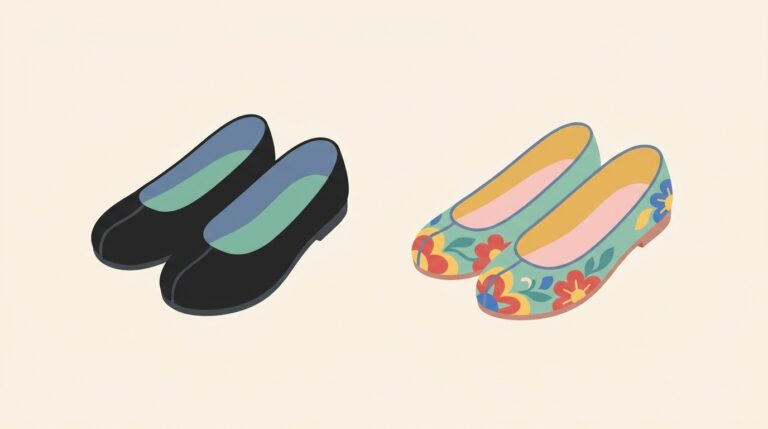
Waiting for the Flower Shoes: Understanding South Korea’s Unique Military Dating Culture
안녕하세요! (Annyeonghaseyo!) Hello there, beautiful souls! It is your favorite senior editor and cultural navigator from Daily Hangul here.
If you have ever watched a K-Drama where a handsome lead suddenly gets called to serve his country, or if you have watched your favorite K-Pop idol shave their head and bid farewell for 18 months, you have witnessed one of South Korea’s most intense, emotional, and culturally unique rites of passage: military service (군대 – Gundae).
But what happens to the lovers left behind? Today, we are diving deep into the bittersweet world of 곰신 (Gomsin) and the beautiful promise of 꽃신 (Kkotshin). This is not just a vocabulary lesson; it is a heart-warming masterclass in Korean romantic resilience. Let’s get started!
Phase 1: The Heartbreak of the “Military White Period” (군백기)
Imagine this: You are watching the hit K-Drama Crash Landing on You or Descendants of the Sun, weeping as the main characters are separated by duty. In real life, almost every young Korean couple faces this reality. When a young man enlists, his partner enters a long-term waiting game.
I remember one of my B2-level students, Sarah from Chicago, who was dating her Korean boyfriend, Minwoo. When Minwoo got his enlistment notice, Sarah was devastated and utterly confused by the cultural terms her Korean friends were using. “They keep telling me to wear rubber shoes, but I only own sneakers!” she laughed, though she was holding back tears.
Once Sarah understood the deep cultural context behind these terms, she did not just survive the 18 months—she became an honorary Korean community expert, sending customized care packages and bonding with other waiting partners. By learning these phrases, you will gain a profound understanding of Korean loyalty, societal expectations, and how love triumphs over duty.
Phase 2: 3 Key Expressions Deep Dive
Let’s unpack the three core expressions that define this emotional journey.
1. 고무신을 거꾸로 신다 (Gomusineul geokkuro sinda)
- Pronunciation: Go-mu-sin-eul geo-kku-ro sin-da /(Sound-alike: “Go-moo-seen-ool gyuk-koo-ro seen-da”)/
- Meaning: Literal: To wear rubber shoes backward. Real-world Nuance: To break up with or cheat on a partner who is serving in the military.
- K-Culture Moment: This phrase is the ultimate dread of every enlisted soldier. In K-Dramas, you will often see a soldier staring at a break-up text message during his precious phone time, while his squad mates whisper, “Did she wear her rubber shoes backward?”
- Editor’s Insight: Historically, if a woman was caught cheating while her husband was away, she would flee in such a hurry that she would put her traditional rubber shoes (고무신) on backward. Today, “Gomsin” (rubber shoes) is the shorthand nickname for a waiting girlfriend.
- Situation Spectrum:
- Casual/Friends: ✅ (Highly common)
- Semi-formal: ⚠️ (Use with caution when joking with colleagues)
- Formal: 🚫 (Too casual for professional settings)
- 🤔 Think About It: Why do you think Korean society created a specific shoe metaphor for breaking up during military service rather than just using a generic word like “breaking up” (헤어지다)? How does this reflect the community’s collective interest in a soldier’s morale?
2. 꽃신을 신다 (Kkotsineul sinda)
- Pronunciation: Kkot-sin-eul sin-da /(Sound-alike: “Kkot-seen-ool seen-da”)/
- Meaning: Literal: To wear flower shoes. Real-world Nuance: To successfully wait for your partner until they are discharged from the military, keeping the relationship alive.
- K-Culture Moment: On the day of military discharge (전역일), it is a popular custom for the boyfriend to gift his girlfriend a pair of shoes decorated with flowers—real or symbolic—to thank her for waiting.
- Editor’s Insight: If “rubber shoes” represent the humble, painful period of waiting, “flower shoes” represent the beautiful, blooming reward of loyalty and patience.
- Situation Spectrum:
- Casual/Friends: ✅
- Semi-formal: ✅
- Formal: ⚠️
- 🤔 Think About It: In your home culture, is there a specific ritual or symbolic gift that represents surviving a long-distance relationship or a period of separation?
3. 군화 (Gunhwa)
- Pronunciation: Gun-hwa /(Sound-alike: “Goon-hwah”)/
- Meaning: Literal: Military boots. Real-world Nuance: The boyfriend who is serving in the military.
- K-Culture Moment: Online forums in Korea are filled with “Gomsin and Gunhwa” (곰신과 군화) communities where partners share tips on sending care packages or navigating military base visits.
- Editor’s Insight: In Korean dating slang, couples are referred to as a pair: She is the “Gomsin” (rubber shoe) and he is the “Gunhwa” (military boot).
- Situation Spectrum:
- Casual/Friends: ✅
- Semi-formal: ⚠️
- Formal: 🚫
Phase 3: Textbook Korean vs. Real Korean
Let’s look at how textbooks fail to capture the emotional reality of these situations, and how real Koreans actually speak.
Scenario 1: Asking if someone’s boyfriend is in the army
- 📖 Textbook Korean: “남자친구가 군대에서 복무 중입니까?” (Is your boyfriend currently serving in the military?) – Too robotic and cold.
- 🗣️ Real Korean: “혹시 지금 곰신이세요?” (Are you a “Gomsin” right now?)
- 💡 Why the difference? Koreans prefer using friendly, empathetic labels that instantly build rapport. Calling someone a “Gomsin” acknowledges their sacrifice with a touch of warmth.
Scenario 2: Congratulating someone on their boyfriend’s discharge
- 📖 Textbook Korean: “남자친구의 전역을 축하합니다.” (Congratulations on your boyfriend’s military discharge.) – Sounds like an official government letter.
- 🗣️ Real Korean: “와, 드디어 꽃신 신었네요! 축하해요!” (Wow, you finally put on flower shoes! Congratulations!)
- 💡 Why the difference? The journey of waiting is seen as a joint effort. Congratulating the partner on “wearing flower shoes” honors her patience just as much as his service.
Phase 4: K-Culture Deep Dive & Non-Verbal Manners
4-1. Nunchi (눈치) & Non-Verbal Tips
When visiting a military base (면회 – Myeonhoe) or meeting a friend who is currently a soldier on leave (휴가 – Hyuga):
* Paying the Bill: It is a strong unwritten rule that civilians pay for the soldier’s meals and drinks. Soldiers earn a very modest stipend, and treating them is a sign of gratitude for their national service.
* Avoid Asking Sensitive Questions: Do not ask about difficult military drills, classified positions, or when they are going to get promoted. Instead, focus on positive topics: “What food did you miss the most?” or “What dramas have you been catching up on?”
4-2. The K-Pop “Military Hiatus” (군백기)
If you are a K-Pop fan, you have likely experienced the dreaded 군백기 (Gunbaekgi)—a portmanteau of “Military” (군대) and “Hiatus” (공백기). When members of groups like BTS or EXO enlist, the fandom collectively becomes a “Gomsin.” Fans count down the days, stream old music, and promise to “wear flower shoes” when the group reunites. This collective waiting builds an incredibly strong bond within the fandom!
Phase 5: Interactive Roleplay Scenario
The Setting: A cozy, warm cafe in Gangwon-do on a snowy winter afternoon. Outside, soldiers in uniform are walking by. You are sitting with your Korean friend, Minji, who has been waiting for her boyfriend, Jihoon, for 15 months.
The Cast:
* You: A supportive, culturally savvy friend (B2 level).
* Minji: A tired but dedicated Gomsin whose boyfriend is about to be discharged in three months.
The Dialogue
- Minji: 🎭 (Sighing warmly, holding a hot latte) 진짜 시간 안 간다… 지훈이 전역날만 기다리고 있어.
(Jin-jja si-gan an gan-da… Ji-hun-i jeon-yeok-nal-man gi-da-ri-go is-seo.)
“Time is really dragging… I’m only waiting for Jihoon’s discharge day.” -
You: 🎭 (Nodding sympathetically) 맞아요, 군대 기다리는 게 보통 일이 아니죠. 민지 씨 진짜 대단해요!
(Ma-ja-yo, gun-dae gi-da-ri-neun ge bo-tong il-i a-ni-jyo. Min-ji ssi jin-jja dae-dan-hae-yo!)
“I know, waiting for the military is no small feat. You are truly amazing, Minji!” -
Minji: 🎭 (Smiles weakly) 고마워. 처음에 지훈이 군대 보낼 때 주변에서 다들 고무신 거꾸로 신지 말라고 농담했었거든.
(Go-ma-wo. Cheo-eum-e Ji-hun-i gun-dae bo-nael ttae ju-byeon-e-seo da-deul go-mu-sin geo-kku-ro sin-ji mal-ra-go nong-dam-haes-seot-geo-deun.)
“Thanks. When I first sent Jihoon off, everyone around me joked that I shouldn’t wear my rubber shoes backward.” -
You: 🎭 (Laughing lightly) 에이, 민지 씨가 그럴 리가 없잖아요! 이제 고지가 눈앞이에요.
(E-i, Min-ji ssi-ga geu-reol li-ga eop-ja-na-yo! I-je go-ji-ga nun-ap-i-e-yo.)
“Oh come on, there’s no way you would do that! Now the finish line is right in front of you.” -
Minji: 🎭 (Eyes lighting up) 응, 이제 딱 3달 남았어! 다음 주에는 지훈이한테 줄 마지막 택배 상자를 준비하려고 해.
(Eung, i-je ttak se-dal nam-as-seo! Da-eum ju-e-neun Ji-hun-i-han-te jul ma-ji-mak taek-bae sang-ja-reul jun-bi-ha-ryeo-go hae.)
“Yeah, only 3 months left! Next week, I’m planning to prepare the final care package for Jihoon.” -
You: 🎭 (Enthusiastically) 우와, 진짜 마지막 조공이네요! 어떤 선물 넣을 거예요?
(U-wa, jin-jja ma-ji-mak jo-gong-i-ne-yo! Eo-tteon seon-mul neo-eul geo-ye-yo?)
“Wow, the very last tribute package! What kind of gifts are you going to put in?” -
Minji: 🎭 (Giggling) 비타민이랑 핸드크림, 그리고 손편지! 지훈이가 군대에서 손이 많이 트더라고.
(Bi-ta-min-i-rang haen-deu-kreu-im, geu-ri-go son-pyeon-ji! Ji-hun-i-ga gun-dae-e-seo son-i ma-ni teu-deo-ra-go.)
“Vitamins, hand cream, and a handwritten letter! Jihoon’s hands get so chapped in the army.” -
You: 🎭 (Warmly) 역시 세심하네요. 지훈 씨는 진짜 복 받았어요.
(Yeok-si se-sim-ha-ne-yo. Ji-hun ssi-neun jin-jja bok bad-as-seo-yo.)
“As expected, you are so thoughtful. Jihoon is truly blessed.” -
Minji: 🎭 (Looking at you expectantly) 너라면 어떨 것 같아? 만약 네 파트너가 군대에 간다면 기다릴 수 있겠어?
(Neo-ra-myeon eo-tteol geot ga-ta? Ma-nyak ne pa-teu-neo-ga gun-dae-e gan-da-myeon gi-da-ril su it-ges-seo?)
“What about you? If your partner went to the military, do you think you could wait?”
🔀 Decision Point: How do you respond to Minji?
- Option A: “당연히 기다려야죠! 사랑하면 군대 기간은 아무것도 아니에요.” (Of course I must wait! If you love someone, the military period is nothing.)
- Option B: “솔직히 자신이 없어요. 18달은 너무 길고 외로울 것 같아요.” (Honestly, I’m not confident. 18 months feels too long and lonely.)
- Option C: “상황에 따라 다를 것 같지만, 민지 씨 같은 멋진 곰신 친구가 도와준다면 도전해 볼래요!” (It probably depends on the situation, but if a cool Gomsin friend like you helps me, I’d give it a try!)
🏆 Decision Analysis:
- Best Choice: Option C. This response is emotionally intelligent, realistic, and highly engaging. It compliments Minji (“멋진 곰신 친구”) and invites further conversation.
- Risk Choice: Option A. While romantic, it might sound a bit dismissive of how genuinely difficult the wait is. Minji might feel her struggle is being minimized.
- Honest but Heavy Choice: Option B. This is a completely valid human feeling! However, in a supportive friendship context, pairing it with a bit of warmth or humor keeps the mood from dropping too low.
Phase 6: 10-Second Emotional Shadowing Drill
Practice saying these high-frequency sentences out loud. Match the emotional cues to sound like a native speaker!
- [😊 Ecstatically happy & relieved]
“나 / 드디어 / 꽃신 신는다!”
(Na / deu-di-eo / kkot-sin sin-neun-da!)
“I am / finally / wearing flower shoes!” -
[🥺 Tearful but comforting]
“기다려줘서 / 너무 고맙고 / 이제 평생 옆에 있을게.”
(Gi-da-ryeo-jwo-seo / neo-mu go-map-go / i-je pyeong-saeng yeop-e is-seul-ge.)
“Thank you so much / for waiting / and now I will stay by your side forever.”
Phase 7: K-Culture Mini Dictionary
- 군백기 (Gunbaekgi): A portmanteau of Gundae (Military) and Gongbaekgi (Hiatus). Used to describe the temporary break in a male celebrity’s career due to enlistment.
- 인터넷 편지 (Inpyeon): “Internet Letter.” Relatives and friends write these on the military app, and officers print them out for trainees during boot camp.
- 휴가 (Hyuga): Military leave. These precious days off are meticulously planned out by couples down to the minute.
- 전역 (Jeonyeok): Military discharge. The ultimate goal and celebration day for every Korean soldier and their partner.
Phase 8: Traveler’s Survival Kit
Even if you aren’t dating a soldier, you might encounter military culture while traveling in Korea! Here are three survival phrases:
- “군인 할인 되나요?” (Gun-in hal-in doe-na-yo?)
- Tip: “Is there a military discount?” Many cafes, cinemas, and theme parks (like Everland) offer discounts for soldiers in uniform. Use this if you are traveling with an enlisted friend!
- “PX에서 뭐 사다 줄까?” (PX-e-seo mwo sa-da jul-kka?)
- Tip: “Should I buy you something from the PX (Post Exchange)?” Military PX shops are famous in Korea for selling cosmetics (like snail creams) and snacks at incredibly cheap tax-free prices.
- “위문편지 어떻게 써요?” (Wi-mun-pyeon-ji eo-tteo-ke sseo-yo?)
- Tip: “How do I write an encouragement letter to a soldier?”
📌 Editor’s Travel Note: If you want to support an enlisting K-Pop idol or friend, download The Camp (더캠프) app. It is the official communication portal for the South Korean military where you can track enlistment dates and send official online letters.
Phase 9: One Step Deeper — Cultural Reflection
South Korea’s military conscription system is a profound social reality that shapes the psychological timeline of young adults. While classmates in other countries are starting internships or traveling the world in their early twenties, young Korean men must pause their lives for national defense.
This creates a unique “shared trauma” and bonding experience. Relationships that survive this phase often transition directly into marriage because the couple has already proven their trust and resilience under pressure. The transition from “rubber shoes” to “flower shoes” is not just a romantic milestone—it is a societal badge of honor.
💬 Your Turn: how does your culture handle long separations in relationships? Do you have unique symbolic gifts like “flower shoes”? Let us know in the comments below!
Phase 10: FAQ & Common Mistakes
Q: Can a male partner be a “Gomsin” if his girlfriend enlists?
A: Yes! While rare historically, more women are joining the military as officers. A waiting boyfriend is playfully called a 전투화 (Jeontuhwa) which means “combat boots.”
Q: Is “Gomsin” only used for romantic partners?
A: Primarily, yes. However, close friends or passionate K-Pop fans will sometimes jokingly refer to themselves as “Gomsin” when waiting for someone close to return from duty.
Q: How long does Korean military service actually last?
A: It depends on the branch (Army, Navy, Air Force), but it typically ranges from 18 to 21 months.
🚨 Common Mistakes Warning!
- Using “고무신” to a stranger: Do not walk up to an older married woman and ask if she is a “Gomsin.” It is dating slang for young, unmarried couples.
- Confusing “전역” (Discharge) with “퇴근” (Leaving work): Soldiers do not “퇴근” from the army; they “전역” when their entire service term is complete.
Phase 11: Action Missions
- 🥉 Bronze (At-Home Challenge): Practice saying “꽃신 신을 거야!” (I will wear flower shoes!) in front of the mirror with a determined expression.
- 🥈 Silver (Social Challenge): Post a picture of your favorite K-Pop idol who is currently serving on social media, using the hashtag #군백기 and #꽃신길만걷자 (Let’s only walk on the flower shoe path).
- 🥇 Gold (Real-world Challenge): Next time you see a Korean soldier in uniform at a convenience store or cafe, give them a warm smile and say “수고하십니다!” (Su-go-ha-sip-ni-da / Thank you for your hard work!).
Phase 12: Interactive Quiz Challenge
1. What does it mean if someone “wore their rubber shoes backward”?
- A) They put their shoes on in a hurry.
- B) They broke up with or cheated on their military partner.
- C) They got promoted in the army.
2. Fill in the blank: After waiting 18 months, Minji finally put on ________ (flower shoes).
3. True or False: “Gunhwa” (군화) refers to the girlfriend waiting at home.
🔍 Click here to reveal the Answers & Explanations!
- Answer: B. “고무신을 거꾸로 신다” means to end the relationship or cheat while the partner is serving.
- Answer: 꽃신 (Kkotshin / Flower shoes).
- Answer: False. “Gunhwa” (military boots) refers to the boyfriend serving in the military. The girlfriend is “Gomsin” (rubber shoes).







