

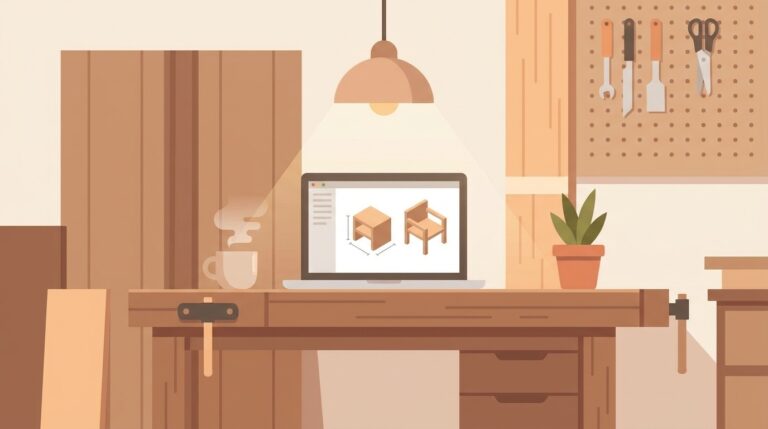
Phase 1: Empathy & Immersion\n\nHello! I am the Lead Editor of Daily Hangul. Welcome back to another deep dive into the Korean language.\n\nImagine this: You are sitting in a trendy, sunlit Gongbang (woodworking workshop) in Seongsu-dong. The smell of freshly cut timber fills the air, and an Americano rests next to your laptop. You are proudly showing your SketchUp 3D furniture model to the workshop master. You expect a simple “Good job!” But instead, the master squints at the screen, points at a joint, and says, 단차가 좀 생기겠는데요? (There’s going to be a level difference here, isn’t there?)\n\nWait. Dancha? You won’t find that word in most standard Korean language textbooks, not even at the advanced levels. When you are doing DIY furniture and drafting plans in Korea, the vocabulary shifts entirely. It is a mix of highly specific technical jargon and everyday practical terms.\n\nIf you want to truly master advanced Korean (C1 level), you need to step outside the textbook and into specialized hobbies. Whether you are collaborating with a Korean lumber yard, watching Korean DIY YouTube channels, or joining a local workshop, understanding these precise expressions will instantly upgrade you from a “foreigner learning Korean” to an “insider.”\n\nLet’s dive into the real language of Korean woodworking and SketchUp drafting!\n\n—\n\n## Phase 2: Core Expressions Deep Dive\n\n### 1. 치수를 뽑다 (chisureul ppopda)\n\n- Pronunciation: [chi-su-reul ppop-da] (The ‘pp’ sounds like a sharp, tense ‘p’ made with tight lips)\n- Meaning: Literal: To pull out measurements. Real nuance: To extract exact dimensions from a drawing/SketchUp model.\n- K-Culture Moment: You will hear this constantly in workshops or architecture firms. When someone finishes a SketchUp model, the next step isn’t just “printing” it; it is “extracting” the exact cutting list to send to the CNC machine or saw.\n- Editor’s Insight: The verb 뽑다 (to pull out/extract) is used in many professional contexts in Korea. We pull out data, we pull out a coffee (make an espresso), and we pull out dimensions. It implies a sense of skill and intentionality, rather than just passively “finding” the size.\n- Situation Spectrum:\n – Fellow DIY hobbyists (Casual): ✅\n – Workshop Master/Instructor (Semi-formal): ✅\n – Everyday friends with no hobby context (Formal): 🚫 (They won’t understand what you are pulling out)\n\n> 🤔 Think About It: Why does Korean use physical action verbs like “pulling out” for digital or abstract concepts? How does this reflect the hands-on nature of Korean work culture?\n\n### 2. 단차가 생기다 (danchaga saenggida)\n\n- Pronunciation: [dan-cha-ga saeng-gi-da]\n- Meaning: Literal: A step difference occurs. Real nuance: There is a gap, unevenness, or misalignment between two joined surfaces.\n- K-Culture Moment: In Korean DIY YouTube videos, you will often see creators run their thumbs over a wood joint. If it is not perfectly smooth, they will sigh and say, “아, 단차가 있네요 (Ah, there is a dancha).” It is the ultimate enemy of Korean perfectionism in woodworking.\n- Editor’s Insight: At the C1 level, you must know specific nouns. Instead of saying “크기가 안 맞아요 (The size doesn’t match),” using 단차 precisely describes the vertical/horizontal misalignment between two panels.\n- Situation Spectrum:\n – Fellow DIY hobbyists (Casual): ✅\n – Professional woodworkers (Semi-formal): ✅\n – General public (Formal): ⚠️ (Used mostly in construction, automotive, and woodworking)\n\n> 🤔 Think About It: Perfection in the details (마감 – finish) is highly valued in Korean craftsmanship. Have you ever noticed how K-culture emphasizes a flawless finish, from beauty routines to interior design?\n\n### 3. 여유(값)를 주다 (yeoyugabeul juda)\n\n- Pronunciation: [yeo-yu-gap-seul ju-da] (The ‘yeo’ sounds like ‘yuh’ with a short exhalation)\n- Meaning: Literal: To give room/leisure value. Real nuance: To leave a tolerance or allowance in measurements (e.g., leaving an extra 1mm when cutting).\n- K-Culture Moment: When ordering pre-cut wood online based on your SketchUp design, a veteran carpenter might advise you to “give some tolerance” because the saw blade itself has a thickness (톱길 – topgil).\n- Editor’s Insight: 여유 (yeoyu) is a beautiful Korean word meaning “room to spare,” “leisure,” or “margin.” We use it for time, money, and yes, wood measurements. It represents flexibility.\n- Situation Spectrum:\n – Fellow DIY hobbyists (Casual): ✅\n – Ordering from a lumber yard (Semi-formal): ✅\n – Everyday conversation (Formal): ✅ (As a general concept of giving leeway)\n\n> 🤔 Think About It: The concept of 여유 is the opposite of the famous Korean 빨리빨리 (Ppal-li Ppal-li / Hurry Hurry) culture. Why is leaving a margin for error so important in a fast-paced society?\n\n—\n\n## Phase 3: Textbook vs. Real Korean\n\n[Explaining an error in the 3D model]\n- 📖 Textbook Korean: 여기 두 나무의 크기가 다릅니다. (The sizes of these two woods are different here.)\n- 🗣️ Real Korean: 여기 단차가 좀 생기는데요? (We’re getting a bit of a misalignment here.)\n- 💡 Why the difference?: Advanced speakers use highly specific nouns (단차) rather than explaining the situation with broad adjectives (다르다).\n\n[Ordering wood to be cut]\n- 📖 Textbook Korean: 조금 더 크게 잘라 주세요. (Please cut it a little bigger.)\n- 🗣️ Real Korean: 1미리 정도 여유 주고 재단해 주세요. (Please cut it leaving about a 1mm tolerance.)\n- 💡 Why the difference?: In workshops, millimeters (미리 – miri) are the absolute standard, and “재단 (jaedan – sizing/cutting)” is the professional term over the basic “자르다 (cut).”\n\n[Checking the final dimensions]\n- 📖 Textbook Korean: 크기를 확인해 볼게요. (I will check the size.)\n- 🗣️ Real Korean: 스케치업에서 치수 좀 뽑아볼게요. (I’ll extract the dimensions from SketchUp.)\n- 💡 Why the difference?: Workplace efficiency dictates action-oriented verbs. You don’t just check; you generate usable data (치수).\n\n—\n\n## Phase 4: Cultural Context — K-Culture Deep Dive\n\n### 4-1. Non-Verbal Elements in the Workshop\nWhen discussing a SketchUp file in Korea, it is polite to point at the screen with the back of your pen or the cursor, rather than jabbing your index finger directly at the monitor. Also, Korean Nunchi (눈치) applies heavily here: if the master is silently staring at your 3D joint design and rubbing their chin, you should immediately ask, “혹시 수정해야 할 부분이 있을까요?” (Is there a part I should revise?). The silence often means they found a structural flaw but are waiting for you to notice it.\n\n### 4-2. The Gongbang (공방) Culture Connection\nIn recent years, K-Dramas and K-Vlogs have popularized the image of the “Healing Gongbang.” High-stress office workers spend their weekends building wooden shelves or leather bags. It is romanticized as a quiet, aesthetic escape. However, the reality of woodworking requires strict mathematical precision. The contrast between the relaxed aesthetic of drinking a latte in an apron and the hardcore reality of calculating 15mm vs 18mm plywood thicknesses is a fascinating cultural duality. When you use terms like 단차 and 치수, you instantly earn the respect of the master, proving you aren’t just there for the Instagram photos.\n\n—\n\n## Phase 5: Real-Life Roleplay Scenario\n\nSetting: A Friday evening at an aesthetic woodworking Gongbang in Hongdae. Wood dust dances in the warm lighting. You are sitting at a high table with the Workshop Master, looking at your laptop showing a SketchUp model of a coffee table.\n\nCharacters:\n- YOU: An advanced Korean learner and DIY enthusiast trying to build your own furniture.\n- Gongbangjang-nim (공방장님): The Workshop Master (40s). Highly skilled, friendly, but very strict about measurements.\n\nDialogue:\n\nGongbangjang-nim: 디자인은 정말 예쁘네요. 그런데 이거 상판 두께는 몇 티(T)로 하실 거예요?\n(dijaineun jeongmal yeppeuneyo. geureonde igeo sangpan dukkaeneun myeot tiro hasil geoyeyo?)\n[The design is really pretty. By the way, how many T (thickness in mm) are you going to use for the top board?]\n\nYOU: 18티(T) 자작나무 합판으로 생각하고 있습니다.\n(sippalti jajangnamu happaneuro saenggakago itseumnida.)\n[I am thinking of 18T birch plywood.]\n\nGongbangjang-nim: 아, 18티요? (Points to the screen) 여기서 다리랑 연결되는 부분 말이에요.\n(a, sippaltiyo? yeogiseo darirang yeongyeoldoeneun bubun marieyo.)\n[Ah, 18T? Right here where it connects with the legs.]\n\nYOU: 네, 스케치업에서 가조립해 봤을 때는 문제없었거든요.\n(ne, seukechi-eop-eseo gajoriphae bwasseul ttaeneun munje-eopseotgeodeunyo.)\n[Yes, when I did a dry fit in SketchUp, there was no problem.]\n\nGongbangjang-nim: 스케치업에서는 딱 맞아떨어져도, 실제로는 나무가 수축해서 단차가 생길 수 있어요.\n(seukechi-eop-eseoneun ttak maja-tteoreojyeodo, siljjeroneun namuga suchukaeseo danchaga saenggil su isseoyo.)\n[Even if it fits perfectly in SketchUp, in reality, the wood shrinks, so there could be a level difference.]\n\nYOU: 아, 수축을 계산 못 했네요.\n(a, suchugeul gyesan mot haenneyo.)\n[Ah, I didn’t calculate for the shrinkage.]\n\nGongbangjang-nim: 맞아요. 그래서 이 홈 파는 부분에 여윳값을 좀 줘야 해요.\n(majayo. geuraeseo i hom paneun bubune yeoyutgabeul jom jwoya haeyo.)\n[Right. So you need to give a bit of tolerance to this grooved part.]\n\n> 🔀 Your Turn! How should you respond to the master’s advice?\n> – A) “그럼 치수를 다시 뽑아보겠습니다.” (Then I will extract the dimensions again.)\n> – B) “그냥 이대로 잘라주세요.” (Just cut it like this.)\n> – C) “마음대로 하세요.” (Do whatever you want.)\n>\n> ✅ Best Choice: A — It shows you understand the workflow. If there’s an error, you must go back to SketchUp and re-extract the dimensions (치수를 뽑다).\n> ⚠️ Choice B & C Analysis: Choice B ignores professional advice and will result in a wobbly table. Choice C is highly disrespectful and sounds aggressive in Korean.\n\nYOU: (Choosing A) 아, 그렇군요. 그럼 제가 지금 스케치업에서 수정해서 치수를 다시 뽑아보겠습니다.\n(a, geureokunyo. geureom jega jigeum seukechi-eop-eseo sujeonghaeseo chisureul dasi ppobabogetseumnida.)\n[Ah, I see. Then I will revise it in SketchUp right now and extract the dimensions again.]\n\nGongbangjang-nim: 네, 천천히 하세요. 여유 1미리 정도 주시면 딱 맞을 거예요.\n(ne, cheoncheonhi haseyo. yeoyu il-miri jeongdo jusimyeon ttak majeul geoyeyo.)\n[Yes, take your time. If you give about a 1mm tolerance, it will fit perfectly.]\n\n—\n\n## Phase 6: 10-Second Shadowing Drill\n\nPractice your professional workshop rhythm! Pay attention to the pauses (/) and the emotion tags.\n\n> 😊 (With polite realization) 아, / 스케치업에서는 맞았는데 / 실제로는 / 단차가 생길 수 있군요!\n> (a, / seukechi-eop-eseoneun majanneunde / siljjeroneun / danchaga saenggil su itgunyo!)\n\n> 💻 (Focusing on the screen) 여기서 / 1미리 정도 / 여유를 주고 / 치수를 뽑을게요.\n> (yeogiseo / il-miri jeongdo / yeoyureul jugo / chisureul ppobeulgeyo.)\n\n—\n\n## Phase 7: K-Culture Mini Dictionary\n\nTo survive a Korean workshop, you need this specialized vocabulary:\n\n1. 티 (T)\n- Pronunciation: ti\n- Meaning: Thickness (derived from the English word). \n- Context: Koreans rarely say “18 millimeters thick.” They say “18T (십팔티)”. It is standard jargon in design and construction.\n\n2. 공방 (Gongbang)\n- Pronunciation: gong-bang\n- Meaning: Artisan workshop or studio.\n- Context: A highly popular cultural space in Korea where people learn crafts like woodworking, pottery, or leatherworking.\n\n3. 가조립 (Gajorip)\n- Pronunciation: ga-jo-rip\n- Meaning: Dry fit / Temporary assembly.\n- Context: Ga means temporary or fake. Putting parts together without glue to see if they fit before committing.\n\n4. 장비빨 (Jangbippal)\n- Pronunciation: jang-bi-ppal\n- Meaning: The power of good equipment.\n- Context: Koreans love investing in top-tier gear for their hobbies. A beginner showing up with a $500 premium drill is benefiting from jangbippal.\n\n—\n\n## Phase 8: Traveler Survival Kit (Woodworking & Custom Orders Edition)\n\nEven if you aren’t building furniture, you might visit a famous Korean furniture showroom or order a custom piece during your long-term stay. Here is what you need.\n\n> 🆘 Survival Phrases for Custom Furniture\n> – 🇰🇷 “치수 변경 가능한가요?” (chisu byeonggyeong ganeunghangayo?)\n> – 🗣️ Meaning: Is it possible to change the dimensions?\n> – 📍 Where to use: Custom furniture shops in Euljiro or online stores.\n> – 💡 Pro Tip: When giving measurements in Korea, always use millimeters (mm), not centimeters or inches. If you say “120 by 60,” Koreans will assume you mean 120mm. Always say “1200 by 600” for a desk!\n\n> 📌 Editor’s Travel Note\n> – Useful App: ‘오늘의집’ (Ohouse) is the ultimate Korean interior design app. You can buy furniture, see 3D layouts, and book contractors.\n> – Shopping District: Euljiro (을지로) is the historic heart of woodworking, lighting, and hardware in Seoul. It’s a must-visit for DIY lovers.\n\n—\n\n## Phase 9: Critical Thinking Corner — “A Step Deeper”\n\nGlobal Era Korean: The Mix of Tech and Tradition\nKorean woodworking vocabulary is a fascinating linguistic melting pot. You have pure Korean words like 단차 and 여유, Japanese-derived colonial-era construction slang (though fading, still used by older carpenters), and modern English loanwords heavily used in software like SketchUp (렌더링 – rendering, 티 – T for thickness). This reflects Korea’s rapid modernization. The language of the workshop bridged the gap between traditional craftsmen and digital-native 3D designers.\n\n> 💬 Your Turn: Does your native language have a specific set of vocabulary that completely changes when you enter a specific hobby or trade? Share your experience in the comments!\n\n—\n\n## Phase 10: FAQ & Avoiding Misunderstandings\n\nQ: Can I use “크기 (Size)” instead of “치수 (Dimension)”?\nYes, but it sounds amateurish. If you are communicating with a professional or taking a class, use “치수” for exact measurements and “크기” for general bulkiness.\n\nQ: Can I say “센치 (cm)” to make the numbers smaller?\nNo! In Korean architecture, interior design, and woodworking, the millimeter is the undisputed king. If you tell a carpenter “150,” they will cut it to 15 centimeters. Always speak in thousands for large furniture (e.g., 천이백 – 1200mm).\n\n> ❌ Common Mistake: Translating “margin of error” literally as “에러 마진 (error margin)”.\n> ✅ Do This Instead: Use the culturally natural term 여유(값) (allowance/room). It sounds much more professional.\n\n—\n\n## Phase 11: Summary & Action Items\n\nOne-Liner Summary: To sound like a true Korean woodworking insider, extract your dimensions (치수를 뽑다), check for misalignments (단차), and always leave a little room for tolerance (여유를 주다).\n\nAction Mission 3 Steps:\n- 🥉 Bronze (Solo): Look at the desk you are sitting at right now and estimate its dimensions in millimeters (Korean style).\n- 🥈 Silver (Online): Search for “스케치업 가구 도면” (SketchUp furniture plan) on YouTube and listen for the words “단차” or “치수”.\n- 🥇 Gold (Real World): Visit a Gongbang in Korea or chat with a Korean DIY community online, and ask: “혹시 이 도면 치수 뽑아주실 수 있나요?” (Could you extract the dimensions for this plan?)\n\nK-Culture Mission: Watch an episode of a Korean home makeover show like 구해줘 홈즈 (Where is My Home). Notice how often they talk about “치수” when trying to fit a refrigerator into a small Seoul apartment!\n\nLet me know in the comments how your 3D modeling goes!\n\n—\n\n## Phase 12: Quiz — Interactive Challenge\n\n1. Situational Judgment: You printed your SketchUp design, but the two wooden blocks don’t align perfectly when put together. What should you say?\n- A) 치수가 아주 예뻐요.\n- B) 단차가 좀 생겼네요.\n- C) 여유가 너무 없어요.\n> Answer: B. (A level difference/misalignment occurred.)\n\n2. Fill in the Blank: 스케치업에서 완벽하게 디자인했으니까, 이제 공장에 보낼 ______를 뽑아볼게요.\n- A) 단차\n- B) 치수\n- C) 티(T)\n> Answer: B. (Extract the dimensions to send to the factory.)\n\n3. True or False: If you want a table that is 1 meter long, you should tell the Korean workshop master, “길이는 100으로 해주세요 (Please make the length 100).”\n> Answer: False. 100 means 100mm (10cm). You must say “1000 (천).”\n\n4. Roleplay Prediction: In Phase 5, if you chose C) “마음대로 하세요 (Do whatever you want)” to the master, what would happen?\n> Answer: The master would feel deeply disrespected. It implies you don’t care about their expertise and are speaking down to them.“
Frequently Asked Questions (FAQ)
Q: What does "단차가 좀 생기겠는데요?" mean in Korean and how do you pronounce it?
A: In Korean, "단차가 좀 생기겠는데요?" is pronounced [There's going to be a level difference here, isn't there?] and means: \n\nWait.
Q: What does "뽑다" mean in Korean and how do you pronounce it?
A: In Korean, "뽑다" is pronounced [to pull out/extract] and means: is used in many professional contexts in Korea. We
Q: What does "여유" mean in Korean and how do you pronounce it?
A: In Korean, "여유" is pronounced [yeoyu] and means: is a beautiful Korean word meaning "room to spare," "leisure," or "margin." We use it for time, money, and yes, wood measurements. It represents flexibility.\n-
Q: What does "빨리빨리" mean in Korean and how do you pronounce it?
A: In Korean, "빨리빨리" is pronounced [Ppal-li Ppal-li / Hurry Hurry] and means: culture. Why is leaving a margin for error so important in a fast-paced society?\n\n---\n\n## Phase 3: Textbook vs. Real Korean\n\n







