

Speechless with Rage? 🤬 How to Express “I Can’t Even” in Korean
Phase 1: The Immersive Hook
Greeting: 안녕하세요! This is your Daily Hangul Editor, reporting live from a bustling street in Seoul.
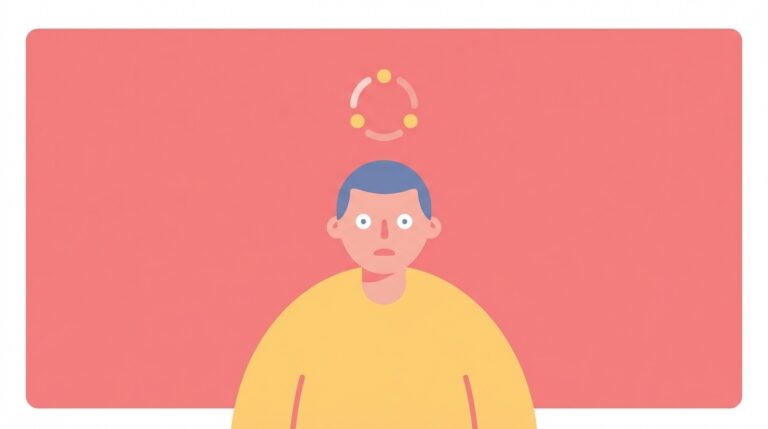
Picture this: You are watching your 50th K-Drama. The villain just did something unforgivable—maybe they betrayed the main character or, worse, threw water in their face. The protagonist doesn’t scream. Instead, they grab the back of their neck, stumble backward, and gasp, “Ha… cham…” (Ha… seriously…).
They look like they’ve forgotten how to speak.
In English, we might say, “I’m speechless” or “I can’t even.” But in Korean, this specific emotion—anger mixed with shock and absurdity—has its own flavor. If you only know “화가 나요 (I’m angry),” you are missing out on 90% of the drama.
Today, we are going to learn how to express that moment when you are so frustrated, words just escape you.
Phase 2: Deep Dive into Core Expressions
Here are the top 3 expressions Koreans use when their blood pressure hits the roof.
1. 어이가 없다 (Eoiga eopda)
- Pronunciation: [Eo-i-ga eop-da]
- Sound analogy: ‘Eo’ sounds like the ‘u’ in ‘up’, ‘i’ like the letter ‘E’.
- Meaning:
- Literal: The handle (of a millstone) is missing.
- Real Nuance: “This is absurd/ridiculous.” / “I’m dumbfounded.”
- K-Culture Moment: This is arguably the most famous line in modern Korean cinema, delivered by actor Yoo Ah-in in the movie Veteran. He plays a rich villain who is baffled by a detective. He calmly explains that the handle of a millstone is called ‘Eoi’. If it’s missing, you can’t grind beans. That situation is ‘Eoiga eopda’.
- Editor’s Insight: Use this when the situation is illogical. Like if you ordered a hot coffee and they gave you a cup of ice with no coffee. You aren’t just mad; you are confused by the stupidity.
- Situation Spectrum:
[🚫 Boss/Elders] ———— [⚠️ Co-workers] ———— [✅ Friends/Self-talk] - 🤔 Think About It: Why does Korean link anger to “absurdity”? It implies that the situation breaks social rules or logic, not just that you are personally offended.
2. 기가 막히다 (Giga makhida)
- Pronunciation: [Gi-ga mak-hi-da]
- Sound analogy: ‘Gi’ like ‘Key’, ‘Mak’ like ‘Mock’.
- Meaning:
- Literal: My energy (Gi/Qi) is blocked.
- Real Nuance: “I’m speechless (shocked).” / “It takes my breath away.”
- K-Culture Moment: In dramas, this is when the mother-in-law grabs her neck. Her ‘Gi’ (life energy) is literally blocked by shock.
- Editor’s Insight: Interestingly, this can also be used for something positively amazing (e.g., “The taste is giga makhida!”). But in an angry context, it means you are choked up with frustration.
- Situation Spectrum:
[🚫 Formal Presentations] ———— [⚠️ Polite Complaint] ———— [✅ Daily Life]
3. 말이 안 나오다 (Mari an naoda)
- Pronunciation: [Ma-ri an na-o-da]
- Meaning:
- Literal: Words won’t come out.
- Real Nuance: “I am at a loss for words.”
- K-Culture Moment: Often used in variety shows when a host makes a joke that fails miserably, and the other guests just stare in silence.
- Editor’s Insight: This is a descriptive phrase. You can use it safely in polite company to describe your state of mind. “너무 화가 나서 말이 안 나와요” (I’m so angry, words won’t come out).
- Situation Spectrum:
[✅ Boss/Elders] ———— [✅ Co-workers] ———— [✅ Friends]
Phase 3: Textbook vs. Real Life
| Situation | 📖 Textbook Korean | 🗣️ Real Street Korean | 💡 Why the difference? |
|---|---|---|---|
| Friend cancels 5 mins before meeting | 저는 화가 났습니다. (Jeoneun hwaga natseumnida) | 아, 진짜 어이없네. (Ah, jinjja eoieopne.) | “I am angry” sounds like a robot report. “Eoieopne” shows reaction. |
| Taxi driver goes the wrong way | 왜 이 길로 가세요? (Wae i gillo gaseyo?) | 아… 기가 막혀서. (Ah… giga makhyeoseo.) | Koreans often trail off (…) to show frustration without direct confrontation. |
| Seeing a rude customer | 정말 무례하시네요. (Jeongmal muryehasineyo.) | 말도 안 돼. (Maldo an dwae.) | Direct accusation is risky; expressing disbelief ( |
Frequently Asked Questions (FAQ)
Q: What does "어이가 없다 (Eoiga eopda)" mean in Korean and how do you pronounce it?
A: In Korean, "어이가 없다 (Eoiga eopda)" is pronounced [Eo-i-ga eop-da] and means: a key conversational Korean expression covered in this lesson.
Q: What does "기가 막히다 (Giga makhida)" mean in Korean and how do you pronounce it?
A: In Korean, "기가 막히다 (Giga makhida)" is pronounced [Gi-ga mak-hi-da] and means: a key conversational Korean expression covered in this lesson.
Q: What does "말이 안 나오다 (Mari an naoda)" mean in Korean and how do you pronounce it?
A: In Korean, "말이 안 나오다 (Mari an naoda)" is pronounced [Ma-ri an na-o-da] and means: Literal: Words won't come out.







