

Phase 1: The “Ah~” Moment
안녕하세요! Daily Hangul Editor here.
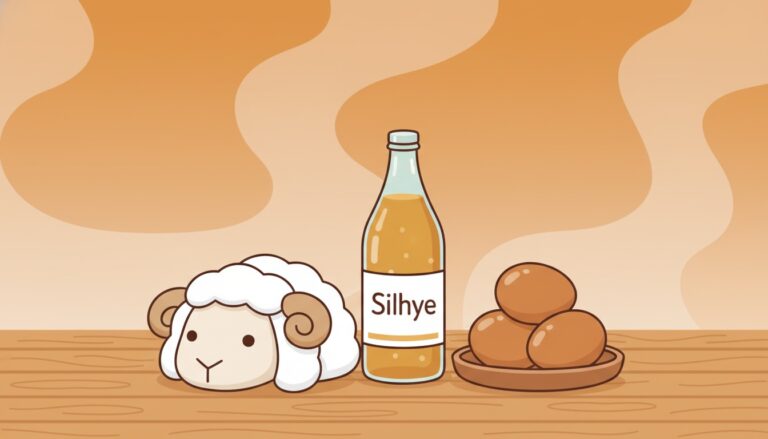
Let me take you to a scene I see every winter in Seoul. You enter a warm, pine-scented room. People are lying on the floor with towels folded like sheep heads (Yang-meori) on their heads. They take a sip of sweet, icy rice punch (Sikhye), wipe sweat from their foreheads, and sigh with a deep, satisfied sound:
“Ah… Gaewoonhada!”
If you translate this directly, the subtitles might say “I feel refreshed.” But that doesn’t quite capture it. This word is the feeling of a heavy weight lifting off your shoulders. It’s the sensation after a hot bath, a good workout, or finally finishing a stressful exam.
Today, we’re going to master the phrase that defines the Korean spa experience. By the end of this lesson, you won’t just say you’re clean—you’ll say you feel born again.
Phase 2: Deep Dive into “Gaewoonhaeyo”
Here are the top expressions you need to sound like a local at the spa.
1. 개운해요 (Gaewoonhaeyo)
- Pronunciation: [Gae-woon-hae-yo]
- Gae sounds like ‘Ga’ in Garage.
- Woon sounds like the ‘woon’ in Wounded (but softer).
- Meaning: I feel refreshed / I feel light / I feel relieved.
- K-Culture Moment: You’ll hear this when a character in a K-Drama walks out of a bathhouse, skin glowing, holding a banana milk. It’s the sound of a “reset.”
- Editor’s Insight: We use this when a physical burden is gone. Did you just scrub off all the dead skin? Gaewoonhaeyo. Did you sleep for 12 hours? Gaewoonhaeyo.
- Situation Spectrum:
[🚫 Boss (Formal)] ———— [⚠️ Colleagues] ———— [✅ Friends/Family]
(Note: For polite situations, stick to the “-yo” ending. For friends, drop the “-yo” → “Ah, gaewoonhae!”)- 🤔 Think About It: In English, we might say “I feel fresh.” But Gaewoonhada implies something bad (sweat, dirt, stress) has been removed. Why do you think Korean focuses on the removal of the negative?
2. 시원해요 (Siwonhaeyo)
- Pronunciation: [Si-won-hae-yo]
- Meaning: It’s cool / It’s refreshing.
- The Paradox: You will hear old men sitting in boiling hot water shouting, “Ah, siwonhada!”
- Editor’s Insight: Don’t be fooled. In this context, it doesn’t mean the temperature is cold. It means the feeling inside your body is unblocked and released. It’s the same logic as eating hot soup to relieve stress.
Phase 3: Textbook vs. Real Life
Let’s look at how a textbook teaches this versus how my friends actually talk in a Jjimjilbang (Korean Sauna).
| Situation | 📖 Textbook Korean | 🗣️ Real Korean | 💡 Why different? |
|---|---|---|---|
| After a bath | 기분이 좋아요. (I feel good.) | 아, 개운해! (Ah, refreshed!) | “Good” is too vague. We want to express the specific feeling of being “light.” |
| In a hot tub | 따뜻해요. (It is warm.) | 어우, 시원하다~ (Oh, it relieves me~) | Koreans focus on the therapeutic effect, not just the temperature. |
| Suggesting a scrub | 때를 밀까요? (Shall we push dirt?) | 때 좀 밀고 올게. (I’ll go scrub a bit.) | We use “push” (milda) for scrubbing skin. |
💡 Bottom Note: Just saying “Good” (Joayo) is fine for beginners, but using “Gaewoonhaeyo” instantly upgrades your Korean level to “local.”
Phase 4: Cultural Deep Dive — The Art of “Nunchi” in the Spa
4-1. The Naked Truth
I’ll be honest: The first time I walked into a Korean bathhouse, I froze. Everyone was naked. But here’s the rule: No staring. Koreans have a “group solitude” mindset here. We are together, but we ignore each other’s bodies. It’s polite indifference. Just grab your small towel and walk confidently.
4-2. The “Sheep Head” (Yang-meori)
You’ve seen it in dramas like Crash Landing on You. Folding your towel into two buns on the side of your head isn’t just cute; it keeps your hair up and the sweat out of your eyes while you bake in the sauna.
4-3. Why scrub?
Western exfoliation is gentle. Korean Sesin (professional scrubbing) is intense. Why? It goes back to the idea of Gaewoonhada. You aren’t just cleaning the surface; you are shedding your old self to reveal new, soft skin underneath. It is a ritual of renewal.
Phase 5: Immersive Roleplay
Setting: A loud, warm Jjimjilbang snack bar. Saturday afternoon. You are wearing the orange sauna uniform (shorts and t-shirt).
Characters:
* YOU: A thirsty sauna visitor.
* Imo (Auntie): The busy lady running the snack corner.
Dialogue:
Imo: 뭐 드릴까요? (What can I get you?)
(Mwo deuril-kkayo?)
YOU: 식혜 하나 주세요. (One sweet rice punch, please.)
(Sikhye hana juseyo.)
Imo: 계란은 안 먹어? 맥반석인데. (No eggs? They are stone-roasted.)
(Gyeraneun an meogeo? Maekbanseok-inde.)
🔀 Your Turn! How do you answer?
* A) 네, 아니에요. (Yes, no.) — Confusing!
* B) 아, 그럼 두 개 주세요! (Ah, then give me two please!) — The Local Way.
* C) 배불러요. (I’m full.) — Honest but sad.✅ Best Choice: B. You can’t drink Sikhye without roasted eggs. It’s the classic combo. The saltiness of the egg balances the sweetness of the drink.
YOU (Option B): 아, 그럼 두 개 주세요!
(Ah, geureom du gae juseyo!)
Imo: 여기 있어. 찜질하고 먹으면 딱이야. (Here. It’s perfect after the sauna.)
(Yeogi isseo. Jjimjil-hago meogeumyeon ttag-iya.)
YOU: 감사합니다! (Thank you!)
Phase 6: 10-Second Shadowing Drill
Let’s practice the feeling. Don’t just read it, act it. Imagine you just stepped out of a hot shower.
Sentences:
- 😊 Brightly: 목욕하니까 / 개운해요!
(Mogyok-hanika / gaewoon-haeyo!)
Translation: Since I took a bath, I feel refreshed! -
😌 Relaxed (Deep breath): 아~ / 시원하다.
(Ah~ / siwon-hada.)
Translation: Ah~ this is refreshing (relieving).
Phase 7: K-Culture Mini Glossary
| Korean | Romanization | English | Context |
|---|---|---|---|
| 찜질방 | Jjimjilbang | Korean Sauna/Spa | A 24-hour sauna with sleeping rooms, entertainment, and baths. |
| 식혜 | Sikhye | Sweet Rice Punch | The official drink of the sauna. Usually served in a frozen bottle. |
| 맥반석 계란 | Maekbanseok Gyeran | Roasted Eggs | Brown, chewy eggs cooked on hot stones. |
| 세신 | Sesin | Body Scrub | Professional scrubbing service. It hurts a little, but feels amazing after. |
Phase 8: Traveler’s Survival Kit
Going to a Jjimjilbang in Korea? You need these words to survive.
🆘 Survival Phrases
1. “라커 키 주세요.” (Locker key juseyo)
– Use this at the front desk to get your shoe/clothes locker key.
2. “수건 좀 더 주세요.” (Sugeon jom deo juseyo)
– “Please give me more towels.” (Korean saunas usually give you 2 small towels).
3. “얼마예요?” (Eolmayeyo?)
– “How much is it?” (Use your locker key to pay inside, settle the bill when leaving).📌 Editor’s Travel Note
* Nudity: In the wet area (baths), you must be naked. No swimsuits allowed. In the dry area (common room), you wear the provided uniform.
* Payment: Inside the sauna, your locker key is your credit card. Be careful—it’s easy to buy too many eggs and get shocked by the bill at the exit!
Phase 9: Think Deeper — “One Step Further”
The Paradox of “Cool” Heat
Have you noticed a pattern? Koreans eat boiling spicy soup and say “Siwonhada” (It’s refreshing). They sit in 40°C water and say “Siwonhada.”
This reflects a unique Korean mindset: Healing through intensity. We don’t just avoid stress; we confront it with heat or spice to “sweat it out.” We believe that fighting fire with fire (Iyeol-chiyeol) releases the toxins from our body and mind.
💬 Your Turn: Does your culture have a way of “sweating out” stress? Or do you prefer to cool down to relax? Tell me in the comments!
Phase 10: FAQ & Troubleshooting
- Q: Can I wear a swimsuit in the bath area?
- A: No. Absolutely not. It is considered unhygienic in Korean bath culture. You must be clean and naked.
- Q: Can I take photos?
- A: In the common area (dry sauna/snack bar): Yes, but be careful of others.
- In the locker room/bath area: NEVER. It is illegal and very rude. Put your phone away.
- Q: Is it okay to sleep there?
- A: Yes! Many travelers use Jjimjilbangs as cheap accommodation. Just find a quiet corner or a sleeping cave.
❌ Common Mistake: Washing your hair in the standing shower without sitting down.
✅ Correction: In the bath area, there are rows of stools. Koreans sit down to wash. Standing showers are usually just for a quick rinse before/after the tub.
Phase 11: Wrap-up & Mission
One-Liner: “Gaewoonhaeyo” is the feeling of physical and mental weight disappearing after a good wash or rest.
🚀 Your Action Mission:
* 🥉 Bronze: Say “Ah, gaewoonhae!” after your shower tonight. (Loudly!)
* 🥈 Silver: Go to a Korean mart, buy Sikhye, and drink it after a hot bath.
* 🥇 Gold: Visit a local Korean-style spa (if available in your city) and order eggs in Korean!
📺 K-Culture Mission: Watch a scene from the drama “My Love from the Star” or “Reply 1988”. Look for the scene where they are in a Jjimjilbang. Can you spot the “Sheep Head” towels?
Phase 12: Quiz
- Situation: You just stepped out of a freezing cold air-conditioned room. Should you say “Gaewoonhaeyo”?
- (A) Yes
- (B) No
- True or False: In Korea, “Siwonhada” always means the temperature is cold.
- (A) True
- (B) False
- Culture: What do you wear in the wet bath area of a Jjimjilbang?
- (A) Swimsuit
- (B) Underwear
- (C) Nothing (Birthday Suit)
Answers:
1. (B) No. You usually say it after cleaning up or resting.
2. (B) False. It can describe emotional relief even in hot water.
3. (C) Nothing. Be brave!
Frequently Asked Questions (FAQ)
Q: What does "개운해요 (Gaewoonhaeyo)" mean in Korean and how do you pronounce it?
A: In Korean, "개운해요 (Gaewoonhaeyo)" is pronounced [Gae-woon-hae-yo] and means: a key conversational Korean expression covered in this lesson.
Q: What does "시원해요 (Siwonhaeyo)" mean in Korean and how do you pronounce it?
A: In Korean, "시원해요 (Siwonhaeyo)" is pronounced [Si-won-hae-yo] and means: It's cool / It's refreshing.







