

Phase 1: Empathy & Storytelling Opening
안녕하세요! (Annyeonghaseyo!) It’s your Daily Hangul editor here.
Picture this: You are watching an emotionally charged K-drama like My Mister or a period epic like Mr. Sunshine. Two longtime companions sit in the quiet corner of a dimly lit pojangmacha or beneath a wind-swept pavilion. Neither utters a single word for minutes on end. They merely exchange steady gazes, pour each other a drink, and understand everything without saying anything at all. Then, tragedy strikes: one companion passes away, and the survivor resolves to dismantle their workshop, lock away their masterwork, or abandon their craft altogether. If you grew up in a culture where expressive verbal affirmation is prized, you might ask yourself: Why destroy your life’s work just because one single person is no longer there to see it?
Many advanced Korean learners hit an invisible plateau right here. You already know everyday words like 친구 (chingu, friend) or 우정 (ujeong, friendship), yet you sense a massive gap when native speakers invoke classical four-character idioms (사자성어, sajaseong-eo) to honor relationships of profound gravity. When you master 백아절현 (Baegajeolhyeon), you are not just memorizing ancient vocabulary—you are stepping into the quintessential Korean ethos of 경청 (gyeongcheong, deep listening) and 신의 (sini, steadfast trust). Based on real feedback from C1-level learners who felt intimidated by historical idioms, this guide will turn high-level four-character idioms into your most poetic conversational assets.
Phase 2: Core Expressions Deep Dive
1. 백아절현 (伯牙絶絃)
- Pronunciation: [Baeg-a-jeol-hyeon] (Sounds like Bae-ga-jull-hyeon, where jeol snaps sharply like breaking a twig)
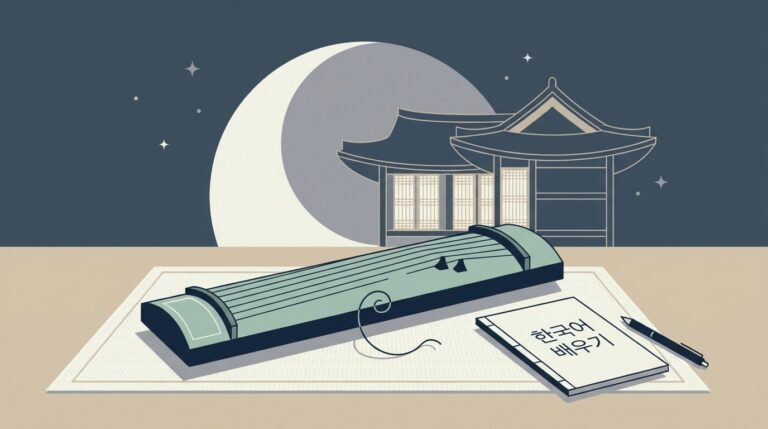
- Meaning: Literally “Baek-a snaps the strings of his zither.” In real nuance, it describes the profound sorrow of losing the only soulmate who truly recognized one’s talent or inner spirit, leading one to cease artistic or intellectual expression because no audience compares.
- K-Culture Moment: Used by seasoned critics and directors when a legendary director loses their lifelong muse or lead actor, remarking that the director has entered a state of Baegajeolhyeon.
- Editor’s Insight: This idiom comes from the Chinese classic Liezi. Baek-a was a master zither player, and his friend Jong Ja-gi understood the exact landscape of Baek-a’s heart through his playing. When Jong died, Baek-a snapped his strings, knowing no one else would ever truly listen. In modern Korean discourse, using this word signals your intellectual grasp of irreplaceable human bonds.
- Situation Spectrum: Casual: 🚫 | Semi-formal: ⚠️ | Formal: ✅
- 🤔 Think About It: Does your native culture elevate a listener to the exact same status as the creator? In the Korean worldview, an art piece or an idea is only completed through a listener who genuinely comprehends it.
2. 지음 (知音)
- Pronunciation: [Ji-eum] (Sounds like Jee-eum, smooth and melodic)
- Meaning: Literally “knowing the sound.” In real nuance, it denotes an intimate soulmate, creative counterpart, or lifelong confidant who grasps your unvoiced thoughts effortlessly.
- K-Culture Moment: Frequently featured in literary fiction, indie music album liner notes, and introspective talk shows when two veteran artists describe their twenty-year synergy.
- Editor’s Insight: While derived from the same legend as Baek-a, 지음 is much more versatile than 백아절현. It can be slipped into upscale professional conversations, eulogies, or heartfelt letters to mentors and dear friends.
- Situation Spectrum: Casual: ⚠️ | Semi-formal: ✅ | Formal: ✅
- 🤔 Think About It: English distinguishes between “friend,” “best friend,” and “mentor.” How does calling someone “the one who knows my sound” shift the emotional weight from social proximity to spiritual resonance?
3. 간담상조 (肝膽相照)
- Pronunciation: [Gan-dam-sang-jo] (Sounds like Gahn-dahm-sahng-joh)
- Meaning: Literally “showing each other one’s liver and gallbladder.” In real nuance, it signifies being utterly transparent, hiding nothing, and sharing absolute mutual trust without pretense.
- K-Culture Moment: Often delivered by leaders of corporate ventures, military comrades in war dramas, or close political allies sealing an unbreakable pact.
- Editor’s Insight: In traditional East Asian medicine, internal organs such as the liver and gallbladder house courage, spirit, and emotion. To expose them to someone means vulnerability pushed to its absolute limit.
- Situation Spectrum: Casual: 🚫 | Semi-formal: ⚠️ | Formal: ✅
- 🤔 Think About It: Why does Korean culture equate bodily organs with raw honesty? Consider how English expressions like “spilling your guts” differ in nobility compared to 간담상조.
Phase 3: Textbook Korean vs. Real Korean
Situation 1: Describing an irreplaceable creative or professional partner
- 📖 교과서 한국어 (Textbook Korean):
“우리는 음악적 취향이 잘 맞는 절친한 친구입니다.”
(Urineun eum-ak-jeok chwihyang-i jal manneun jeolchinhan chingu-imnida.)
We are close friends whose musical tastes match well. - 🗣️ 진짜 한국어 (Real Korean – C1 Native Nuance):
“그 친구는 제 음악 인생의 진정한 ‘지음(知音)’이라, 만약 그가 없다면 백아절현하는 심정일 거예요.”
(Geu chingu-neun je eum-ak insaeng-ui jinjeonghan ‘jieum’-ira, manyak geu-ga eopdamyeon baegajeolhyeon-haneun simjeong-il geoyeyo.)
He is truly the soulmate who knows my inner sound; without him, I would feel the desolate urge to snap my zither strings. - 💡 왜 다를까? (Why the Difference?): Textbook Korean stays at factual descriptions of shared hobbies. Sophisticated native speakers elevate deep collaboration into classical literary metaphors, giving monumental respect to their peer.
Situation 2: Emphasizing unshakeable trust during high-stakes projects
- 📖 교과서 한국어 (Textbook Korean):
“우리는 서로 모든 비밀을 털어놓을 정도로 아주 신뢰하는 사이입니다.”
(Urineun seoro modeun bimil-eul teoreonoeul jeongdoro aju sinroehaneun sai-imnida.)
We trust each other enough to tell all our secrets. - 🗣️ 진짜 한국어 (Real Korean – C1 Native Nuance):
“우리는 이미 간담상조(肝膽相照)하는 사이라, 구차하게 말로 다 설명하지 않아도 뜻이 통합니다.”
(Urineun imi gandamsangjo-haneun sai-ra, guchahage mal-ro da seolmyeonghaji anado tteus-i tonghamnida.)
We already share our innermost hearts completely; we communicate our intent without making petty verbal explanations. - 💡 왜 다를까? (Why the Difference?): At an advanced level, over-explaining loyalty feels juvenile. Using an idiom like 간담상조 signals mature, stoic, and unyielding solidarity.
Phase 4: K-Culture Deep Dive & Non-Verbal Manners
4-1. 눈치 (Nunchi) & Gestures in Deep Listening
In Korea, communication is never merely an exchange of vocal vibrations. To truly embody the spirit of 백아절현, one must master the art of non-verbal presence:
* The Empathetic Gaze (시선 처리): When a companion shares a deeply personal or vulnerable narrative, aggressive direct eye contact can feel confrontational. Instead, cast your gaze slightly downward toward the tea table, blinking slowly, then gently meet their eyes as they finish speaking.
* The Stoic Nod (묵직한 끄덕임): Avoid rapid, cheerful nodding. Use slow, deliberate vertical chin tilts accompanied by a subtle breath intake. This signals, “I am receiving your words into my chest, not merely my ears.”
* Hand Placement during Silence: Rest both hands on your lap or gently clasp your cup with both palms. Fidgeting with smartphones or watches during reflective pauses is considered a catastrophic breach of 진정한 경청 (authentic listening).
4-2. Cultural Code Analysis: The Artistic Soulmate in Modern Korea
While 백아절현 originated thousands of years ago, its pulse beats powerfully in modern South Korean creative ecosystems:
* Director & Actor Duos: Think of legendary filmmaker Bong Joon-ho and actor Song Kang-ho. In multiple Korean press conferences, directors describe their recurring leads as their 지음 (Jieum)—collaborators who understand the unspoken subtext of a script before a single scene is filmed.
* Indie Music & K-Hip-Hop Crews: In underground music communities across Hongdae and Seongsu-dong, independent producers often dedicate records to departed mentors or former bandmates, referencing the snapping of strings (절현, jeolhyeon) to declare that certain artistic eras remain exclusively dedicated to that one person.
Phase 5: Real-Life Roleplay Scenario
Setting: A quiet, rain-drizzled traditional tea house in Bukchon Hanok Village. You are seated across from Min-woo, an acclaimed indie film director whose lifelong composer and mentor recently retired due to severe illness. Min-woo has halted production on his anticipated new screenplay.
- Turn 1 (Min-woo):
🎭 (Gently turning the warm ceramic tea cup, staring into the steam with heavy eyes)
“선생님이 붓을 놓으셨다는 소식을 듣고, 솔직히 이번 시나리오 작업을 전부 엎어버렸어요.”
(Seonsaengnim-i bus-eul noeusyeotdaneun sosik-eul deutgo, soljik-hi ibeon sinario jakeop-eul jeonbu eopeobeoryeosseoyo.)
“When I heard the master laid down his brush, honestly, I scrapped this entire screenplay project.” -
Turn 2 (You):
🎭 (Nodding slowly with genuine gravity, resting both hands on the table)
“오랫동안 감독님의 호흡을 가장 완벽하게 읽어주시던 분이었잖아요.”
(Oraedong-an gamdongnim-ui hoheup-eul gajang wanbyeokhage ilk-eojusideon bun-ieotjanayo.)
“After all, he was the person who read your creative rhythm most flawlessly for so long.” -
Turn 3 (Min-woo):
🎭 (Sighing quietly, a bitter smile gracing his lips)
“맞아요. 제 서툰 연출 의도를 그분만큼 깊이 알아주는 관객이자 동료는 세상에 다시 없을 테니까요.”
(Maj-ayo. Je seotun yeonchul uido-reul geubun-mankeum gipi arajuneun gwan-gaek-ija dongryo-neun sesang-e dasi eopseul tenikkayo.)
“Exactly. There will never again be another audience member and colleague in this world who understands my clumsy directorial intent as deeply as he did.” -
Turn 4 (You):
🎭 (Speaking softly, validating his profound grief)
“민우 님에게 그분은 단순한 음악 감독이 아니라, 진정한 ‘지음(知音)’이셨던 거군요.”
(Minwoo nim-ege geubun-eun dansunhan eum-ak gamdok-i anira, jinjeonghan ‘jieum’-isyeotdeon geogunyo.)
“To you, Min-woo, he was not just a music director, but your true ‘Jieum’ who knew your inner sound.” -
Turn 5 (Min-woo):
🎭 (Glancing up, eyes widening slightly with emotional resonance)
“지음이라… 그 표현이 가슴을 후벼파네요. 제가 느끼는 이 공허감이 바로 백아절현의 슬픔인가 봅니다.”
(Jieum-ira… Geu pyohyeon-i gaseum-eul hubyeopaneyo. Je-ga neukkineun i gongheogam-i baro baegajeolhyeon-ui seulpeum-in-ga bomnida.)
“Jieum… That expression pierces my chest. I suppose this emptiness I feel is precisely the sorrow of Baegajeolhyeon.” -
Turn 6 (You):
🎭 (Pausing respectfully before offering a deeply comforting reframe)
“거문고 줄을 끊었던 백아의 마음이 충분히 이해돼요. 하지만 선생님께서도 감독님의 예술이 여기서 멈추길 바라진 않으실 거예요.”
(Geomun-go jul-eul kkeunheotdeon baeg-a-ui ma-eum-i chungbun-hi ihae-dwaeyo. Hajiman seonsaengnim-kkeseodo gamdongnim-ui yesul-i yeogiseo meomchugil barajin aneusil geoyeyo.)
“I fully understand the heart of Baek-a who snapped his zither strings. Yet surely the master wouldn’t want your artistry to end here either.” -
Turn 7 (Min-woo):
🎭 (Closing his eyes for three seconds, letting out a lingering breath)
“그분의 부재를 견디는 것 자체가 제가 치러야 할 예술적 대가일지도 모르겠네요.”
(Geubun-ui bujae-reul gyeondineun geot jache-ga je-ga chireoya hal yesul-jeok daega-iljido moreugessneyo.)
“Enduring his absence might be the very artistic price I have to pay.” -
Turn 8 (You):
🎭 (Offering warm, steadfast eye contact while pouring him fresh tea)
“비록 줄은 끊어졌을지라도, 두 분이 나눈 신의는 완성된 작품 속에 영원히 남아있을 겁니다.”
(Birok jul-eun kkeunheojyeosseuljirado, du bun-i nanun sini-neun wanseongdoen jakpum sok-e yeong-wonhi nama-isseul geomnida.)
“Even if the strings are broken, the profound trust you two shared will dwell forever inside your completed works.”
🔀 Interactive Decision Point
How would you conclude this deep dialogue to support Min-woo?
- Option A: “빨리 새 음악 감독 오디션을 봐서 촬영 일정부터 맞추시죠.” (Let’s quickly hold auditions for a new music director and meet the filming schedule.)
- Option B: “선생님과의 시간을 마음에 품고, 그분에게 부끄럽지 않은 작품을 만드는 것이 진정한 백아절현의 극복 아닐까요?” (Holding your time with the master in your heart, wouldn’t creating a piece that honors him be the true way to transcend Baegajeolhyeon?)
- Option C: “거문고 줄이야 다시 사서 끼우면 되듯이, 다른 좋은 작곡가도 금방 나타날 거예요.” (Just like you can buy new zither strings and restring it, another good composer will show up soon.)
Feedback:
* Option A (Bad): Disastrous. Reduces an irreplaceable human bond to industrial logistics. This completely destroys rapport at an advanced emotional level.
* Option B (Best): Superb. Acknowledges the literary weight of Baegajeolhyeon while elevating the relationship to higher artistic inspiration. Demonstrates top-tier C1 communicative empathy.
* Option C (Risk): Culturally tone-deaf. Taking the metaphor of the snapped strings literally shows a profound lack of emotional maturity and cultural comprehension.
Phase 6: 10-Second Emotion Shadowing Drill
Train your musicality and rhythm. Notice the / pause markers and match the emotional cues indicated in the brackets:
[🥺 깊은 상실감과 경의를 담아 / Deep loss and reverence]
“소리를 알아주던 지음(知音)을 잃었으니, / 거문고 줄을 끊은 백아의 심정이 / 뼈저리게 와닿습니다.”
(Sorireul arajudeon jieum-eul ireosseuni, / geomun-go jul-eul kkeunheun baeg-a-ui simjeong-i / ppyeojorige wadatsumnida.)
Having lost the soulmate who understood my sound, / the heart of Baek-a who snapped his zither strings / strikes me to the bone.-
[🤝 담담하지만 묵직한 신뢰로 / Calm yet weighty conviction]
“우리는 서로의 간담을 비출 만큼 / 깊은 신의를 나눈 사이이기에, / 어떤 오해도 없습니다.”
(Urineun seoro-ui gandam-eul bichul mankeum / gipin sini-reul nanun sai-igie, / eotteon ohae-do eopsumnida.)
Because our relationship shares a trust so profound / that it exposes our deepest cores, / there is zero misunderstanding between us. -
[😌 비장하면서도 따뜻하게 / Resolute yet deeply warm]
“비록 백아절현의 슬픔에 잠겨 있을지라도, / 그 신의만큼은 / 끝까지 지켜내겠습니다.”
(Birok baegajeolhyeon-ui seulpeum-e jamgyeo isseuljirado, / geu sini-mankeum-eun / kkeutkkaji jikyeonaegessseumnida.)
Even if I am submerged in the sorrow of snapping the zither strings, / that sacred faith between us / I will protect until the very end.
Phase 7: K-Culture Mini Dictionary
-
지기 (知己, Jigi)
Translation: A true soulmate who understands one’s authentic self.
Usage: Often combined as 죽마고우(竹馬故友)와 같은 지기 (a childhood soulmate) or 평생의 지기 (a lifelong confidant) in reflective essays and speeches. -
신의 (信義, Sini)
Translation: Steadfast faith, moral loyalty, and integrity between human beings.
Usage: Critical in professional contracts and personal relationships. Native speakers say “신의를 지키다” (to uphold honor/faith) or “신의를 저버리다” (to betray faith). -
절현 (絶絃, Jeolhyeon)
Translation: Snapping musical strings; cessation of one’s art out of sorrow.
Usage: Used figuratively in literary journalism to describe an intellectual or artist retiring indefinitely following the demise of their chief critic or partner. -
경청 (傾聽, Gyeongcheong)
Translation: Leaning forward to listen intently with heart and mind.
Usage: Fundamental corporate and leadership virtue in South Korea. Far beyond simple 듣기 (hearing), 경청 denotes reverent, active absorption.
Phase 8: Traveler’s Survival Kit for Culture Connoisseurs
When exploring South Korea’s high-culture enclaves—such as the traditional performance halls of the National Gugak Center, indie film retrospectives at the Korean Film Archive, or historical tea houses—use these elevated expressions:
- Top 1: “이 작품은 두 거장의 깊은 신의가 느껴져서 참 뭉클하네요.”
(I jakpum-eun du geojang-ui gipin sini-ga neukkyeojyeoseo cham mungkeulhaneyo.)
Pro Tip: Use this when admiring collaborative art exhibitions; it highlights your appreciation of relational integrity over surface technique. -
Top 2: “진정한 지음(知音)과 함께 듣고 싶은 음악입니다.”
(Jinjeonghan jieum-gwa hamkke deutgo sipeun eum-ak-imnida.)
Pro Tip: A refined comment to write in guestbooks at classical gugak (traditional music) or acoustic concerts. -
Top 3: “묵묵히 경청해 주셔서 큰 힘이 되었습니다.”
(Mungmukhi gyeongcheonghae jusyeoseo keun him-i doeeotseumnida.)
Pro Tip: A sophisticated closing remark to wrap up serious discussions with Korean professors, mentors, or business partners.
Editor’s Travel Note:
When seeking out heritage tea rooms in Insa-dong or Bukchon to experience acoustic silence, pinpoint historic locations via the Naver Map application download guide. If you plan to attend traditional gayageum and geomun-go recitals, check program listings through the National Gugak Center performance schedule rather than general commercial ticket kiosks.
Phase 9: Going Deeper (한 발 더 깊이)
In contemporary Western individualistic societies, creative output is frequently viewed as self-expression—a solitary monument built by the ego of the artist. In contrast, classical Korean humanities perceive the artist and the audience as an interconnected binary system. Baek-a does not snap his strings out of spite or dramatic theater; he snaps them because without Jong Ja-gi’s listening ear, the music literally ceases to possess meaning. True listening (경청) is viewed as an act of co-creation. In an era dominated by rapid algorithm-driven content and superficial reactions, contemplating Baegajeolhyeon invites us to ask whether we possess even one person who truly hears the unfiltered sound of our existence.
💬 Your Turn: Have you ever experienced a creative or personal connection so profound that losing their presence felt like snapping your own strings? Share your story in Korean or English in the comments below!
Phase 10: FAQ & Avoiding Misconceptions
Q: Can I use ‘백아절현’ (Baegajeolhyeon) when breaking up with a romantic partner?
A: Generally, no. 백아절현 is fundamentally reserved for deep intellectual, artistic, or existential soulmates and philosophical comrades. Using it for a routine romantic breakup sounds overly theatrical or melodramatic. Stick to expressions of deep grief or mutual respect unless your romantic partner was also your sole creative collaborator.
Q: What is the exact difference between ‘친구’ (Chingu) and ‘지음’ (Jieum)?
A: 친구 simply denotes an acquaintance of the same age or a casual social friend. In contrast, 지음 transcends age, social status, and professional boundaries. A 70-year-old scholar and a 20-year-old apprentice can be 지음 if they understand each other’s philosophical resonance.
Q: Is ‘간담상조’ (Gandamsangjo) used in formal business settings?
A: Yes, but specifically during speeches, joint venture celebrations, or partnership signing dinners between leaders who have overcome immense hardships together. It is not used in dry corporate memos or daily emails.
🚨 Common Mistakes Board:
- Mistake: Using 백아절현 when simply quitting a hobby or sport out of boredom.
Correct Action: Say “흥미를 잃어서 그만뒀어요” (I quit because I lost interest). Reserve 백아절현 strictly for instances of profound loss of an audience or collaborator. - Mistake: Pronouncing 절현 as Jeol-yeon.
Correct Action: Maintain the clear /h/ sound: Jeol-hyeon. Dropping the consonant makes it sound like a completely different vocabulary word. - Mistake: Assuming 경청 (gyeongcheong) just means keeping quiet.
Correct Action: Active 경청 requires calibrated physical presence: soft nodding, focused eye-line, and mindful body alignment.
Phase 11: Action Missions
- Bronze Mission (Self Practice):
Recite the Phase 6 Shadowing Drill three times into your phone’s voice recorder. Check whether your rhythm conveys weighty solemnity rather than hurried recitation. - Silver Mission (Community Engagement):
Write a 2-sentence dedication on your social media or language journal describing a lifelong mentor or peer using the word 지음(知音). - Gold Mission (Real-World Application):
During your next high-level conversation or language exchange, replace the common phrase “제 친한 친구” with “제 오랜 지기이자 지음” when speaking about someone who truly understands your inner aspirations. - 🎮 K-Culture Mission:
Find a scene in a historical K-drama (사극) where two characters drink in complete silence. Identify how many non-verbal gestures of 경청 (listening) appear before either speaks.
Phase 12: Interactive Quiz Challenge
Question 1 (Situational Judgment)
An indie documentary director loses his lifelong editor who worked with him for 30 years. At the memorial service, which statement displays the most culturally sophisticated empathy?
1. “다른 편집자를 고용해서 영화를 마저 만드세요.”
2. “감독님께 그분은 유일한 지음이셨으니, 백아절현의 슬픔이 얼마나 크실지 감히 헤아리기 어렵습니다.”
3. “거문고 줄을 새로 사서 끼우듯이 슬픔을 잊으셔야 합니다.”
Question 2 (Fill in the Blank)
Complete this elevated phrase denoting complete, raw transparency between trusted colleagues:
“우리는 서로의 속마음을 숨김없이 드러내며 ( )하는 동지(同志)입니다.”
Question 3 (True or False)
True or False: In traditional Korean culture, the idiom 백아절현 implies that an artistic creation only achieves its full existence when a listener/viewer capable of understanding it is present.
👉 Click to reveal answers & detailed explanations!
- Answer 1: 2 (Statement 2 captures the profound literary and relational nuance of both 지음 and 백아절현. Statement 1 is cold and transactional; Statement 3 misinterprets the metaphor entirely.)
- Answer 2: 간담상조 (肝膽相照 / Gandamsangjo) (Exposing liver and gallbladder; total unmasked honesty and trust.)
- Answer 3: True (This idiom elevates the deep listener from a passive consumer to an essential co-creator of the art.)
🎬 Watch Our Daily Videos! (Daily Hangul Official Instagram)
Review the expressions you learned in this article with our fun daily short videos! Check out native pronunciation and real-life nuances in action.
- Instagram @dailyhangul_en






