

Entering Korean Meeting Rooms: How to Say ‘I Will Prepare on Schedule’ Like a Pro
Phase 1: Empathy & Immersion
안녕하세요! (Annyeonghaseyo!) It is your Daily Hangul editor here, your 10-year Korean cultural navigator and language bestie!
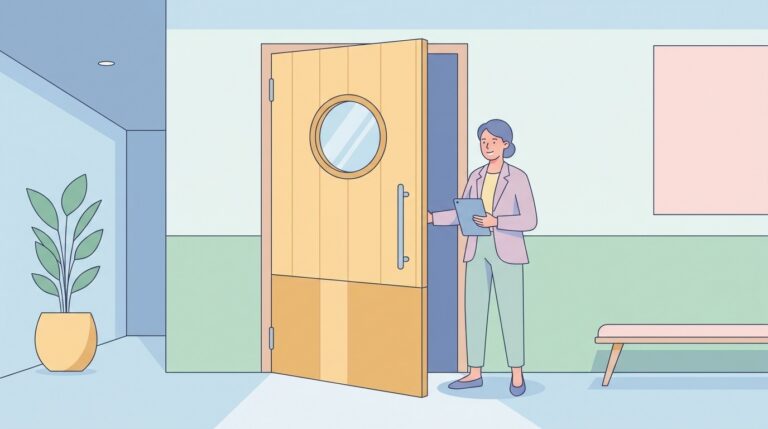
Picture this classic K-Drama scene: You are standing right outside a sleek frosted-glass conference room in the heart of Teheran-ro, Gangnam. Your palms are slightly sweaty against your notebook. Inside, your manager and senior teammates are wrapping up their morning coffee. The glass door slides open, and a room full of sharp eyes turns toward you. Your project lead looks up from her laptop and asks when the slides will be ready. You desperately want to say, “I will have everything ready according to the timeline!” But your mind turns completely blank, and all you can muster is an awkward frozen bow.
Trust me, you are not alone! Over the past decade of coaching global learners and expat professionals stepping into Korean workplaces, I have witnessed this exact freeze-up hundreds of times. Business etiquette in Korea can feel daunting, but you do not need complex business jargon to earn instant respect. Today, we are breaking down the golden phrase: 일정에 맞춰서 준비하겠습니다 (I will prepare according to the schedule) along with essential meeting room entry manners tailored for beginners (A1 level). By the end of this guide, you will enter that meeting room with calm confidence and absolute poise!
Phase 2: Top 3 Core Expressions Deep Dive
1. 실례합니다 (Sil-lye-ham-ni-da)
- Pronunciation: Sil-lye-ham-ni-da (Think: “Sil-lay-ham-nee-da”—smooth and polite, like sliding gently into a seat).
- Meaning: Literal: “I am committing an impoliteness” vs Actual: “Excuse me / Pardon me (as I enter or interrupt).”
- K-Culture Moment: Seen in every office K-drama like Misaeng or King the Land whenever a junior employee knocks twice and peeks into a director’s office.
- Editor’s Insight: It acts as your linguistic magic shield. Saying this before crossing the threshold instantly signals that you acknowledge the shared workspace.
- Situation Spectrum: Casual 🚫 | Semi-formal ⚠️ | Formal ✅
- 🤔 Think About It: In English, we often say “Sorry to bother you” only if someone looks busy, but in Korean, acknowledging the potential interruption first is standard courtesy. How does your home culture approach walking into an occupied room?
2. 일정에 맞춰서 준비하겠습니다 (Il-jeong-e mat-chwo-seo jun-bi-ha-get-seum-ni-da)
- Pronunciation: Il-jeong-e mat-chwo-seo jun-bi-ha-get-seum-ni-da (Think: “Ill-jung-eh maht-chwo-seo joon-bee-ha-get-seum-nee-da”).
- Meaning: Literal: “Fitting to the schedule, I will prepare” vs Actual: “I will prepare according to the schedule / I will have it ready on time.”
- K-Culture Moment: When a demanding executive in Search: WWW checks in on the product rollout, this is the exact, confident response the lead strategist delivers.
- Editor’s Insight: The ending -하겠습니다 (-ha-get-seum-ni-da) conveys proactive commitment and dedication, assuring everyone that the deadline will be honored.
- Situation Spectrum: Casual 🚫 | Semi-formal ⚠️ | Formal ✅
- 🤔 Think About It: English speakers often emphasize “I will do it,” whereas the Korean phrasing anchors personal action directly to the collective timeline (일정에 맞춰서).
3. 네, 알겠습니다 (Ne, al-get-seum-ni-da)
- Pronunciation: Ne, al-get-seum-ni-da (Think: “Neh, ahl-get-seum-nee-da”—crisp, upbeat, and decisive).
- Meaning: Literal: “Yes, I will understand/know” vs Actual: “Yes, understood / Right away!”
- K-Culture Moment: The quintessential response repeated across every Korean workplace, from startup labs in Pangyo to bustling corporate headquarters.
- Editor’s Insight: Avoid replying with just a flat “네 (Ne)” when given an assignment. Adding “알겠습니다” demonstrates clarity, ownership, and respect.
- Situation Spectrum: Casual 🚫 | Semi-formal ⚠️ | Formal ✅
- 🤔 Think About It: Notice how this focuses on receipt and understanding of instructions rather than personal agreement.
Phase 3: Textbook Korean vs. Real Korean
Situation 1: Entering the Conference Room
- 📖 교과서 한국어 (Textbook): 제가 방에 들어가도 되겠습니까? (Je-ga bang-e deul-eo-ga-do doe-get-seum-ni-kka? – May I enter the room?)
- 🗣️ 진짜 한국어 (Real-life): 실례합니다, 들어가겠습니다! (Sil-lye-ham-ni-da, deul-eo-ga-get-seum-ni-da! – Excuse me, I am coming in!)
- 💡 왜 다를까? (Why is it different?): Textbook phrases often ask permission awkwardly like a child asking a teacher. In real offices, adults politely announce their entry while stepping inside.
Situation 2: Confirming a Project Deadline
- 📖 교과서 한국어 (Textbook): 저는 마감 시간까지 그것을 끝낼 것입니다. (Jeo-neun ma-gam si-gan-kka-ji geu-geot-eul kkeun-nael geot-im-ni-da. – I will end that until deadline.)
- 🗣️ 진짜 한국어 (Real-life): 네, 일정에 맞추겠습니다! (Ne, il-jeong-e mat-chu-get-seum-ni-da! – Yes, I will meet the schedule!)
- 💡 왜 다를까? (Why is it different?): Native speakers favor compact, action-driven verbs over clunky literal future-tense constructions.
Phase 4: K-Culture Deep Dive & Non-Verbal Manners
4-1. 눈치 (Nunchi) & Office Gestures
- The Two-Knock Rule: Always knock twice lightly on the door before turning the handle. Three knocks can sound demanding, and one knock feels timid.
- The 15-Degree Bow: As you say “실례합니다 (Sil-lye-ham-ni-da),” lower your upper body slightly (about 15 degrees) while keeping your neck straight.
- Two-Handed Posture: If carrying a tablet, laptop, or report folder, hold it with both hands close to your torso. It visibly demonstrates care and readiness.
4-2. Culture Code: The Beauty of 약속 (Promise) & Speed
Korean work culture balances intense speed (빨리빨리, Palli-Palli) with strict reliability. When a senior colleague asks about preparation, they are seeking reassurance that team workflow will not stall. Saying 일정에 맞춰서 준비하겠습니다 shows that you understand team synchronization.
Phase 5: Real-World Roleplay Scenario
Setting: Glass meeting room at a dynamic tech startup in Pangyo.
Characters: Team Lead Min (kind but direct mentor) & You (international team member).
- You: 🎭 (Knocks twice gently on the glass door)
실례합니다. (Sil-lye-ham-ni-da. / Excuse me.) - Team Lead Min: 🎭 (Looks up from laptop screen with an inviting smile)
어, 들어오세요! (Eo, deul-eo-o-se-yo! / Oh, please come in!) - You: 🎭 (Enters with a polite 15-degree head nod)
회의 시작했습니까? (Hoe-ui si-jak-haet-seum-ni-kka? / Has the meeting started?) - Team Lead Min: 🎭 (Points toward an open chair)
아니요, 방금 시작했어요. 여기 앉으세요. (A-ni-yo, bang-geum si-jak-haess-eo-yo. Yeo-gi an-jeu-se-yo. / No, we just started. Please sit here.) - You: 🎭 (Slides chair out quietly and places notebook on the desk)
감사합니다. (Gam-sa-ham-ni-da. / Thank you.) - Team Lead Min: 🎭 (Taps the meeting agenda sheet)
발표 자료, 금요일까지 준비될까요? (Bal-pyo ja-ryo, geum-yo-il-kka-ji jun-bi-doel-kka-yo? / Will the presentation slides be ready by Friday?) - You: 🎭 (Maintains steady, respectful eye contact and nods)
네! 일정에 맞춰서 준비하겠습니다. (Ne! Il-jeong-e mat-chwo-seo jun-bi-ha-get-seum-ni-da. / Yes! I will prepare according to the schedule.) - Team Lead Min: 🎭 (Nods warmly with approval)
좋아요. 믿고 있을게요! (Joh-a-yo. Mit-go iss-eul-ge-yo! / Great. I will count on you!)
🔀 Interactive Decision Point
Your team lead asks: “내일 아침까지 자료 확인 가능해요? (Can you review the materials by tomorrow morning?)” How do you respond?
- Option A: “네, 일정에 맞춰서 준비하겠습니다!”
- Feedback (Best): Perfect! Professional, clear, and reassuring.
- Option B: “네, 그냥 할게요.”
- Feedback (Risk): “Yeah, I’ll just do it.” Sounds passive, reluctant, and overly casual.
- Option C: “몰라요, 내일 봐요.”
- Feedback (Bad): “I don’t know, see you tomorrow.” Major workplace faux pas!
Phase 6: 10-Second Emotional Shadowing Drill
Practice out loud with these emotion guides and pause points (/):
- Drill 1:
[🚪 예의 바르고 조심스럽게 - Polite & Considerate]
실례합니다 / 들어가겠습니다. (Sil-lye-ham-ni-da / deul-eo-ga-get-seum-ni-da.) - Drill 2:
[💼 자신감 넘치고 신뢰감 있게 - Confident & Trustworthy]
네, / 일정에 맞춰서 / 준비하겠습니다! (Ne, / il-jeong-e mat-chwo-seo / jun-bi-ha-get-seum-ni-da!) - Drill 3:
[🫡 신속하고 명확하게 - Crisp & Decisive]
네, / 알겠습니다! (Ne, / al-get-seum-ni-da!)
Phase 7: K-Culture Mini Dictionary
- 일정 (Il-jeong) | Noun | Schedule, timeline, or agenda. Used daily in both professional and travel contexts.
- 회의실 (Hoe-ui-sil) | Noun | Conference or meeting room. Often indicated on signage in corporate towers.
- 준비 (Jun-bi) | Noun | Preparation or readiness. You will hear “준비 완료 (preparation complete)” frequently.
- 칼퇴 (Kal-twae) | Slang/Noun | Leaving work sharp on the dot (“knife-clock-out”). Finishing tasks on schedule leads to glorious 칼퇴!
Phase 8: Traveler’s Survival Kit
Top 3 Survival Phrases
- 지금 들어가도 돼요? (Ji-geum deul-eo-ga-do dwae-yo?)
- Meaning: “May I come in right now?”
- Pro Tip: Handy when entering pop-up stores, exhibition booths, or rental meeting spaces.
- 시간 맞춰서 갈게요! (Si-gan mat-chwo-seo gal-ge-yo!)
- Meaning: “I will be there right on time!”
- Pro Tip: Perfect for letting your local guide or lunch partner know you are punctual.
- 영수증 부탁드립니다 (Yeong-su-jeung bu-tak-deu-rim-ni-da)
- Meaning: “Receipt, please.”
- Pro Tip: Essential for reimbursement when buying coffee or team snacks in Korea.
Editor’s Travel Note
When heading to office buildings or coworking spaces across Seoul, download the official KakaoMap navigation app for English users for precise gate and transit exit instructions. Also keep your climate-friendly transit card loaded for smooth transfers during morning rush hours.
Phase 9: One Step Deeper
In Korean corporate communication, harmony (화합, Hwahap) is rooted in keeping mutual commitments visible. Saying 일정에 맞춰서 준비하겠습니다 is not just an acknowledgment of a chore; it is an act of consideration toward the entire team’s rhythm. When everyone respects the schedule, everyone succeeds together.
💬 Your Turn: Have you ever attended a business meeting in another language or culture? What phrase gives you the most confidence when speaking to your team? Drop your thoughts in the comments below!
Phase 10: FAQ & Common Mistakes
Q: Can I use “네, 알겠습니다” with my close friends?
A: It sounds overly formal and stiff among friends! In casual settings, simply say “응, 알았어! (Eung, al-ass-eo! – Got it!)”.
Q: What if I genuinely cannot meet the deadline?
A: Never promise what you cannot deliver. Instead, state honestly: “조금 더 시간이 필요합니다 (Jo-geum deo si-gan-i pil-yo-ham-ni-da – I need a little more time).”
Q: Is knocking on glass office doors acceptable?
A: Yes, absolutely. Just remember to rap lightly with two knuckles rather than thumping with your palm.
🚨 Common Mistakes Alert
- Mistake 1: Replying with casual “네, 할게요 (Ne, hal-ge-yo)” to a boss. (Correction: Use formal “네, 하겠습니다” or “알겠습니다”).
- Mistake 2: Entering an ongoing meeting room without speaking. (Correction: Always offer a quiet “실례합니다” with a slight nod).
- Mistake 3: Apologizing with informal “미안합니다 (Mi-an-ham-ni-da)” if late. (Correction: Use polite business phrasing: “죄송합니다, 늦었습니다 (Joe-song-ham-ni-da, neuj-eoss-seum-ni-da)”).
Phase 11: Action Missions
- 🥉 Bronze Mission: Stand in front of your mirror, knock twice in the air, and say “실례합니다! 일정에 맞춰서 준비하겠습니다!” three times with a bright nod.
- 🥈 Silver Mission: Write down today’s core sentence in your study notes or phone lock screen, and share your study goal using
#DailyHangul. - 🥇 Gold Mission: Use “네, 알겠습니다” or “일정에 맞춰서 준비하겠습니다” in your next Korean class, chat room, or workplace exchange!
- 🎮 K-Culture Mission: Watch any office drama episode (e.g., Business Proposal or Misaeng) and tally how many times employees reply with “알겠습니다”!
Phase 12: Interactive Quiz Challenge
1. Which phrase should you say when stepping into an occupied meeting room?
* A) 맛있게 드세요 (Mas-it-ge deu-se-yo)
* B) 실례합니다 (Sil-lye-ham-ni-da)
* C) 안녕 (An-nyeong)
2. Fill in the blank:
* “네, ______에 맞춰서 준비하겠습니다!” (Hint: Schedule)
3. True or False:
* Knocking once loudly is the preferred business etiquette when entering a meeting room in Korea.
👉 Click to reveal answers and explanations!
- Answer: B) 실례합니다 (Sil-lye-ham-ni-da)
Explanation: B means “Excuse me,” the proper phrase upon entering. (A means “Enjoy your meal,” and C is casual “Hi”). -
Answer: 일정 (Il-jeong)
Explanation: 일정 means “schedule” or “timeline.” -
Answer: False
Explanation: Two gentle knuckles knocks are the golden standard for polite office entry!
🎬 Watch Our Daily Videos! (Daily Hangul Official Instagram)
Review the expressions you learned in this article with our fun daily short videos! Check out native pronunciation and real-life nuances in action.
- Instagram @dailyhangul_en






