

Phase 1: 공감 (Empathy & Opening)
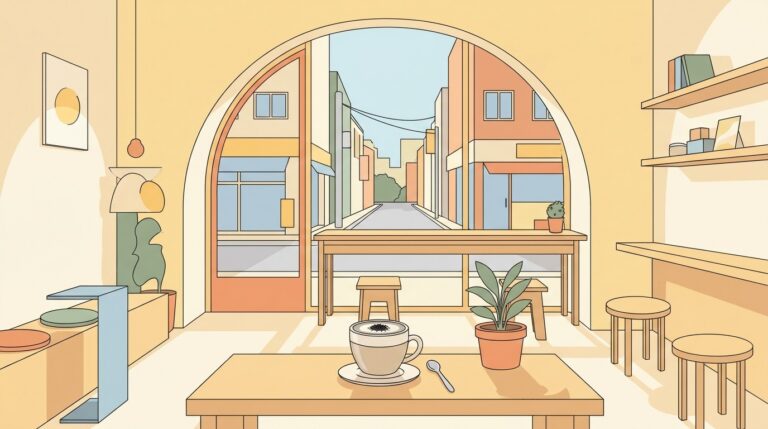
안녕하세요! 매일한글 에디터입니다. Have you ever stepped into a converted red-brick cafe in Seongsu-dong or a hidden sunlit spot in Yeonnam-dong, completely mesmerized by the bustling aesthetic? Indie music plays softly, vintage concrete walls are adorned with contemporary art, and every table features a stunning glass filled with a two-toned drink topped with velvety gray foam. You step in line, heart pounding with excitement, eager to try the drink everyone is raving about on Instagram—the famous black sesame cream latte. But as you reach the counter, the friendly barista smiles and says, “주문 도와드릴까요? (Jumun dowadeurilkkayo? / May I help you order?)” Suddenly, your mind freezes. The menu is packed with creative terms, and under pressure, you blurt out, “아이스 아메리카노 주세요 (Iced Americano, please)”—missing out on the cafe’s true masterpiece!
You are definitely not alone. Over 80% of our A2 learners share that cafe ordering in Seoul feels daunting because textbooks only teach basic coffee words. Today, we are changing that. Based on real learner experiences and Seoul cafe crawls, this guide gives you practical Korean phrases to confidently order signature drinks and savor every nutty, sweet sip.
Phase 2: 핵심 표현 3선 심층 분석 (Top 3 Core Expressions)
1. 시그니처 메뉴가 뭐예요? (Sigeunicheo menyuga mwoyeyo?)
- Pronunciation: [Si-geu-ni-cheo me-nyu-ga mwo-ye-yo?] (Think of saying “See-geu-nee-chuh meh-nyoo-gah mwoh-yeh-yoh”)
- Meaning: Literal: “What is the signature menu?” | Actual Nuance: “What is this cafe famous for? / What do you recommend most?”
- K-Culture Moment: In trendy Korean cafes, baristas take immense pride in their own handcrafted recipes. Rather than asking for a generic recommendation, asking for their “시그니처” instantly shows you appreciate their craft.
- Editor’s Insight: While “추천해 주세요 (Please recommend)” works, modern cafe culture thrives on the loanword “시그니처 (signature)”. It directly points to the cafe’s pride and joy.
- Situation Spectrum: Casual: ✅ | Semi-formal: ✅ | Formal: ⚠️
- 🤔 Think About It: Why do you think Korean youth culture embraces English loanwords like “시그니처” to define modern culinary identity?
2. 흑임자 크림 라떼 하나 주세요. (Heugimja keurim ratte hana juseyo.)
- Pronunciation: [Heug-im-ja keu-rim ra-tte ha-na ju-se-yo.] (Sound analogy: “Hook-im-jah kuh-reem lah-teh hah-nah joo-seh-yoh”)
- Meaning: Literal: “Black sesame cream latte one, please give.” | Actual Nuance: “One black sesame cream latte, please.”
- K-Culture Moment: Traditional Korean ingredients are enjoying a massive revival thanks to the retro “Halmaenial” trend. 흑임자 (black sesame) transformed from a traditional rice cake flavor into the king of modern cream lattes.
- Editor’s Insight: Memorize the formula:
[Drink Name] + 하나 주세요 (Hana juseyo). For two cups, replace “하나” with “두 개 (du gae)”. Simple, polite, and universally understood!- Situation Spectrum: Casual: ✅ | Semi-formal: ✅ | Formal: ✅
- 🤔 Think About It: In your culture, what traditional ingredient has successfully made a stylish comeback in trendy youth spaces?
3. 고소하고 달콤해요! (Gosohago dalkomhaeyo!)
- Pronunciation: [Go-so-ha-go dal-kom-hae-yo!] (Sound analogy: “Go-so-hah-go dahl-kom-heh-yoh!”)
- Meaning: Literal: “It is nutty and sweet!” | Actual Nuance: “It is toasty, rich, and delightfully sweet!”
- K-Culture Moment: On food variety shows and cafe vlogs, you will constantly hear Korean hosts close their eyes in bliss and say, “와, 진짜 고소하다! (Wow, this is so nutty and comforting!)”
- Editor’s Insight: “고소하다” is one of Korea’s most unique sensory words. It describes the deep, comforting roasted flavor of toasted sesame, nuts, or browned butter—distinct from plain saltiness or sweetness.
- Situation Spectrum: Casual: ✅ | Semi-formal: ✅ | Formal: ✅
- 🤔 Think About It: Why do some cultures develop highly specific flavor adjectives that cannot be translated into a single English word?
Phase 3: 교과서 한국어 vs 진짜 한국어 (Textbook vs. Real Korean)
Situation 1: Asking for the cafe’s specialty
- 📖 교과서 한국어: “이 카페의 대표 음료는 무엇입니까?” (I kape-ui daepyo eumryoneun mueosimnikka? / What is this cafe’s representative beverage?)
- 🗣️ 진짜 한국어: “여기 시그니처 메뉴가 뭐예요?” (Yeogi sigeunicheo menyuga mwoyeyo? / What is the signature menu here?)
- 💡 왜 다를까?: Textbook Korean relies heavily on formal Chinese-character roots (“대표 음료”), which sounds like an official business interview. Real locals use friendly daily conversational polite endings with “시그니처”.
Situation 2: Expressing appreciation for the rich flavor
- 📖 교과서 한국어: “이 음료의 맛이 대단히 좋습니다.” (I eumryoui masi daedanhi joseumnida. / The taste of this beverage is exceptionally good.)
- 🗣️ 진짜 한국어: “완전 꼬숩고 달달해요!” (Wanjeon kkosupgo daldalhaeyo! / It’s super nutty and wonderfully sweet!)
- 💡 왜 다를까?: Young Koreans love expressive sensory slang like “꼬숩다” (an affectionate, vivid variant of 고소하다) and “달달하다” (sweet and cozy) to capture mouthfeel with excitement.
Phase 4: K-Culture 딥다이브 & 비언어적 매너 (Culture Deep Dive & Mannerisms)
4-1. 눈치 (Nunchi) & Cafe Gestures
- Card Handover: When paying at the counter in Seoul, always hand your payment card with both hands, or support your right forearm lightly with your left hand. It conveys effortless respect.
- The Pager Etiquette: Upon payment, the barista hands you a small circular puck called a 진동벨 (jindongbel / buzzer). Nod slightly as you take it. When it buzzes and blinks red, bring it back to the “Pick-up (픽업)” counter.
- Sip, Don’t Stir: Drinking a cream latte has an unwritten rule! Never stick a straw directly into the bottom, and do not stir the cream with a spoon. Tip the cup gently so the dense, cold black sesame cream meets your lips first, followed by the warm or iced espresso beneath.
4-2. The “할매니얼 (Halmaenial)” Phenomenon
Why is black sesame everywhere in Hongdae and Seongsu? South Korea’s youth culture coined the term “할매니얼 (Halmaenial)”—combining 할머니 (Halmeoni / Grandma) and 밀레니얼 (Millennial). Rather than chasing Western dessert trends, young Koreans fell head-over-heels for earthy, nostalgic flavors like 흑임자 (black sesame), 인절미 (toasted soybean powder), and 쑥 (mugwort). Cafe owners elevate these wholesome ingredients with gourmet espresso and whipped cream, turning grandmothers’ pantry staples into high-end aesthetics.
Phase 5: 실전 롤플레이 시나리오 (Interactive Cafe Roleplay)
Setting: Cafe Ground, a trendy minimalist cafe in Seongsu-dong. Barista Minho stands behind a matte-black espresso bar, welcoming customer Sarah.
- Turn 1 (Minho): “어서 오세요! 주문 도와드릴까요?” (Eoseo oseyo! Jumun dowadeurilkkayo? / Welcome! Can I help you order?) 🎭 [Smiling pleasantly with hands on the POS counter]
- Turn 2 (Sarah): “안녕하세요! 여기 시그니처 메뉴가 뭐예요?” (Annyeonghaseyo! Yeogi sigeunicheo menyuga mwoyeyo? / Hello! What is your signature menu here?) 🎭 [Looking at the menu board with a warm, curious expression]
- Turn 3 (Minho): “저희는 흑임자 크림 라떼가 제일 인기 많아요.” (Jeohuineun heugimja keurim rattega jeil ingi manayo. / Our black sesame cream latte is our most popular item.) 🎭 [Pointing proudly to the featured beverage photo on the counter]
- Turn 4 (Sarah): “아, 그거 많이 달아요?” (A, geugeo mani darayo? / Ah, is that very sweet?) 🎭 [Tilting head slightly with genuine curiosity]
- Turn 5 (Minho): “크림은 달콤하고, 흑임자가 들어가서 아주 고소해요!” (Keurimeun dalkomhago, heugimjaga deureogaseo aju gosohaeyo! / The cream is sweet, and with the black sesame inside, it’s very nutty and rich!) 🎭 [Nodding enthusiastically to reassure her]
- Turn 6 (Sarah): “좋아요! 흑임자 크림 라떼 하나 주세요.” (Joayo! Heugimja keurim ratte hana juseyo. / Sounds great! One black sesame cream latte, please.) 🎭 [Handing over her card with two hands]
- Turn 7 (Minho): “네, 결제 도와드렸습니다. 진동벨 울리면 픽업대로 와주세요!” (Ne, gyeolje dowaduryeosseumnida. Jindongbel ullimyeon pigeopdaero wajuseyo! / Yes, payment is complete. When the buzzer rings, please come to the pickup counter!) 🎭 [Hands back the credit card along with a round vibrating bell]
- Turn 8 (Sarah): “네, 감사합니다!” (Ne, gamsahamnida! / Yes, thank you!) 🎭 [Accepting the buzzer with a polite head bow]
🔀 인터랙티브 분기점 (Interactive Decision Point)
Right after Turn 6, Minho asks: “드시고 가세요, 아니면 포장해 드릴까요? (Are you drinking here, or should I pack it to go?)” How do you respond?
- Option A: “먹고 갈게요!” (Meokgo galgeyo! / I’ll drink it here!)
- 🏆 Best Choice: Perfectly natural and clear. The barista will serve your latte in an aesthetic glass cup suited for photos, adhering to Korean cafe laws.
- Option B: “테이크아웃으로 주세요.” (Teikeu-auseuro juseyo. / Please give it to me as takeout.)
- ⚠️ Risk Choice: You will get a single-use plastic cup, which legally prevents you from sitting at indoor tables. If you sit down, staff must ask you to leave.
- Option C: “아무거나 괜찮아요.” (Amugeona gwaenchanayo. / Anything is fine.)
- 🚫 Bad Choice: This creates confusion. Korean law strictly regulates indoor cup usage versus takeout disposables, so the barista must know your exact plan.
Phase 6: 10초 감정 섀도잉 드릴 (10-Second Emotion Shadowing Drill)
Practice reading these lines aloud with the emotional cues and natural breathing pauses (/):
[😊 호기심 가득하고 밝게 / Bright and curious]
“여기 / 시그니처 메뉴가 / 뭐예요?”
(Yeogi / sigeunicheo menyuga / mwoyeyo?)-
[☕ 또박또박하고 자신감 있게 / Clear and confident]
“흑임자 크림 라떼 / 하나 주세요!”
(Heugimja keurim ratte / hana juseyo!) -
[😋 감탄하며 군침 돌게 / Relishing and delighted]
“우와, / 크림이 진짜 / 고소하고 달콤해요!”
(Uwa, / keurimi jinjja / gosohago dalkomhaeyo!)
Phase 7: K-Culture 미니 사전 (Mini Dictionary)
- 시그니처 (Sigeunicheo) | Signature item / House specialty
- Everyday usage: Used at modern cafes, bakeries, and brunch spots to highlight the one drink or dessert you simply must try.
- 흑임자 (Heugimja) | Black sesame
- Everyday usage: Traditional seed ingredient known for deep aroma. Stars prominently in trendy lattes, shaved ice (bingsu), and layered cakes.
- 고소하다 (Gosohada) | Nutty, toasted, roasted-rich
- Everyday usage: The ultimate praise word in Korean food culture for sesame oil, roasted nuts, grain teas, and artisanal cream drinks.
- 진동벨 (Jindongbel) | Vibrating call bell / Buzzer
- Everyday usage: Self-service pager handed out when you order. When it vibrates and flashes, you pick up your tray from the counter.
Phase 8: 여행자를 위한 생존 키트 (Traveler’s Survival Kit)
Survival Phrases TOP 3
- “먹고 갈게요.” (Meokgo galgeyo. / For here, please.)
- Pro Tip: When asked “드시고 가세요? (Having it here?)”, reply with this phrase to get a proper glassware serving.
- “빨대 없이 마셔요?” (Ppaldae eopsi masyeoyo? / Do I drink this without a straw?)
- Pro Tip: Cream lattes are meant to be sipped directly from the rim so the cream and espresso blend harmoniously in your mouth.
- “와이파이 비밀번호 있어요?” (Waipai bimilbeonho isseoyo? / Do you have the Wi-Fi password?)
- Pro Tip: Look at the bottom of your printed receipt or near the pickup counter before asking; it is almost always printed there!
Editor’s Travel Note
- Mapping Your Spots: Google Maps has limited pedestrian navigation in Korea. Make sure you install the [Naver Map App for mobile navigation] to bookmark hidden Yeonnam and Seongsu alley cafes with ease.
- Cashless Culture: Almost 99% of hot-place cafes in Seoul are completely cashless. Keep an international credit card (Visa/Mastercard) or a pre-loaded foreign traveler card handy in your pocket.
Phase 9: “한 발 더 깊이” (Cultural Reflection Essay)
In Western food lexicons, we readily describe desserts as “sweet”, “decadent”, or “creamy”, yet the sensation of toasted earthiness rarely takes center stage in a coffee house. In Korea, however, the word “고소하다” carries deep emotional nostalgia. It is the aroma of mothers pressing fresh sesame oil at traditional markets, transformed into a contemporary indulgence by creative baristas. Ordering a black sesame cream latte isn’t just about grabbing caffeine—it is participating in an ongoing dialogue between historical heritage and cutting-edge urban trends.
💬 Your Turn: What traditional flavor or memory from your hometown would you love to see reinvented into a stylish Seoul cafe latte? Share your dream drink in the comments below!
Phase 10: FAQ & 오해 방지 (FAQ & Common Mistakes)
Q: Can I ask the barista to make the latte less sweet?
A: Yes! You can say “덜 달게 해주세요 (Deol dalge haejuseyo / Please make it less sweet)”. However, keep in mind that the black sesame cream foam is often prepared in advance in batches, so the sweetness adjustment might only apply to the milk base.
Q: Should I leave a tip on the cafe counter?
A: No, absolutely not! Tipping is not part of Korean dining or cafe culture. Prices listed on the board already include tax and service charges. A warm “감사합니다 (Gamsahamnida)” as you leave is the best way to show appreciation.
Q: Can I grab an empty table before placing my order?
A: Yes, and in fact, you should! In bustling areas like Seongsu and Hongdae on weekends, seats fill up instantly. It is common etiquette to secure your seats first (자리 잡기), leave a bag or coat, and then head to the counter to order.
🚨 Common Mistakes Alert
- Mistake 1: Stirring the cream latte with a straw right away.
- Correct Action: Drink it directly from the rim without a straw to taste the contrasting temperatures and textures of cream and coffee together.
- Mistake 2: Taking a disposable takeout cup and sitting down at an indoor table.
- Correct Action: Korean environmental laws levy heavy fines on cafes if customers use plastic disposables inside. If you want to sit, always say “먹고 갈게요 (Meokgo galgeyo)”.
- Mistake 3: Waiting at the table for staff to deliver your drink.
- Correct Action: Seoul hot spots are strictly self-service. Keep your eyes on the vibrating bell (진동벨) and collect your tray from the pickup bar when it buzzes.
Phase 11: 액션 미션 & 참여 유도 (Action Missions)
- 🥉 Bronze Mission (Solo Practice): Stand in front of your mirror and repeat “흑임자 크림 라떼 하나 주세요” three times until it rolls off your tongue in under 3 seconds.
- 🥈 Silver Mission (Social Share): Snap a photo of your next coffee, post it to your Instagram story or study log, and add the Korean phrase: “고소하고 달콤해요! #DailyHangul”.
- 🥇 Gold Mission (Real-world Challenge): Visit an authentic Korean cafe or bubble tea shop near you (or during your trip to Seoul) and order a signature beverage entirely in Korean without switching to English!
- 🎮 K-Culture Mission: Watch an episode of a Korean drama or cafe vlog set in Seoul and spot whether the characters use a vibrating buzzer (진동벨) when waiting for their orders.
Phase 12: 인터랙티브 퀴즈 챌린지 (Interactive Quiz Challenge)
Test your cafe survival skills with these three quick questions:
1. Situational Judgment: You arrive at a famous Yeonnam-dong cafe and want to discover their most iconic house drink. What should you ask?
* A) 물 주세요. (Mul juseyo.)
* B) 여기 시그니처 메뉴가 뭐예요? (Yeogi sigeunicheo menyuga mwoyeyo?)
* C) 라떼 맛없어요. (Ratte maseopseoyo.)
2. Fill-in-the-Blank: You want to order exactly one cup of black sesame cream latte. Choose the correct counting word:
* “흑임자 크림 라떼 _______ 주세요.”
* A) 하나 (Hana)
* B) 열 개 (Yeol gae)
* C) 아무거나 (Amugeona)
3. True or False: In Korea, if you order your drink in a disposable takeout plastic cup, you can relax inside the cafe seats for several hours.
* A) True
* B) False
👉 Click to view answers and explanations!
- Answer: B – “여기 시그니처 메뉴가 뭐예요?” politely and naturally asks for the cafe’s hallmark drink.
- Answer: A – “하나 (Hana)” is the native Korean number for “one”.
- Answer: B (False) – Under strict Korean environmental regulations, single-use takeout cups cannot be consumed inside the cafe seating area!
🎬 Watch Our Daily Videos! (Daily Hangul Official Instagram)
Review the expressions you learned in this article with our fun daily short videos! Check out native pronunciation and real-life nuances in action.
- Instagram @dailyhangul_en






