

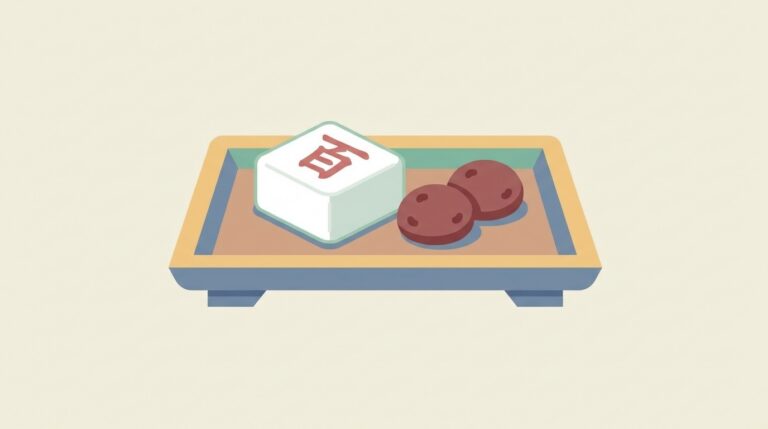
The Warm Magic of Korean 100-Day Rice Cakes: What to Say When You Receive Baek-il Tteok
Phase 1: 공감 (A Warm Welcome to Korean Milestones)
안녕하세요! 매일한글 에디터입니다. Picture this: you are at your desk in Seoul when a smiling coworker hands you a charming little box of white rice cakes stamped with the character ‘백’ (Baek). Your mind goes blank: Why am I getting food? What should I say? Do I owe them a gift? Take a deep breath! You have just encountered one of Korea’s most heartwarming customs: the 100th-day milestone, or 백일 (Baek-il). Sharing 백설기 (Baekseolgi) and red bean sorghum cakes is an ancient communal blessing wishing an infant long life and health. Over the past decade of coaching Korean learners, I have seen so many freeze in this exact moment. This guide will teach you the exact words, manners, and cultural codes so you can respond with genuine warmth and confidence!
Phase 2: 핵심 표현 3선 심층 분석 (Top 3 Expressions for Baek-il)
1. 아기 백일 축하드려요! (Agi baegil chukhadryeoyo!)
- Pronunciation: [Ah-gee baek-il chook-ha-deu-ryeo-yo] (Think of Ah-gee like “ah, gee!”, baek-il like beck-eel, and chuk-ha like a celebratory “choo-choo!”)
- Meaning: Literal: “I offer congratulations on the baby’s 100 days.” | Nuance: “Happy 100th day to your baby! I celebrate this joyous milestone with you.”
- K-Culture Moment: In modern family K-dramas such as Once Again or My Golden Life, when a new mother brings celebratory treats to her department, everyone gathers around, clapping and reciting this exact phrase.
- Editor’s Insight: Using 축하드려요 (chukhadryeoyo) with the honorific ending -드려요 shows refined etiquette and heartfelt respect toward the parent and child.
- Situation Spectrum: Casual: ⚠️ (too formal for very close friends; say 아기 백일 축하해!) | Semi-formal: ✅ | Formal: ✅
- 🤔 Think About It: In many Western countries, baby showers happen before birth. Why did traditional Korean culture wait until the 100th day after birth to celebrate publicly?
2. 건강하고 무럭무럭 자라길 바라요. (Geonganghago mureokmureok jaragil barayo.)
- Pronunciation: [Geon-gang-ha-go moo-reok-moo-reok jah-rah-gil bah-rah-yo] (Geon rhymes with “gun”, and mureok mimics bubbling growth: “moo-ruck moo-ruck”).
- Meaning: Literal: “I hope [the baby] grows healthily and rapidly.” | Nuance: “Wishing the sweet baby vibrant health, continuous strength, and happy growth!”
- K-Culture Moment: This warm blessing is frequently written in gift cards attached to tiny gold rings or baby clothes on variety shows like The Return of Superman (슈퍼맨이 돌아왔다).
- Editor’s Insight: 무럭무럭 (mureok-mureok) is an evocative Korean mimetic word depicting plants or children sprouting rapidly and vigorously.
- Situation Spectrum: Casual: ✅ (modify to 자라길 바라) | Semi-formal: ✅ | Formal: ✅ (modify to 바랍니다)
- 🤔 Think About It: How does using sensory, mimetic words like 무럭무럭 reveal the emotional warmth embedded in everyday Korean communication?
3. 떡 맛있게 잘 먹을게요! (Tteok mas-issge jal meogeulgeyo!)
- Pronunciation: [Ddeok mah-sheet-geh jal meo-geul-geh-yo] (Tteok starts with a crisp, tensed double “t”, followed by mah-sheet-geh).
- Meaning: Literal: “I will eat the rice cakes deliciously and well.” | Nuance: “Thank you so much for the thoughtful treat; I will enjoy every single bite!”
- K-Culture Moment: Typical scene in office pantries across Pangyo or Yeouido: team members happily brewing fresh tea to enjoy alongside the gifted rice cakes.
- Editor’s Insight: Declaring that you will eat something deliciously is the gold-standard Korean method to show gratitude before consuming a food gift.
- Situation Spectrum: Casual: ⚠️ (use 떡 잘 먹을게!) | Semi-formal: ✅ | Formal: ✅
- 🤔 Think About It: Why does Korean etiquette place such emphasis on thanking someone before eating rather than just afterward?
Phase 3: 교과서 한국어 vs 진짜 한국어 (Textbook vs. Real Korean)
Situation 1: Wishing Long Life to the Child
- 📖 교과서 한국어 (Textbook Korean): 아기의 무병장수를 기원합니다. (Agiui mubyeongjangsuleul giwonhamnida. / “I pray for the infant’s disease-free longevity.”)
- 🗣️ 진짜 한국어 (Real Native Korean): 아기가 아프지 않고 쑥쑥 크면 좋겠어요! (Agiga apeuji anko ssukssuk keumyeon jokesseoyo! / “I hope the baby stays healthy and shoots up strong!”)
- 💡 왜 다를까? Archaic Sino-Korean words like 무병장수 (mubyeongjangsu) sound overly clinical and stiff. Native speakers prefer dynamic sensory words like 쑥쑥 (ssukssuk – shooting up like bamboo) to show tender affection.
Situation 2: Expressing Gratitude for the Cake Box
- 📖 교과서 한국어 (Textbook Korean): 백일 기념 떡을 전달해 주셔서 감사의 뜻을 전합니다. (Baegil ginyeom tteogeul jeondalhae jusyeoseo gamsaui tteuseul jeonhamnida. / “I convey words of gratitude for delivering the milestone rice cake.”)
- 🗣️ 진짜 한국어 (Real Native Korean): 와, 백일 떡이에요? 진짜 축하드려요! 사무실 식구들이랑 잘 먹을게요. (Wa, baegil tteogieyo? Jinjja chukhadryeoyo! Samusil sikgudeullang jal meogeulgeyo. / “Wow, 100-day rice cakes? Huge congratulations! I’ll enjoy sharing this with the office team.”)
- 💡 왜 다를까? Rigid formality creates social distance. Acknowledging the food enthusiastically and expressing shared communal enjoyment brings instant relational warmth.
Phase 4: K-Culture 딥다이브 & 비언어적 매너 (Deep Dive & Etiquette)
4-1. 눈치 (Nunchi) & Polite Gestures
- Two-Handed Acceptance (두 손으로 받기): When a colleague or neighbor hands you the gift box, step forward and receive it with both hands. Supporting your right forearm or wrist lightly with your left hand communicates deep respect.
- The Gentle Bow: Complement your verbal thanks with a pleasant 15-degree bow and a warm, smiling gaze.
- The Return Etiquette: Never return an empty container immediately if rice cakes are brought over in a neighbor’s reusable dish. Etiquette dictates filling the clean dish with fruit, biscuits, or a beverage before returning it.
4-2. Cultural Code Analysis: The Colors of Protection
- 백설기 (Baekseolgi – Pure White Rice Cake): Made purely from white rice flour, sugar, and salt. Its pristine white color represents innocence, purity, and spiritual cleanliness. Traditionally, families believed that sharing this cake with 100 people would grant the child a long and prosperous life.
- 수수팥떡 (Susu-patteok – Sorghum Red Bean Cake): These chewy sorghum balls are coated with red bean (pat) powder. In Korean folk belief, the vibrant reddish-brown color drives away negative spirits (액운) and protects vulnerable infants from sickness until their tenth year.
Phase 5: 실전 롤플레이 시나리오 (Real-Life Roleplay Scenario)
- Setting: The open-concept lounge of an IT company in Pangyo. 10:30 AM coffee break.
- Character: Min-ji (Marketing Manager visiting the office during parental leave, distributing warm festive snack packages).
- Min-ji: 여러분, 바쁘신 와중에 잠깐만요! 우리 은우가 드디어 백일이 되었어요. (Yeoreobun, bappeusin wajunge jamkkanmanyo! Uri Eunu-ga deudieo baegiri doe-eosseoyo. / Everyone, sorry to interrupt while you’re busy! Our baby Eun-woo finally reached his 100th day.) 🎭 Smiling brightly, holding an insulated tote filled with pastel-ribboned boxes.
- You: 벌써 백일이에요? 민지 님, 아기 백일 진심으로 축하드려요! (Beolsseo baegirieyo? Minji-nim, agi baegil jinsimeuro chukhadryeoyo! / It’s already the 100th day? Min-ji, congratulations from the bottom of my heart!) 🎭 Standing up promptly from your desk with a warm smile.
- Min-ji: 고마워요! 백설기랑 수수팥떡 조금 준비했어요. 이웃과 나눠 먹어야 아기가 복을 받는다고 하잖아요. (Gomawoyo! Baekseolgilang susu-patteok jogeum junbihaesseoyo. I-ut-gwa nanwo meogeoya agiga bogeul banneundago hajanh-ayo. / Thank you! I prepared some baekseolgi and red bean sorghum cakes. You know how they say sharing with neighbors brings blessings to the baby!) 🎭 Hands you an embossed little box using both hands.
- You: 와, 따뜻하네요! 떡 맛있게 잘 먹을게요. 은우는 잘 지내고 있죠? (Wa, ttatteuthaeneyo! Tteok mas-issge jal meogeulgeyo. Eununeun jal jinaego itjyo? / Wow, it’s still warm! Thank you, I’ll enjoy it delicious! Is Eun-woo doing well?) 🎭 Receiving the box respectfully with both hands.
- Min-ji: 네! 밤에 잠도 잘 자고 아주 건강해요. 여기 떡 위에 백(百) 자 새겨진 거 보이시죠? 백 살까지 건강하라는 뜻이래요. (Ne! Bame jamdo jal jago aju geonganghaeyo. Yeogi tteok wie baek ja saegyeojin geo boisijyo? Baek salkkaji geongangharaneun tteusiraeyo. / Yes! He sleeps through the night and is very healthy. See the character ‘Baek’ stamped on the rice cake? It signifies living healthily until 100 years old.) 🎭 Showing off her smartphone wallpaper featuring her smiling baby.
- You: 사진 보니까 엄마 쏙 빼닮았네요! 은우가 건강하고 무럭무럭 자라길 바라요. (Sajin bonikka eomma ssok bpaedalmannaeyo! Eunuga geonganghago mureokmureok jaragil barayo. / Looking at the photo, he looks just like his mom! I hope Eun-woo grows up healthy and strong.) 🎭 Admiring the photo with genuine enthusiasm.
- Min-ji: 아이고, 그렇게 말씀해 주시니 힘이 나네요. 팀원들이랑 같이 차 한잔하면서 드세요! (Aigo, geureohge malsseumhae jusini himi nanaeyo. Timwondeullang gachi cha hanjanhamyeonseo deuseyo! / Oh, hearing that gives me so much energy. Please enjoy it over tea with the team!) 🎭 Bowing slightly with a radiant smile.
- You: 네, 든든하게 먹고 은우 기운 받아서 오늘 일도 열심히 할게요! 민지 님도 몸조리 잘하세요. (Ne, deundeunhage meokgo Eunu giun badaseo oneul ildo yeolsimhi halgeyo! Minji-nimdo momjori jalhaseyo. / Yes, I’ll eat well and gain Eun-woo’s happy energy to work hard today! Please take good care of your health too, Min-ji.) 🎭 Waving warmly as she moves to the next desk.
🔀 Interactive Branching Point
What should you do after enjoying the rice cake during lunch break?
* Option A: Leave the empty cardboard box on Min-ji’s desk with a sticky note: “잘 먹었습니다” (Finished eating).
* Option B: Take a clean photo of your tea and rice cake pairing, then message Min-ji on KakaoTalk: “민지 님, 떡 덕분에 오후 당 충전 제대로 했어요! 은우 만세!” (Min-ji, recharged my afternoon energy thanks to the cake! Long live Eun-woo!).
* Option C: Run to an ATM, withdraw 50,000 KRW, and hand it to her in an envelope saying it is the fee for the rice cakes.
- Feedback:
- Option A (Bad): A bit detached and sterile. It discards the communal celebration.
- Option B (Best!): Perfect cultural sensibility! Sharing an authentic appreciation photo (인증샷) affirms the mother’s thoughtful gesture.
- Option C (Risk): Awkward! Giving cash for celebratory return cakes (답례떡) makes the giver feel uncomfortable. Save monetary gifts for first birthday banquets (돌잔치).
Phase 6: 10초 감정 섀도잉 드릴 (10-Second Emotion Shadowing)
- [🎉 Cheerful and celebratory]
아기 백일 / 진심으로 축하드려요! / 은우 너무 귀여워요!
(Agi baegil / jinsimeuro chukhadryeoyo! / Eunu neomu gwiyeowoyo!) -
[🙏 Sincere and affectionate]
건강하고 씩씩하게 / 무럭무럭 자라길 / 마음 깊이 바라요.
(Geonganghago ssikssikhage / mureokmureok jaragil / ma-eum gipi barayo.) -
[😊 Joyful and appreciative]
따뜻한 백일 떡 / 맛있게 잘 먹고 / 응원 팍팍 보낼게요!
(Ttatteuthan baegil tteok / mas-issge jal meokgo / eung-won pakpak bonaelgeyo!)
Phase 7: K-Culture 미니 사전 (Core Milestone Glossary)
- 백일 (Baek-il): The 100th-day celebration since an infant’s birth, commemorating survival, blooming vitality, and official inclusion into the community.
- 백설기 (Baekseolgi): A fluffy white steamed rice cake symbolizing spiritual purity, untainted beginnings, and longevity.
- 수수팥떡 (Susu-patteok): Sweet and savory sorghum cakes rolled in coarse red bean powder; believed to protect youngsters from evil spirits and sickness.
- 답례떡 (Dangnye-tteok): Gratitude rice cakes distributed in neat boxes to coworkers, neighbors, and friends in return for prayers and goodwill.
Phase 8: 여행자를 위한 생존 키트 (Traveler’s Survival Kit)
Top 3 Survival Expressions
- 축하해 주셔서 감사합니다! (Chukhahae jusyeoseo gamsahamnida!) – “Thank you for congratulating us!” (Crucial if you are hosting or sharing cakes).
- 백일 떡 잘 먹었습니다. (Baegil tteok jal meogeotseumnida.) – “I truly enjoyed the 100-day rice cake.” (Great post-snack greeting).
- 아기가 복이 참 많네요! (Agiga bogi cham man-neyo!) – “The baby is blessed with so much good fortune!” (Heartwarming compliment).
Editor’s Travel Note
Craving fresh artisanal rice cakes during your trip to Seoul? Use the Naver Map application for Korea travel to search for heritage mills called bang-at-gan (방앗간) around Insadong or Mangwon Market. Rather than handing out cash when receiving treats from Korean hosts, sending an appreciative coffee coupon via mobile gifting is universally appreciated.
Phase 9: “한 발 더 깊이” (One Step Deeper: The Essence of Jeong)
In traditional Korea, where infant mortality was once a heartbreaking reality, an infant surviving 100 days was seen as crossing a sacred river into safety. But instead of hoarding their joy behind closed doors, families distributed 100 boxes of rice cakes to everyone around them. In doing so, the community entered an unspoken social covenant: everyone who tasted the sweet rice cake agreed to help watch over that child. This custom is the living pulse of Jeong (정)—a collective affection that dissolves the boundary between family and stranger.
💬 Your Turn: Does your home culture have a special dish, ritual, or milestone celebration dedicated to welcoming newborns and wishing them good health? Let’s discuss in the comments below!
Phase 10: FAQ & 오해 방지 (FAQ Schema)
Q: Do I need to buy an expensive present or give money when a coworker gives me Baek-il rice cakes?
A: No! Milestone rice cakes distributed at offices are return gestures (답례). Giving an envelope of cash can make the parent feel burdened. A sincere congratulatory message or a small 5,000–10,000 KRW coffee coupon is more than enough.
Q: What if I have dietary restrictions and cannot eat the rice cake?
A: Traditional Baekseolgi is naturally gluten-free and vegan, made only with rice flour, water, salt, and sugar. However, if you cannot eat it, accept the package graciously with two hands, offer congratulations, and quietly share it with a friend later. Flatly turning it down at the moment dampens the festive spirit.
Q: Is Baek-il (100 days) the same celebration as Doljanchi (돌잔치)?
A: No. Baek-il marks 100 days after birth and is typically a cozy home or office celebration. Doljanchi celebrates the baby’s first birthday (365 days) and is an elaborate party often held in a banquet hall featuring the Doljabi fortune-telling ceremony.
🚨 Common Mistakes (흔한 실수) TOP 3
- Mistake: Returning an empty plate when a neighbor brings you fresh celebratory rice cakes.
Correct Action: Place some fresh fruit, candy, or canned tea onto the plate before returning it with a warm bow. - Mistake: Discarding uneaten rice cakes into general trash bags.
Correct Action: Separate any plastic packaging, discard leftovers into food waste (음식물 쓰레기), or freeze fresh leftovers immediately to steam later. - Mistake: Asking “How much did this cost?” or attempting to pay the giver on the spot.
Correct Action: Treat the cake strictly as an auspicious gift of blessing and express hearty well-wishes for the baby.
Phase 11: 액션 미션 & 참여 유도 (Action Missions)
- 🥉 Bronze Mission: Practice pronouncing “아기 백일 축하드려요!” three times aloud in front of a mirror with a smiling voice.
- 🥈 Silver Mission: Share your favorite traditional Korean rice cake variety in the comments or on Instagram with the hashtag #DailyHangul.
- 🥇 Gold Mission: Next time an acquaintance or coworker shares milestone news, send them a natural Korean congratulatory message wishing their family health and growth!
- 🎮 K-Culture Mission: Watch an episode of a Korean family drama (like Reply 1988 or Hospital Playlist) and spot the scene where characters share festive rice cakes with their neighbors.
Phase 12: 인터랙티브 퀴즈 챌린지 (Interactive Quiz Challenge)
1. Situational Judgment:
Your coworker Min-ji gives you a small box with Baekseolgi and red bean sorghum cakes for her baby’s 100th day. What is the most culturally natural response?
A) “이거 얼마예요? 제가 돈 드릴게요.” (How much is this? I will pay you.)
B) “와, 백일 떡이에요? 정말 축하드려요! 맛있게 잘 먹을게요.” (Wow, 100-day rice cakes? Huge congratulations! I’ll enjoy it delicious!)
C) “저는 탄수화물 안 먹으니까 다른 사람 주세요.” (I don’t eat carbs, so give it to someone else.)
2. Fill-in-the-Blank:
아기가 아프지 않고 [ ] 자라길 바라요!
(Hint: A friendly mimetic word meaning growing fast, steadily, and vigorously).
3. True or False:
In traditional Korean folklore, red bean sorghum cakes (수수팥떡) are given to ward off bad luck and negative spirits from the baby. (True / False)
Click here to reveal answers & explanations!
- 1. Answer: B. Expressing sincere congratulations and saying you will enjoy eating the food respects both the parent and the occasion.
- 2. Answer: 무럭무럭 (mureok-mureok) or 쑥쑥 (ssukssuk). Both adverbs vividly illustrate healthy, rapid growth in children.
- 3. Answer: True. The reddish tint of the red bean is historically believed to repel malevolent spirits and shield the child from illness.
🎬 Watch Our Daily Videos! (Daily Hangul Official Instagram)
Review the expressions you learned in this article with our fun daily short videos! Check out native pronunciation and real-life nuances in action.
- Instagram @dailyhangul_en







