

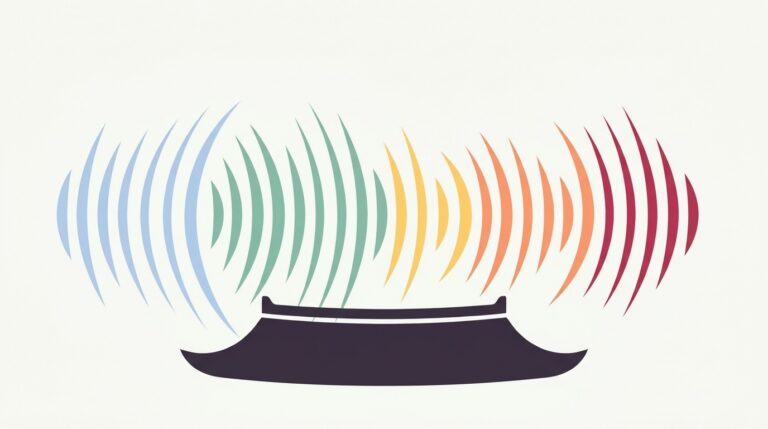
Beyond Plain Words: The Secret Tripartite Scale of Korean Consonant Intensity
Phase 1: Empathy (Story Opening)
안녕하세요! 매일한글 에디터입니다.
Picture this: You are seated in an intimate culinary atelier in Samcheong-dong, Seoul, observing a veteran food essayist review a bowl of slow-simmered beef broth. You’ve passed TOPIK Level 6, read modern Korean novels without a dictionary, and pride yourself on understanding subtle discourse. But when the critic murmurs their tasting notes, they do not merely say the broth is 깊다 (gipda, deep). Instead, they dissect whether the lingering aftertaste is 감돌다 (gamdolda) or 깜돌다 (kkamdolda), or if the exterior crunch of the lotus root is 바삭 (basak), 빠삭 (ppasak), or 파삭 (pasak).
Suddenly, an uneasy realization sets in: the dictionary treats these as mere variants, yet the room nods in profound consensus. Shifting from a plain consonant (예사소리: ㄱ, ㄷ, ㅂ, ㅅ, ㅈ) to a tense fortis (된소리: ㄲ, ㄸ, ㅃ, ㅆ, ㅉ), and onward to an aspirated burst (거센소리: ㅋ, ㅌ, ㅍ, ㅊ) does not just tweak the volume of speech—it re-engineers the sensory density, tactile sharpness, and emotional mass of the reality you are evoking. Many advanced learners tell me, “Editor, I know the grammar backwards and forwards, but native speakers make words sound three-dimensional, while mine feel flat.” This guide is born directly out of that advanced phonetic plateau. By unlocking consonant gradation, you will transcend academic fluency and step directly into the realm of native linguistic intuition.
Phase 2: Deep Dive into 3 Core Expressions
1. 감감하다 → 깜깜하다 → 캄캄하다 (Gamgamhada → Kkamkkamhada → Kamkamhada)
- Pronunciation: [Gam-gam-ha-da → Kkam-kkam-ha-da → Kam-kam-ha-da] (Think of the progression from a soft humming ‘G’, to a tightly clipped glottal snap like the ‘sk’ in ‘sky’, to a sharp, explosive burst of air like an actor’s crisp ‘K’ in ‘curtain’)
- Meaning: Obscure or faint (Literal: distant) vs. Pitch-black or completely lost (Literal: impenetrable darkness) vs. Vastly, desolately black (Literal: deep hollow void)
- K-Culture Moment: In high-stakes investigative K-dramas (like Signal or Stranger), detectives distinguish between an investigation where news is simply faint—소식이 감감하다 (Sosigi gamgamhada)—versus when leads are totally dark and obstructed—앞이 깜깜하다 (Api kkamkkamhada)—versus peering into an abyss of corruption in a pitch-black alleyway—사방이 캄캄하다 (Sabangi kamkamhada).
- Editor’s Insight: Notice the acoustic physics here: 감 (gam) feels diffuse and distant. The tensed 쌍기역 (ㄲ) in 깜 (kkam) tightens your vocal cords, shrinking the perceived space into tight, high-pressure suffocating darkness. The aspirated 키읔 (ㅋ) in 캄 (kam) releases a sudden blast of air, evoking an echoing, hollow cavern.
- Situation Spectrum:
- Casual: ✅
- Semi-formal: ✅
- Formal: ✅ (Used extensively in literature and analytical journalism)
- 🤔 Think About It: In English, we must add adjectives (“jet-black”, “cavernous pitch-black”). How does condensing three existential states into a single phonetic shift change the cognitive speed of Korean storytelling?
2. 단단하다 → 딴딴하다 → 탄탄하다 (Dandanhada → Ttanttanhada → Tantanhada)
- Pronunciation: [Dan-dan-ha-da → Ttan-ttan-ha-da → Tan-tan-ha-da] (From a relaxed alveolar ‘D’, to a tongue-clenched, glottalized ‘Tt’, to a kinetic, breath-heavy ‘T’)
- Meaning: Hard/Solid vs. Rock-hard/Tightly compressed vs. Robust/Resiliently structured
- K-Culture Moment: On Korean fitness and wellness shows (or watching a bodybuilder trainer on YouTube), a trainer might describe standard muscle firmness as 단단하다 (dandanhada). But when admiring an athlete’s core before a match, they will exclaim that their abs are 딴딴하다 (ttanttanhada, rock-solid with zero fat). Later, analyzing the athlete’s overall physical foundation and career longevity, sports commentators praise their 탄탄한 기본기 (tantanhan gibongi, rock-solid, resilient fundamentals).
- Editor’s Insight: 딴딴하다 conveys physical compactness with virtually no spatial tolerance—it is stubborn and impermeable. In contrast, 탄탄하다 incorporates aspiration, which introduces kinetic energy and structural elasticity. A business plan or screenplay is 탄탄하다 (robust and dynamic), never 딴딴하다 (which would sound stubborn or rigid).
- Situation Spectrum:
- Casual: ✅
- Semi-formal: ✅
- Formal: ✅
- 🤔 Think About It: Why do you think Korean society praises both ‘딴딴함’ (unyielding self-discipline) and ‘탄탄함’ (systemic robustness) in different socio-professional arenas?
3. 덜컹거리다 → 떨컥거리다 → 털컹거리다 (Deolkeonggeorida → Tteolkeokgeorida → Teolkeonggeorida)
- Pronunciation: [Deol-keong-geo-ri-da → Tteol-keok-geo-ri-da → Teol-keong-geo-ri-da] (A soft, rolling wooden cart rattle vs. a sharp metallic jaw-snap vs. an explosive, heavy industrial shudder)
- Meaning: Clattering/Rattling along vs. Snapping shut with high friction/Jolting violently vs. Shaking heavily with hollow acoustic reverberation
- K-Culture Moment: In romance and slice-of-life melodramas (such as My Liberation Notes), a slow subway car moving along the outskirts of Seoul gently rattles: 전철이 덜컹거리다 (Jeoncheori deolkeonggeorida). But when a protagonist’s heart suddenly drops from dread or shock, native scriptwriters write 가슴이 철렁하다 or 심장이 덜컥/떨컥 내려앉았다 (Simjangi tteolkeok naeryeoanjatda). If an old bus hits a massive pothole with deafening force, passengers gasp as the vehicle 털컹거린다 (teolkeonggeorinda).
- Editor’s Insight: Moving from ㄷ (plain) to ㄸ (tense) converts mechanical rolling movement into instantaneous, acute psychological arrest. Moving to ㅌ (aspirated) injects mass and sudden kinetic displacement.
- Situation Spectrum:
- Casual: ✅
- Semi-formal: ✅
- Formal: ⚠️ (Common in narrative prose and journalism, slightly informal in strict corporate presentations)
- 🤔 Think About It: Does your native language rely on sound-imitative words (onomatopoeia) or conceptual vocabulary to describe psychological shock?
Phase 3: Textbook Korean vs. Real Native Korean
Situation 1: Critiquing Food Texture & Spice (K-Food Gourmet Setting)
- 📖 교과서 한국어: 이 찌개는 국물이 매우 맵고 자극적이며 채소는 단단합니다. (I jjigaeneun gungmuri maeu maepgo jageukjeogimyeo chaesoneun dandanhapnida.) — “This stew’s broth is very spicy and stimulating, and the vegetables are firm.”
- 🗣️ 진짜 한국어: 국물이 맵다기보단 칼칼한데 끝 맛이 톡 쏘네요. 채소도 설익어서 서걱거리지 않고 딱 딴딴하게 씹혀요. (Gungmuri maepdagibodan kalkalhande kkeut masi tok ssoneyo. Chaesodo seorigeoseo seogeokgeoriji anko ttak ttanttanhage ssiphyeoyo.) — “Rather than bluntly spicy, the broth is sharply zesty with a piercing kick at the end. The vegetables aren’t raw and grainy; they bite with a dense, crisp firmness.”
- 💡 왜 다를까?: Native Korean discourse avoids monotonous modifiers like ‘매우’ (very). Instead, C2 speakers deploy phonesthemic adjectives (칼칼하다 from 갈갈하다) and mimetic adverbs (톡 vs 쏙 vs 콕) to pinpoint the exact tactile velocity on the tongue.
Situation 2: Expressing Nervous Anticipation in a High-Stakes Project
- 📖 교과서 한국어: 발표를 앞두고 심장이 심하게 뛰며 매우 긴장됩니다. (Balpyoreul apdugo simjangi simhage ttwimyeo maeu ginjangdoemnida.) — “Ahead of the presentation, my heart beats severely and I am very nervous.”
- 🗣️ 진짜 한국어: 프레젠테이션 생각만 하면 가슴이 쿵쾅거리다 못해 덜컥 내려앉아요. (Peurejenteisyeon saenggakman hamyeon gaseumi kungkwanggeorida mothae deolkeok naeryeoanjayo.) — “Just thinking about the presentation makes my heart thud violently (쿵쾅) to the point where my stomach drops clean through the floor (덜컥).”
- 💡 왜 다를까?: Native speakers embody psychological tension through acoustic scale. Upgrading from 콩닥콩닥 (light flutter) to 쿵쾅쿵쾅 (heavy aspirated pounding) paints the autonomic nervous system in real-time color.
Phase 4: K-Culture Deep Dive & Non-verbal Manners
4-1. 눈치 (Nunchi) & Consonant Kinesthetics
Consonant gradation in Korean is not merely vocal; it is full-body somatic theater.
* Plain Consonants (예사소리): Your vocal tract remains relaxed, shoulders drop, and eye contact is steady and gentle. You are delivering neutral observations.
* Tense Consonants (된소리): Notice how your body unconsciously tightens. The larynx rises, the vocal folds contract firmly, and the jaw solidifies. When a Korean native says “완전 딴딴해요” (It’s rock-hard) or “가슴이 쫄깃해요” (My heart is clutched in suspense), their shoulders often tense up, their fingers pinch together tightly in a focused gesture, and their eyes narrow slightly. To produce 된소리 without this visceral bodily tension makes the word sound phonetically hollow to a native ear.
* Aspirated Consonants (거센소리): Accompanied by a sudden explosive burst of air from the chest. Koreans frequently tilt their head back slightly or widen their palms outward when uttering aspirated terms like “완전 쾅 부딪혔어!” (It crashed with an explosive bang!). It communicates raw kinetic impact, shock, or overt emotional overflow.
4-2. Cultural Code Analysis: The Culinary & Melodramatic Soundscape
In Korean culinary media—from YouTube street food vlogs to food reality shows like Culinary Class Wars—the culinary lexicon relies entirely on this consonant scale:
* Plain: 보들보들하다 (Bodeul-bodeul-hada — gently soft, like steamed egg tofu)
* Tense: 뽀들뽀들하다 / 쫀득쫀득하다 (Pmodeul-ppodeul / Jjondeuk-jjondeuk — tightly chewy, dense gelatinous bite, like braised pig trotters or top-tier rice cakes)
* Aspirated: 파삭파삭하다 (Pasak-pasak-hada — light, dry, air-shattering crispness like freshly fried tempura batter flakes)
If you praise a high-end chef’s meticulously deep-fried tempura as 바삭하다 (plain), it passes as polite. If you describe it as 파삭파삭 부서진다 (aspirated), identifying the acoustic airiness of the batter, the chef instantly recognizes you as a culinary insider.
Phase 5: Real-World Roleplay Scenario
Setting: A post-production audio mastering suite in Digital Media City (Sangam-dong, Seoul). You are reviewing sound effects (Foley) for an indie thriller film with veteran Foley Director Kang.
Characters:
* 강 감독 (Director Kang): A perfectionist sound designer with 25 years of cinematic experience.
* 나 (You): An overseas associate producer evaluating the scene’s emotional resonance.
강 감독: 이 장면에서 주인공이 문을 닫는 소리, 그냥 ‘덜컹’으로 갈까요? (I jangmyeon-eseo ju-ingong-i muneul danneun sori, geunyang ‘deolkeong’-euro galkkayo?)
🎭 Scratching his chin, squinting at the monitor waveform.
“For the scene where the protagonist shuts the door, should we just go with a plain ‘deolkeong’ (rattle)?”
나: 글쎄요, 주인공의 심리가 지금 극도로 불안정한 상태잖아요? (Geulsseyo, ju-ingong-ui simniga jigeum geukdoro buranjeonghan sangtaejanhayo?)
🎭 Leaning in closer to the sound mixing console with a serious expression.
“Well, the protagonist’s mental state is extremely volatile right now, isn’t it?”
강 감독: 그렇죠. 단순한 흔들림보다는 긴장감이 서려 있어야 하죠. (Geureochyo. Dansunhan heundeullimbodaneun ginjanggami seoryeo isseoya hajyo.)
🎭 Nodding slowly, adjusting a fader.
“Indeed. Rather than a mere shake, it needs an aura of heavy tension.”
나: 그렇다면 ‘덜컹’보다는 걸쇠가 ‘딸깍’ 물리면서 문 전체가 ‘털컹’ 울려야 맞지 않을까요? (Geureotamyeon ‘deolkeong’bodaneun geolsoega ‘ttalkkak’ mullimyeonseo mun jeonchega ‘teolkeong’ ullyeoya matji aneulkkayo?)
🎭 Making a sharp, tight snapping gesture with your fingers on ‘딸깍’, then opening both hands outward on ‘털컹’.
“Then instead of ‘deolkeong’, shouldn’t the latch snap shut with an acute ‘ttalkkak’ while the entire door resonates with an aspirated shudder ‘teolkeong’?”
강 감독: 오… 된소리로 긴장감을 바짝 조이고, 거센소리로 공간의 공허함을 터뜨린다? (O… Doensoriro ginjanggameul bajjak joigo, geosensoriro gongganui gongheohameul teotteurinda?)
🎭 Eyes widening in genuine professional admiration.
“Oh… tightening the suspense with a tense consonant, then detonating the cavernous emptiness with an aspirated one?”
나: 네, 문소리가 너무 가벼우면 관객들의 가슴이 덜컥 내려앉지 않을 것 같아요. (Ne, munsoriga neomu gabyeoumyeon gwan-gaekdeurui gaseumi deolkeok naeryeoanji aneul geot gatayo.)
🎭 Pressing your hand gently against your chest, speaking with steady conviction.
“Exactly. If the door sound is too plain, the audience’s hearts won’t drop with that sharp, breathless jolt (덜컥).”
강 감독: 완벽합니다! 바로 그 질감이에요. 폴리 아티스트한테 ‘딸깍’과 ‘털컹’ 레이어로 다시 믹싱하라고 전달하겠습니다. (Wanbyeokhamnida! Baro geu jilgam-ieyo. Polli atiseuteohante ‘ttalkkak’gwa ‘teolkeong’ reieoro dasi miksingharago jeondalhagessseumnida.)
🎭 Beaming warmly and tapping your shoulder with his sound sheet.
“Brilliant! That is precisely the sensory texture we need. I’ll instruct the Foley team to layer the snap and the hollow thud immediately.”
나: 감독님 덕분에 소리의 결이 한층 탄탄해졌네요. 기대됩니다! (Gamdongnim deokbune sorirui gyeori hancheung tantanhaejeonneyo. Gidaedoemnida!)
🎭 Bowing politely with a confident smile.
“Thanks to your direction, the acoustic texture has become so robust. I can’t wait to hear it!”
🔀 Interactive Decision Point
How would you describe the monster’s footstep approaching from the dark corridor?
* Choice A (Plain focus): 발소리가 저 멀리서 다가오는데 아주 쿵쿵거려요. (Balssoriga jeo meolliseo dagaoneunde aju kungkunggeoryeoyo.)
* Choice B (Consonant gradation mastery): 저 멀리서 발소리가 둥둥 울리더니, 코앞에서 쿵쾅거리다 못해 바닥이 쾅쾅 울려요! (Jeo meolliseo balssoriga dungdung ullideoni, koap-eseo kungkwanggeorida mothae badagi kwangkwang ullyeoyo!)
* Choice C (Extreme hyper-tensing): 발소리가 떵떵거리며 쨍쨍하게 다가와요! (Balssoriga tteongtteonggeorimyeo jjaengjjaenghage dagawayo!)
Analysis & Feedback:
* Choice A (Bad/Generic): Grammatically fine, but conceptually static. Using plain ‘쿵쿵’ with generic ‘아주’ deprives the film director of the spatial buildup and acoustic scale.
* Choice B (Best): Superb C2 intuition! You transitioned from the low, muffled plain sound (둥둥) to aspirated chest-thumping (쿵쾅), climaxing in high-mass impact (쾅쾅). The director will immediately understand your audio vision.
* Choice C (Risk/Inappropriate): ‘떵떵’ relates to boasting social wealth (떵떵거리다), and ‘쨍쨍’ describes blazing sunshine or clinking thin glass. Overusing tense consonants without semantic alignment creates comedic dissonance.
Phase 6: 10-Second Emotion Shadowing Drill
Practice articulating these phrases with physical vocal changes. Notice the / pause markers:
[⚡ 긴박하고 날카롭게 - Piercing & High-Tension]
어둠 속에서 / 자물쇠가 딸깍 풀리는 순간 / 심장이 덜컥 내려앉았습니다.
(Eodum sog-eseo / jamulsoega ttalkkak pullineun sungan / simjangi deolkeok naeryeoanjasseumnida.)-
[🍽️ 감탄하며 진지하게 - Gourmet Connoisseur Realization]
튀김 옷이 눅눅하지 않고 / 겉은 파삭파삭한데 / 속살은 아주 쫀득쫀득하네요.
(Twigim osi nungnukhaji anko / geoteun pasak-pasak-hande / soksareun aju jjondeuk-jjondeuk-haneyo.) -
[💼 확신에 차서 단호하게 - Resilient & Authoritative]
기획서의 논리가 딴딴하게 굳어 있으면 안 됩니다. / 유연하면서도 탄탄해야 합니다.
(Gihoekseoui nolliga ttanttanhage gudeo isseumyeon an doemnida. / Yuyeonhamyeonseodo tantanhaeya hamnida.)
Phase 7: K-Culture Mini Dictionary
- 음운 상징성 (Eumun Sangjingsong) | Phonesthetic Symbolism | The inherent communicative property where the acoustic qualities of phonemes (place/manner of articulation) directly mimic the physical sensory experience of the referent.
- 거센소리화 (Geosensorihwa) | Aspiration Shift | The phonological transition to aspirated plosives/affricates (ㅋ, ㅌ, ㅍ, ㅊ), infusing a phrase with acute dynamic force, spatial hollow air, or violent release.
- 된소리화 (Doensorihwa) | Tensing / Glottal Fortis Shift | The acoustic constriction of consonants (ㄲ, ㄸ, ㅃ, ㅆ, ㅉ), signaling elevated physical density, sensory concentration, or psychological anxiety.
- 말맛 / 어감 (Malmat / Eogam) | Nuanced Verbal Flavor | The delicate affective “taste” of words in Korean that native speakers evaluate intuitively, distinguishing textbook Korean from literary mastery.
Phase 8: Traveler’s Survival Kit
Survival Expressions TOP 3
- “국물이 칼칼해서 속이 싹 풀리네요!” (Gungmuri kalkalhaeseo sogi ssak pullineyo!)
- Pro Tip: Use this at a traditional Haejang-guk (hangover soup) restaurant. Shifting from 갈갈하다 to 칼칼하다 praises the sharp, invigorating pepper heat without offending the cook.
- “면발이 퍼지지 않고 엄청 쫄깃쫄깃해요.” (Myeonbari peojiji anko eomcheong jjolgit-jjolgit-haeyo.)
- Pro Tip: Say this at a handcrafted noodle shop in Euljiro. ‘쫄깃’ (tense) tells the noodle master their gluten kneading technique is top-tier.
- “길이 울퉁불퉁해서 캐리어 바퀴가 덜컹거려요.” (Giri ultung-bultunghaeseo kaerieo bakwiga deolkeonggeoryeoyo.)
- Pro Tip: Use when taking a taxi in historic neighborhoods with cobblestone lanes. It politely excuses minor luggage rattles.
Editor’s Travel Note
When hunting for hyper-authentic culinary spots in Seoul, avoid generic search engines. Use the Naver Map app for local gourmet reviews. When reading reviews by Korean foodies, search for terms like 겉바속촉 (crisp outside, moist inside), 칼칼하다 (crisp heat), and 쫀득하다 (dense chewiness). If a review merely says “맛있어요” (delicious), move on; if it praises the 파삭한 식감 (shattering crispness), pin it immediately.
Phase 9: “One Step Deeper” (Reflective Prompt)
In the preface to King Sejong’s Hunminjeongeum (1446), the phonetic design of Hangul is fundamentally tied to Eastern cosmology and physiological mimesis: the five basic consonants outline the physical shapes of speech organs, while additions of strokes symbolize vocal intensifying (가획의 원리). When consonants shift from plain to tense and aspirated, the Korean language is not merely switching syllables—it is orchestrating a living simulation of natural forces: the gentle breeze (살랑, sallang), the whistling gust (쌀랑, ssallang), and the biting cold gale (칼바람 / 찰랑, chal-lang). Korean does not separate the observer from the sensation; the mouth itself physically reenacts the world.
💬 Your Turn: Does your native tongue have a way to scale physical intensity without adding extra adverbs? Share an example in the comments, or tell me: which consonant triplet feels most dramatic to pronounce?
Phase 10: FAQ & Common Mistakes
Q: Can I use tense consonants (된소리) in formal business presentations?
A: Yes, but with strict contextual calibration! Sensory and physical descriptors like 탄탄하다 (structurally robust) or 꼼꼼하다 (meticulous) are highly regarded in formal proposals. However, conversational slang variants (e.g., changing ‘조금’ to ‘쪼끔’ or using ‘빡빡하다’ inappropriately) should be avoided in formal legal or executive discourse.
Q: How do I know if an aspirated consonant means “bigger” or “hollower”?
A: Look at the acoustic physics: aspiration involves sudden expulsion of breath. In ideophones relating to solid impact, 거센소리 signifies explosive kinetic force (쾅 = bang). In visual or spatial ideophones, that same breath symbolizes cavernous emptiness (캄캄하다 = vast, hollow dark).
Q: Is consonant gradation the same as vowel harmony (양성/음성모음)?
A: They work together on different axes! Vowel harmony scales brightness and weight (ㅏ/ㅗ are light, small, and cheerful; ㅓ/ㅜ are heavy, large, and somber), whereas consonant gradation scales density, tension, and kinetic impact. Combining both gives Korean its kaleidoscopic sensory precision (e.g., 살랑살랑 vs. 설렁설렁 vs. 쌀랑쌀랑).
🚨 Common Mistakes Board
- Mistake 1: Forcing 된소리 without glottal tension. (Pronouncing ‘따뜻하다’ with a soft English ‘da’ sound makes you sound uncertain. Tighten the throat muscles before releasing the vowel.)
- Mistake 2: Conflating 딴딴하다 with 탄탄하다. (Never praise a colleague’s corporate presentation as ‘딴딴하다’—that implies rigidity and obstinacy. Praise their logic as ‘탄탄하다’—robust and sound.)
- Mistake 3: Over-aspirating to sound “cute” or “dramatic”. (Transforming everyday verbs into aspirated forms outside established ideophones sounds like a cartoon parody. Stick to recognized phonesthemic families.)
Phase 11: Action Mission & Engagement
- 🥉 Bronze Level: Stand before a mirror and pronounce the triplet 덜렁 → 떨렁 → 털렁. Observe how your neck muscles tighten on the tense consonant and how breath fogs the glass on the aspirated consonant.
- 🥈 Silver Level: Find a K-drama clip featuring a character eating street food or confronting someone. Post an Instagram Story or tweet identifying one consonant shift you caught (e.g., 바삭 vs. 빠삭) and tag @DailyHangul.
- 🥇 Gold Level: During your next Korean conversation or tutoring session, intentionally replace generic intensifiers (매우, 진짜) with one precise graduated ideophone (e.g., “일정이 빡빡해요” or “기초가 탄탄해요”).
- 🎮 K-Culture Mission: Listen to modern K-Pop songs known for kinetic wordplay (such as Stray Kids or BTS rap lines). Transcribe 2 instances where rappers deliberately switch from plain to tense/aspirated consonants to amplify lyrical aggression.
Phase 12: Interactive Quiz Challenge
1. Situational Judgment:
You are reviewing the portfolio of an architect who built a magnificent, earthquake-resistant museum in Gangnam. You want to praise the structural integrity and solid foundations of the building in an editorial. Which word is the most sophisticated and accurate?
* (A) 딴딴한 건축 설계
* (B) 탄탄한 건축 설계
* (C) 단단한 건축 설계
* (D) 통통한 건축 설계
2. Fill-in-the-Blank:
밤길을 혼자 걷고 있는데 뒤에서 갑자기 ‘______’ 하고 거칠고 묵직한 쇠창살 문이 닫히는 소리에 가슴이 ‘______’ 내려앉았다.
* Words to use: [털컹 / 덜컥]
3. True or False:
In Korean sound symbolism, moving from a plain consonant (예사소리) to a tense consonant (된소리) naturally makes the described object feel lighter and softer.
* (True / False)
👉 Click to reveal answers and explanations
1. Correct Answer: (B) 탄탄한 건축 설계
* Explanation: While ‘단단하다’ merely means physically hard, and ‘딴딴하다’ means overly dense or stubborn, ‘탄탄하다’ signifies structural resilience, robust integrity, and endurance under pressure. It is the premier C2 word for engineering, design, and foundational systems.
2. Correct Answer: 털컹 / 덜컥
* Sentence: 밤길을 혼자 걷고 있는데 뒤에서 갑자기 ‘털컹’ 하고 거칠고 묵직한 쇠창살 문이 닫히는 소리에 가슴이 ‘덜컥’ 내려앉았다.
* Explanation: The heavy, hollow, echoing crash of an iron gate demands the aspirated mass of ‘털컹’, while the sudden psychological jolt of one’s stomach dropping uses the tense glottal arrest of ‘덜컥’.
3. Correct Answer: False
* Explanation: Tense consonants (된소리: ㄲ, ㄸ, ㅃ, ㅆ, ㅉ) amplify physical tension, density, friction, and emotional pressure. To make something feel lighter and softer, Korean utilizes bright vowels (양성모음: ㅏ, ㅗ) and relaxed plain consonants (예사소리).
🎬 Watch Our Daily Videos! (Daily Hangul Official Instagram)
Review the expressions you learned in this article with our fun daily short videos! Check out native pronunciation and real-life nuances in action.
- Instagram @dailyhangul_en







