

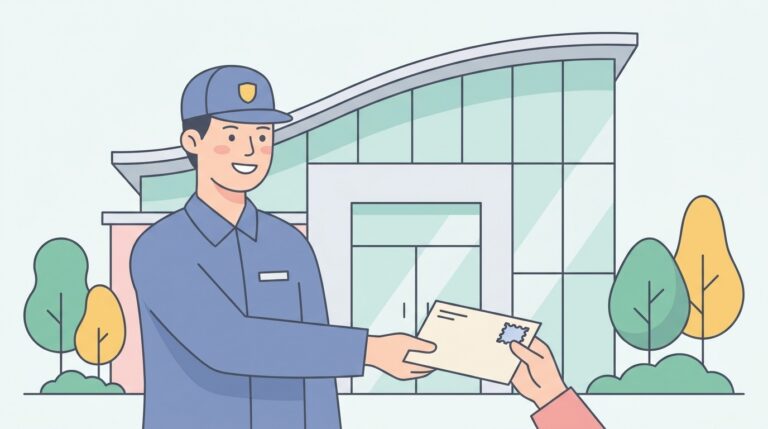
Lost Your Card in Korea? How to Get It Delivered Safely to Your Door
Phase 1: Empathy (Storytelling Opening)
안녕하세요! (Hello!) This is your Daily Hangul editor, your trusted Korean culture navigator!
Picture this: It is a bustling Friday evening in Hongdae. Neon signs are flickering, the smell of sizzling samgyeopsal is in the air, and you are trying to pull out some cash from a neighborhood ATM. You tap the screen, insert your Korean check card, and suddenly… BEEP! The screen flashes a dreaded error message, or worse, your wallet disappears while hopping between subway lines. Your heart sinks. How will you buy your morning iced Americano? How will you ride the bus tomorrow?
If you have ever felt that cold wave of panic in a foreign country, you are not alone. Many of our international students and expats tell us that banking issues feel like the ultimate language boss fight. But here is the good news: South Korea has one of the safest, fastest, and most efficient banking systems in the world. When you report a lost card, the bank does not just toss your new card into an open mailbox where anyone can grab it. Instead, they tell you: “새 카드는 일주일 안에 집이나 직장 주소로 등기 배송돼요” (The new card will be delivered by registered mail to your home or work within a week).
By learning today’s essential banking patterns, you will navigate ATM hiccups, card reissuance, and delivery tracking like a true Seoul local. Let us turn that panic into total confidence!
Phase 2: Key Expressions In-Depth
1. 새 카드는 일주일 안에 배송돼요 (Sae kadeuneun iljuil ane baesongdwaeyo)
- Pronunciation: [Sae ka-deu-neun il-ju-il a-ne bae-song-dwae-yo] (Sounds like “Say car-deu-noon eel-joo-eel ah-nay beh-song-dweh-yo”)
- Meaning: “The new card will be delivered within a week.” Literal: “New card / within one week / gets delivered.”
- K-Culture Moment: Think of classic K-drama scenes where an ambitious intern nervously waits for an urgent package at the office—registered mail brings that exact anticipation!
- Editor’s Insight: The word 배송되다 (to be delivered) is passive. Koreans often use passive verb endings when describing business or logistical procedures to sound objective and professional.
- Situation Spectrum: Casual: ⚠️ (Use ‘와요’ instead) | Semi-formal: ✅ | Formal: ✅
- 🤔 Think About It: In many Western countries, bank cards simply arrive in standard mail. Why do you think Korean banks prefer direct, registered hand-off for financial items?
2. 집이나 직장 주소로 받을 수 있나요? (Jibina jikjang jusoro badeul su innayo?)
- Pronunciation: [Ji-bi-na jik-jang ju-so-ro ba-deul su in-na-yo?] (Think: “Jeeb-ee-nah jeek-jahng joo-soh-roh bah-deul soo een-nah-yoh?”)
- Meaning: “Can I receive it at my home or workplace address?”
- K-Culture Moment: Office workers in Yeouido or Teheran-ro frequently receive personal bank cards right at their office reception desks.
- Editor’s Insight: The particle ~(이)나 means “or.” Because Korean couriers must hand bank cards to you in person, choosing your workplace address (직장 주소) is often much smarter if you are away from home all day!
- Situation Spectrum: Casual: ⚠️ | Semi-formal: ✅ | Formal: ✅
- 🤔 Think About It: Is it socially acceptable in your home country to have private bank mail delivered directly to your job? In Korea, it is standard practice!
3. 등기 우편으로 와요 (Deunggi upyeoneuro wayo)
- Pronunciation: [Deung-gi u-pyeo-neu-ro wa-yo] (Pronounce ‘Deung’ like the ‘dung’ in dungeon, and ‘gi’ like ghee: “Dung-ghee oo-pyuh-noo-roh wah-yoh”)
- Meaning: “It arrives by registered mail.” Literal: “It comes via registered postal mail.”
- K-Culture Moment: Whenever an important legal document, university acceptance letter, or credit card appears in Korean lifestyle vlogs, it arrives via the bright red motorcycle of the Korea Post Deunggi courier.
- Editor’s Insight: 등기 (deunggi) implies direct physical confirmation. The postal agent will ask for your signature or your ID number before handing over the envelope.
- Situation Spectrum: Casual: ✅ | Semi-formal: ✅ | Formal: ✅
- 🤔 Think About It: Why does Korean society prioritize physical confirmation (deunggi) even in a hyper-digitalized app-driven country?
Phase 3: Textbook Korean vs. Real-World Korean
Situation 1: Reporting a lost card at the bank branch
- 📖 교과서 한국어 (Textbook): 카드를 분실하였으니 재발급을 신청하고자 합니다. (Kadeureul bunsilhayeosseuni jaebalgeubeul sincheonghagoja hamnida.) — “Because I have lost my card, I intend to apply for reissuance.”
- 🗣️ 진짜 한국어 (Real-World): 카드를 잃어버려서 다시 만들고 싶어요. (Kadeureul ireobeoryeoseo dasi mandeulgo sipeoyo.) — “I lost my card, so I want to get a new one made.”
- 💡 Why is it different? Textbook phrasing relies heavily on Sino-Korean nouns (bunsil, jaebalgeub). Real conversational Korean prefers smooth, natural verb connections like 잃어버려서 (ireobeoryeoseo – because I lost) and 다시 만들다 (dasi mandeulda – to remake).
Situation 2: Asking if you can pick up the card in person at the branch
- 📖 교과서 한국어 (Textbook): 본 영업점으로 직접 수령하러 내방해도 됩니까? (Bon yeongeopjeomeuro jikjeop suryeonghareo naebanghaedo doemnikka?) — “May I visit this business branch directly for receipt?”
- 🗣️ 진짜 한국어 (Real-World): 그냥 은행으로 찾으러 와도 돼요? (Geunyang eunhaengeuro chajeureo wado dwaeyo?) — “Can I just come pick it up at the bank?”
- 💡 Why is it different? Words like naebang (visiting a branch) sound like corporate bank policy handbooks. Native speakers simply say 찾으러 오다 (chajeureo oda – come to pick up/retrieve).
Phase 4: K-Culture Deep Dive & Non-Verbal Manners
4-1. Nunchi & Courteous Gestures
When dealing with a bank teller or receiving a registered card:
* The Two-Hand Signature Hand-off: When the teller passes you the digital stylus pad to authorize reissuance, hold the stylus with your right hand while lightly supporting your right forearm or wrist with your left hand. This subtle gesture shows immense respect.
* The Mystery 010 Call: On the delivery day, you will likely receive a phone call from an unknown mobile number starting with 010. In Korea, that is almost certainly your postal delivery agent checking if you are currently at home or at your desk! Do not ignore it.
4-2. The Culture of ‘Deunggi’ (등기) and Workplace Deliveries
In Korea, receiving personal registered mail at work is completely normal and widely accepted. Because regular employees work during standard postal operating hours (9:00 AM to 6:00 PM), couriers know homes are often empty. When the bank asks for your delivery location, choosing 직장 주소 (work address) ensures your card does not bounce back to the post office after three failed home delivery attempts.
Phase 5: Real-Life Roleplay Scenario
Setting: Inside a clean, quiet neighborhood bank branch in Mapo-gu, Seoul. Counter #3.
Characters:
* 김민지 (Kim Min-ji): A brisk, patient bank teller wearing a navy corporate uniform.
* 알렉스 (Alex): A foreign resident whose check card was retained by an ATM machine after an error.
- 민지 (Min-ji): 🎭 Politely bowing behind the counter
무엇을 도와드릴까요? (Mueoseul dowadeurilkkayo? / What can I help you with today?) -
알렉스 (Alex): 🎭 Showing a photo of the ATM screen on his phone
ATM 기계가 카드를 먹었어요. 분실 신고하고 다시 만들고 싶어요. (ATM gigyega kadeureul meogeosseoyo. Bunsil singohago dasi mandeulgo sipeoyo. / The ATM swallowed my card. I want to report it lost and get a new one.) -
민지 (Min-ji): 🎭 Typing quickly on her keyboard
아, 그러셨군요. 많이 놀라셨죠? 신분증 확인 부탁드립니다. (A, geureosyeotgunyo. Mani nollasyeotjyo? Sinbunjeung hwagin butakdeurimnida. / Oh, I see. You must have been startled! May I check your ID, please?) -
알렉스 (Alex): 🎭 Handing his Alien Registration Card with both hands
여기 외국인등록증 있어요. (Yeogi oeguk-in-deungnokjeung isseoyo. / Here is my Alien Registration Card.) -
민지 (Min-ji): 🎭 Handing over an electronic signature pad
기존 카드는 정지 처리해 드렸고요, 새 카드는 일주일 안에 집이나 직장 주소로 등기 배송돼요. (Gijon kadeuneun jeongji cheorihae deuryeotgoyo, sae kadeuneun iljuil ane jibina jikjang jusoro deunggi baesongdwaeyo. / I have cancelled your old card, and the new card will be delivered by registered mail to your home or work address within a week.) -
알렉스 (Alex): 🎭 Looking thoughtful
낮에는 집에 사람이 없는데, 회사 주소로 받을 수 있나요? (Najeneun jibe sarami eomneunde, hoesa jusoro badeul su innayo? / Nobody is home during the day; can I receive it at my office address?) -
민지 (Min-ji): 🎭 Nodding with a warm smile
네, 가능합니다. 여기에 회사 주소를 적어 주세요. (Ne, ganeunghamnida. Yeogie hoesa jusoreul jeogeo juseyo. / Yes, of course. Please write your office address right here.) -
알렉스 (Alex): 🎭 Signing carefully on the pad
감사합니다! 혹시 배송 조회도 돼요? (Gamsahamnida! Hoksi baesong johoedob dwaeyo? / Thank you! By the way, can I track the delivery too?)
🔀 Interactive Decision Point
How should Alex respond if Min-ji asks: “등기 배송 시 본인이 직접 받으셔야 하는데, 괜찮으신가요?” (You must receive the registered mail in person, is that okay?)
- Option A: “네, 제가 직접 받을게요!” (Ne, jega jikjeop badeulgeyo! / Yes, I will receive it in person!)
Feedback: Best! Perfect native response. Reassures the teller that you understand the registered mail procedure. - Option B: “그냥 문 앞에 두고 가라고 해 주세요.” (Geunyang mun ape dugo garago hae juseyo. / Just tell them to leave it in front of the door.)
Feedback: Risk! Security cards cannot be left unattended by law. The teller will have to repeat that in-person signing is mandatory. - Option C: “몰라요. 아무나 받아도 돼요.” (Mollayo. Amuna badado dwaeyo. / I don’t know. Anyone can take it.)
Feedback: Bad! Sounds impolite and dismissive. Also untrue, as registered financial mail requires authorized verification.
Phase 6: 10-Second Shadowing Drill
Read aloud, matching the rhythm and emotional cues marked below:
[😟 당황스럽지만 차분하게]
ATM 기계 오류로 / 카드가 안 나와요.
(ATM gigye oryuro / kadeuga an nawayo. / Due to an ATM error / my card isn’t coming out.)-
[😊 정중하고 명확하게]
새 카드는 / 일주일 안에 / 직장으로 보내 주세요.
(Sae kadeuneun / iljuil ane / jikjangeuro bonae juseyo. / As for the new card / within a week / please send it to my workplace.) -
[🙋♂️ 궁금해서 물어보듯이]
등기 우편 오기 전에 / 미리 전화 주시나요?
(Deunggi upyeon ogi jeone / miri jeonhwa jusinayo? / Before the registered mail arrives / do you call in advance?)
Phase 7: K-Culture Mini Dictionary
- 등기 배송 (Deunggi baesong) | Registered Mail Delivery
A postal service where high-value or legal items are handed directly to the recipient with signature confirmation. - 재발급 (Jaebalgeup) | Reissuance
The formal term used when re-creating an official document, passport, or credit/debit card. - 본인 수령 (Bonin suryeong) | Receiving in Person
A security requirement stating that the registered item can only be picked up by the legal cardholder showing proof of identity. - 배송 조회 (Baesong joehoe) | Tracking Delivery
Checking the real-time shipping status online or via mobile notifications (like KakaoTalk alerts).
Phase 8: Traveler & Expat Survival Kit
Survival Expressions Top 3
- 카드를 분실했어요. (Kadeureul bunsilhaesseoyo.)
I lost my card.
Pro Tip: Memorize this for emergency 24-hour bank hotlines (press 1 for lost cards on most automated phone trees). - 재발급 수수료 있어요? (Jaebalgeup susuryo isseoyo?)
Is there a reissuance fee?
Pro Tip: Most Korean debit cards are reissued free or for a nominal fee of around 1,000 to 2,000 KRW. - 등기 번호 알려주세요. (Deunggi beonho allyeojuseyo.)
Please give me the registered tracking number.
Pro Tip: Use this tracking code to check status on the official Korea Post tracking webpage.
Editor’s Travel Note
- If an ATM swallows your card outside operating hours, do not walk away immediately! Look right next to the machine for the red emergency telephone receiver. Picking it up connects you straight to an on-duty security guard.
- Always verify your address format beforehand using an interactive portal like the Korea Post English Postal Code Finder to ensure your apartment building and unit number are completely accurate.
Phase 9: A Step Deeper (한 발 더 깊이)
In Korea, trust and accountability form the backbone of everyday infrastructure. Leaving a laptop unattended on a café table for three hours is common, yet financial documents like bank cards are guarded with meticulous precision. This contrast reveals Korea’s dual nature: an exceptionally safe communal society combined with rigorous institutional paperwork. When a courier calls you directly and asks for your signature on registered mail, it is a small ritual of civic diligence.
💬 Your Turn: Have you ever lost a payment card while traveling abroad? How was the replacement process compared to Korea’s registered delivery? Share your story in the comments below!
Phase 10: FAQ & Common Mistakes
Q: Can my roommate or family member accept my card on my behalf?
A: Usually, yes! As long as the delivery person can verify that they share your household, family members can sign. However, if the bank specifies 본인 지정 수령 (recipient-only delivery), nobody else can sign for it.
Q: What happens if I miss the courier three times?
A: If delivery fails three times, the card is returned to the local post office branch where it is held for about two weeks before being returned to the bank headquarters and destroyed.
Q: Can I request delivery to a temporary hotel address?
A: Most banks will decline delivery to hotels or short-term guesthouses due to security risks. In that case, request branch pickup (은행 방문 수령).
🚨 Common Mistakes Alert
- Ignoring unknown numbers: Expat learners often filter out Korean phone calls as spam, resulting in missed delivery attempts.
- Forgetting the room/suite number: Omitting the Dong (동) and Ho (호) apartment numbers guarantees your card will be delayed.
- Assuming delivery to regular mailboxes: Looking inside your ground-floor letterbox every day won’t help—registered cards are never dropped into unattended boxes.
Phase 11: Action Missions
- 🥉 Bronze Mission (Solo): Read the Phase 6 shadowing drill aloud 3 times, focusing on clear pronunciation of “등기 배송” (deunggi baesong).
- 🥈 Silver Mission (Social): Check your banking app or utility bill and write down your Korean address in both Hangul and Romanized letters in your personal notebook.
- 🥇 Gold Mission (Real-Life): Next time an ATM screen or bank teller asks for delivery preferences, say: “직장 주소로 받을 수 있나요?” (Can I receive it at my workplace address?).
- 🎮 K-Culture Mission: Watch an episode of a modern Korean office drama (like Misaeng or Business Proposal) and notice how coworkers receive and pass along mail in the office.
Phase 12: Interactive Quiz Challenge
1. Situational Judgment:
You will not be home between 9 AM and 6 PM this week. What is the most practical address to give the bank teller?
A) Your hotel lobby from last week
B) Your workplace address (직장 주소)
C) The nearest convenience store doorstep
🔍 Click to reveal the answer
Answer: B) Your workplace address (직장 주소)
Explanation: Korean banks readily deliver registered mail to workplaces, making it the safest choice if your home is empty during working hours.
2. Fill in the Blank:
새 카드는 일주일 안에 집이나 직장 주소로 _____ 배송돼요. (The new card will be delivered by registered mail to your home or work within a week.)
Hint: Two syllables meaning ‘registered mail’.
🔍 Click to reveal the answer
Answer: 등기 (Deunggi)
Explanation: 등기 (registered mail) ensures secure hand-to-hand delivery with signature confirmation.
3. True or False:
Korean postal couriers leave replacement bank debit cards directly inside your building’s general letterbox without calling. (True / False)
🔍 Click to reveal the answer
Answer: False
Explanation: Financial cards must be delivered with personal verification or hand signature; they are never left unattended in open letterboxes.







