

Phase 1: Why “Cute” Isn’t Enough Anymore
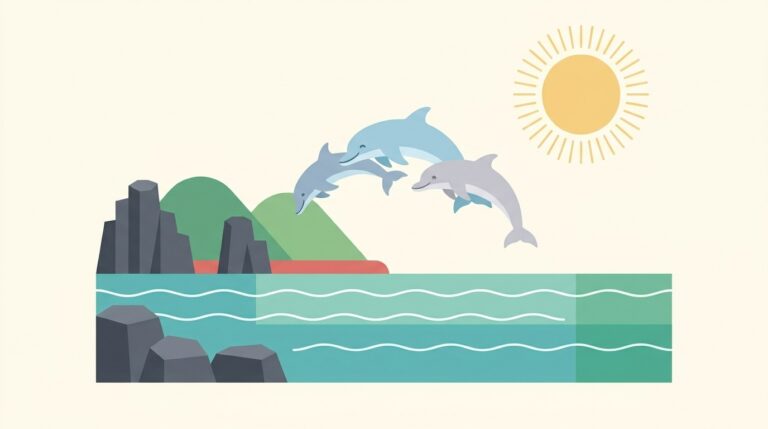
안녕하세요! 매일한글 에디터입니다. (Annyeonghaseyo! Hello, I am your Daily Hangul Editor!) Imagine sitting in a cozy Seoul cafe with your Korean friend when a news clip pops up showing bottlenose dolphins leaping back into the turquoise Jeju sea. Everyone gets misty-eyed, and the conversation turns to zoo licensing laws, plant-based meat, and animal welfare. You want to share your heartfelt opinion, yet your mind freezes at basic words like “sad” or “good.” Many intermediate learners tell us they struggle to voice ethical opinions naturally in Korean. Based on real learner feedback, this guide equips you with nuanced Level 4 expressions to join meaningful K-Culture debates with total confidence.
Phase 2: 3 Essential Expressions for Animal Rights & Conservation
1. 자연으로 돌려보내다 (jayeoneuro dollyeobonaeda)
- Pronunciation: ja-yeo-neu-ro dol-lyeo-bo-nae-da (Think of eo like the “u” in “cup,” and eu like saying “uh” while stretching your lips in a slight smile. The double l rolls gently like the “l” in “million.”)
- Meaning: Literally “to turn and send back to nature.” In real life, it carries a deeply emotional nuance of restoring freedom and healing—specifically used when rehabilitated animals, like Jeju’s captive dolphins, return to their wild habitat.
- K-Culture Moment: Remember the hit K-Drama Extraordinary Attorney Woo (이상한 변호사 우영우)? Whenever Woo Young-woo talks passionately about releasing captive whales and dolphins back into the ocean, Korean viewers online flood comment sections saying, “하루빨리 자연으로 돌려보내야 해요! (Haruppalli jayeoneuro dollyeobonaeya haeyo! / We must return them to nature as soon as possible!)”
- Editor’s Insight: Beginners often just say
보내다 (bonaeda / to send)or풀어주다 (pureojuda / to untie or let go). However,풀어주다can sound casual—like letting a pet off a leash or letting a bug out the window. Using자연으로 돌려보내다instantly elevates your Korean to a thoughtful, news-ready Level 4 standard. - Situation Spectrum:
- Casual (with close friends): ✅ 자연으로 돌려보내야지. (Jayeoneuro dollyeobonaeyaji. / We’ve gotta send them back to nature.)
- Semi-formal (cafe chat/social media): ✅ 자연으로 돌려보내야 해요. (Jayeoneuro dollyeobonaeya haeyo. / We should return them to nature.)
- Formal (news/presentations): ✅ 자연으로 돌려보내야 합니다. (Jayeoneuro dollyeobonaeya hamnida. / They must be returned to nature.)
- 🤔 Think About It: In English, we often say “release into the wild,” focusing on the act of letting go. In Korean,
돌려보내다combines돌리다 (to turn back)and보내다 (to send), emphasizing returning a creature to where it belongs (고향 바다 / home sea). How does your native language frame an animal’s home?
2. 동물 복지 (dongmul bokji)
- Pronunciation: dong-mul bok-ji (Dong rhymes with “song” with rounded lips; bok rhymes with “oak” rather than “sock”; ji sounds just like “jee” in “jeep.”)
- Meaning: Literally “animal welfare.” While
동물권 (dongmulgwon / animal rights)focuses on legal and philosophical rights (like banning zoos or meat altogether),동물 복지refers to improving living standards, strengthening zoo licensing laws, and ensuring humane treatment. - K-Culture Moment: On long-running Korean shows like TV Animal Farm (TV 동물농장) or modern variety vlogs featuring eco-friendly farms, hosts frequently praise strict zoo licensing reforms and cage-free products by saying, “요즘은 동물 복지가 정말 중요해졌어요. (Yojeumeun dongmul bokjiga jeongmal jungyohaeyeosseoyo. / Animal welfare has become really important these days.)”
- Editor’s Insight: This distinction is golden for TOPIK Level 4 essays and debates! If you say
동물권, Koreans might expect a debate on abolishing zoos or shelter euthanasia. If you say동물 복지, it smoothly covers better zoo regulations, plant-based alternatives (대체육), and ethical pet care without sounding overly confrontational. - Situation Spectrum:
- Casual: ⚠️ Slightly stiff for teasing a puppy, but ✅ when discussing serious news with friends.
- Semi-formal: ✅ 동물 복지에 관심이 많아요. (Dongmul bokjie gwansimi manayo. / I’m very interested in animal welfare.)
- Formal: ✅ 동물 복지 기준을 강화해야 합니다. (Dongmul bokji gijuneul ganghwahaeya hamnida. / Animal welfare standards must be strengthened.)
- 🤔 Think About It: Korea historically focused on rapid economic growth, where
복지 (welfare)meant human social safety nets. Now, applying복지to animals shows a huge generational shift. Have you noticed similar shifts in how your home country talks about animals?
3. 공존하다 (gongjonhada)
- Pronunciation: gong-jon-ha-da (Gong has a round “oh” sound; jon sounds like “Joan”; ha-da is crisp and flat.)
- Meaning: Literally “to exist together” or “to coexist.” Used warmly and philosophically in Korea to describe humans, wild dolphins, stray cats, and nature sharing space respectfully.
- K-Culture Moment: When South Korea released Indo-Pacific bottlenose dolphins like Jedori and Bibong back into Jeju’s coastal waters, local documentaries and K-Pop idols supporting environmental campaigns used the phrase, “인간과 동물이 함께 공존하는 세상 (Ingangwa dongmuri hamkke gongjonhaneun sesang / A world where humans and animals coexist together).”
- Editor’s Insight: Notice how Koreans love pairing
함께 (hamkke / together)with공존하다—even though gong already means “together”! It’s a classic Korean rhetorical touch that adds emotional warmth and sincerity. - Situation Spectrum:
- Casual: ⚠️ A bit poetic for everyday banter, though ✅ in deep late-night talks.
- Semi-formal: ✅ 우리가 같이 공존할 수 있는 방법을 찾아야 해요. (Uriga gachi gongjonhal su inneun bangbeobeul chajaya haeyo. / We need to find a way to coexist together.)
- Formal: ✅ 자연과의 공존을 모색하고 있습니다. (Jayeongwaui gongjoneul mosaekhago itseumnida. / We are seeking coexistence with nature.)
- 🤔 Think About It: Korean society deeply values harmony within a community (
우리 / uri). Extending that harmony to marine wildlife reflects a collective worldview. Does your culture view nature more as a community to join or a resource to protect?
Phase 3: Textbook Korean vs. Real Korean
Situation 1: Expressing disapproval of poor zoo conditions
- 📖 교과서 한국어: 동물을 작은 공간에 가두는 것은 비윤리적입니다. (Dongmureul jageun gonggane gaduneun geoseun biyunrijeogimnida. / Confining animals in a small space is unethical.)
- 🗣️ 진짜 한국어: 야생 동물을 좁은 데 가둬 두는 건 좀 아니지 않아요? (Yasaeng dongmureul jobeun de gadwo duneun geon jom aniji anayo? / Keeping wild animals locked in a cramped place isn’t really right, is it?)
- 💡 왜 다를까?: Calling something
비윤리적 (unethical)in a casual chat can make you sound like a courtroom judge and put your friend on the defensive. Native speakers soften strong moral critiques with~는 건 좀 아니지 않아요?(“Isn’t that a bit not-okay?”) to invite agreement without killing the mood.
Situation 2: Reacting emotionally to the Jeju dolphin rescue
- 📖 교과서 한국어: 돌고래 방류 소식을 듣고 매우 감동했습니다. (Dolgorae bangnyu sosigeul deutgo maeu gamdonghaetseumnida. / I was very moved upon hearing the news of the dolphin release.)
- 🗣️ 진짜 한국어: 돌고래들이 고향 바다로 돌아가는 거 보고 진짜 뭉클했어요. (Dolgoraedeuri gohyang badaro doraganeun geo bogo jinjja mungkeulhaesseoyo. / Watching the dolphins go back to their home sea really choked me up.)
- 💡 왜 다를까?:
감동하다is fine for essays, but in real conversation it can sound like a translated movie review.뭉클하다 (mungkeulhada)describes that exact warm, tight feeling in your throat and chest when you witness something deeply touching—like Bibong swimming free in Jeju.
Phase 4: K-Culture Deep Dive & Non-Verbal Manners
4-1. Nunchi (눈치) & Gestures in Sensitive Debates
Animal rights discussions—especially around closing traditional zoos, choosing plant-based meat (대체육), or the painful topic of shelter euthanasia (유기동물 안락사)—can be emotionally charged in Korea, just like anywhere else. Here is how Koreans navigate these chats with smooth 눈치 (nunchi / social awareness):
* Soften with Pauses and Tilts: Instead of pointing or leaning forward aggressively, Korean speakers slightly tilt their head, nod gently (고개 끄덕이기) while listening, and use cushions like 제 생각에는요... (Je saenggage-neunyo... / In my opinion...) before disagreeing.
* Leave Breathing Room (여지 남기기): Even if you strongly oppose zoos or meat, avoid flatly saying 틀렸어요 (You're wrong). Instead, show you understand the dilemma—like the realistic struggle of overcrowded shelters—before sharing your stance.
4-2. Cultural Code Analysis: From Extraordinary Attorney Woo to Jeju’s Real Dolphins
Korea’s conversation around animal rights changed dramatically over the past decade. A huge turning point was the real-life rehabilitation of Indo-Pacific bottlenose dolphins (남방큰돌고래) like Jedori (제돌이) in 2013 and Bibong (비봉이) in 2022, who had been illegally captured and kept in aquariums for dolphin shows. After years of citizen advocacy, Korea strengthened its Zoo and Aquarium Management Act (동물원 및 수족관의 관리에 관한 법률), shifting from a simple registration system to a strict licensing system (허가제) and banning new cetacean exhibitions! When Extraordinary Attorney Woo aired in 2022, Woo Young-woo’s dream of seeing Jeju’s wild dolphins—including a nod to real-life freed dolphins—sparked nationwide pride and even inspired tourists to practice ethical shore-watching in Jeju instead of booking dolphin-chasing boat tours.
Phase 5: Real-Life Roleplay Scenario
Setting: A sunlit, eco-friendly vegan bakery in Seongsu-dong, Seoul. You and your Korean friend Minji (민지)—an avid animal lover who volunteers at a local dog shelter—are sipping oat-milk lattes and watching a YouTube documentary about Jeju’s freed dolphins.
- Minji: 와, 이 영상 봤어? 수족관에 있던 남방큰돌고래가 결국 제주 바다로 돌아갔대! (Wa, i yeongsang bwasseo? Sujokgwane itdeon nambangkeundolgoraega gyeolguk Jeju badaro doragatdae! / Wow, did you see this video? The Indo-Pacific bottlenose dolphin from the aquarium finally returned to the Jeju sea!)
🎭 행동 지문: Minji holds her phone closer to you, her eyes sparkling.
- You: 진짜? 영상 보니까 가슴이 뭉클하다. 바다로 돌려보내려고 엄청 노력했다면서? (Jinjja? Yeongsang bonikka gaseumi mungkeulhada. Badaro dollyeobonaeryeogo eomcheong noryeokhaetdamyeonseo? / Really? Watching the clip chokes me up. I heard they worked super hard to return it to the sea, right?)
🎭 행동 지문: You lean in warmly, nodding slowly as you watch the clip.
- Minji: 응, 야생 적응 훈련을 몇 달이나 했대. 한국도 이제 동물원 허가제가 강화돼서 다행이야. (Eung, yasaeng jeogeung hullyeoneul myeot darina haetdae. Hangukdo ije dongmulwon heogajega ganghwadwaeseo dahaengiya. / Yeah, they did wild-adaptation training for months. I’m glad Korea strengthened the zoo licensing system now too.)
🎭 행동 지문: Minji takes a sip of her oat latte and sighs with relief.
- You: 맞아. 예전에는 동물 복지보다 오락적인 면이 컸는데, 요즘 인식이 많이 바뀐 것 같아. (Maja. Yejeoneneun dongmul bokjiboda orakjeogin myeoni keotneunde, yojeum insigi mani bakkwin geot gata. / Right. Before, entertainment mattered more than animal welfare, so I think awareness has changed a lot lately.)
🎭 행동 지문: You gesture gently with open palms to emphasize the shift.
- Minji: 너는 동물원 자체를 폐지하는 것에 대해 어떻게 생각해? 요즘 대체육 소비도 늘고 유기동물 안락사 문제도 심각하잖아. (Neoneun dongmulwon jachereul pyejihaneun geose daehae eotteoke saenggakhae? Yojeum daecheyuk sobido neulgo ugidongmul allaksa munjedo simgakhajana. / What do you think about abolishing zoos altogether? Plant-based meat consumption is rising too, and the shelter euthanasia issue is serious, you know.)
🎭 행동 지문: Minji rests her chin on her hand, genuinely curious about your perspective.
🔀 Interactive Branching Point: How will you reply to Minji?
Choose the best response for a thoughtful, natural Level 4 conversation!
- Option A: “동물원은 무조건 다 없애야 돼. 동물 가두는 사람들은 다 나쁜 사람들이야.” (Dongmulwoneun mujogeon da eopsaeya dwae. Dongmul gaduneun saramdeureun da nappeun saramdeuriya. / Zoos must all be eliminated unconditionally. People who keep animals confined are all bad people.)
- Feedback (Bad): Too extreme and judgmental (
다 나쁜 사람들이야). In Korean conversation, labeling groups as simply “bad people” shuts down nuanced dialogue about conservation sanctuaries or rescue zoos, and breaks눈치.
- Feedback (Bad): Too extreme and judgmental (
- Option B: “음, 무조건 폐지하기보다는 교육이나 멸종 위기종 보호 기능이 있는 곳만 남기고, 인간과 동물이 공존할 방향을 찾으면 좋겠어.” (Eum, mujogeon pyejihagibodaneun gyoyugina myeoljong wigijong boho gineungi inneun gotman namgigo, ingangwa dongmuri gongjonhal banghyangeul chajeumyeon jokesseo. / Hmm, rather than abolishing them unconditionally, I hope we keep only places with education or endangered species protection functions, and find a way for humans and animals to coexist.)
- Feedback (Best!): 10/10 Level 4 mastery! You used
~기보다는 (rather than), balanced ethics with reality, and naturally incorporated공존하다 (coexist).
- Feedback (Best!): 10/10 Level 4 mastery! You used
- Option C: “글쎄, 나는 그냥 동물원 가는 거 좋아해. 귀여운 동물 보는 게 최고지.” (Geulsse, naneun geunyang dongmulwon ganeun geo johahae. Gwiyeoun dongmul boneun ge choegoji. / Well, I just like going to the zoo. Looking at cute animals is the best.)
- Feedback (Risk): Honest, maybe, but ignores Minji’s serious emotional cue about animal welfare and shelter struggles. If you love visiting good zoos, frame it around supporting certified, welfare-focused habitats!
Phase 6: 10-Second Emotion Shadowing Drill
Read these aloud! Pause briefly at each / and match the emotion tag:
- [🥺 Deeply moved and warm]
돌고래들이 / 고향 바다로 돌아가는 모습을 보니까 / 마음이 참 뭉클해요.
(Dolgoraedeuri / gohyang badaro doraganeun moseubeul bonikka / maeumi cham mungkeulhaeyo.)
(Seeing the dolphins return to their home sea really warms and touches my heart.) -
[🤔 Thoughtful and earnest]
이제는 / 동물을 단순한 구경거리로 보지 않고 / 존중해야 할 때예요.
(Ijeneun / dongmureul dansunhan gugyeonggeoriro boji anko / jonjunghaeya hal ttaeyeyo.)
(Now is the time to stop seeing animals as mere spectacles and start respecting them.) -
[😊 Hopeful and passionate]
인간과 동물이 / 함께 공존할 수 있는 사회가 / 꼭 왔으면 좋겠어요!
(Ingangwa dongmuri / hamkke gongjonhal su inneun sahoega / kkok wasseumyeon jokesseoyo!)
(I really hope a society where humans and animals can coexist together arrives soon!)
Phase 7: K-Culture Mini Dictionary
- 남방큰돌고래 (nambangkeundolgorae) | Indo-Pacific bottlenose dolphin | An endangered marine species living around Jeju Island. Mentioning this exact name immediately impresses Koreans because these dolphins are national icons of marine rescue.
- 해양 방류 (haeyang bangnyu) | Marine release (into the sea) | Used in news broadcasts and eco-campaigns when rehabilitated sea creatures—like turtles or captive dolphins—are returned to the ocean.
- 대체육 (daecheyuk) | Plant-based / alternative meat | Huge trend in Seoul’s food scene (think plant-based bulgogi!). Used in menus, grocery stores, and sustainability talks.
- 유기동물 안락사 (yugidongmul allaksa) | Shelter euthanasia of abandoned animals | A serious social topic in Korean pet culture, frequently discussed by celebrities and shelters promoting
사지 말고 입양하세요 (Adopt, don't shop).
Phase 8: Survival Kit for Travelers
Top 3 Survival Phrases for Ethical Jeju & Seoul Travel
- 혹시 비건이나 대체육 메뉴 있나요? (
Hoksi bigeomina daecheyuk menyu innayo?) — “Do you happen to have vegan or plant-based meat options?”- Pro Tip: Even in traditional Korean restaurants, asking politely with
혹시 (hoksi / by any chance)gets staff checking ingredients kindly for you.
- Pro Tip: Even in traditional Korean restaurants, asking politely with
- 돌고래를 멀리서 볼 수 있는 산책로가 어디예요? (
Dolgoraereul meolliseo bol su inneun sanchaeknoga eodiyeyo?) — “Where is a walking trail where I can see dolphins from afar?”- Pro Tip: In Jeju, boat tours chasing dolphins can stress the pods. Watching from the shore in Daejeong-eup (
대정읍) is free, eco-friendly, and beloved by locals!
- Pro Tip: In Jeju, boat tours chasing dolphins can stress the pods. Watching from the shore in Daejeong-eup (
- 사지 말고 입양하자는 캠페인 너무 좋아요. (
Saji malgo ibyanghajaneun kaempein neomu johayo.) — “I love the ‘adopt, don’t shop’ campaign.”- Pro Tip: A wonderful conversation starter if you visit an animal protection center or chat with dog owners along the Han River.
Editor’s Travel Note
- Getting Around Jeju Eco-Spots: To visit Jeju’s famous coastal dolphin-watching trails without renting a car, Download the Naver Map App for Accurate Jeju Bus Routes before landing, and always keep a T-money transit card topped up at any convenience store.
- Ethical Marine Tourism: Before booking wildlife activities, Check Korea’s Official Marine Environment Conservation Guidelines or ask local guesthouse hosts for shore-based observation spots so the wild pods stay safe and undisturbed.
Phase 9: “One Step Deeper” — Coexistence in a Fast-Changing Korea
For decades after the Korean War, Korea sprinted forward under the motto of rapid survival and economic growth, leaving little room to reflect on non-human life. Today, however, a younger generation raised alongside companion animals (반려동물—literally “life-partner animals,” replacing the older word 애완동물 or “pet for amusement”) is rewriting the social contract. From strengthening zoo licensing laws to cheering as captive dolphins swim home to Jeju, this shift reflects how Korea’s deep-rooted communal value of 정 (jeong / heartfelt affection and connection) is expanding beyond humans to embrace the natural world.
💬 Your Turn: Have you ever visited an animal sanctuary or tried plant-based Korean food like vegan bulgogi? Drop a comment below using one new Korean word from today’s guide!
Phase 10: FAQ & Common Mistakes
Q: What is the difference between 애완동물 (aewandongmul) and 반려동물 (ballyeodongmul)?
A: 애완동물 literally means “animal to love and play with (like a toy/hobby),” which sounds outdated today. 반려동물 means “companion animal” (like a family partner) and is the standard, respectful term used in modern Korean media, laws, and daily life.
Q: Can I still see dolphins in Jeju if aquariums stopped live shows?
A: Yes! Wild Indo-Pacific bottlenose dolphins live naturally right off Jeju’s western and southern coasts (especially near Daejeong-eup and Gimnyeong). If you walk quietly along the coastal Olle Trails on a clear morning, you can often spot them leaping freely in their true home!
Q: How do I say “Adopt, don’t shop” naturally in Korean?
A: Koreans use the popular slogan 사지 말고 입양하세요! (Saji malgo ibyanghaseyo!). Literally, “Don’t buy; adopt!” You’ll see it on K-Pop idol merch, cafe posters, and pet adoption campaigns.
🚨 Common Mistakes TOP 3
- Using
죽이다 (jugida / to kill)for shelter euthanasia: Saying안락사is formal, whereas죽이다sounds shockingly blunt and violent in conversation.- Correct Action: Use
안락사 (allaksa)or softer phrasing like무지개다리를 건너다 (mujigaedarireul geonneoda / to cross the rainbow bridge)for sensitive moments.
- Correct Action: Use
- Confusing
동물원 폐지 (zoo abolition)with동물원 허가제 (zoo licensing): Abolition means shutting everything down completely, while licensing means requiring strict government approval.- Correct Action: Say
동물원 허가제를 강화하다 (strengthen zoo licensing)when describing Korea’s recent legal reforms.
- Correct Action: Say
- Saying
자연에 가다 (go to nature)for freed animals: That sounds like a human going hiking on the weekend!- Correct Action: Always use
자연으로 돌려보내다 (return them to nature)or방류하다 (release into the wild/water)for animals.
- Correct Action: Always use
Phase 11: Action Mission & Engagement
- 🥉 Bronze Mission (Solo Practice): Record yourself reading the 3 sentences in Phase 6 on your phone. Listen back and check if your
뭉클하다sounds genuinely warm! - 🥈 Silver Mission (Share Online): Post a picture of your pet, a plant-based meal, or an ocean view on social media with the Korean caption:
인간과 동물이 공존하는 세상! (A world where humans and animals coexist!) - 🥇 Gold Mission (Real-Life Use): Next time you chat with a Korean tutor or language exchange partner, bring up the Jeju dolphin story and ask:
동물 복지에 대해 어떻게 생각하세요? (What do you think about animal welfare?)
🎮 K-Culture Mission: Rewatch Episode 1 or Episode 14 of Extraordinary Attorney Woo, or search 남방큰돌고래 방류 (Indo-Pacific bottlenose dolphin release) on YouTube. Can you spot 자연으로 돌려보내다 or 해양 방류 in the Korean subtitles or news anchor speech?
Phase 12: Interactive Quiz Challenge
1. [Situation Judgment] Your Korean friend asks your opinion on Korea’s new zoo laws, and you want to sound thoughtful and fluent at Level 4. Which reply fits best?
* A) 야생 동물을 좁은 데 가둬 두는 건 좀 비윤리적입니다.
* B) 이제 동물 복지를 생각해서 인간과 동물이 공존할 방법을 찾아야 해요.
* C) 저는 돌고래 쇼 보러 가는 게 제일 재밌어요.
2. [Fill in the Blank] Watching the Jeju dolphins swim back home made my heart feel deeply touched.
“돌고래들이 고향 바다로 돌아가는 걸 보니 마음이 정말 ( ________ )해요.”
3. [True or False] In modern Korea, 반려동물 is preferred over 애완동물 because it treats animals as life companions rather than amusement.
👉 Click here to reveal the answers & explanations!
- Quiz 1 Answer: B! Option A mixes casual
좁은 데with stiff비윤리적입니다, while Option C ignores the ethical context of the new zoo licensing laws. Option B smoothly uses동물 복지and공존하다! - Quiz 2 Answer: 뭉클 (mungkeul) ->
마음이 정말 뭉클해요! Great job if you remembered that emotional choke-up nuance! - Quiz 3 Answer: True!
반려동물 (companion animal)reflects Korea’s modern shift toward respect and animal welfare.
🎬 Watch Our Daily Videos! (Daily Hangul Official Instagram)
Review the expressions you learned in this article with our fun daily short videos! Check out native pronunciation and real-life nuances in action.
- Instagram @dailyhangul_en







