

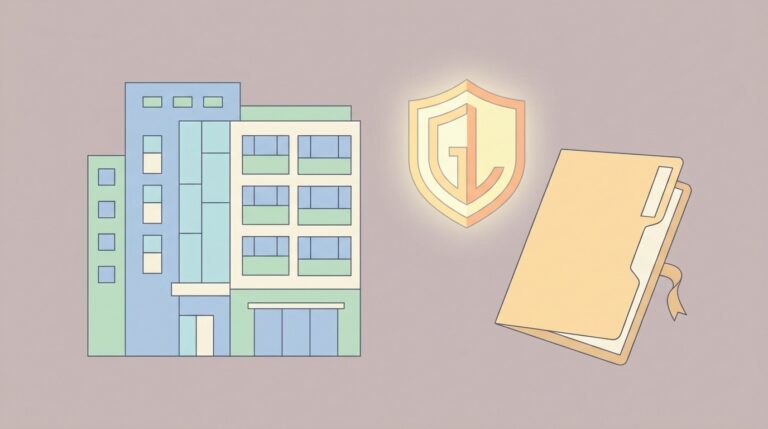
Phase 1: Empathy (Real-Life Story Opening)
안녕하세요! 매일한글 에디터입니다. (Hello! This is your Daily Hangul editor.)
Picture this: Your two-year Jeonse contract is finally coming to an end. You’ve packed your boxes, picked your new apartment, and already imagined where your coffee machine will go. But three days before move-out day, your landlord drops the bombshell that sends chills down every tenant’s spine in South Korea: “The market is frozen right now. I don’t have your deposit. You’ll just have to wait until we find the next tenant.”
Suddenly, your heart sinks. You feel like the devastated protagonist in a grim K-drama legal thriller—standing in an empty living room, clutching a stack of unhelpful KakaoTalk messages. In Korean housing terminology, this is a nightmare known as deposit non-return (보증금 미반환). But here is the silver lining: If you enrolled in a Jeonse Deposit Return Guarantee (전세보증금 반환보증보험) through HUG, HF, or SGI, you hold the ultimate shield.
You do not need to wait for your landlord’s generosity. By executing a Leasehold Registration Order (임차권등기명령) and filing a formal performance claim (이행청구) with your guarantee institution, you can legally recover every single won directly from the insurer. This guide isn’t theoretical jargon; it is the battle-tested roadmap formulated from dozens of actual expat cases to ensure you walk into the guarantee office with absolute confidence and command of the exact Korean expressions that unlock your payout.
Phase 2: Top 3 Core Expressions In-Depth Analysis
Here are the three foundational power phrases you need when dealing with the court, the registry, and the guarantee corporation.
1. 임차권등기명령을 신청했어요 (Imchakwon deunggi myeongryeong-eul sincheonghaesseoyo)
- Pronunciation: [Im-cha-gwon deung-gi myeong-nyeong-eul sin-cheong-hae-sseo-yo] (Think: “Eem-cha-gwon” like a martial arts title, “deung-gi” like ‘dunk key’)
- Meaning: Literal: “I applied for a leasehold registration order.” | Actual Nuance: “My legal right as a tenant is officially locked into the public property register, allowing me to move out without forfeiting my priority claim.”
- K-Culture Moment: In high-stakes legal dramas like Stranger or Law School, whenever an underdog tenant defends their rights against an evasive property owner, this phrase is the ultimate legal turning point.
- Editor’s Insight: The word 임차권 (imchakwon) means tenant rights, and 등기 (deunggi) means public recordation. Filing this ensures your opposing power (대항력) and preferential payment rights (우선변제권) stay alive even after you pack up and hand over the keys.
- Situation Spectrum: Casual 🚫 | Semi-formal ⚠️ | Formal ✅ (Used in public offices, banks, and legal communications)
- 🤔 Think About It: In many Western legal frameworks, leaving a rental unit without physical possession can forfeit certain summary rights. Why does the Korean system use a public court stamp to preserve physical tenant rights across time and space?
2. 보증기관에 이행 청구를 하려고 합니다 (Bojeung gigwan-e ihaeng cheonggu-reul haryeogo hamnida)
- Pronunciation: [Bo-jeung gi-gwa-ne i-haeng cheong-gu-reul ha-ryeo-go ham-ni-da] (Sounds like: “Boh-jung gee-gwan-eh ee-haeng chong-goo…”)
- Meaning: Literal: “I intend to make a claim for performance to the guarantee institution.” | Actual Nuance: “Since the landlord failed to pay, I am formally demanding that HUG/HF pay out my full deposit on their behalf.”
- K-Culture Moment: Think of an exasperated character visiting a public corporate office in Yeouido, presenting a binder full of paperwork across a frosted glass counter.
- Editor’s Insight: 이행 (Ihaeng) means fulfillment of contractual obligation, and 청구 (Cheonggu) means a formal claim. You are not begging for financial aid; you are exercising your purchased insurance rights under the guarantee contract.
- Situation Spectrum: Casual 🚫 | Semi-formal ⚠️ | Formal ✅
- 🤔 Think About It: Notice how formal Korean administrative language relies on Sino-Korean paired roots (이행 + 청구). How does this linguistic density create distance and authority compared to everyday verbs?
3. 보증금을 먼저 돌려받을 수 있나요? (Bojeunggeum-eul meonjeo dollyeobadeul su innayo?)
- Pronunciation: [Bo-jeung-geum-eul meon-jeo dol-lyeo-ba-deul su in-na-yo?] (Rhythm analogy: “Boh-jung-goom-eul mun-juh doll-yuh-bah-dool soo een-nah-yo?”)
- Meaning: Literal: “Can I get the deposit returned first?” | Actual Nuance: “Can the guarantee agency reimburse me first, before you go after the landlord through subrogation?”
- K-Culture Moment: The polite yet urgent question asked by a stressed resident sitting in a civil counseling booth, hoping to avoid waiting months for a court auction.
- Editor’s Insight: The operative word is 먼저 (meonjeo – first/in advance). This is the entire point of the return guarantee: you don’t wait for the landlord’s auction to conclude; the agency pays you out and assumes the burden of collecting the debt.
- Situation Spectrum: Casual ⚠️ | Semi-formal ✅ | Formal ✅
- 🤔 Think About It: Contrast the concept of asking for an advance payout (대위변제) versus waiting through prolonged litigation. How does this demonstrate the role of Korean quasi-governmental agencies acting as consumer buffers?
Phase 3: Textbook Korean vs. Real Korean
When dealing with tenancy disputes, textbook phrasing sounds timid, whereas native Korean tenants use precise, assertive idioms to show they cannot be manipulated.
Situation 1: Asking the landlord for a firm deposit return date
- 📖 Textbook Korean: 보증금을 언제 반환해 주시겠습니까? (Bojeunggeum-eul eonje banhwanhae jusigesseumnikka? – “When will you kindly return my deposit?”)
- 🗣️ Real Korean: 만기 됐는데 보증금 언제 입금되나요? (Mangi dwaenneunde bojeunggeum eonje ipgeumdoenayo? – “The lease has matured; when will my deposit be wired?”)
- 💡 Why is it different? The textbook phrasing sounds like you are requesting a personal favor. In modern Korean leasing, 만기 (mangi – contract maturity) establishes a hard legal timeline. Asking for 입금 (wire transfer) treats it as a straightforward banking transaction.
Situation 2: Informing the landlord you will trigger the guarantee claim
- 📖 Textbook Korean: 저는 보증 기관에 변제를 신청할 계획입니다. (Jeoneun bojeung gigwane byeonjereul sincheonghal gyehoegimnida. – “I plan to apply for reimbursement to the guarantee body.”)
- 🗣️ Real Korean: 안 주시면 HUG에 바로 보증사고 접수하고 이행 청구 들어갈게요. (An jusimyeon HUG-e baro bojeung-sago jeopsuhago ihaeng cheonggu deureogalgeyo. – “If you don’t return it, I’m going straight to HUG to register an insurance accident and submit a claim.”)
- 💡 Why is it different? Real Korean uses the technical industry terms 보증사고 (guarantee incident/default) and 이행 청구 들어가다 (to initiate a payout claim). When landlords hear this exact phrasing, they know you are already prepared for legal intervention.
Phase 4: K-Culture Deep Dive & Non-Verbal Etiquette
4-1. Nunchi & Posture: The Art of Civil Administrative Composure
In Korean civil administration, emotional outbursts (“You ruined my life!”) often slow down processes because clerks are bound by rigid checklists.
* The “L-Folder” Posture: Walk into HUG (주택도시보증공사), HF (한국주택금융공사), or SGI (서울보증) holding a neat color-coded transparent folder (L자 홀더) containing your original lease, certificate of fixed date (확정일자), resident registry transcript (주민등록등본), and the court’s confirmation of the leasehold order. Hand documents with both hands while bowing slightly.
* Strategic Calm: Maintain firm, steady eye contact. Do not plead. State facts clearly: “임차권등기 완료되었고 계약 해지 통보 내용증명 첨부했습니다” (The leasehold registration is complete, and proof of contract termination notification via certification of contents is attached).
* Voice Recording Etiquette: In South Korea, it is legally permitted to record phone calls or conversations as long as you are a participating party (당사자 통화 녹음). Keep your phone voice steady and polite on calls with the landlord, as call recordings can serve as evidence of termination notification.
4-2. Cultural Code: The Jeonse Ecosystem & GAP Investment
To understand why this system exists, you must understand the Korean phenomenon of 갭투자 (GAP investment). Many landlords in Korea purchase apartments using the tenant’s Jeonse deposit to cover 70-80% of the purchase price. The landlord rarely keeps your 200 million won sitting in a liquid bank account!
When housing prices stagnate, landlords cannot return deposits until a new tenant pays a matching sum. Because this structural vulnerability led to widespread social distress, the South Korean government fortified HUG, HF, and SGI to step in via 대위변제 (subrogation): the agency pays you your money first, then uses state-backed legal mechanisms to auction the landlord’s property to recover the funds.
Phase 5: Real-Life Roleplay Scenario
Setting: The customer intake desk at the HUG Seoul Center.
Characters:
* Sarah (사라): An expat whose Jeonse lease ended 1 month ago without repayment.
* Coordinator Kim (김 대리): A busy, by-the-book HUG claims intake officer.
- Sarah: 안녕하세요, 전세 만기가 지났는데 보증금을 못 받아서 이행 청구하러 왔어요.
(Annyeohaseyo, jeonse mangiga jinanneunde bojeunggeumeul mot badaseo ihaeng cheongguhareo wasseoyo.)
“Hello, my Jeonse contract has expired and I haven’t received my deposit, so I’m here to file an insurance claim.”
🎭 Hands over her ID and initial paperwork with both hands. -
Coordinator Kim: 네, 반갑습니다. 혹시 법원에 임차권등기명령은 신청하셨나요?
(Ne, bangapseumnida. Hoksi beob-wone imchakwon deunggi myeongryeongeun sincheonghasyeonnayo?)
“Yes, hello. By any chance, have you filed for a Leasehold Registration Order with the district court?”
🎭 Glances over the document checklist on his monitor. -
Sarah: 네, 지난주에 법원 결정문 받고 등기부등본에 올라간 것 확인했어요.
(Ne, jinanju-e beob-won gyeoljeongmun batgo deunggi-bu deungbone ollagan geot hwaginhaesseoyo.)
“Yes, I received the court’s decision letter last week and verified that it is registered on the certified property registry.”
🎭 Points to the highlight on the freshly printed registry copy. -
Coordinator Kim: 등기부등본 확인되셨네요. 계약 해지 통보 증빙 자료도 가져오셨습니까?
(Deunggi-bu deungbon hwagindoesyeonneyo. Gyeyak haeji tongbo jeungbing jaryodo gajyeoosyeosseumnikka?)
“I see it on the registry. Did you also bring proof that you notified the landlord of contract termination?”
🎭 Inspects the highlighted registry seal. -
Sarah: 네, 3개월 전에 보낸 내용증명과 집주인 답장 문자 내역 다 출력해 왔습니다.
(Ne, sam-gae-wol jeone bonaen naeyong-jeungmyeong-gwa jipju-in dapjang munja naeyeok da chullyeokhae wasseumnida.)
“Yes, I printed both the Certified Contents letter sent three months ago and the landlord’s reply text messages.”
🎭 Places the neat plastic folder on the counter. -
Coordinator Kim: 서류가 아주 완벽하네요. 심사 후 승인되면 대위변제로 입금됩니다.
(Seoryuga aju wanbyeokhaneyo. Simsa hu seung-indoemyeon daewibyeonjero ipgeumdoemnida.)
“Your documentation is impeccable. Once reviewed and approved, it will be paid out via subrogation.”
🎭 Stamps the application receipt and hands a copy to Sarah. -
Sarah: 승인까지 보통 얼마나 걸리나요? 이사 갈 집 잔금을 치러야 해서요.
(Seung-in-kkaji botong eolmana geollinayo? Isa gal jip jangeumeul chireoya haeseoyo.)
“How long does approval typically take? I need to pay the remaining balance on my new home.”
🎭 Speaks politely with an attentive, forward posture. -
Coordinator Kim: 서류에 보완 요청이 없다면 접수일로부터 한 달 내로 지급됩니다.
(Seoryue bowan yocheong-i eopdamyeon jeopsu-ilrobuteo han dal naero jigeupdoemnida.)
“If no document amendments are needed, payment is typically disbursed within one month from submission.”
🎭 Nods reassuringly and hands Sarah the tracking guide.
🔀 Interactive Decision Point
Sarah needs to move into her new rental next week, but the Leasehold Registration Order has been applied for, though it hasn’t yet appeared on the actual property registry (등기부등본). What should Sarah do?
- Option A: Move out completely, hand the keys to the landlord, and change her resident registration (전입신고) immediately to the new house.
👉 Feedback [BAD]: Fatal mistake! If you move out or change your registered address before the leasehold registration is visibly published on the public registry, you forfeit your preferential opposing power (대항력). Your insurance claim could be rejected. - Option B: Maintain her physical residence and address registration until the registration is confirmed on the public registry document, then vacate.
👉 Feedback [BEST]: Spot on! You must never move your registered address until you see the words “임차권” clearly recorded under Section Eul (을구) of the property registry. - Option C: Leave her furniture inside, leave the door code with the broker, and just verbally notify HUG that she moved.
👉 Feedback [RISK]: Dangerous. Guarantee agencies verify actual possession and legal address. Unapproved departures can derail your compensation timeline.
Phase 6: 10-Second Emotion Shadowing Drill
Practice these lines focusing on natural cadence, pauses (/), and emotional intent.
[💼 단호하고 당당하게 - Resolute & Professional]
만기 한 달이 지났으므로 / 임차권등기명령을 신청하겠습니다.
(Mangi han dari jinasseumeuro / imchakwon deunggi myeongryeongeul sincheonghagetseumnida.)
“Since one month has passed past maturity, / I will file for a Leasehold Registration Order.”-
[🛡️ 차분하고 꼼꼼하게 - Calm & Thorough]
등기부등본에 / 임차권이 기재된 후에 / 이사를 가야 안전합니다.
(Deunggibu deungbone / imchakwoni gijaedwin hue / isareul gaya anjeonhamnida.)
“Only after the leasehold right is registered on the registry / is it safe to move out.” -
[🤝 명확하고 확신에 차서 - Clear & Assertive]
서류 접수 완료했으니 / 보증기관에서 대위변제 진행해 주세요.
(Seoryu jeopsu wanryohae-sseuni / bojeunggigwan-eseo daewibyeonje jinghaenghae juseyo.)
“Since document submission is finalized, / please proceed with the subrogation payout from the guarantee agency.”
Phase 7: K-Culture Mini Dictionary
- 임차권등기 (Imchakwon Deunggi – Leasehold Registration): A judicial stamp placed on a property’s public registry that guarantees a tenant keeps priority claim to their money even after physically moving out.
- 이행청구 (Ihaeng Cheonggu – Claim for Performance): The formal claim submitted to a guarantee institution (like HUG) requesting direct payout of an unreturned deposit.
- 대위변제 (Daewi-byeonje – Subrogation / Subrogated Performance): The legal process where the insurer pays the tenant first, stepping into the tenant’s shoes to pursue the landlord for recovery.
- 보증사고 (Bojeung Sago – Guarantee Incident / Default): The official status triggered when a landlord fails to return the deposit within 30 days after contract termination.
Phase 8: Expat Living Survival Kit
Top 3 Survival Phrases
- 계약 해지 통보했습니다. (Gyeyak haeji tongbo-haesseumnida.)
Romanization: Gye-yak hae-ji tong-bo haet-seum-ni-da.
Pro Tip: Use this to confirm you gave notice to terminate the lease at least 2 to 6 months prior to maturity. - 등기 완료 후 열쇠 인도할게요. (Deunggi wanryo hu yeolswe indohalgeyo.)
Romanization: Deung-gi wan-ryo hoo yeol-swe in-do-hal-ge-yo.
Pro Tip: Tell your landlord you will only surrender the keys (possession) after the registration is finalized. - 이행 청구 접수증 나왔어요. (Ihaeng cheonggu jeopsujeung nawasseoyo.)
Romanization: Ee-haeng cheong-goo jup-soo-jeung nah-wat-suh-yo.
Pro Tip: Present your official claim receipt to show the landlord that the state agency is now involved.
Editor’s Living Note: Essential Tools
- Internet Registry Access: You don’t need to visit the court in person to inspect property changes. Search and inspect titles online via 대한민국 법원 인터넷등기소 접속하기.
- Gov24 (정부24): Download your updated resident transcript (주민등록등본) instantly without visiting a Community Center (주민센터).
Phase 9: Step Deeper (Reflective Insight)
In traditional Korean culture, human relationships and mutual understanding (정 – Jeong) historically smoothed over friction, including financial compromises. For decades, tenants and landlords negotiated over a cup of mix coffee, often agreeing to “wait a little longer.”
However, in today’s high-stakes urban Korean economy, relying on informal promises can lead to catastrophic financial losses. The rise of public guarantee institutions and legal remedies like the Leasehold Registration Order marks a profound societal shift: South Korea has transitioned toward absolute contractual transparency and institutional accountability. Embracing these legal steps is not “rude” or “unfriendly”; it is the standard, mature way Korean society ensures fairness and peace of mind.
💬 Your Turn: Have you ever experienced an awkward financial disagreement where formal rules conflicted with interpersonal politeness? Share your thoughts in the comments below!
Phase 10: FAQ & Avoiding Misunderstandings
Q: Can I apply for the Leasehold Registration Order before my contract officially ends?
A: No. You can only formally apply the day after the contract has officially expired. However, you must establish valid proof that you notified the landlord of termination at least 2 months prior to the expiration date.
Q: What if I don’t have Jeonse return insurance? Does the Leasehold Registration Order return my money automatically?
A: No. The registration merely preserves your legal standing (대항력). Without insurance, you would have to file a civil lawsuit for deposit return (보증금반환청구소송) and possibly wait for a court auction (경매). This is why having HUG, HF, or SGI insurance is critical.
Q: How long does it take for HUG to pay out after I file the performance claim (이행청구)?
A: Usually within 3 to 4 weeks after complete submission of all documents, provided there are no deficiencies and the property handover (명도) is verified.
🚨 Common Mistakes (흔한 실수)
- Moving out before the registration appears on the title: Applying is not enough. You must inspect the actual 등기부등본 and confirm the entry is published before vacating.
- Failing to preserve termination evidence: Landlords ignoring your calls does not count as notice. Use Certified Mail (내용증명) or keep audio-recorded phone confirmations where the landlord acknowledges your move-out date.
- Changing your resident registration address (전입신고) prematurely: The minute you transfer your legal address away before the leasehold stamp is sealed, your preferential claim evaporates.
Phase 11: Action Missions
- 🥉 Bronze Mission (Solo Shadowing): Read aloud the 3 expressions from Phase 2 three times each until you can articulate “임차권등기명령” smoothly in under 3 seconds.
- 🥈 Silver Mission (Safety Audit): Open your rental contract right now. Check if you have an active policy with HUG, HF, or SGI, and make sure your certificate of fixed date (확정일자) is safely stored.
- 🥇 Gold Mission (Mock Claim): Draft a simulated KakaoTalk message to a landlord notifying them of contract termination 3 months ahead using the formal vocabulary learned today.
- 🎮 K-Culture Mission: Watch an episode of a Korean legal K-drama (such as Hyena or Divorce Attorney Shin) and listen closely for terms like “등기” (registry) and “손해배상” (damages).
Phase 12: Interactive Quiz Challenge
Test your knowledge below! Click on the toggle to verify your answers.
- Situation Judgment: If your Jeonse contract ended yesterday and the landlord refuses repayment, what is your immediate first step before moving to your new house?
- A) Give the keys back immediately and move.
- B) Apply for a Leasehold Registration Order and verify its entry on the registry.
- C) Demand cash directly from the real estate broker.
- Fill-in-the-Blank:
만기가 지났는데 보증금을 못 받아서 보증기관에 _______ 청구를 하러 왔습니다.
(Hint: The word for “performance/contractual fulfillment” claim) -
True or False: If you have HUG return insurance, you must wait for the property to be sold at court auction before you can receive any deposit money.
- (True / False)
👉 Click here to check your answers!
- Answer: B. Never surrender possession or move your address before the registration appears on the public title.
- Answer: 이행 (Ihaeng). Full phrase: 이행 청구 (Claim for Performance).
- Answer: False. With return insurance, the agency pays you directly via subrogation (대위변제), leaving the auction process to the agency itself.







