

Phase 1: Empathy (Story Immersion)
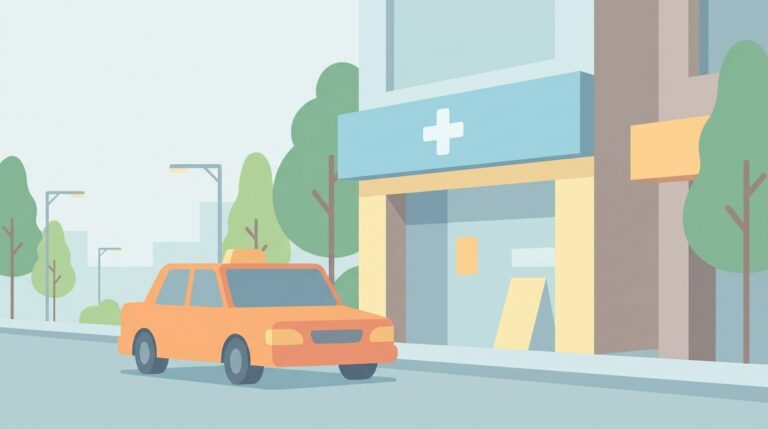
안녕하세요! It is your Daily Hangul editor here! Have you ever sat in the backseat of a sleek orange or silver Seoul taxi, watching your destination creep closer on your phone map, while your heart thumps like a K-Pop bassline? You know that nerve-wracking moment: your hotel or Airbnb is tucked just inside a narrow alley, right past that glowing blue pharmacy sign. But the driver is cruising at a steady 50 km/h, and you have no idea how to explain the exact spot without blurting out random English words or panicking.
Every Seoul traveler has been there. In fact, one of our A2 learners, Sarah from Toronto, told us: “I knew how to say ‘stop please,’ but by the time I stammered it out, the driver had already zoomed through the intersection! I ended up walking an extra 10 minutes in the rain!”
Don’t worry, my friend. Today, we are going to unlock the exact, natural phrase that local Koreans use to pinpoint their drop-off spot with zero stress. Once you master this guide, you will slide into any Korean taxi with total confidence and land right at your doorstep.
Phase 2: Top 3 Core Expressions Deep Dive
1. 저기 보이는 파란색 간판 약국 앞에서 세워 주세요 (Jeogi boineun paransaek ganpan yakguk ap-eseo sewo juseyo)
- Pronunciation: Jeo-gi bo-ee-neun pa-ran-saek gan-pan yak-gook ap-eh-seo seh-wo joo-seh-yo (Think of “Jeo-gi” sounding like “Juh-gee”, and “sewo” like “say-woh”).
- Meaning: Literal: “Please stop in front of the blue-sign pharmacy visible over there.” | Real Nuance: “Could you please pull over right by that pharmacy with the blue sign ahead?”
- K-Culture Moment: You will see this in countless modern K-Dramas whenever the female lead wants to get dropped off discreetly before reaching her secret chaebol house!
- Editor’s Insight: Combining visual markers (파란색 간판 – blue sign) with clear spatial markers (앞에서 – in front of) gives the driver instant clarity without ambiguity.
- Situation Spectrum: Casual: ⚠️ (too formal for close friends) | Semi-formal: ✅ (Perfect for taxi drivers) | Formal: ✅
- 🤔 Think About It: In English, we often say “drop me off by the blue sign.” Why do Koreans prioritize the broader landmark category (pharmacy) alongside its visual descriptor (blue sign)?
2. 저기 사거리에서 우회전해 주세요 (Jeogi sageori-eseo uhoejeonhae juseyo)
- Pronunciation: Jeo-gi sa-guh-ree-eh-seo oo-hweh-jeon-hae joo-seh-yo (“Sa-geo-ri” rhymes with “story”, “uhoejeon” sounds like “oo-hway-jeon”).
- Meaning: Literal: “At that intersection over there, please make a right turn.” | Real Nuance: “Please turn right at that upcoming intersection.”
- K-Culture Moment: A quintessential scene in road trip variety shows where the passenger serves as the human GPS navigator.
- Editor’s Insight: In Korean navigation, 우회전 (uhoejeon / right turn) and 좌회전 (jwahoejeon / left turn) are standard Sino-Korean road terms that every driver instantly recognizes.
- Situation Spectrum: Casual: ⚠️ | Semi-formal: ✅ | Formal: ✅
- 🤔 Think About It: How does giving directional instructions in advance show consideration (배려, baeryeo) toward a Korean driver navigating fast-moving city lanes?
3. 여기서 내려주셔도 돼요 (Yeogiseo naeryeojusyeodo dwaeyo)
- Pronunciation: Yeo-gi-seo nae-ryeo-joo-syeo-do d политики-wae-yo (Sounds like “Yuh-gee-suh neh-ryuh-joo-shyuh-doh dway-yo”).
- Meaning: Literal: “Even if you let me alight here, it is okay.” | Real Nuance: “You can just let me off right here! / Here is totally fine!”
- K-Culture Moment: In romance dramas, when the protagonist politely stops the ride early to walk the remaining quiet street alone under the cherry blossoms.
- Editor’s Insight: The ending -도 돼요 (-do dwaeyo) softens your request into a polite option rather than a direct order, making you sound considerate and sweet.
- Situation Spectrum: Casual: ⚠️ | Semi-formal: ✅ | Formal: ✅
- 🤔 Think About It: Notice the difference between “Stop here!” and “Letting me off here is completely okay.” How does this reflect Korean politeness and social harmony?
Phase 3: Textbook Korean vs. Real Korean
Situation 1: Telling the driver where to stop
- 📖 교과서 한국어 (Textbook Korean): 여기에 정차하여 주십시오. (Yeogie jeongchahayeo jusipsio.)
- 🗣️ 진짜 한국어 (Real Korean): 여기서 세워 주세요. (Yeogiseo sewo juseyo.) / 여기서 내려주세요. (Yeogiseo naeryeojuseyo.)
- 💡 왜 다를까? (Why is it different?): 정차 (jeongcha) is a rigid administrative term found in legal traffic codes. Everyday Koreans naturally prefer 세워 주세요 (please stop/pull over) or 내려주세요 (please let me alight).
Situation 2: Guiding toward a landmark
- 📖 교과서 한국어 (Textbook Korean): 저 건축물 근처에 도달하면 멈추십시오. (Jeo geonchungmul geuncheoe dodalhamyeon meomchusipsio.)
- 🗣️ 진짜 한국어 (Real Korean): 저기 파란 간판 앞에서 내려주세요. (Jeogi paran ganpan ap-eseo naeryeojuseyo.)
- 💡 왜 다를까? (Why is it different?): Spoken Korean thrives on short, punchy sensory landmarks like color (파란 간판) and exact prepositions (앞에서) rather than abstract concepts like “near the architectural structure.”
Phase 4: K-Culture Deep Dive & Non-Verbal Manners
4-1. 눈치 (Nunchi) & Backseat Gestures
When speaking from the rear seat of a Korean taxi, remember that your driver is observing you via the interior rearview mirror.
* Voice Level: Keep your voice clear, calm, and slightly elevated. Traffic noise and the partition shield can muffle gentle whispers.
* Nunchi Gesture: Do not suddenly reach over the front console or point aggressively near the driver’s face. Instead, extend your hand slightly forward within your own seating zone while leaning forward gently to say your line. When the car pulls up smoothly, a polite head nod (목례, mongnye) along with a warm 감사합니다 (Gamsahamnida) completes the perfect interaction.
4-2. Cultural Code Analysis: The Respect for “기사님” (Gisanim)
In Korea, taxi drivers are addressed with the honorific title 기사님 (Gisanim)—a blend of 기사 (driver/technician) and the venerated suffix 님 (nim). Unlike Western cities where a driver might be greeted casually by first name or a simple “Hey man,” Korean drivers represent an experienced, hardworking generation. Addressing them as 기사님 sets an immediate tone of mutual respect. Furthermore, Korean traffic flows at dynamic speeds; giving your drop-off instruction at least 50 to 100 meters ahead gives the driver enough time to safely change lanes without braking abruptly.
Phase 5: Real-World Roleplay Scenario
- Background: Friday night in Yeonnam-dong. You are taking a taxi home after a delicious barbecue dinner. Your guesthouse is located right beside a 24-hour pharmacy.
- Character: Park Gisa-nim (박 기사님), a veteran Seoul driver with a warm voice and a keen eye for traffic.
-
Turn 1 (Driver): 손님, 이 근처 다 왔는데 어디서 내려드릴까요? (Sonnim, i geuncheo da wanneunde eodiseo naeryeodeurilkkayo? / “Passenger, we are almost in the neighborhood. Where should I drop you off?”)
- Turn 2 (You): 🎭 Leaning forward slightly, looking through the front windshield: 저기 보이는 파란색 간판 약국 앞에서 세워 주세요. (Jeogi boineun paransaek ganpan yakguk ap-eseo sewo juseyo. / “Please pull over in front of the pharmacy with the blue sign over there.”)
- Turn 3 (Driver): 아, 저기 온누리약국 말씀이시죠? (A, jeogi Onnuri-yakguk malsseumisijyo? / “Ah, you mean that Onnuri Pharmacy over there?”)
- Turn 4 (You): 🎭 Nodding pleasantly: 네, 맞아요! 저기 약국 바로 앞이요. (Ne, majayo! Jeogi yakguk baro apiyo. / “Yes, that is right! Right in front of that pharmacy.”)
- Turn 5 (Driver): 네, 비상 깜빡이 켜고 바로 앞에 대드릴게요. (Ne, bisang kkamppagi kyeogo baro ape daedeurilgeyo. / “Sure, I will turn on the hazard lights and pull up right in front.”)
- Turn 6 (You): 🎭 Checking your bag and preparing your payment card: 감사합니다. 여기서 내려주셔도 돼요! (Gamsahamnida. Yeogiseo naeryeojusyeodo dwaeyo! / “Thank you. It is totally fine to let me off right here!”)
- Turn 7 (Driver): 🎭 Stopping smoothly and printing the receipt: 네, 5,800원입니다. 조심히 들어가세요! (Ne, ocheon-palbaeg-won-imnida. Josimhi deureogaseyo! / “Yes, that will be 5,800 won. Get home safely!”)
- Turn 8 (You): 🎭 Tapping your transportation card and bowing your head: 결제했어요. 감사합니다, 기사님! 좋은 하루 되세요! (Gyeoljehayeosseoyo. Gamsahamnida, gisanim! Joeun haru doeseyo! / “Payment completed. Thank you, Gisanim! Have a great night!”)
🔀 Interactive Decision Branch
What would you say if the driver is about to pull into a cramped, dark alley where you do not want to go?
* Choice A: 기사님, 골목 들어가지 마시고 여기서 세워 주세요! (Gisanim, golmok deureogaji masigo yeogiseo sewo juseyo!)
* Choice B: 야! 멈춰! (Ya! Meomchwo!)
* Choice C: 안돼요… 저기요… (Andwaeyo… jeogiyo…)
- Feedback:
- Choice A (Best! ⭐⭐⭐): Perfectly respectful and crystal clear! Using 골목 들어가지 마시고 (without entering the alley) saves both your time and the driver’s maneuvering hassle.
- Choice B (Bad! ❌): Very rude (반말, casual impolite language). This will shock and offend the driver immediately.
- Choice C (Risk! ⚠️): Too vague and timid. The driver may become flustered or miss the safe spot in moving traffic.
Phase 6: 10-Second Emotion Shadowing Drill
Practice these with natural voice rhythm. The slash / indicates a brief breath pause!
[🚕 In a calm, confident voice]
저기 보이는 / 파란색 간판 약국 앞에서 / 세워 주세요.
(Jeogi boineun / paransaek ganpan yakguk ap-eseo / sewo juseyo.)-
[😊 Warm and polite]
기사님, / 골목 앞에서 / 내려주셔도 돼요!
(Gisanim, / golmok ap-eseo / naeryeojusyeodo dwaeyo!) -
[👀 Clear and timely direction]
저기 사거리 지나서 / 바로 오른쪽에 세워 주세요.
(Jeogi sageori jinaseo / baro oreunjjoge sewo juseyo.)
Phase 7: K-Culture Mini Dictionary
- 간판 (Ganpan) | Store signboard / Signboard
- Essential for urban navigation in Korea. From vibrant neon lights in nightlife districts to pastel boutique signs, referencing a 간판 is the fastest way to indicate a spot.
- 기사님 (Gisanim) | Respected driver / Chauffeur
- The gold-standard polite title for taxi, bus, and delivery professionals in South Korea. Never call them 아저씨 (ajeossi) if you want top-tier service.
- 사거리 (Sageori) | Four-way intersection / Crossroad
- Formed from 사 (four) and 거리 (street). Used constantly in street directions alongside 삼거리 (samgeori / three-way T-junction).
- 골목길 (Golmok-gil) | Alleyway / Residential street
- Korea’s charming narrow residential alleys. Drivers often appreciate when passengers alight at the entrance of a 골목길 to avoid difficult U-turns.
Phase 8: Traveler’s Survival Kit
Top 3 Survival Phrases for Taxis
- 여기서 세워 주세요. (Yeogiseo sewo juseyo. / “Please stop here.”)
- Pro Tip: Keep this locked in your mind for any emergency stop.
- 신호등 지나서 내려주세요. (Sinhodeung jinaseo naeryeojuseyo. / “Please let me off past the traffic light.”)
- Pro Tip: Prevents the driver from stopping dangerously inside an intersection box.
- 영수증 주세요. (Yeongsujeung juseyo. / “Please give me a receipt.”)
- Pro Tip: The receipt contains the vehicle license plate and company phone number—invaluable if you accidentally leave an item behind!
Editor’s Travel Note
- Digital Navigation: For the smoothest travel experience, check your drop-off point ahead using a Naver Map app download or book verified taxis through a Kakao T app download.
- Payment Manners: Credit cards and T-Money transit cards are universally accepted in Korean taxis. Simply tap your card on the terminal located between the front seats.
Phase 9: One Step Deeper
In Korean society, language reflects a delicate balance of spatial awareness and mutual respect (상호 존중). Asking someone to maneuver a two-ton vehicle in packed city traffic is not seen merely as a mechanical transaction, but as a collaborative effort. When you specify a landmark like “the pharmacy with the blue sign” rather than shouting a sudden “Stop!”, you acknowledge the driver’s perspective and the safety of everyone on the road. Language becomes a bridge of shared empathy.
💬 Your Turn: Have you ever ridden a taxi in Korea or tried giving directions in a foreign language? Drop your stories and questions in the comments below!
Phase 10: FAQ & Avoiding Misunderstandings
Q: Can I just say “Stop here” in English?
A: While many drivers in major tourist hubs recognize basic English words like “Stop,” pronouncing it as a sudden English command can cause abrupt braking or confusion. Saying 여기서 세워 주세요 (Yeogiseo sewo juseyo) ensures clarity and safety.
Q: Is there any difference between 세워 주세요 (sewo juseyo) and 내려주세요 (naeryeojuseyo)?
A: 세워 주세요 focuses on the physical car stopping (“Please pull over/stop the car”), whereas 내려주세요 focuses on your exit (“Please let me off”). In everyday taxi situations, both are used interchangeably with equal politeness.
Q: Should I tip the taxi driver in Korea?
A: No! Tipping is not part of Korean culture. In fact, leaving extra cash behind might result in the driver chasing after you to return your forgotten change!
🚨 Common Mistakes Warning Board
- Mistake 1: Calling the driver 아저씨! (Ajeossi!) from the back.
- Correct Action: Always use the honorific title 기사님 (Gisanim).
- Mistake 2: Shouting 멈춰요! (Meomchwoyo!) at the last second.
- Correct Action: 멈추다 sounds like an abrupt emergency brake order. Use 세워 주세요 (sewo juseyo) about 50 meters in advance.
- Mistake 3: Pointing directly at the windshield over the driver’s shoulder.
- Correct Action: Keep your hand gestures within your backseat perimeter to avoid distracting the driver’s vision.
Phase 11: Action Mission & Engagement
- 🥉 Bronze Mission (Solo Practice): Read Phase 6 aloud three times with your phone’s voice recorder until the cadence feels second nature.
- 🥈 Silver Mission (Social Connection): Leave a comment below translating your own favorite hometown landmark into a Korean sentence (e.g., 노란색 간판 카페 앞에서 세워 주세요).
- 🥇 Gold Mission (Real Life Application): On your next taxi ride in Seoul or during Korean speaking practice, say 기사님, 저기서 세워 주세요 without checking your notes!
🎮 K-Culture Mission: Watch the first episode of any city-based K-Drama this week. Count how many times passengers say 내려주세요 or 세워 주세요!
Phase 12: Interactive Quiz Challenge
Question 1: Situational Judgment
You are 50 meters away from your subway entrance. Which phrase is the most natural and polite way to ask the driver to stop?
* (A) 야, 여기서 멈춰라.
* (B) 기사님, 저기 지하철역 앞에서 세워 주세요.
* (C) 운전수님, 차를 정지하십시오.
Question 2: Fill-in-the-Blank
저기 보이는 파란색 ( ) 약국 앞에서 내려주세요. (Hint: The word for commercial signboard)
Question 3: True or False
In Korean taxis, it is polite and customary to leave a 15% tip on top of the fare.
* (A) True
* (B) False
Click to reveal answers & explanations
- Q1 Answer: (B) 기사님, 저기 지하철역 앞에서 세워 주세요. is the gold standard of natural, respectful speech. (A) is rude slang, and (C) sounds like a robotic military drill.
- Q2 Answer: 간판 (ganpan). Together, 파란색 간판 means “blue signboard.”
- Q3 Answer: (B) False. Tipping is not practiced in Korea; simply pay the exact meter fare via card or T-Money!






