

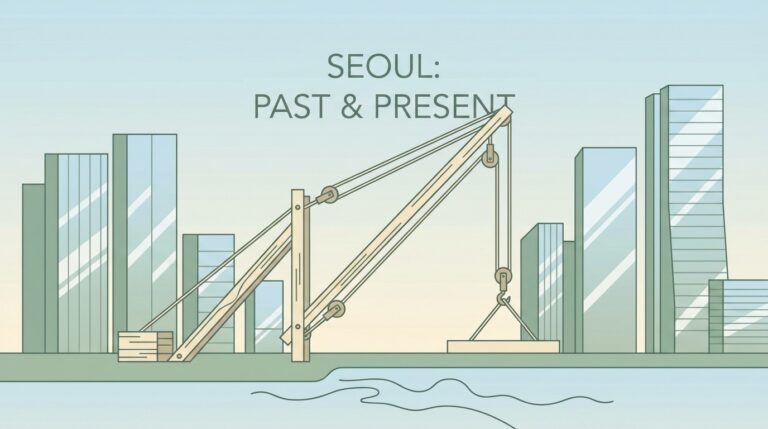
Beyond Armchair Theories: Mastering High-Register Korean Policy Discourse Through Joseon Silhak
안녕하세요! 매일한글 에디터입니다. (Hello! This is your Daily Hangul editor.)
Phase 1: 공감 (Story-Driven Opening)
Have you ever tuned into an elite Korean political thriller like Designated Survivor: 60 Days or watched a parliamentary policy hearing on SBS, only to feel an invisible semantic wall hit you right in the face? You might be completely comfortable ordering food, navigating K-pop fandoms, or chatting with colleagues about your weekend plans. Yet, the moment senior analysts, civil servants, and academics begin debating national welfare, they stop using casual conversational idioms. Instead, they wield four-character Sino-Korean concepts (사자성어) steeped in profound philosophical history.
Take this real-life scenario from one of our advanced learners, David—a foreign policy researcher based in Sejong City. During an executive ministerial briefing on municipal AI adoption, David tried to argue that their digital public service plan needed real user data rather than empty hype. He said, “우리는 진짜 데이터를 보고 사람들에게 도움을 주어야 합니다” (We need to look at real data and help people). While grammatically pristine, the room went subtly flat. After the meeting, his senior director gently pulled him aside: “David, next time say that our initiative must embody ‘실사구시’ (empirical evidence) and ‘이용후생’ (utilitarian public welfare) to avoid becoming mere ‘탁상공론’ (armchair theorizing).”
That subtle shift represents the pinnacle of C2-level Korean proficiency. In Korean intellectual culture, cutting-edge policy science and administrative governance are not seen as imports of Western social sciences; they are anchored deeply in Late Joseon Silhak (실학, Practical Learning)—most notably championed by the polymath Dasan Jeong Yak-yong (정약용). Today, we will decode this exact intellectual lineage so you can confidently converse in executive boardrooms, doctoral seminars, and policy think tanks.
Phase 2: 핵심 표현 3선 심층 분석 (Top 3 Core Expressions)
1. 실사구시 (實事求是)
- Pronunciation: Silsagusi [Pronounced like sheel-sah-goo-shee]
- Meaning: Literal: “Seek truth from facts.” Actual Nuance: Rigorous, data-driven empirical verification grounded in objective reality rather than dogmatic theoretical debates.
- K-Culture Moment: In the critically acclaimed courtroom drama Stranger (비밀의 숲), when prosecutor Hwang Si-mok dismisses bureaucratic assumptions in favor of physical evidence and ballistic reports, an editorial panel describes his investigative methodology as the modern incarnation of 실사구시.
- Editor’s Insight: Originating from the Han Dynasty but revitalized by Joseon thinkers to dismantle empty Neo-Confucian metaphysics, this phrase is the absolute gold standard in modern corporate and governmental white papers. Use it when advocating for hard metrics over sentimental hunches.
- Situation Spectrum: Casual 🚫 | Semi-formal ⚠️ | Formal/Executive Briefing ✅
- 🤔 Think About It: In your native tongue, do you borrow classical Latin aphorisms (like quod erat demonstrandum) to signal empirical rigor? How does relying on 18th-century Joseon reformist terminology alter the listener’s perception of your authority?
2. 이용후생 (利用厚生)
- Pronunciation: Iyonghusaeng [Pronounced like ee-yong-who-saeng]
- Meaning: Literal: “Make use of practical instruments to enrich the people’s livelihood.” Actual Nuance: Pragmatic policy design that directly elevates public material welfare and standard of living through technological and infrastructural advancement.
- K-Culture Moment: Documentaries on the construction of Suwon Hwaseong Fortress (수원화성) frequently highlight how Jeong Yak-yong utilized the Geojunggi (거중기, pulley crane system) to reduce labor injuries and speed up construction—a textbook manifestation of 이용후생.
- Editor’s Insight: Many non-native speakers mistakenly say “시민 복지를 올리다” (increase citizen welfare), which sounds somewhat transactional or clerical. Elevating the concept to 이용후생의 가치를 실현하다 (realizing the value of utilitarian public welfare) commands immediate intellectual respect in policy discourse.
- Situation Spectrum: Casual 🚫 | Semi-formal ⚠️ | Formal/Executive Briefing ✅
- 🤔 Think About It: How does framing technological progress around “human life enrichment” rather than sheer economic growth reshape the ethos of modern statecraft?
3. 탁상공론에 그치다 (卓上空論에 그치다)
- Pronunciation: Taksanggongrone geuchida [Pronounced like tahk-sahng-gong-ro-nae geu-chee-dah]
- Meaning: Literal: “To end up as empty talk on a desk.” Actual Nuance: Pointless academic armchair theorizing completely detached from on-the-ground reality.
- K-Culture Moment: In political satires and social debate shows like 썰전 (War of Words), panelists sharply critique municipal projects that looked brilliant on slide decks but proved utterly useless to local vendors: “이 정책은 결국 탁상공론에 그쳤습니다”.
- Editor’s Insight: This is the ultimate rhetorical counter-punch against over-theorized proposals. When pairing it with Silhak philosophy, you can demonstrate why a proposed initiative will fail if it lacks participatory field interviews.
- Situation Spectrum: Casual ⚠️ | Semi-formal ✅ | Formal/Executive Briefing ✅
- 🤔 Think About It: Notice the visceral physical imagery of a “desk” (탁상) representing detachment from the dirt and sweat of the public square. What physical metaphors does your native language deploy for bureaucratic detachment?
Phase 3: 교과서 한국어 vs 진짜 한국어 (Textbook vs. Elite Pragmatic Korean)
Situation 1: Emphasizing the need for fieldwork over office speculation
- 📖 교과서 한국어: 책상에서 생각하지 말고 현장에 직접 가서 문제를 조사해야 합니다. (Chaeksang-eseo saenggakhaji malgo hyeonjang-e jikjeop gaseo munje-reul josahaeya hamnida. – You should not think at your desk; you must go to the field directly and investigate the problem.)
- 🗣️ 진짜 한국어: 이번 사회복지 개혁안이 탁상공론에 그치지 않으려면, 실사구시적 관점에서 현장 실증 조사가 반드시 선행되어야 합니다. (Ibeon sahoebokji gaehyeogan-i taksanggongrone geuchiji aneuryeomyeon, silsagusijeok gwanjeom-eseo hyeonjang siljeung josaga bandeusi seonhaengdoeeoya hamnida. – If this social welfare reform bill is not to end up as mere armchair theorizing, empirical field verification must precede it from an empirical perspective.)
- 💡 왜 다를까?: The textbook phrase uses colloquial action verbs (생각하지 말고, 가서), whereas senior bureaucrats and researchers utilize nominalized Sino-Korean clauses (실사구시적 관점, 실증 조사, 선행되어야 합니다) to project institutional gravity.
Situation 2: Justifying public budget allocation for new civic technology
- 📖 교과서 한국어: 새로운 기술을 도입해서 시민들의 생활을 더 편하게 만들어 줍시다. (Saeroun gisul-eul doiphaeseo simindeul-ui saenghwal-eul deo pyeonhage mandeureo jupsida. – Let’s introduce new technology to make citizens’ lives more comfortable.)
- 🗣️ 진짜 한국어: 신기술 정책은 단순한 행정 편의를 넘어, 이용후생의 정신으로 시민의 실질적 삶의 질을 견인해야 마땅합니다. (Sin-gisul jeongchaeg-eun dansunhan haengjeong pyeon-uireul neomeo, iyonghusaeng-ui jeongsin-euro simin-ui siljiljeok salm-ui jir-eul gyeon-inhaeya mattanghamnida. – New technology policy must transcend mere administrative convenience and rightfully propel the public’s tangible quality of life through the spirit of utilitarian welfare.)
- 💡 왜 다를까?: C2-level administrative discourse frames civic convenience as an ethical governance objective (이용후생의 정신, 삶의 질을 견인하다), reflecting the historic statecraft articulated in Dasan Jeong Yak-yong’s Gyeongseyupyo (경세유표).
Phase 4: K-Culture 딥다이브 & 비언어적 매너 (Deep Dive & Non-Verbal Manners)
4-1. 눈치 (Nunchi) & Administrative Body Language
When delivering critique rooted in Silhak concepts during high-level Korean meetings:
1. The Diplomatic Posture: Never slam your hands on the table or point a pen when calling a project 탁상공론. Rest both forearms gently on the edge of the conference table, tilt your head approximately 5 degrees, and frame the critique as a shared structural risk: “자칫 탁상공론으로 흐를 우려가 있습니다” (There is a concern this might slip into armchair theory).
2. Document Handover Etiquette: When sharing white papers containing empirical data, support your right elbow with your left hand while passing the binder across the table. This signals profound Confucian respect for the recipient, balancing your sharp intellectual challenge with flawless hierarchical humility.
4-2. Cultural Code Analysis: The Ghost of the 18th Century in Digital Korea
Why does a dynasty that fell in 1910 dominate Korea’s 21st-century administrative mindset? During the late Joseon era, orthodox Zhu Xi Neo-Confucianism (성리학) grew obsessively fixated on abstract rites, ancestral mourning debates, and cosmological purity, leaving commoners devastated by drought, famine, and exploitative taxation. In response, visionary scholars like Dasan Jeong Yak-yong, Yeonam Park Ji-won, and Damheon Hong Dae-yong revolted intellectually. They studied Western technology, astronomy, and agricultural reforms under the banner of 실학 (Practical Learning).
Today, Korea’s rapid rise into a cutting-edge technological powerhouse (think smart cities like Songdo, zero-paper public administrations, and nationwide high-speed rail) is driven by that very same cultural DNA: an innate skepticism toward impractical dogma combined with a relentless hunger for tangible societal improvement.
Phase 5: 실전 롤플레이 시나리오 (Executive Roleplay Scenario)
Setting: The 14th-floor briefing room of the Korea Public Governance Institute (KDI/한국개발연구원) overlooking Sejong Government Complex. Rain taps against the panoramic glass.
Character: Dr. Kang Min-seok (강민석 박사), a veteran senior research fellow known for tearing apart idealistic policy white papers with razor-sharp empirical scrutiny.
— dialogue —
Dr. Kang: 데이비드 연구원, 이번 스마트 복지 전달체계 개편안 초안 봤습니다. 메타버스 민원 센터 구축이라… 글쎄요, 이게 지금 당장 취약계층에게 무슨 의미가 있을까요?
(David yeon-gu-won, ibeon seumateu bokji jeondalchegye gaehyeon-an choan bwasseumnida. Metabeoseu minwon senteo guchug-ira… geulsseyo, ige jigeum dangjang chwi-yak-gyecheung-ege museun uimiga isseulkkayo?)
“Researcher David, I reviewed your initial draft on the smart welfare delivery system overhaul. Building a metaverse civil service center… Well, what tangible meaning does this hold for vulnerable populations right now?”
🎭 돋보기를 책상 위에 탁 내려놓으며, 의문을 담은 날카로운 눈빛으로 응시한다.
David: 박사님께서 지적하신 우려점을 충분히 인지하고 있습니다. 자칫 본 기획이 공급자 중심의 탁상공론에 그칠 수 있다는 점을 경계했습니다.
(Baksanim-kkeseo jijeokhasin uryojeom-eul chungbunhi injihago isseumnida. Jachit bon gihoegeeg-i gonggeupja jungsim-ui taksanggongrone geuchil su itdaneun jeom-eul gyeong-gyehaess-eumnida.)
“I am fully cognizant of the concerns you pointed out, Dr. Kang. We were cautious that this project might otherwise lapse into provider-centric armchair theorizing.”
🎭 두 손을 깍지 낀 채 정돈된 자세로 침착하게 맞받아친다.
Dr. Kang: 그렇다면 다산 정약용 선생의 목민심서를 빌리지 않더라도, 정책의 본령은 모름지기 ‘이용후생’에 있어야 할 텐데, 구체적인 현장 대책은 있습니까?
(Geureotdamyeon Dasan Jeong Yak-yong seonsaeng-ui Mongminsimseo-reul billiji anteorado, jeongchaek-ui bonryeong-eun moreumjigi ‘iyonghusaeng’-e isseoya hal tende, guchejeogin hyeonjang daechaeg-eun isseumnikka?)
“Then, even without quoting Master Dasan Jeong Yak-yong’s Admonitions on Governing the People, the true duty of policy must by all means reside in ‘utilitarian welfare.’ Do you possess concrete on-site solutions?”
🎭 팔짱을 끼며 고개를 비스듬히 기울이고 David의 답변을 기다린다.
David: 바로 그 지점 때문에 저희 연구팀은 ‘실사구시’를 방법론적 나침반으로 삼았습니다.
(Baro geu jijeom ttaemune jeohui yeon-gutim-eun ‘silsagusi’-reul bangbeobnonjeok nachimban-euro sam-asseumnida.)
“It was precisely because of that point that our research team adopted ‘empirical verification’ as our methodological compass.”
🎭 태블릿을 켜서 현장 가구 방문 통계 그래프를 정갈하게 제시한다.
David: 메타버스 플랫폼 도입 이전에, 독거노인 300가구를 직접 전수조사하여 실제 통신 인프라 접근성과 생필품 조달 패턴을 데이터화했습니다.
(Metabeoseu peullaetpom doip ijeon-e, dok-geo-no-in sambaek gagureul jikjeop jeonsujosahayeo silje tongsin inpeura jeopgeunseong-gwa saengpilpum jodal paeteon-eul deiteohwahae-sseumnida.)
“Prior to introducing the metaverse platform, we directly conducted a full census of 300 elderly households living alone, digitizing their actual telecom accessibility and daily provision procurement patterns.”
🎭 손바닥을 부드럽게 펴 데이터 분석 도표를 가리키며 흔들림 없는 시선을 유지한다.
Dr. Kang: 흠… 탁상에서 나온 가설을 현장 데이터로 직접 검증했다는 말이군요. 경세유표에서 주창한 제도적 혁신과 실용성의 조화와 맥이 통합니다.
(Heum… taksang-eseo naon gaseol-eul hyeonjang deiteoro jikjeop geomjeunghaetdaneun mar-igunyo. Gyeongseyupyo-eseo juchanghan jedojeok hyeoksin-gwa siryongseong-ui johwawa maegi tonghamnida.)
“Hmm… So you directly validated a hypothesis born at the desk with real field data. That shares common ground with the harmony of institutional reform and practicality advocated in Gyeongseyupyo.”
🎭 굳어 있던 표정이 풀리며 안경을 고쳐 쓰고 서류를 주의 깊게 넘긴다.
David: 네, 박사님. 기술 그 자체가 목적이 아니라, 주민의 일상을 실질적으로 윤택하게 만드는 이용후생의 도구로써 기능하도록 시스템을 설계했습니다.
(Ne, baksanim. Gisul geu jachega mokjeogi anira, jumin-ui ilsang-eul siljiljeog-euro yuntaekhage mandeuneun iyonghusaeng-ui dogurosseo gineunghadorok siseutem-eul seolgyehaess-eumnida.)
“Yes, Dr. Kang. We engineered the system so that technology does not become an end in itself, but functions as a utilitarian instrument that tangibly enriches citizens’ daily lives.”
🎭 엷은 미소를 띠며 고개를 정중하게 끄덕여 확신을 전달한다.
Dr. Kang: 좋습니다. 이 방향성이라면 다음 주 차관 주재 최종 보고서에 올릴 수 있겠습니다. 바로 결재 올리세요.
(Johseumnida. I banghyangseong-iramyeon da-eum ju chagwan jujae choejong bogoseoe ollil su itgetseumnida. Baro gyeoljae olliseyo.)
“Excellent. If this is the strategic direction, we can present this in next week’s final briefing chaired by the Vice Minister. Submit the formal approval right away.”
🎭 흡족한 표정으로 펜을 들어 보고서 첫 페이지에 서명을 남긴다.
— end dialogue —
🔀 인터랙티브 분기점 (Choose Your Action)
If Dr. Kang suddenly challenged you: “그럼 현장 조사가 부족하다는 민간 자문단의 비판이 나오면 어떻게 방어하겠습니까?” (How will you defend if the private advisory committee claims the field survey is insufficient?)
- Option A: “다산 정약용 선생의 가르침을 따랐으니 비판하는 사람들이 틀렸다고 반박하겠습니다.” (Since we followed Master Dasan’s teachings, I will refute that the critics are wrong.)
- Outcome: BAD 🚫. Appealing to historical authority without supporting operational data turns your Silhak rhetoric into the very dogmatic hypocrisy Silhak sought to destroy.
- Option B: “자문단 분들에게 커피 한 잔 사드리면서 잘 봐달라고 부탁하겠습니다.” (I will buy the advisors a coffee and ask them to overlook it.)
- Outcome: RISK ⚠️. Completely inappropriate for senior policy defense. It treats a methodology dispute as casual interpersonal lobbying.
- Option C: “표본의 대표성을 보완하기 위해 2차 정밀 표본 조사를 즉각 병행하여 ‘실사구시’적 검증 강도를 한층 끌어올리겠다고 설득하겠습니다.” (I will persuade them by immediately running a concurrent secondary sampling survey to elevate our empirical verification rigor.)
- Outcome: BEST ✅. Professional, proactive, methodologically sound, and elegantly incorporates 실사구시적 검증 강도.
Phase 6: 10초 감정 섀도잉 드릴 (Emotional Shadowing Drill)
Master the subtle rhythm of intellectual persuasion. Pause at the slashes (/), lean into the bold phonetic highlights, and embody the emotional milestones.
[🧐 진중하고 확신에 차서 / Serious & Resolute]
현대 사회과학 역시 / 실사구시의 나침반을 잃는 순간, / 공허한 탁상공론으로 전락하고 맙니다.
(Hyeondae sahoe-gwahak yeoksi / silsagusi-ui nachimban-eul ilneun sungan, / gongheohan taksanggongron-euro jeollakhago mamnida.)
“Contemporary social science likewise / the moment it loses the compass of empirical truth, / ends up degenerating into vacant armchair theorizing.”-
[💡 혜안을 제시하며 / Insightful & Visionary]
행정의 궁극적인 지향점은 / 화려한 구호가 아니라, / 백성의 삶을 실질적으로 돌보는 / 이용후생에 있습니다.
(Haengjeong-ui gunggeukjeogin jihyangjeom-eun / hwaryeohan guhoga anira, / baekseong-ui salm-eul siljiljeog-euro dolboneun / iyonghusaeng-e isseumnida.)
“The ultimate destination of state administration / is not flamboyant slogans, / but in utilitarian public welfare / that tangibly nurtures the people’s livelihood.” -
[🤝 정중하지만 흔들림 없이 / Courteous yet Unshakeable]
본 정책 제안서는 / 책상 위의 수치 놀음이 아닌, / 철저한 현장 실증 조사를 바탕으로 도출되었습니다.
(Bon jeongchaek je-anseo-neun / chaeksang wi-ui suchi noreum-i anin, / cheoljeohan hyeonjang siljeung josa-reul batangg-euro dochuldoe-eoss-eumnida.)
“This policy proposal / is not a frivolous numbers game atop a desk, / but was derived entirely upon rigorous on-site empirical investigation.”
Phase 7: K-Culture 미니 사전 (Key Historical & Policy Lexicon)
- 목민심서 (牧民心書, Mongminsimseo)
Literal: “Admonitions on Governing the People.” Written in 1818 by Jeong Yak-yong while in exile in Gangjin. In contemporary policy discussions, it is cited as the ethical bible for bureaucratic integrity, anti-corruption, and compassion for the governed. - 경세유표 (經世遺表, Gyeongseyupyo)
Literal: “Design for Good Governance.” Dasan’s structural blueprint for reforming national administration, land distribution, taxation, and military service. Modern analysts refer to it when discussing sweeping institutional overhauls. - 거중기 (擧重機, Geojunggi)
Literal: “Weight-lifting machine.” The iconic compound pulley invented by Dasan in 1792 to build the Suwon Hwaseong fortress walls. Figuratively used in executive metaphors to describe breakthrough tools that multiply workforce productivity with safety. - 민생안정 (民生安定, Minsaenganjeong)
Literal: “Stabilization of the people’s livelihoods.” The single most frequently spoken phrase during presidential press conferences and budget approvals, direct intellectual heir to the Silhak focus on practical prosperity.
Phase 8: 연구자와 여행자를 위한 생존 키트 (Survival Kit for Researchers & Travelers)
Top 3 Academic Survival Expressions
- 한글: 현장 실증 데이터를 보강하여 실사구시적 관점을 명확히 하겠습니다.
Romanization: Hyeonjang siljeung deiteo-reul boganghayeo silsagusijeok gwanjeom-eul myeonghwakhwake haess-eumnida.
Pro Tip: Use this sentence during academic defense panels whenever a referee critiques your methodology as overly theoretical. - 한글: 본 제안은 단순한 담론을 넘어 시민의 이용후생에 기여할 것입니다.
Romanization: Bon je-an-eun dansunhan damron-eul neomeo simin-ui iyonghusaeng-e giyeohal geosimnida.
Pro Tip: The ultimate closing hook for Korean grant proposals and research fellowship applications. - 한글: 서류상 지표에 매몰되면 정책의 사각지대를 놓치기 쉽습니다.
Romanization: Seoryusang jipyoe maemoldoemyeon jeongchaek-ui sagakjidae-reul notchigi swipseumnida.
Pro Tip: Expresses high-level analytical empathy—”If we become buried under paperwork indicators, it is easy to overlook the blind spots of policy.”
Editor’s Travel Note: Walking in Dasan’s Footsteps
If you want to feel the living spirit of Silhak, plan a field trip beyond central Seoul:
* Namyangju Dasan Heritage Site (남양주 다산유적지): Located where the Han River splits into the Bukhan and Namhan rivers. You can tour Dasan’s birthplace, his tomb, and the Silhak Museum. Search for “다산유적지” on 네이버 지도 앱 다운로드 to take the Gyeongui-Jungang Line to Ungilsan Station, followed by Bus 56.
* Dasan Chodang in Gangjin (강진 다산초당): The thatched mountain cottage in South Jeolla province where Dasan endured 18 years of exile and hand-wrote Mokmin-simseo. Accessible via express bus from Seoul Express Bus Terminal to Gangjin Terminal.
Phase 9: “한 발 더 깊이” (Philosophical Essay & Think Question)
Korean governance has never celebrated isolated intellectual brilliance in an ivory tower. To the Korean collective consciousness, true knowledge exists only in its relationship with the communal whole—a concept known as 경세제민 (經世濟民, governing the world and relieving the suffering of the people), from which the modern Korean word for economy (경제) was born. When an executive or scholar relies solely on European quantitative modeling without verifying how Grandma Kim in an alleyway in Jongno purchases her daily groceries, they are committing what Joseon intellectuals considered the gravest intellectual sin: empty scholasticism.
💬 Your Turn: In your society, do modern policymakers value empirical evidence (실사구시) or do ideological dogmas still dominate the national conversation? Drop your thoughts below in advanced Korean!
Phase 10: FAQ & 흔한 실수 (FAQ & Common Mistakes)
Q: Can I use ‘실사구시’ or ‘이용후생’ when chatting casually with Korean friends at a pub?
A: No! Dropping four-character Silhak idioms while eating grilled pork belly (삼겹살) will sound hilariously pompous or sarcastic, like someone speaking in Shakespearean English at a casual backyard barbecue. Reserve these expressions for podcasts, university lectures, written essays, policy briefings, or intense philosophical late-night debates.
Q: Is Silhak considered a separate religion or political party?
A: Not at all. Silhak was an intellectual reform movement within Confucianism during the 17th and 18th centuries. It represented an internal philosophical awakening demanding that state ideology serve tangible human lives rather than dogmatic ritual obligations.
Q: How do I pronounce ‘탁상공론’? The ‘공’ and ‘론’ blend awkwardly for me.
A: Remember the liquidization/nasalization rules! In 탁상공론, the 공 ends in an ng sound and 론 begins with r/l. When an ng meets an r/l, the r/l assimilates into an n sound. Thus, it is pronounced smoothly as [탁쌍공논 / Tak-ssang-gong-non].
🚨 흔한 실수 (Common Mistakes) Warning Board
- Mistake: Saying “이 연구는 실사구시예요” (This research is silsagusi).
Correction: 실사구시 is an abstract concept. Frame it adjectivally: “이 연구는 실사구시적 관점을 반영합니다” (This research reflects an empirical perspective). - Mistake: Using 탁상공론 to describe a simple mistake or slip of the tongue.
Correction: 탁상공론 refers strictly to systematic, theoretical plans designed without field awareness. For simple conversational blunders, use 말실수 (slip of the tongue) or 어설픈 계획 (clumsy plan). - Mistake: Pronouncing 이용후생 as 이-용-후-셍.
Correction: Keep the diphthong in 생 (saeng) crisp and wide, ensuring the aspirated ㅎ in 후 (hu) is clearly enunciated.
Phase 11: 액션 미션 & 참여 유도 (Action Missions)
- 🥉 Bronze Mission (Solo Practice): Read Phase 6’s three emotional shadowing sentences out loud 5 times, recording your voice on your smartphone memo app. Focus on the nasal assimilation in 탁상공론 [탁쌍공논].
- 🥈 Silver Mission (Social Learning): Share this post with a study partner and write one sentence explaining your current academic thesis or work project using the idiom 실사구시적 태도.
- 🥇 Gold Mission (Real-world Execution): Tune into an editorial review on YouTube from KBS News 9 or JTBC Newsroom. Spot how many times the commentators use terms related to 민생 or 탁상. Leave a comment using the structure: “이번 보도는 참으로 실사구시적 통찰을 보여주네요.”
- 🎮 K-Culture Mission: Watch Episode 1 of the political drama Chief of Staff (보좌관) starring Lee Jung-jae. Observe the intense contrast between national assembly members pushing bureaucratic theoretical agendas and aides scrambling to secure field data.
Phase 12: 인터랙티브 퀴즈 챌린지 (Interactive Quiz)
1. Situational Judgment: You are writing an academic column critiquing a metropolitan government’s unfeasible flying-taxi transit plan that completely ignores bus-route deficits in low-income neighborhoods. Which thesis sentence is most stylistically sophisticated?
* (A) 시 정부는 바보 같은 생각을 그만두고 버스나 늘려야 합니다.
* (B) 메트로폴리탄 계획은 이용후생의 본질을 망각한 채, 화려한 탁상공론에 매몰될 위험성을 내포하고 있습니다.
* (C) 비행 택시는 너무 비싸서 사람들이 탈 수 없으므로 무조건 실패할 것입니다.
2. Fill-in-the-Blank:
다산 정약용 선생의 학문적 핵심은 책상 위 사색이 아니라, 사물의 실재에서 진리를 구하는 ( )의 정신에 있다.
3. True or False:
목민심서 (Mongminsimseo) was written while Jeong Yak-yong served as Prime Minister in the royal palace in Hanyang. (True / False)
👉 Click here to check the answers and explanations!
Answers & Explanations:
1. Correct Answer: (B). Option B employs balanced, elevated register vocabulary (이용후생의 본질을 망각한 채, 탁상공론에 매몰될 위험성을 내포). Options A and C are far too crude for C2 academic writing.
2. Correct Answer: 실사구시 (Seeking truth from facts).
3. Correct Answer: False. Dasan wrote Mokmin-simseo during his 18-year political exile (유배) in rural Gangjin, observing firsthand the systemic corruption of local magistrates and the suffering of ordinary peasants.
Keep pushing the boundaries of your Korean fluency. When you speak with the intellectual legacy of Silhak, you don’t just speak Korean—you speak with the historical conscience of Korea. Until next time, 매일한글과 함께 파이팅입니다!







