

Phase 1: Empathy & Story Intro
안녕하세요! 매일한글 에디터입니다. (Hello! I’m your Daily Hangul editor.)
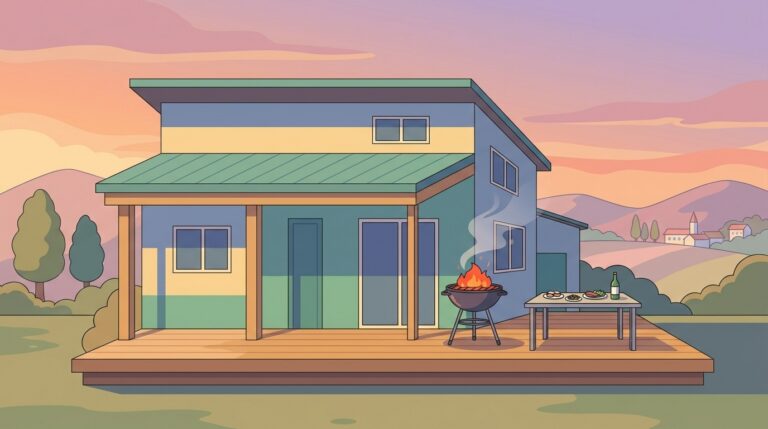
Picture this: You and your best friends have just arrived at a gorgeous riverside pension (펜션 – a Korean-style vacation cottage) in Gapyeong after a scenic train ride from Seoul. The air smells of pine trees, and your tote bags are packed with thick pork belly (삼겹살), garlic, and instant ramyeon. You are ready for the quintessential K-Drama evening—grilling meat outdoors under glowing string lights!
Just as you unpack, the friendly owner (사장님) smiles warmly and says:
“바비큐 숯불과 그릴 추가 비용은 이만 원이에요.”
You freeze. Wait, didn’t you already pay for the room online? Is this an unexpected scam? Why is charcoal extra? Don’t panic! Many foreign travelers face this exact moment of cultural confusion. In Korea, pensions operate differently from conventional city hotels: room rentals and outdoor grilling kits are almost always billed separately because charcoal lighting and grate disposal require labor and specialized fuel. In this lesson, we will master this phrase and learn how to navigate pension BBQs smoothly without any awkward hesitation.
Phase 2: Core Expressions Deep Dive
1. 바비큐 숯불과 그릴 추가 비용은 이만 원이에요 (Babikyu sutbulgwa geuril chuga biyoneun iman wonieyo)
- Pronunciation: Bah-bee-kyoo soot-bool-gwa geu-ril choo-ga bee-yong-eun ee-mahn won-ee-eh-yo (Think of sut like “suit” without the ‘t’ sound, and bul like the start of “bullet”).
- Meaning: “The extra fee for BBQ charcoal and grill is 20,000 won.”
- K-Culture Moment: You hear this in every Korean travel show, from BTS In the SOOP to 2 Days & 1 Night, whenever the cast checks into their country lodge.
- Editor’s Insight: 이만 원 (iman won) is 20,000 KRW (roughly $15 USD). The marker 추가 비용 (additional fee) is key here—it signifies an optional add-on service rather than a hidden penalty.
- Situation Spectrum: Casual: ⚠️ | Semi-formal: ✅ | Formal: ✅
- 🤔 Think About It: In many Western rentals, everything on the patio is bundled into cleaning fees. In Korea, separating the charcoal fee respects guests who choose not to grill. How does unbundling fees change consumer expectations in your home country?
2. 몇 시에 숯불 준비해 드릴까요? (Myeot sie sutbul junbihae deurilkkayo?)
- Pronunciation: Myeot shee-eh soot-bool joon-bee-hae deu-ril-gga-yo?
- Meaning: Literal: “At what time shall I prepare charcoal for you?” | Nuance: “When do you want to start eating dinner?”
- K-Culture Moment: The pension owner asks this right after check-in so they know when to light the coals outdoors.
- Editor’s Insight: Lighting lump charcoal takes 20 to 30 minutes to turn into hot embers. Answering with a precise time (e.g., “일곱 시요” – 7 o’clock) ensures optimal cooking heat when you sit down.
- Situation Spectrum: Casual: ⚠️ | Semi-formal: ✅ | Formal: ✅
- 🤔 Think About It: Notice the honorific 드릴까요 (shall I give/do for you?). Hospitality in Korea reflects deep care for timing and meal enjoyment.
3. 현금이나 계좌이체로 결제해 주세요 (Hyeongeumina gyejwai-chero gyeoljehae juseyo)
- Pronunciation: Hyun-geum-ee-na gye-jwa-ee-cheh-ro gyul-jeh-hae joo-seh-yo
- Meaning: “Please pay in cash or by bank transfer.”
- K-Culture Moment: The host handing over the grill tongs while pointing toward their bank account number taped to the kitchen counter.
- Editor’s Insight: Because pension add-ons are settled on-site directly with local caretakers, small independent pension hosts prefer cash or mobile wire transfers over foreign credit card terminals.
- Situation Spectrum: Casual: ⚠️ | Semi-formal: ✅ | Formal: ✅
- 🤔 Think About It: Korea is virtually cashless in retail, yet rural private lodgings still appreciate instant transfers (계좌이체). Why do you think peer-to-peer bank transfers remain so popular in Korea?
Phase 3: Textbook Korean vs. Real Korean
Situation 1: Asking the host to prepare the grill
- 📖 교과서 한국어 (Textbook): 바비큐 그릴을 사용할 수 있습니까? (Babikyu geurireul sayonghal su itseumnikka? – “May I use the barbecue grill?”)
- 🗣️ 진짜 한국어 (Real-life): 사장님, 바비큐 숯불 지금 피워 주실 수 있나요? (Sajangnim, babikyu sutbul jigeum piwo jusil su innayo? – “Boss, could you please light the BBQ charcoal now?”)
- 💡 왜 다를까? Textbook Korean sounds like an official military request. Real travelers address the owner warmly as 사장님 (Sajangnim) and use the verb 피우다 (piuda – to ignite/kindle coals).
Situation 2: Asking how to pay the on-site extra fee
- 📖 교과서 한국어 (Textbook): 추가 비용을 어떻게 지불해야 합니까? (Chuga biyoneul eotteoke jiboolhaeya hamnikka? – “How must I pay the additional fee?”)
- 🗣️ 진짜 한국어 (Real-life): 추가금은 어디로 보내면 돼요? (Chugageumeun eodiro bonaemyeon dwaeyo? – “Where should I send the extra fee?”)
- 💡 왜 다를까? Koreans typically say 추가금 (chugageum) instead of the lengthier 추가 비용, and naturally say 보내다 (to send via bank transfer) instead of 지불하다 (to pay).
Phase 4: K-Culture Deep Dive & Non-Verbal Manners
4-1. 눈치 (Nunchi) & Gestures
- The Two-Handed Payment: When handing over cash or showing your banking confirmation screen to the host, use both hands (or support your right wrist with your left hand). This small gesture signals respect to older hosts.
- The 30-Minute Rule: Don’t call the host when your meat is already seasoned and sitting on the table! Coals need time to heat evenly. Always notify them at least 30 minutes before your meal.
- Post-BBQ Courtesy: Leaving leftover raw meat and empty beverage cans scattered outdoors invites stray mountain cats. Gather used cans and food scraps in separate plastic bags—hosts appreciate this 센스 (thoughtful common sense) immensely!
4-2. Culture Code: The “Pension BBQ” Phenomenon
In Korea, booking a pension is practically synonymous with grilling samgyeopsal (삼겹살) and moksal (목살 – pork neck) outdoors. In TV variety shows like I Live Alone (나 혼자 산다), celebrities take road trips specifically for the evening deck barbecue. It represents healing (힐링), escaping hectic city apartments, and bonding over sizzling food in crisp country air.
Phase 5: Real-Life Roleplay Scenario
Characters:
* Alex: An exchange student visiting a pension in Gapyeong.
* 사장님 (Host): Min-su, a kind and energetic guesthouse manager.
- Alex: 사장님, 안녕하세요! 바비큐 이용하고 싶어요. (Sajangnim, annyeonghaseyo! Babikyu iyonghago sipeoyo.)
🎭 Smiles warmly while holding up grocery bags.
(“Hello boss! We would like to use the barbecue.”) -
Host: 네, 환영합니다! 바비큐 숯불과 그릴 추가 비용은 이만 원이에요. (Ne, hwanyeonghamnida! Babikyu sutbulgwa geuril chuga biyoneun iman wonieyo.)
🎭 Gestures toward the outdoor covered wooden deck.
(“Yes, welcome! The extra fee for BBQ charcoal and grill is 20,000 won.”) -
Alex: 아, 알겠습니다. 현금으로 지금 드리면 될까요? (A, algetseumnida. Hyeongeumeuro jigeum deurimyeon doelkkayo?)
🎭 Opens wallet politely.
(“Ah, understood. Can I pay you in cash right now?”) -
Host: 네, 감사합니다. 몇 시에 숯불 준비해 드릴까요? (Ne, gamsahamnida. Myeot sie sutbul junbihae deurilkkayo?)
🎭 Takes a small notepad from his apron.
(“Yes, thank you! What time should I prepare the charcoal for you?”) -
Alex: 저녁 일곱 시쯤에 부탁드려요! (Jeonyeok ilgop sijjeume butakdeuryeoyo!)
🎭 Points slightly to the sky as dusk sets in.
(“Around 7 PM in the evening, please!”) -
Host: 알겠습니다. 7시에 불 피워 놓을 테니 맛있게 드세요! (Algetseumnida. Ilgop sie bul piwo noeul teni masitge deuseyo!)
🎭 Gives a friendly thumbs-up.
(“Got it. I’ll have the fire lit at 7, so enjoy your meal!”) -
Alex: 네, 감사합니다! 혹시 집게랑 가위도 있나요? (Ne, gamsahamnida! Hoksi jipgerang gawido innayo?)
🎭 Makes a snipping motion with fingers.
(“Yes, thank you! By any chance, are there tongs and scissors as well?”) -
Host: 싱크대 아래에 다 준비되어 있어요! (Singkeudae araee da junbidoeeo isseoyo!)
🎭 Points toward the indoor kitchen.
(“Everything is prepared under the sink!”)
🔀 Interactive Choice Point
The host mentions: “바비큐 숯불과 그릴 추가 비용은 이만 원이에요.” How do you respond?
- Choice A: “너무 비싸요. 깎아 주세요.” (Neomu bissayo. Kkakka juseyo. – Too expensive. Give me a discount.)
- Feedback: ❌ Risk! Pension charcoal fees cover consumable lump coals, work gloves, wire grates, and trash cleanup. Bargaining on standard operational fees comes across as rude to hosts.
- Choice B: “몰랐어요. 그냥 안 할게요.” (Mollasseoyo. Geunyang an halgeyo. – I didn’t know. I just won’t do it.)
- Feedback: ⚠️ Bad. While allowed, you’ll miss out on the best part of the trip! A standard charcoal fee is normal across 99% of Korean pensions.
- Choice C: “네, 알겠습니다! 현금으로 드릴게요.” (Ne, algetseumnida! Hyeongeumeuro deurilgeyo. – Yes, understood! I’ll pay in cash.)
- Feedback: 🏆 Best! Demonstrates cultural awareness and sets a cheerful tone with the pension host.
Phase 6: 10-Second Emotion Shadowing Drill
Practice reading these out loud with rhythm and authentic emotional cues:
[😊 밝고 명확하게 / Cheerful & Clear]
바비큐 / 숯불과 그릴 / 추가 비용은 / 이만 원이에요.
(Babikyu / sutbulgwa geuril / chuga biyoneun / iman wonieyo.)-
[🤔 공손하게 질문하기 / Polite & Inquiring]
혹시 / 계좌이체로 / 보내드려도 / 될까요?
(Hoksi / gyejwai-chero / bonaedeuryeodo / doelkkayo?) -
[😄 신나고 기대하며 / Excited & Anticipating]
저녁 / 일곱 시에 / 숯불 / 피워 주세요!
(Jeonyeok / ilgop sie / sutbul / piwo juseyo!)
Phase 7: K-Culture Mini Dictionary
-
숯불 (Sutbul)
Literal translation: Charcoal fire.
Real usage: Refers specifically to the burning lump coals used for Korean barbecue grids, giving meats their signature smoky aroma (불향). -
불멍 (Bulmeong)
Literal translation: Fire spacing-out.
Real usage: A modern trendy compound word combining 불 (fire) and 멍때리다 (to zone out). It describes the therapeutic act of quietly staring into embers or campfires. -
계좌이체 (Gyejwai-che)
Literal translation: Account transfer.
Real usage: Direct bank-to-bank mobile wire payment. Almost every pension office displays a bank name (e.g., 농협, 국민) and account digits on the counter. -
바비큐 세트 (Babikyu Seteu)
Literal translation: Barbecue set.
Real usage: An all-inclusive kit offered by some upscale glamping spots or pensions, providing coals, grates, paper cups, ssamjang sauce, and sometimes meats.
Phase 8: Survival Kit for Travelers
TOP 3 Emergency Phrases
-
불이 좀 약해요. (Buri jom yakaeyo.)
Pronunciation: Boo-ree jom yahk-hae-yo.
Pro Tip: Use this if your charcoal is dying out before the meat finishes cooking. The host will bring extra coals (숯 추가). -
호일 좀 더 주실 수 있나요? (Hoir jom deo jusil su innayo?)
Pronunciation: Ho-il jom duh joo-shil soo eess-nah-yo?
Pro Tip: Aluminum foil (호일) is essential for wrapping sweet potatoes or garlic cloves to roast directly in the coals. -
분리수거는 어디에 해요? (Bunrisugeoneun eodie haeyo?)
Pronunciation: Boon-ree-soo-guh-neun uh-dee-eh hae-yo?
Pro Tip: Korean countryside accommodations take waste recycling seriously. Asking where to sort plastics and food waste leaves an impeccable impression.
Editor’s Travel Note
- Navigation Guide: Remote pensions often sit off main bus routes. Always install and check the Naver Map app on your phone rather than Google Maps, which lacks rural pedestrian details in Korea.
- Cash Advice: Keep 20,000 to 40,000 won in crisp paper bills in your wallet before heading out to rural Gangwon-do or Gyeonggi-do pensions.
Phase 9: “One Step Deeper” (Reflective Essay)
In Western hotels, hospitality charges are bundled into standardized invoices to minimize front-desk interactions. However, Korean pension culture thrives on a uniquely human dynamic rooted in 정 (jeong – heartfelt interpersonal bonding). The owner isn’t just an anonymous landlord; they step out into the evening chill with work gloves, light your charcoal with a blowtorch, and often hand you home-grown lettuce (상추) or handmade kimchi from their own kitchen. The separate 20,000 won fee isn’t an annoying surcharge—it represents an invitation into an authentic outdoor social tradition.
💬 Your Turn: Have you ever experienced an extra on-site accommodation fee in your travels that felt surprising at first? How does your culture handle outdoor meal preparations when traveling with friends? Share your thoughts below!
Phase 10: FAQ & Avoiding Misunderstandings
Q: Can I pay the BBQ fee with an international Visa or Mastercard?
A: Most smaller guesthouses and pensions do not have portable credit card readers on outdoor decks. If you do not have a Korean bank app for wire transfers, physical Korean cash (현금) is the safest and most welcomed option.
Q: Does the 20,000 won fee include the food and meats?
A: No! The BBQ fee covers only the hardware: the grill base, wire mesh, tongs, work gloves, and charcoal ignition. You must bring your own meat, vegetables, sauces, and drinks from a local supermarket (하나로마트).
Q: Can I bring my own personal camping grill and charcoal to save money?
A: Generally, no. Most pension wooden patios pose fire hazards. For safety reasons, pension owners strictly require guests to use the provided commercial drum grills.
🚨 흔한 실수 (Common Mistakes) Notice Board
- Mistake: Assuming the charcoal stays hot for 3 hours.
Correct Action: Peak grilling heat lasts about 45 to 60 minutes. Cook thick pork first, then follow with sausages and vegetables. - Mistake: Putting pork belly directly over roaring open flames.
Correct Action: Pork drippings cause intense flare-ups! Place meat slightly off-center or use aluminum foil to avoid charred, black meat. - Mistake: Leaving food waste outdoors overnight.
Correct Action: Seal your food waste bags (음식물 쓰레기) before sleeping to keep curious mountain raccoons and stray cats away.
Phase 11: Action Missions
- 🥉 Bronze Mission (Solo Shadowing): Practice saying “바비큐 숯불과 그릴 추가 비용은 이만 원이에요” three times in front of your mirror until the number 이만 원 rolls naturally off your tongue.
- 🥈 Silver Mission (SNS Challenge): Post a picture of your favorite K-BBQ dish on your Instagram Story and caption it: “숯불 삼겹살 먹고 싶어요!” (I want to eat charcoal pork belly!).
- 🥇 Gold Mission (Real-Life Application): Next time you stay at a pension or outdoor glamping site in Korea, request your coals entirely in Korean: “사장님, 일곱 시에 숯불 피워 주세요!”
- 🎮 K-Culture Mission: Watch an episode of BTS In the SOOP or Three Meals a Day and spot the moment the members light the coals and yell “불 피우자!”.
Phase 12: Interactive Quiz Challenge
1. Situation Judgment:
You arrive at a pension and want to barbecue at 7:30 PM. What is the most appropriate action?
(A) Call the owner at 7:29 PM and demand immediate coals.
(B) Politely tell the host around 7:00 PM: “일곱 시 반에 숯불 부탁드려요.”
(C) Buy wood from the forest and light your own fire on the bedroom balcony.
2. Fill-in-the-Blank:
추가 비용은 계좌이체나 ______으로 결제할 수 있어요. (You can pay the extra fee by bank transfer or ______.)
[Hint: Physical paper money]
3. True or False:
The 20,000 won BBQ fee includes 2 servings of pork belly and kimchi. (True / False)
👉 Click to reveal answers and explanations!
- Answer: (B) Coals take 20 to 30 minutes to reach optimal cooking temperature. Giving advance notice is basic etiquette!
- Answer: 현금 (Hyeongeum – Cash). Physical cash or direct bank transfers (계좌이체) are standard on-site payment methods.
- Answer: False. The fee only covers the charcoal, grill hardware, and cleanup setup. You must purchase your own ingredients at a grocery store.







