

Phase 1: 공감 (Empathy & Opening)
안녕하세요! 매일한글 에디터입니다. Have you ever stared at a Korean menu during a K-drama marathon or while wandering through a bustling street market in Seoul, completely frozen by the letter combinations? You see something that looks like an H with an extra bar, or vowels smashed together like a puzzle. One of the most infamous stumbling blocks for absolute beginners is the compound vowel 에 (e)—especially when combined with the consonant ㄱ (g) to make 게 (ge).
Picture this: you are sitting at a seaside tent in Busan, starving, and you want to order Korea’s famous marinated crab. You try reading the sign: “게… 뭐였더라?” Is it pronounced “gay”, “geh”, or “gee”? Don’t worry, you are not alone! Hundreds of our beginner students told us they felt overwhelmed by compound vowels. But once you break down 에 (e) using everyday sound shortcuts, reading syllables like 게 (ge) becomes second nature. Let’s conquer it together today!
Phase 2: 핵심 표현 3선 심층 분석 (Core Expressions Deep Dive)
1. 게 (Ge)
- Pronunciation: [Ge] (Sounds like the “ge-” in “get” or “guest”, not “gay”).
- Meaning: Literal: “Crab” | Nuance: Can refer to the crustacean itself, or act as a contracted spoken form of ‘것이’ (thing/item) in everyday conversational grammar.
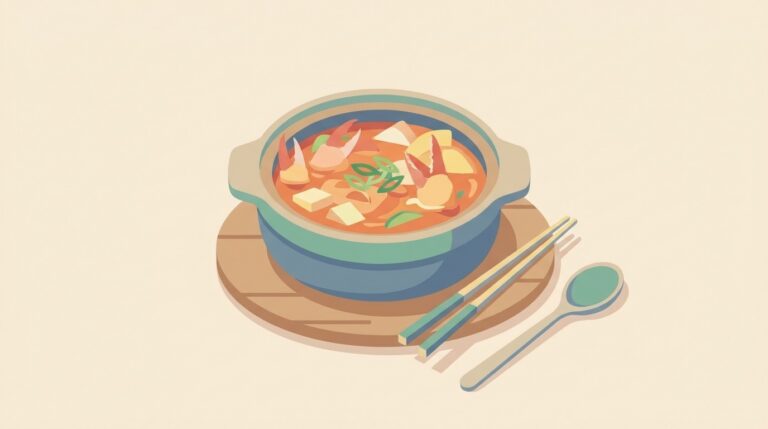
- K-Culture Moment: In food variety shows and K-dramas like When the Camellia Blooms, characters frequently travel to coastal spots to eat spicy crab stew (꽃게탕, kkot-ge-tang). Hearing someone yell “게 맛있다!” means “This crab is delicious!”
- Editor’s Insight: While 게 is a delicious sea creature, in rapid daily speech, you will hear Koreans say 게 as a shortcut for 것이 (e.g., 이게 [i-ge] = this thing).
- Situation Spectrum: Casual ✅ | Semi-formal ✅ | Formal ✅
- 🤔 Think About It: Why does Korean combine small concepts like “thing” and “subject marker” into tiny sound-bites like 게? What does that say about the fast-paced, efficiency-loving culture of modern Korea?
2. 맛있게 드세요! (Mas-it-ge deuseyo!)
- Pronunciation: [Mas-it-ge deu-se-yo] (Rhymes closely with “ma-sheet-geh dew-seh-yo”).
- Meaning: Literal: “Eat deliciously!” | Real Nuance: “Enjoy your meal!” or “Bon appétit!”
- K-Culture Moment: Walk into any Korean restaurant or convenience store, and the clerk or server will hand you your tray with a bright, welcoming smile and say this exact phrase.
- Editor’s Insight: The syllable 게 (ge) here functions as an adverb maker attached to 맛있다 (delicious), turning it into “deliciously”. It embodies the host’s warm wish for your dining pleasure.
- Situation Spectrum: Casual ⚠️ (use 맛있게 먹어!) | Semi-formal ✅ | Formal ✅
- 🤔 Think About It: English speakers say “Enjoy your meal,” putting the focus on the food item itself, while Koreans say “Eat deliciously,” focusing on your active experience of savoring the flavors. Isn’t that poetic?
3. 이게 뭐예요? (Ige mwoyeyo?)
- Pronunciation: [I-ge mwo-ye-yo?] (Think of “Ee-geh mwah-yeh-yo?”).
- Meaning: Literal: “This thing, what is it?” | Real Nuance: “What is this?”
- K-Culture Moment: The quintessential phrase uttered by curious travelers at night markets when pointing at intriguing dishes like tteokbokki, blood sausage (sundae), or live seafood.
- Editor’s Insight: 이게 is the natural contraction of 이것이 (i-geos-i). Pronouncing the clean -ge sound makes you sound 10 times more natural than stiff textbook language.
- Situation Spectrum: Casual ⚠️ (with friends: 이게 뭐야?) | Semi-formal ✅ | Formal ⚠️
- 🤔 Think About It: Notice how Korean drops stiff syllables in favor of fluid vowels like 에 to keep conversations rhythmic and musical.
Phase 3: 교과서 한국어 vs 진짜 한국어 (Textbook vs. Real Korean)
Situation 1: Asking what a menu item is at a restaurant
- 📖 교과서 한국어 (Textbook): 이것은 무엇입니까? (Igeoseun mueosimnikka?)
- 🗣️ 진짜 한국어 (Real-life): 이게 뭐예요? (Ige mwoyeyo?)
- 💡 왜 다를까?: The textbook version belongs in a military briefing or a national news broadcast. Real locals use the contracted 이게 (ige) for smooth, friendly dialogue.
Situation 2: Wishing a colleague or friend a good lunch
- 📖 교과서 한국어 (Textbook): 식사를 맛있게 하십시오. (Siksareul mas-it-ge hasipsio.)
- 🗣️ 진짜 한국어 (Real-life): 맛있게 드세요! (Mas-it-ge deuseyo!)
- 💡 왜 다를까?: 식사를 하십시오 is overly rigid for daily social life. 맛있게 드세요! strikes the sweet spot of politeness, warmth, and natural rhythm.
Phase 4: K-Culture 딥다이브 & 비언어적 매너 (Culture Deep Dive & Mannerisms)
4-1. 눈치 (Nunchi) & Body Gestures
When saying 맛있게 드세요 (Mas-it-ge deuseyo) or asking 이게 뭐예요? (Ige mwoyeyo?), your non-verbal cues carry massive weight:
* The Two-Handed Hand-off: If you are passing an item or receiving food, support your right wrist or forearm with your left hand, accompanied by a polite 15-degree head bow.
* Soft Pointing: Never point directly at food or a person with an aggressive index finger. Instead, turn your palm slightly upward and motion toward the dish politely while asking “이게 뭐예요?”.
4-2. Culture Code: The Legend of ‘게장’ (Gejang)
In Korea, raw crab marinated in soy sauce (간장게장, ganjang gejang) or spicy chili paste (양념게장, yangnyeom gejang) carries the affectionate cultural nickname 밥도둑 (bap-do-duk), which translates to “Rice Thief.” Why? Because the crab is so intensely savory that your bowl of steamed rice vanishes before you even realize it! When you visit places like Yeosu or Mapo, spotting the letter 게 on banners guarantees an authentic culinary adventure.
Phase 5: 실전 롤플레이 시나리오 (Real-World Roleplay)
- Setting: A lively coastal restaurant in Sokcho. The scent of sizzling seafood and broth fills the air.
- Characters: You (an excited traveler) & Imo (이모 – the warm-hearted restaurant auntie).
- You: 저기요, 이게 뭐예요? (Jeogiyo, ige mwoyeyo?)
🎭 Points gently with an open palm toward a steaming pot on the next table. - Imo: 아, 저거? 얼큰한 꽃게탕이야! (A, jeogeo? Eolkeunhan kkot-ge-tang-i-ya!)
🎭 Smiles broadly, wiping her hands on her apron. - You: 게… 꽃게탕 맞아요? (Ge… kkot-ge-tang maj-ayo?)
🎭 Carefully articulates the ‘게 (ge)’ sound to check pronunciation. - Imo: 맞아, 게! 살이 꽉 찼어. 아주 맛있어! (Maja, ge! Sari kkwak chasseo. Aju mas-isseo!)
🎭 Thumbs up enthusiastically. - You: 그럼 꽃게탕 하나 주세요! (Geureom kkot-ge-tang hana juseyo!)
🎭 Nods with a bright smile. - Imo: 그래, 금방 해줄게! (Geurae, geumbang hae-jul-ge!)
🎭 Hustles over to the open kitchen with speed. - Imo: 자, 나왔어요. 맛있게 드세요! (Ja, nawasseoyo. Mas-it-ge deuseyo!)
🎭 Places a bubbling pot with fresh red crab and herbs on your portable stove. - You: 와, 감사합니다! 잘 먹겠습니다! (Wa, gamsahamnida! Jal meokgetseumnida!)
🎭 Bows head lightly with both hands placed neatly on the table lap.
🔀 인터랙티브 분기점 (Interactive Decision Point)
The food arrives steaming hot! How do you respond to Imo as she walks away?
- Option A: “어이! 더 줘!” (Eoi! Deojwo!)
- 🚫 Bad: Very rude! Sounds like you’re barking orders in an old historical drama villain tone.
- Option B: “식사를 진행하십시오.” (Siksareul jinhaenghasipsio.)
- ⚠️ Risk: Bizarrely stiff textbook language. Imo will laugh and wonder if you work for government protocol.
- Option C: “감사합니다, 맛있게 먹을게요!” (Gamsahamnida, mas-it-ge meogeulgeyo!)
- ✅ Best: Perfect! Polite, warm, and natural. Imo might even bring you a free soft drink (서비스, service)!
Phase 6: 10초 감정 섀도잉 드릴 (10-Second Emotional Shadowing Drill)
Follow the slash marks / for brief breath pauses and match the emotional vibe:
[🤔 호기심 가득하게 / Full of curious wonder]- 저기요, / 이게 / 뭐예요? (Jeogiyo, / ige / mwoyeyo?)
[🦀 기대감과 침 꼴깍 / Eager and mouthwatering]- 꽃게탕 / 진짜 / 맛있겠다! (Kkot-ge-tang / jinjja / mas-it-get-da!)
[😊 따뜻하고 정중하게 / Warm, welcoming, and sincere]- 네, / 맛있게 / 드세요! (Ne, / mas-it-ge / deuseyo!)
Phase 7: K-Culture 미니 사전 (Mini Dictionary)
- 게 (Ge): Crab. | Widely used on food signs, seafood markets, and menus across Korea.
- 가게 (Ga-ge): Shop / Store. | Notice the second syllable uses the same sound! E.g., 옷가게 (ot-ga-ge = clothes shop).
- 게장 (Ge-jang): Marinated Crab. | A signature Korean delicacy preserved in soy sauce or red pepper sauce.
- 이게 (I-ge): This thing (Contracted subject form). | Crucial conversational building block for asking questions.
Phase 8: 여행자를 위한 생존 키트 (Traveler’s Survival Kit)
Top 3 Survival Phrases
- 이게 게예요? (I-ge ge-ye-yo?)
- Pronunciation: [I-ge ge-ye-yo?]
- Pro Tip: Use this if you have seafood allergies to confirm whether a dish contains crab stock or crab meat!
- 맛있게 만들어 주세요! (Mas-it-ge mandeul-eo juseyo!)
- Pronunciation: [Mas-it-ge man-deul-eo ju-se-yo!]
- Pro Tip: Say this playfully at street food stalls. Vendors love hearing tourists appreciate good flavor.
- 이 가게 유명해요? (I ga-ge yu-myeong-hae-yo?)
- Pronunciation: [I ga-ge yu-myeong-hae-yo?]
- Pro Tip: A great icebreaker to ask locals waiting in line outside a trendy cafe or eatery.
Editor’s Travel Note
When navigating Korean streets, Google Maps often provides outdated public transit data. We strongly recommend downloading the 네이버 지도 앱 다운로드 to search for reputable crab restaurants (게장 맛집) with verified visitor reviews. Also, almost all small shops accept credit cards or T-money transit cards, but carrying 10,000 KRW in cash is handy for coastal food trucks!
Phase 9: “한 발 더 깊이” (Deep Reflection)
In Korean, the suffix -게 (-ge) transforms descriptive feelings into active ways of living—like turning 맛있다 (tasty) into 맛있게 (delightfully/deliciously), or 행복하다 (happy) into 행복하게 (happily). This linguistic bridge mirrors the Korean concept of 정 (Jeong) and communal bonding: meals and moments are meant to be actively enjoyed together, not consumed in solitary rush.
💬 Your Turn: What Korean food containing 게 (crab) or found in a charming 가게 (shop) are you most excited to try on your upcoming trip? Share with us in the comments below!
Phase 10: FAQ & 흔한 실수 방지 (FAQ Schema & Common Mistakes)
Q: What is the real sound difference between ‘애 (ae)’ and ‘에 (e)’?
A: Historically, ‘애’ was an open “a” sound (like “apple”), and ‘에’ was a mid vowel (like “egg”). However, in modern standard Korean spoken by Seoul natives under 50, both vowels sound practically identical (similar to “bed”). Don’t stress over hearing a difference; focus on memorizing the written spelling of individual words like 게 (crab)!
Q: Why do people pronounce ‘이게’ as ‘이거’ sometimes?
A: 이거 (i-geo) is “this thing” as an object or neutral noun, while 이게 (i-ge) is “this thing” combined with the subject marker (-이). When asking “이게 뭐예요?”, 이게 is preferred because “this” is the grammatical subject of what you are identifying.
Q: Can I say ‘맛있게 드세요’ to my teacher or boss?
A: Absolutely! 드세요 (deuseyo) is the honorific polite form of 먹다 (to eat). It is respectful, warm, and entirely appropriate for elders, bosses, teachers, and service staff.
🚨 흔한 실수 (Common Mistakes) 경고판
- ❌ Mistake 1: Pronouncing 게 (ge) as English “gay” or “gee”.
- ✅ Correct Action: Keep your lips relaxed and tongue mid-height. Say “get” without the “t” -> Ge.
- ❌ Mistake 2: Writing crab as “개”.
- ✅ Correct Action: 개 (gae) means dog! Writing “개 요리” instead of “게 요리” will lead to a very awkward misunderstanding at a restaurant!
- ❌ Mistake 3: Saying 맛있게 먹어! to a restaurant owner or elder.
- ✅ Correct Action: Always use the polite ending 맛있게 드세요! unless speaking to a younger sibling or close friend.
Phase 11: 액션 미션 & 참여 유도 (Action Missions)
- 🥉 Bronze Mission (Solo Practice): Look in a mirror and say “게, 가게, 맛있게!” 5 times in under 10 seconds without twisting your tongue.
- 🥈 Silver Mission (Social Media): Take a photo of your lunch today and post an Instagram Story with the caption: “맛있게 드세요! 🍽️” tagging your Korean study buddy.
- 🥇 Gold Mission (Real-world Challenge): Next time you visit a Korean restaurant or grocery store, ask the staff: “저기요, 이게 뭐예요?” with a friendly smile!
- 🎮 K-Culture Mission: Watch an episode of a Korean cooking show (like Baek Jong-won’s food travel series) and count how many times subtitles display the syllable 게!
Phase 12: 인터랙티브 퀴즈 챌린지 (Interactive Quiz Challenge)
1. Situation Quiz
You are sitting at a seaside market stall. The vendor serves a steaming bowl of spicy soup with a whole blue crab. What is the most natural, polite phrase to say right before picking up your spoon?
* A) 이게 개예요? (Ige gaeyeyo?)
* B) 잘 먹겠습니다! 맛있게 드세요! (Jal meokgetseumnida! Mas-it-ge deuseyo!)
* C) 식사를 종료합니다. (Siksareul jongnyohamnida.)
2. Fill in the Blank
Complete the spelling for the word “Store/Shop”:
* 가____ (Ga-____)
3. True / False Cultural Check
- True or False: Marinated crab is called “밥도둑 (Rice Thief)” in Korea because it is known to be overly expensive.
👉 Click here for Answers and Explanations!
- Answer: B
- Explanation: Saying 잘 먹겠습니다 (I will eat well / Thank you for the meal) and 맛있게 드세요 to those dining with you is the golden standard of Korean dining manners. Option A mistakenly uses ‘개’ (dog), which is a huge mistake!
- Answer: 게 (게 -> 가게 / Ga-ge)
- Explanation: The compound vowel ㅔ combined with consonant ㄱ completes the word 가게 (shop).
- Answer: False
- Explanation: It’s called “Rice Thief” because it is so savory and delicious that you finish your whole bowl of rice without even noticing!
- Explanation: It’s called “Rice Thief” because it is so savory and delicious that you finish your whole bowl of rice without even noticing!







