Phase 1: 공감 (Story-driven Opening)
안녕하세요! 매일한글 에디터입니다.
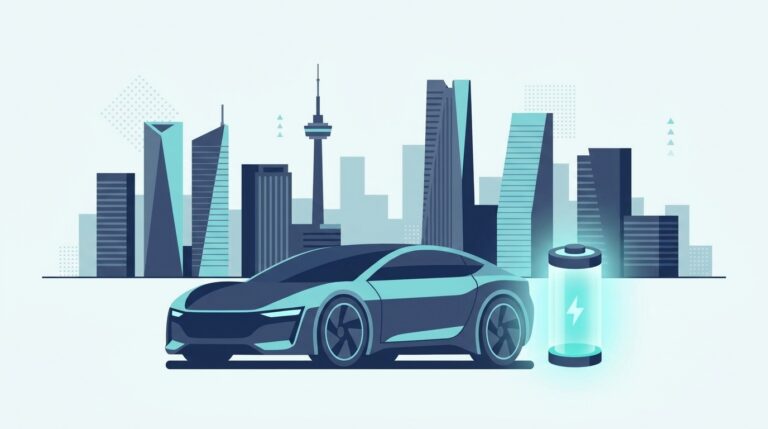
Imagine this: You are sitting across from sharp, suit-clad executives in a sunlit conference room overlooking the bustling streets of Teheran-ro in Gangnam, or perhaps inside a futuristic R&D hub in Pangyo Techno Valley. The slide on the projector displays complex diagrams of secondary cells, cathode materials, and gigafactory timelines. Suddenly, your Korean business partner leans in, lowers his voice with palpable tension, and says, “경쟁사와의 초격차를 유지하려면 이번 전고체 상용화 일정을 무조건 앞당겨야 합니다.” You catch the word “전고체” (solid-state), but the sheer intensity and high-altitude business nuance leave you nodding blankly. Sound familiar?
If you have ever followed high-stakes Korean business dramas like Queen of Tears, Reborn Rich, or Search: WWW, you know that corporate power struggles in Korea revolve around dominating future technology. Today, that battlefield is the electric vehicle (EV) battery race. Many C1 learners who have perfected everyday Korean suddenly hit a wall when confronted with high-tech mobility boardroom debates. This guide draws upon real corporate communication workshops I have led with multinational engineers and executives in Seoul. Master these high-level linguistic tools, and you will transform from an outsider relying on English slides into an influential, culturally astute insider who commands respect in Korea’s most competitive industries.
Phase 2: 핵심 표현 3선 심층 분석
1. 초격차를 유지하다 (Chogyeokchareul yujihada)
- Pronunciation: [Cho-gyeok-cha-reul yu-ji-ha-da] (Think of cho as the punchy sound in “choke”, gyeok like “puck” with a soft ‘g’, and cha as in “chai” tea).
- Meaning: Literal: “To maintain an ultra-gap” | Real Nuance: To sustain a completely unassailable technological lead that competitors cannot bridge even if they try.
- K-Culture Moment: Frequently used in Korean business news and corporate dramas (Midas, Reborn Rich) when a tech conglomerate chairperson announces an aggressive multi-trillion won R&D push against global rivals.
- Editor’s Insight: Originating from Samsung’s legendary management doctrine, “초격차” (super-gap) goes far beyond simply “staying ahead” (우위를 점하다). It embodies an existential corporate mindset in Korea: if you are not miles ahead, you will eventually be crushed.
- Situation Spectrum: Casual: 🚫 | Semi-formal: ⚠️ | Formal: ✅
- 🤔 Think About It: Why does Korean industry prioritize “super-gaps” rather than mere “differentiation”? Reflect on how Korea’s export-driven history shaped this zero-sum vocabulary.
2. 판도를 바꾸다 (Pandoreul bakkuda)
- Pronunciation: [Pan-do-reul bak-ku-da] (Pronounce pan like “pun”, do as in “dough”, and bak-ku like the sharp snap of “back-cool”).
- Meaning: Literal: “To change the domain map” | Real Nuance: To completely reshape the competitive landscape; to be a genuine game-changer.
- K-Culture Moment: In mobility tech documentaries, commentators frequently say, “LFP 배터리가 시장의 판도를 바꾸고 있습니다” (LFP batteries are reshaping the market landscape).
- Editor’s Insight: “판도” (判圖) originally refers to a map of territorial control. When combined with “바꾸다”, it sounds far more strategic and commanding than simply “상황이 바뀌다” (the situation changes). C1 speakers use this to articulate high-level market disruption.
- Situation Spectrum: Casual: ⚠️ | Semi-formal: ✅ | Formal: ✅
- 🤔 Think About It: In your native language, do business idioms borrow more from military conquest, card games, or sports? Notice how Korean naturally leans into geographic territorial shifts.
3. 상용화에 박차를 가하다 (Sangyonghwae bakchareul gahada)
- Pronunciation: [Sang-yong-hwa-e bak-cha-reul ga-ha-da] (Rhyme sang with “song”, yong with “yawn”, and pronounce bak-cha like clicking a horse’s spur with a crisp ‘k’).
- Meaning: Literal: “To apply spurs to commercialization” | Real Nuance: To decisively accelerate the transition from laboratory research into mass market production.
- K-Culture Moment: EV battery CEO keynote speeches at conferences like InterBattery Seoul invariably culminate in this exact phrase when announcing next-generation roadmaps.
- Editor’s Insight: “박차를 가하다” (to spur a galloping horse) is an exquisite classical idiom. Pairing it with a modern technological noun like “상용화” (commercialization) signals sophisticated C1 register mastery.
- Situation Spectrum: Casual: 🚫 | Semi-formal: ⚠️ | Formal: ✅
- 🤔 Think About It: How does incorporating classical equestrian metaphors into modern EV battery discussions elevate the speaker’s gravitas in your culture?
Phase 3: 교과서 한국어 vs 진짜 한국어
Situation 1: Describing cutthroat price competition in EV batteries
- 📖 교과서 한국어: 이 분야의 기업 간 가격 경쟁이 매우 치열합니다. (I bun-ya-ui gieop gan gagyeok gyeong-jaeng-i maeu chi-yeol-ham-nida. / The price competition among companies in this field is very fierce.)
- 🗣️ 진짜 한국어: 지금 글로벌 시장이 완전 치킨게임 양상으로 치닫고 있어요. (Jigeum geullobeol sijang-i wanjeon chikin-ge-im yang-sang-euro chi-dat-go isseoyo. / Right now, the global market is hurtling into a full-blown chicken game.)
- 💡 왜 다를까?: Native Korean analysts rarely stick to textbook dryness like “치열합니다”. They readily import dynamic business concepts like “치킨게임” (game of chicken) combined with high-grade verbs like “치닫다” (to hurtle toward an extreme outcome) to emphasize urgency.
Situation 2: Predicting a paradigm-shifting new battery cell
- 📖 교과서 한국어: 이 배터리는 성능이 아주 뛰어나서 시장에서 성공할 것입니다. (I baeteori-neun seongneung-i aju ttwieo-naseo sijang-eseo seong-gong-hal geos-imnida. / This battery has excellent performance and will succeed in the market.)
- 🗣️ 진짜 한국어: 이번 신형 셀이 향후 모빌리티 판을 뒤흔들 게임체인저가 될 공산이 큽니다. (Ibeon sinhyeong ser-i hyanghu mobilliti pan-eul dwiheundeul ge-im-cheinjeo-ga doel gongsan-i keumnida. / There is a strong probability that this new cell will be the game changer that shakes up the mobility scene.)
- 💡 왜 다를까?: At the C1 level, replacing elementary phrasing like “성공할 것입니다” with “~될 공산이 큽니다” (high probability of becoming) reflects executive precision, while “판을 뒤흔들다” conveys dramatic industrial impact.
Phase 4: K-Culture 딥다이브 & 비언어적 매너
4-1. 눈치 (Nunchi) & Tech Meeting Gestures
In Korean automotive and high-tech boardrooms, non-verbal delivery carries as much weight as technical specs. When disagreeing with a counterpart’s battery density claim, never point your finger or shake your head directly. Instead, employ the classic Korean technical hesitation: tilt your head by roughly 10 degrees, gently clasp your hands atop your notebook, and draw a slow breath through your teeth before speaking. When presenting comparative market data, hold your laser pointer or tablet stylus with both hands, or support your right elbow with your left hand. This physical cue conveys both utmost professional deference and profound confidence in your technical findings.
4-2. 문화 코드 분석: The Pangyo-Yeouido Axis & The Battery Pride
Koreans view secondary batteries (이차전지) not merely as car parts, but as the nation’s “Second Semiconductor” (제2의 반도체)—a crucial pillar of national economic sovereignty. In dramas like Agency or Misaeng, you witness how deeply corporate identity intertwines with national pride. When discussing battery tech with Korean colleagues, acknowledging this patriotic undercurrent will immediately forge camaraderie. Referencing battery hubs like Ochang or Pohang exhibits insider cultural literacy that textbooks never touch.
Phase 5: 실전 롤플레이 시나리오
Setting: A sleek conference room at a Korean battery tier-1 supplier headquarters in Pangyo.
Characters:
* 박 팀장 (Team Leader Park): Head of Advanced Mobility Strategy, sharp, analytical, yet warmly respectful.
* 알렉스 (Alex – You): Global OEM procurement and strategic partnerships director.
- 박 팀장: 알렉스 님, 이번 북미 전기차 라인업에 들어갈 셀 폼팩터 결정 건, 내부적으로 조율이 좀 되셨습니까? (Alex-nim, ibeon bungmi jeongicha rain-eob-e deureogal sel pompaekteo gyeoljeong geon, naebujeog-euro joyur-i jom doesyeosseumnikka?)
🎭 Hands Alex a freshly printed strategic roadmap while maintaining attentive eye contact.
“Alex, regarding the cell form factor decision for the North American EV lineup, have you coordinated internally?” -
알렉스: 네, 박 팀장님. 저희도 LFP 채택을 검토했으나, 결국 하이니켈 삼원계 배터리로 가닥을 잡았습니다. (Ne, Park timjangnim. Jeohwido LFP chaetaeg-eul geomtohaesseuna, gyeolguk hainikel sam-won-gye baeteori-ro gadag-eul jabasseumnida.)
🎭 Slightly nods while pointing gently at the third quadrant of the slide with an open palm.
“Yes, Team Leader Park. We considered LFP adoption, but ultimately aligned our direction toward high-nickel ternary batteries.” -
박 팀장: 역시 그렇군요! 에너지 밀도와 주행거리 면에서 경쟁사 대비 초격차를 확보하려면 불가피한 선택이었을 겁니다. (Yeoksi geureokunyo! Eneoji mildo-wa juhaenggeori myeon-eseo gyeongjaengsa daebi chogyeokchareul hwakbo-haryeomyeon bulgahpihan seontaeg-ieosseul geomnida.)
🎭 Smiles subtly, leaning forward on the table.
“I knew it! To secure an unassailable gap over competitors in energy density and range, that was an inevitable choice.” -
알렉스: 맞습니다. 다만 고객사 입장에서는 원가 절감과 열폭주 방지 기술의 검증이 여전히 관건입니다. (Masseumnida. Daman gogaeksa ibjang-eseoneun wonga jeolgam-gwa yeolpokju bangji gisur-ui geomjeung-i yeojeonhi gwangeon-imnida.)
🎭 Maintains an open, composed posture, speaking in an even, measured tone.
“Precisely. However, from our perspective, cost reduction and validation of thermal runaway prevention technology remain paramount.” -
박 팀장: 그 부분은 저희도 철저히 대비하고 있습니다. 모듈리스 CTP 기술을 적용해 원가를 획기적으로 낮췄거든요. (Geu bubun-eun jeohwido cheoljeohi daebi-hago isseumnida. Modyulliseu CTP gisureul jeok-yonghae wongareul hoekgijeog-euro natchwotgeodeunyo.)
🎭 Taps the table lightly with two index fingers to emphasize structural efficiency.
“We are thoroughly prepared on that front. By applying module-less CTP technology, we drastically cut costs.” -
알렉스: 흥미롭네요. 그 기술이 상용화에 박차를 가한다면 차세대 모빌리티 시장의 판도를 완전히 바꿀 수 있겠어요. (Heungmiromneyo. Geu gisur-i sangyonghwae bakchareul gahandamyeon chasaedae mobilliti sijang-ui pandoreul wanjeonhi bakkul su itgesseoyo.)
🎭 Leans in with genuine intrigue, placing his notepad squarely in front of him.
“Fascinating. If that technology accelerates commercialization, it could completely change the game in next-gen mobility.” -
박 팀장: 바로 그 지점입니다! 저희 R&D 센터에서 전고체 파일럿 라인 가동도 앞두고 있으니, 오늘 기술 실사를 함께 보시죠. (Baro geu jijeom-imnida! Jeohwi R&D senteo-eseo jeongoche pailleot rain gadong-do apdugo isseuni, oneul gisul silsareul hamkke bosijo.)
🎭 Stands up smoothly and gestures toward the technical inspection lab entrance.
“That’s the exact point! Our R&D center is about to spin up the solid-state pilot line, so let’s inspect the technical testing together today.” -
알렉스: 좋습니다. 현장 데이터를 보면서 수율 안정화 방안에 대해 더 깊이 논의해 보시죠. (Joeusseumnida. Hyeonjang deiteoreul bomyeonseo suyul anjeonghwa bang-an-e daehae deo gipi non-uihae bosijo.)
🎭 Stands up briskly, buttoning his jacket as a polite sign of readiness.
“Sounds excellent. Let us examine the live data and discuss yield stabilization measures in greater depth.”
🔀 Interactive Choice Junction
Now it’s your turn. Team Leader Park asks: “알렉스 님, 중국계 배터리 제조사의 LFP 저가 공세에 대해 본사에서는 어떻게 평가하고 계십니까?” (Alex, how is your HQ evaluating the low-cost LFP offensive from Chinese makers?)
- Option A: “별로 위협적이지 않다고 봅니다. 기술 수준이 낮아서 우리 하이니켈 배터리와는 경쟁이 안 됩니다.” (We don’t consider them threatening. Their tech level is low, so they can’t compete with our high-nickel batteries.)
- Option B: “단기적으로는 가격 경쟁력 때문에 점유율 방어가 만만치 않겠으나, 결국 프리미엄 시장에서는 안전성과 에너지 밀도 면의 초격차가 승패를 가를 것으로 판단하고 있습니다.” (In the short term, defending market share won’t be easy due to their cost competitiveness, but we assess that in the premium segment, the super-gap in safety and energy density will ultimately decide victory.)
- Option C: “글쎄요, 저희는 그냥 엔지니어들이 시키는 대로 스펙 맞춰서 배터리를 살 뿐이라 잘 모르겠습니다.” (Well, we just buy batteries matching specs as engineers tell us, so I’m not really sure.)
Feedback:
* Option A (Risk): Dismissing competitors as “technologically inferior” sounds arrogant and ignores market realities. Korean execs respect pragmatism, not reckless bravado.
* Option B (Best): Outstanding C1 execution. Balances realistic acknowledgment of cost pressure with high-register analysis (“초격차가 승패를 가를 것”). Builds tremendous strategic credibility.
* Option C (Bad): Disqualifies you as an executive peer. Submissive and passive language erodes your standing in high-level partnerships.
Phase 6: 10초 감정 섀도잉 드릴
Practice these lines using the emotional cues and pause slashes (/) to build authentic executive delivery.
[👔 단호하고 전략적인 어조 / Firm and strategic tone]
“원가 절감도 중요하지만, / 결국 기술적 초격차를 유지하는 것만이 / 유일한 생존 전략입니다.”
(Wonga jeolgam-do jung-yohajiman, / gyeolguk gisuljeok chogyeokchareul yujihaneun geosman-i / yu-ilhan saengjon jeollyak-imnida.)
(Cost reduction is important, / but ultimately, maintaining the technological super-gap / is our only survival strategy.)-
[🔥 결의에 찬 어조 / Resolute and forward-looking tone]
“차세대 전고체 배터리 상용화에 / 박차를 가해 / 글로벌 모빌리티 판도를 / 완전히 뒤집겠습니다.”
(Chasaedae jeongoche baeteori sangyonghwa-e / bakchareul gahae / geullobeol mobilliti pandoreul / wanjeonhi dwijipgesseumnida.)
(By accelerating commercialization of next-gen solid-state batteries, / we will completely overturn / the global mobility landscape.) -
[🤝 정중하면서도 분석적인 어조 / Polite yet analytical tone]
“초기 수율 안정화 여부가 / 이번 프로젝트의 성패를 가를 / 핵심 변수로 작용할 공산이 큽니다.”
(Chogi suyul anjeonghwa yeobu-ga / ibeon peurojekteu-ui seongpaereul gareul / haeksim byeonsuro jag-yonghal gongsan-i keumnida.)
(Whether initial yields stabilize / has a strong probability of acting as the key variable / that decides this project’s success.)
Phase 7: K-Culture 미니 사전
-
전고체 배터리 (Jeon-go-che Bae-teo-ri) | Solid-state battery
Known in Korean tech boardrooms as the “dream battery” (꿈의 배터리) because it replaces liquid electrolyte with solid materials, radically cutting fire risk and elevating energy density. Dropping this word immediately establishes your technical command. -
수주 잔고 (Su-ju Jan-go) | Order backlog / Cumulative order balance
Crucial corporate metric. Korean battery giants (LG Energy Solution, SK On, Samsung SDI) pride themselves on their “수주 잔고”, often measured in hundreds of trillions of won. Used when discussing future plant expansions and OEM partnerships. -
원통형 배터리 (Won-tong-hyeong Bae-teo-ri) | Cylindrical battery (e.g., 4680 cells)
Literally “cylinder-type battery”. Contrast this with “각형” (prismatic) and “파우치형” (pouch). Knowing these three form factor terms marks the boundary between beginner car talk and industrial discourse. -
내재화 (Nae-jae-hwa) | Internalization / In-house vertical integration
Refers to automotive OEMs developing their own cell technologies or supply chains rather than relying solely on battery makers. A central point of tension in mobility negotiations.
Phase 8: 여행자를 위한 생존 키트
Whether you are visiting Seoul for the InterBattery Expo at COEX or renting an EV to cruise the coastal roads of Jeju Island, here are your essential survival tools.
Survival Expressions TOP 3
- 급속 충전소는 어디에 있나요? (Geupsok chungjeon-soneun eodie innayo?)
Pro Tip: Korea divides EV chargers into “완속” (slow/AC) and “급속” (fast/DC). Always specify “급속” if you are on the road. - 이 충전기 DC콤보 호환되나요? (I chungjeon-gi DC-kombo hohwandoenayo?)
Pro Tip: Most modern Korean EV rental fleets (Hyundai Ioniq 5/6, Kia EV6/9) use the DC Combo standard. Keep this question handy at rural rest stops. - 배터리 잔량이 10%밖에 안 남아서 급해요. (Baeteori jallyang-i sip-peosenteu-bakke an nam-aseo geuphaeyo.)
Pro Tip: Use this courteous urgency phrase when asking another driver if you can charge first at a crowded expressway service area (휴게소).
Editor’s Travel Note
- Navigating EV charging infrastructure: Download the Naver Map app and utilize its dedicated EV charging station filter, which shows real-time charger availability and connector types across Korea. For nationwide highway driving, the Kakao T app lets you check highway service stop charging status and even pay seamlessly.
Phase 9: “한 발 더 깊이” (Deep Cultural Reflection)
In Korean corporate philosophy, technology is rarely viewed as a static asset; it is treated as a dynamic, living organism that must outrun obsolescence. Korea’s rapid transformation from a war-torn economy into a global high-tech titan created the psychological phenomenon known as “추격자 콤플렉스” (fast-follower complex)—which has now evolved into an obsessive pursuit of becoming “퍼스트 무버” (first mover). When Korean executives debate EV batteries, the emotional intensity under the polished jargon reflects a collective historical drive: the deep-rooted belief that losing speed means losing sovereignty.
💬 Your Turn: How does your home country’s business culture treat technological competition? Is the focus on breakthrough innovation, steady consensus, or cost optimization? Share your thoughts below in the comments!
Phase 10: FAQ & 흔한 실수 (Common Mistakes)
Q: What is the exact difference between ‘격차’ and ‘차이’ in tech discussions?
A: While ‘차이’ (cha-i) simply means a factual difference or distinction between two things, ‘격차’ (gyeok-cha) carries the distinct nuance of an evaluative gap in level, status, or technological capability (e.g., 기술 격차 = tech gap). Always use “격차” when discussing competitive disparity.
Q: Can I use Konglish business terms like ‘게임체인저’ in formal presentations?
A: Absolutely! Contemporary Korean boardroom and media discourse actively embraces strategic English terms like “게임체인저” (game changer), “폼팩터” (form factor), and “밸류체인” (value chain). Pairing them with sophisticated Korean verbs (e.g., “게임체인저로 부상하다” – to emerge as a game changer) actually sounds natural and cutting-edge.
Q: How do I pronounce ‘LFP’ and ‘NCM’ when speaking Korean with colleagues?
A: Simply pronounce the English alphabet letters with Korean phonetic cadence: [엘에프피] (el-e-feu-pi) and [엔씨엠] (en-ssi-em). Koreans also refer to NCM/NCA as “삼원계 배터리” (ternary batteries), which refers to the three raw active elements.
🚨 Common Mistakes Alert
- Mistake: Saying “배터리를 충전했어요” when you actually meant “방전되었어요”.
Correction: “충전” (chung-jeon) is charging; “방전” (bang-jeon) is draining/discharging. Mixing them up causes major misunderstandings at rental depots! - Mistake: Using “초격차를 만들었어요” in casual speech with friends over beers.
Correction: “초격차” is an elevated strategic term. In casual daily life, say “완전 압도했어” (we totally dominated) or “비교가 안 돼” (there’s no comparison). - Mistake: Pronouncing ‘전고체’ as [Jeon-go-che] with flat vowels.
Correction: Ensure the ‘고’ is a clean, rounded ‘o’ and ‘체’ is crisp. Do not blur it into “전체” (whole/all), which completely changes the meaning.
Phase 11: 액션 미션 & 참여 유도
- 🥉 Bronze Mission (Solo Mastery): Record yourself reading the 3 Emotion Shadowing sentences in Phase 6. Listen back and check if your pauses match the
/breaks. - 🥈 Silver Mission (Social Share): Find a Korean tech news article headline containing the word “초격차” or “배터리”, screenshot it, and write one sentence analyzing it using “판도를 바꾸다”. Share it on your study Instagram or Twitter, tagging
#DailyHangulC1. - 🥇 Gold Mission (Real-world Application): In your next professional encounter, Korean language exchange, or written discussion, substitute the basic phrase “경쟁에서 이기다” with “초격차를 유지하다” or “모빌리티 판도를 바꾸다”.
- 🎮 K-Culture Media Mission: Watch one clip of a Korean business news channel (like 한국경제TV or 삼프로TV) covering electric vehicles. Count how many times you hear the words “수주”, “셀”, or “전고체” in 10 minutes!
Phase 12: 인터랙티브 퀴즈 챌린지
1. 상황 판단 (Situational Nuance)
You want to tell an executive that your new battery chemistry will completely disrupt the global market. Which expression sounds most natural and professional?
* (A) 이 화학 조성이 시장을 아주 신나게 만들 것입니다.
* (B) 이번 신규 배터리 조성이 글로벌 모빌리티 시장의 판도를 바꿀 핵심 동력이 될 것입니다.
* (C) 이 배터리가 다른 회사들을 다 이길 예정입니다.
2. 빈칸 채우기 (Fill in the Blank)
경쟁사들이 쉽게 따라오지 못하도록 기술적인 ( )를 유지하는 것이 당사의 최우선 과제입니다.
(Hint: An unbridgeable strategic technological gap.)
3. True or False (문화 퀴즈)
In Korean corporate discourse, referring to high-tech secondary battery manufacturing as “제2의 반도체” (the second semiconductor) implies it is viewed as a foundational industry of national strategic significance. (T / F)
👉 Click to reveal answers & explanations!
-
Answer: (B)
Explanation: (B) uses “판도를 바꿀 핵심 동력” (key driver to change the market map), which represents authentic C1 executive phrasing. (A) is awkward Konglish, and (C) is overly simplistic. -
Answer: 초격차 (Cho-gyeok-cha)
Explanation: The full phrase is “기술적인 초격차를 유지하다” (to maintain a technological super-gap). -
Answer: True (T)
Explanation: Because semiconductors rebuilt modern Korea’s export economy, designating EV batteries as “제2의 반도체” elevates them to strategic national pride status.