

Decoding Korean Webtoon Comments: How to Read the Episode Hype Like a Local
Phase 1: Empathy (Story-driven Opening)
안녕하세요! 매일한글 에디터입니다.
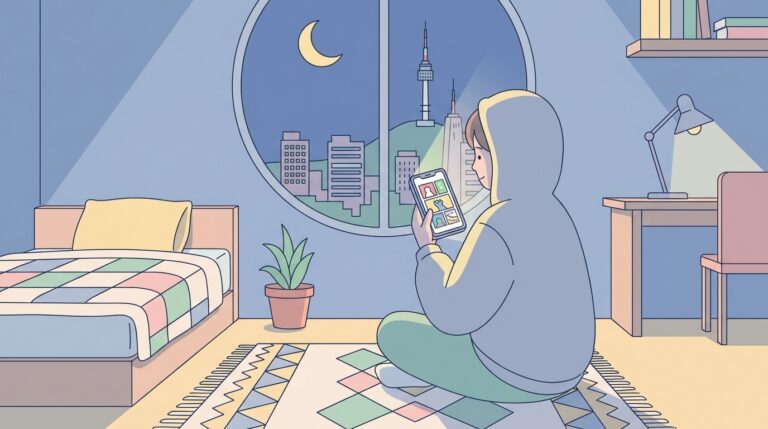
Picture this: It is exactly 10:59 PM on a Wednesday night in Seoul. You are clutching your phone in bed, refreshing the screen every three seconds. The moment the clock strikes 11:00 PM, the newest chapter of your favorite webtoon goes live. Your heart races as the protagonist confronts their greatest rival. The tension is electric—and then, suddenly, a pitch-black screen with “다음 화에 계속 (To be continued)” hits you like a truck.
Naturally, you swipe down to the comment section to commiserate with other readers. But instead of standard textbook Korean sentences, you are greeted by an avalanche of rapid-fire expressions: “와 작가님 폼 미쳤다”, “여기서 끊으시면 유죄입니다”, and “고구마 100개 먹은 기분, 사이다 시급!”
If you have reached an intermediate (B2) level in Korean, you probably understand individual words like “sweet potato” (고구마) or “cider” (사이다), yet their collective internet slang and dramatic tone leave you scratching your head. You are not alone! Hundreds of intermediate learners tell us that reading real-time Korean webtoon and web novel comments feels like decoding a secret subculture dialect. Today, we will unpack the exact vocabulary, humorous nuances, and emotional energy needed to navigate episode comment sections like a native reader.
Phase 2: Core Expressions Deep Dive
1. 작가님 폼 미쳤다 (Jakganim pom michyeotda)
- Pronunciation: [Jak-ga-nim pom mi-chyeot-da] (Sounds like “Chalk-gah-neem” + English “form” + “me-chyut-tah”)
- Meaning: Literal: “The author’s form has gone crazy.” | Actual Nuance: “The creator is performing at an absolute god-tier level! Their storytelling/art is phenomenal right now!”
- K-Culture Moment: Flooded across the top comments when a webtoon creator delivers an unbelievable plot twist or cinematic action panels that exceed all reader expectations.
- Editor’s Insight: Borrowed from the athletic concept of an athlete being “in top form,” Koreans use 폼 미쳤다 for artists, writers, and even idol performers when their execution is breathtaking.
- Situation Spectrum: Casual ✅ | Semi-formal ⚠️ | Formal 🚫
- 🤔 Think About It: In English, we might say “The author cooked!” or “Peak fiction!” How does comparing creative writing to athletic “physical form” mirror Korea’s fast-paced, high-standard culture?
2. 사이다가 시급합니다 (Saidaga sigeuphamnida)
- Pronunciation: [Sa-i-da-ga si-geup-ham-ni-da] (Sounds like “Sah-ee-dah-gah see-goop-hahm-nee-dah”)
- Meaning: Literal: “Chilsung Cider is an urgent matter.” | Actual Nuance: “We desperately need a refreshing, satisfying resolution to this injustice right this second!”
- K-Culture Moment: Posted when a scheming villain falsely accuses the main character, leaving readers suffocating in righteous anger until sweet retribution arrives.
- Editor’s Insight: In Korean pop culture, 사이다 (cider / lemon-lime soda) symbolizes the fizzy, throat-clearing feeling of swift justice, the direct antonym to 고구마 (sweet potato), which symbolizes choked frustration.
- Situation Spectrum: Casual ✅ | Semi-formal ✅ | Formal ⚠️
- 🤔 Think About It: Why do you think Korean digital culture uses sensory physical sensations (choking on starch vs. sparkling soda) to describe emotional narrative pacing?
3. 여기서 끊으시면 어떡해요 (Yeogiseo kkeuneusimyeon eotteokhaeyo)
- Pronunciation: [Yeo-gi-seo kkeu-neu-si-myeon eo-tteok-hae-yo] (Sounds like “Yuh-gee-suh kkeun-oo-she-myun uh-ttuk-heh-yo”)
- Meaning: Literal: “What are we supposed to do if you cut it here?” | Actual Nuance: “How dare you leave us on such an agonizing cliffhanger?! I cannot survive another week waiting!”
- K-Culture Moment: Left at the bottom of an episode that abruptly ends two inches before the lead characters kiss or seconds before an arrow hits its target.
- Editor’s Insight: While grammatically formatted as a complaint, this is universally recognized as the ultimate praise for a serialized writer’s storytelling grip.
- Situation Spectrum: Casual ✅ | Semi-formal ✅ | Formal ⚠️
- 🤔 Think About It: Notice the subtle presence of the honorific -시- (끊으시면) even while playfully expressing mock outrage. How does Korean etiquette preserve respect even during dramatic fan whining?
Phase 3: Textbook Korean vs. Real Korean
Situation 1: Celebrating instant revenge against a villain
- 📖 교과서 한국어: 주인공이 악당에게 통쾌하게 복수했습니다. (Juingongi akdangege tongkwaehage boksuhaetseumnida. – The protagonist avenged the villain delightfully.)
- 🗣️ 진짜 한국어: 와, 10초 만에 사이다 참교육 들어갔네요! (Wa, sip-cho mane saida chamgyoyuk deureogatneyo! – Wow, that was instant cider-grade real-education payback!)
- 💡 왜 다를까? Intermediate learners often write stiff literary summaries. Real webtoon comment sections thrive on viral hybrid neologisms like 참교육 (true education / teaching someone a harsh lesson) to express immediate emotional catharsis.
Situation 2: Warning newcomers about spoilers in the thread
- 📖 교과서 한국어: 다음 줄거리 내용을 미리 발설하지 마십시오. (Daeum julgeori naeyongeul miri balseolhaji masipsio. – Do not disclose subsequent plot details in advance.)
- 🗣️ 진짜 한국어: 스포 주의! 원작 소설 스포 있으니까 눈 감고 스크롤 내리세요. (Seupo juui! Wonjak soseol seupo isseunikka nun gamgo seukeurol naeriseyo. – Spoiler alert! Original novel spoilers ahead, close your eyes and scroll down!)
- 💡 왜 다를까? Webtoons adapted from web novels (노블코믹스) face rampant book-reader spoilers. Netizens use casual truncated alerts like 스포 주의 and playful hyperbole like 눈 감고 내리세요 to protect fellow readers.
Phase 4: K-Culture Deep Dive & Non-Verbal Manners
4-1. Nunchi & Comment Etiquette (댓글 눈치)
Reading webtoon comments is a shared communal ritual. To maintain community harmony:
* The 3-Line Spoiler Rule: If you are discussing future novel plotlines, write [스포 주의] at the top, hit Enter three to five times to create blank space, and then type your thought. Posting visible spoilers in the first preview line guarantees swift downvotes (비추천).
* Respecting the Top Comment Throne: The top comments (베스트 댓글, shortened to 베댓) represent reader consensus. Commenters employ razor-sharp wit, relatable misery, or emotional poetry to win upvotes.
4-2. The 11:00 PM Drop Culture (밤 11시 문화)
Most major platforms like Naver Webtoon update their daily rosters between 10:50 PM and 11:00 PM the night prior. Millions of university students and office workers flock to the app right before bed. This shared release schedule creates an instantaneous national watercooler conversation. When a plotline drags, reader frustration triggers widespread threats of 하차 (dropping the series), while sensational artwork prompts thousands to buy preview chapters using 쿠키 (Naver digital tokens).
Phase 5: Real-Life Roleplay Scenario
Setting: A vibrant 24-hour study cafe in Sinchon. You and your college classmate Minji (민지) are reading the midnight release of an explosive fantasy thriller webtoon.
- 민지: (휴대폰을 책상에 쾅 내려놓으며) 헐, 대박… 너 이번 주 수요 웹툰 봤어? (Heol, daebak… Neo ibeon ju suyo weptun bwasseo? – Oh my gosh, no way… Did you see this week’s Wednesday webtoon?)
- You: (동공이 흔들리며) 방금 다 읽었어. 마지막 장면 진짜 충격적이다… (Banggeum da ilgeosseo. Majimak jangmyeon jinjja chunggyeokjeogida… – I just finished it. That final panel was truly shocking…)
- 민지: (댓글 창을 빠르게 넘기며) 맞지? 베댓 보니까 다들 뒤통수 맞았다고 난리 났어! (Matji? Bedaet bonikka dadeul dwitongsu majatdago nalli nasseo! – Right? Looking at the top comments, everyone is losing their minds saying they got backstabbed!)
- You: (한숨을 푹 내쉬며) 작가님 폼 미친 건 인정하는데, 여기서 끊으시면 어떡해요… (Jakganim pom michin geon injeonghaneunde, yeogiseo kkeuneusimyeon eotteokhaeyo… – I admit the author’s form is insane, but how could they cut it off right here…)
- 민지: (격하게 고개를 끄덕이며) 내 말이! 악역이 주인공 함정에 빠뜨렸는데 사이다는 언제 나와? (Nae mari! Akyeogi juingong hamjeonge ppatturyeotneunde saidaneun eonje nawa? – Exactly! The villain trapped the protagonist, so when do we get our cider moment?)
- You: (화면을 가리키며) 완전 고구마 100개 먹은 전개잖아. (Wanjeon goguma baek gae meogeun jeongaejana. – This plot development feels like choking on 100 sweet potatoes.)
- 민지: (장난스럽게 눈을 반짝이며) 너 쿠키 구워서 다음 주 유료 미리보기 결제할래? (Neo kuki guwoseo daeum ju yuryo miribogi gyeoljehallae? – Do you want to bake some cookies and unlock next week’s paid preview?)
- You: (지갑을 꺼내며) 당연하지, 이 답답한 상태로 일주일을 어떻게 버텨! (Dangyeonhaji, i dabdaphan sangtaero iljueireul eotteoke beotyeo! – Obviously, how am I supposed to survive a whole week in this frustrated state!)
🔀 Interactive Branching Moment
Minji asks you what comment she should leave under the episode:
- Choice A: “작가님 여기서 끊으시면 유죄! 당장 다음 화 가져오세요.” (Jakganim yeogiseo kkeuneusimyeon yujoe! Dangjang daeum hwa gajyeo-oseyo.)
- Feedback: BEST. Perfectly matches the playful, mock-angry fan sentiment. It respects the author while demanding the next chapter humorously.
- Choice B: “이 만화는 서사적 개연성이 매우 부족하여 불만족스럽습니다.” (I manhwaneun seosajeok gaeyeonseongi maeu bujokhayeo bulmanjokseureopseumnida.)
- Feedback: BAD. Far too dry and academic. It reads like an essay critique rather than an engaging comment, killing the conversational vibe.
- Choice C: “원작 소설 보니까 주인공 다음 화에 각성해서 악역 다 쓸어버림.” (Wonjak soseol bonikka juingong daeum hwae gakseonghaeseo akyeok da sseureobeorim.)
- Feedback: RISK. Unmarked novel spoiler! Dropping raw plot spoilers in the thread without warning will invite aggressive downvotes and backlash.
Phase 6: 10-Second Emotion Shadowing Drill
Practice reading these authentic comments aloud with the designated pause points (/) and emotional cues:
[😱 충격과 원망 어린 목소리로]
아니 여기서 끊으시면 / 어떡해요… / 다음 주까지 어떻게 기다려! (Ani yeogiseo kkeuneusimyeon / eotteokhaeyo… / daeum jukkaji eotteoke gidaryeo! – Wait, how could you cut it off here… How am I supposed to wait until next week!)-
[🤩 통쾌하고 후련한 감탄으로]
드디어 악역 참교육 시작이다! / 사이다 원샷한 기분이에요. (Deudio akyeok chamgyoyuk sijagida! / Saida wonsyathan gibunieyo. – Finally, the villain’s harsh lesson begins! It feels like chugging a bottle of cider.) -
[👏 경외감에 찬 감탄으로]
이번 화 연출 대박이네요 / 작가님 진짜 폼 미쳤다! (Ibeon hwa yeonchul daebagineyo / jakganim jinjja pom michyeotda! – The visual direction in this chapter is incredible / The author is in absolute peak form!)
Phase 7: K-Culture Mini Dictionary
- 베댓 (Bedaet) | Best Comment (Top Comment)
- Truncated from 베스트 댓글. The highest upvoted comments pinned at the top of an episode. Setting a trend or coining a meme here brings immense internet prestige.
- 쿠키 굽다 (Kuki gupda) | Baking cookies (Buying preview chapters)
- Naver Webtoon uses digital currency called 쿠키 (Cookies). Spending money to read unreleased preview episodes is colloquially called “baking cookies.”
- 사이다 vs. 고구마 (Saida vs. Goguma) | Refreshing relief vs. Stifling frustration
- The ultimate binary in Korean storytelling. If a character is passive or victimized, it is 고구마; when they execute ruthless, clever revenge, it is 사이다.
- 하차하다 (Hachahada) | To drop a series
- Originally meaning “to get off a train or bus,” readers use this to announce they are abandoning a webtoon because the plot pacing disappointed them.
Phase 8: Expat & Traveler Survival Kit
Top 3 Webtoon Survival Expressions
- 한글: 이번 화 진짜 레전드네요. (Ibeon hwa jinjja rejeondeuneyo.)
- Romanization: Ibeon hwa jinjja rejeondeuneyo.
- Pro Tip: Use this when the artwork or twist is undeniably iconic. It translates to “This episode is a true legend.”
- 한글: 쿠키가 전혀 아깝지 않은 회차! (Kukiga jeonhyeo akkapji aneun hoecha!)
- Romanization: Kukiga jeonhyeo akkapji aneun hoecha!
- Pro Tip: High praise meaning, “This episode was worth every single cent I spent unlocking it early!”
- 한글: 제발 다음 화 미리보기 더 주세요. (Jebal daeum hwa miribogi deo juseyo.)
- Romanization: Jebal daeum hwa miribogi deo juseyo.
- Pro Tip: A desperate plea to the platform operators: “Please give us more paid preview chapters!”
Editor’s Travel Note
When commuting on the Seoul subway, you will notice half the car reading webtoons. To follow along with original releases, consider checking out the 네이버 웹툰 공식 플랫폼 or browsing the 카카오페이지 공식 웹사이트. If you hold an international credit card, in-app purchases through mobile app stores are significantly smoother than browser checkouts!
Phase 9: One Step Deeper (Reflective Prompt)
In Korean digital communities, comment sections are not mere postscripts; they are an active, collective co-authoring space. Koreans place immense value on shared emotional synchronization (공감대). When readers encounter an aggravating cliffhanger or a triumphant comeback, leaving a clever comment allows them to discharge collective stress (화 해소) and receive immediate peer validation via upvotes. The comment section turns private reading into a raucous, synchronized stadium experience.
💬 Your Turn: In your home country, do readers focus more on analyzing character psychology, or do they share memes and react to cliffhangers emotionally like Korean fans? Let us know in the comments below!
Phase 10: FAQ & Avoiding Misunderstandings
Q: Why do readers call the author “criminal” or “guilty” (작가님 유죄) when an episode ends on a cliffhanger?
A: In Korean pop fandom culture, calling someone 유죄 (guilty) is an affectionate compliment! It implies, “You made me fall so deeply in love with this story (or character) that leaving me hanging like this is practically a crime.” It is never used in real legal anger.
Q: Can I use the word “사이다 (Saida)” outside of webtoon discussions?
A: Yes! It is widely used in daily conversation. If your friend finally stands up to a rude coworker or cleanly resolves a frustrating customer service issue, you can enthusiastically exclaim: “완전 사이다다!” (That is so refreshing/satisfying!)
Q: What does “지각비 내세요” mean in the comments?
A: If a creator uploads their episode even 15 minutes past 11:00 PM, readers jokingly demand 지각비 (a tardiness fine), usually demanding that the author pay the fine by releasing two extra chapters immediately!
🚨 Common Mistakes Warning Board
- ❌ Mistake 1: Writing “이 웹툰은 맛이 없어요” to mean you dislike the plot.
- 👉 Correct Action: 맛없다 only applies to food. For disappointing plot progression, use “전개가 아쉬워요” or “스토리가 산으로 가네요” (The story is wandering into the mountains).
- ❌ Mistake 2: Dropping novel spoilers without spacing.
- 👉 Correct Action: Always write
[스포 주의]and insert multiple blank lines so mobile readers do not accidentally catch the twist.
- 👉 Correct Action: Always write
- ❌ Mistake 3: Using extreme informal slang (야, 너) directly toward the creator.
- 👉 Correct Action: Maintain playful honorifics: use 작가님 (Dear Author) followed by polite verbs like ~해주세요 even when joking.
Phase 11: Action Mission & Engagement
- 🥉 Bronze Mission (Solo Practice): Pick one episode of any Korean webtoon you enjoy. Read the top 3 comments (베댓) and translate them into English using today’s vocabulary.
- 🥈 Silver Mission (Social Share): Write an Instagram Story or X (Twitter) post praising your favorite Korean media using “작가님 폼 미쳤다!” and tag our community.
- 🥇 Gold Mission (Live Interaction): Download a Korean webtoon app, scroll to the newest chapter of an ongoing series, and post your first Korean reaction comment using either 사이다, 고구마, or 여기서 끊으시면 어떡해요!
- 🎮 K-Culture Mission: Find an ongoing romance or revenge webtoon and spot how many times the word 참교육 appears in the episode’s top comment thread.
Phase 12: Interactive Quiz Challenge
1. Situational Judgment:
The main antagonist just tricked the innocent protagonist, framing them for theft. How should you describe this frustrating chapter in the comments?
* (A) 완전 사이다 전개네요!
* (B) 작가님 폼 미쳤으니까 하차합니다.
* (C) 고구마 100개 먹은 것 같아요, 사이다가 시급합니다!
2. Fill in the Blank:
When an author delivers an extraordinarily well-written plot twist, fans praise their skill by writing:
“이번 화 연출 대박… 작가님 [ ] 미쳤다!”
3. True or False:
In Korean webtoon comment culture, posting unannounced spoilers from the original web novel is celebrated as helpful community guidance.
* (True / False)
👉 Click to reveal answers & explanations!
- Answer: (C)
- Explanation: Stifling, unjust plot developments are described as 고구마 (sweet potato), requiring an urgent dose of 사이다 (cider relief).
- Answer: 폼 (Pom)
- Explanation: The idiom is 폼 미쳤다, derived from the English word “form,” used to praise high-level creative execution.
- Answer: False
- Explanation: Dropping unannounced spoilers (스포) is considered poor etiquette (눈치 없는 행동) and will quickly get downvoted by the community.
- Explanation: Dropping unannounced spoilers (스포) is considered poor etiquette (눈치 없는 행동) and will quickly get downvoted by the community.







