

Phase 1: 공감 (Story-driven Opening)
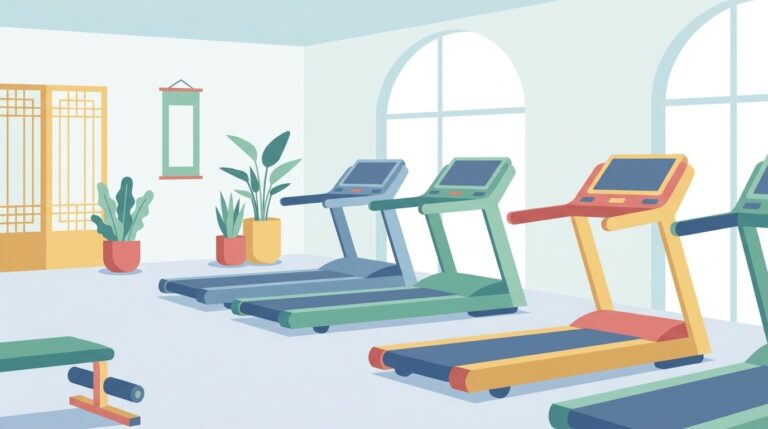
안녕하세요! 매일한글 에디터입니다. Have you ever stood outside a glowing fitness center in Seoul, peering through the glass doors while upbeat K-pop tracks beat in the background, only to hesitate because you didn’t know how to ask for a simple day pass? You are not alone! One of our beginner students, Sarah, recently shared how she walked three times around a gym in Hongdae before finally building up the courage to step inside—only to freeze when the front desk trainer warmly greeted her. Working out while traveling or living in Korea is one of the most exciting, authentic ways to experience everyday local life. From the famous selfie mirrors dedicated to fitness posts to the ultra-clean locker rooms stocked with complimentary clothes, Korean fitness culture is welcoming, vibrant, and fun. Based on real feedback from A1 learners, this guide will equip you with the essential phrases and cultural know-how so you can step into any Korean gym with total confidence and zero awkwardness.
Phase 2: 핵심 표현 3선 심층 분석 (Top 3 Core Expressions)
1. 일일권 있어요? (Irilgwon isseoyo?)
- Pronunciation: [I-ril-gwon is-seo-yo?] (Think: Ear-ill-gwon it-saw-yo)
- Meaning: Direct translation: “Is there a one-day pass?” / Natural nuance: “Do you offer day passes here?”
- K-Culture Moment: Often seen in lifestyle vlogs where K-pop idols or fitness creators visit new boutique gyms across Seoul during travel.
- Editor’s Insight: If you are not signing up for a monthly membership,
일일권(day pass) is your magic entry ticket. Korean gyms love annual memberships, but almost all commercial gyms sell day passes for around 10,000 to 20,000 KRW. - Situation Spectrum: Casual ⚠️ | Semi-formal ✅ | Formal ✅
- 🤔 Think About It: In English, we often ask “Can I buy a pass?” In Korean, asking simply whether something “exists” (
있어요?) functions as a polite request to purchase or use it.
2. 수건 어디에 있어요? (Sugeon eodie isseoyo?)
- Pronunciation: [Su-geon eo-di-e is-seo-yo?] (Think: Sue-gun uh-dee-eh it-saw-yo)
- Meaning: Direct translation: “Towel, where is it at?” / Natural nuance: “Where are the gym towels?”
- K-Culture Moment: In K-dramas, you will frequently see characters grabbing folded gym towels stacked neatly beside the front desk or locker entrance.
- Editor’s Insight: In Korea, most standard gyms provide freshly laundered towels for free! They are usually stacked in open cubbies near the front counter or locker room entrance.
- Situation Spectrum: Casual ⚠️ | Semi-formal ✅ | Formal ✅
- 🤔 Think About It: Notice the basic question frame
[Noun] 어디에 있어요?([Noun] eodie isseoyo?). You can replace수건(towel) with anything, like정수기(water purifier) or화장실(restroom)!
3. 이거 쓰세요? (Igeo sseuseyo?)
- Pronunciation: [I-geo sseu-se-yo?] (Think: Ee-guh sue-say-yo)
- Meaning: Direct translation: “Do you use this?” / Natural nuance: “Are you currently using this machine?”
- K-Culture Moment: In Korean gym variety shows (like Kim Jong-kook’s fitness channel), gym-goers politely ask this before hopping onto bench presses or cable machines.
- Editor’s Insight: People often leave their water bottles or phones on a bench while resting between sets. Rather than awkwardly waiting, point gently at the machine and ask
이거 쓰세요?. If they are finished, they will smile and step aside. - Situation Spectrum: Casual 🚫 | Semi-formal ✅ | Formal ✅
- 🤔 Think About It: Instead of asking the rigid “Are you done?”, Koreans prefer asking about your current action with respect (
쓰세요?uses the honorific suffix-시-).
Phase 3: 교과서 한국어 vs 진짜 한국어 (Textbook vs. Real-Life Korean)
Situation 1: Entering the gym and requesting to work out today
- 📖 교과서 한국어: 헬스장에 등록하고 싶습니다. (Hel-seu-jang-e deung-nok-ha-go sip-seum-ni-da. / “I desire to register at the fitness gymnasium.”)
- 🗣️ 진짜 한국어: 오늘 하루 운동할 수 있어요? (Oneul haru un-dong-hal su isseoyo? / “Can I work out just for today?”)
- 💡 왜 다를까?: The textbook phrase sounds like you are signing a military contract! Real gym-goers keep it short, casual, and focused on working out for the day.
Situation 2: Asking if someone has finished their workout set
- 📖 교과서 한국어: 이 기구 사용이 끝났습니까? (I gi-gu sa-yong-i kkeun-nat-seum-ni-kka? / “Is the utilization of this equipment completed?”)
- 🗣️ 진짜 한국어: 혹시 다 쓰셨어요? (Hok-si da sseu-syeo-sseoyo? / “By any chance, are you all done with this?”)
- 💡 왜 다를까?: Adding
혹시(hok-si / by any chance) instantly softens your question, preventing you from sounding impatient or demanding.
Phase 4: K-Culture 딥다이브 & 비언어적 매너 (Culture Deep Dive & Etiquette)
4-1. 눈치 (Nunchi) & Gym Etiquette
- The Indoor Shoes Rule: In Korean gyms, wearing the street sneakers you arrived in onto the workout floor is a major faux pas. Always bring a separate, clean pair of
실내 운동화(indoor sneakers) in your bag and change in the locker room. - The Two-Towel Courtesy: Even though towels are free, taking five towels will trigger intense side-eyes from the gym staff. General gym etiquette is strictly one towel for sweat and one for your post-workout shower.
- Wiping Down Machines: Keep a small towel on hand to wipe down sweat droplets immediately after using a bench or seat.
4-2. Culture Code: #오운완 (#O-un-wan)
If you browse Korean Instagram or TikTok, you will see the hashtag #오운완 everywhere. It stands for 오늘 운동 완료 (Oneul Undong Wanryo), which translates to “Today’s Workout Complete”! Korean gyms frequently feature aesthetic full-length mirrors with flattering neon lighting designed specifically for members to snap their daily #O-un-wan proof shot.
Phase 5: 실전 롤플레이 시나리오 (Real-Life Roleplay)
- Setting: A bright, modern fitness center in Sinchon, Seoul. K-pop music plays softly while trainer Min-woo stands at the welcoming desk.
- Characters: Alex (Beginner Korean learner) & Min-woo (Friendly gym trainer).
- 민우: 안녕하세요! 운동하러 오셨어요? (Annyeonghaseyo! Undonghareo osyeosseoyo? / Hello! Are you here to work out?) 🎭 Greets with an energetic bow.
- 알렉스: 네, 안녕하세요! 일일권 있어요? (Ne, annyeonghaseyo! Irilgwon isseoyo? / Yes, hello! Do you have day passes?) 🎭 Holds out credit card politely with both hands.
- 민우: 네, 일일권은 만 오천 원이에요. (Ne, irilgwon-eun man-o-cheon-won-ieyo. / Yes, a day pass is 15,000 won.) 🎭 Points to the digital card reader.
- 알렉스: 운동복이랑 수건은 무료예요? (Undongbok-irang sugeon-eun muryoyeyo? / Are workout clothes and towels free?) 🎭 Gestures towards the folded shirts on the shelf.
- 민우: 네, 편하게 가져가시면 돼요! 락커룸은 저쪽이에요. (Ne, pyeonhage gajyeogasimyeon dwaeyo! Rakkeorumeun jeojjogieyo. / Yes, feel free to take what you need! The locker room is over that way.) 🎭 Points gracefully down the hallway.
- 알렉스: 실내 운동화 여기서 갈아신어요? (Silnae undonghwa yeogiseo gara-sineoyo? / Do I change into indoor sneakers here?) 🎭 Points down at the shoe locker entrance.
- 민우: 네, 신발장에 넣고 들어가시면 됩니다! (Ne, sinbaljange neoko deureogasimyeon doemnida! / Yes, put them in the shoe shelf and head in!) 🎭 Gives an encouraging nod.
- 알렉스: 감사합니다! 열심히 운동할게요. (Gamsahamnida! Yeolsimhi undonghalgeyo. / Thank you! I will work out hard.) 🎭 Bows with a bright smile.
🔀 Interactive Choice Point
You see a treadmill you want to use, but a water bottle is sitting on the console. A person standing two meters away seems to be looking at their phone. What do you do?
- Option A: Walk up politely, make gentle eye contact, and say: “저기요, 혹시 이거 쓰세요?” (Jeogiyo, hoksi igeo sseuseyo? / Excuse me, by any chance are you using this?)
- Feedback (Best): Excellent! Polite, natural, and observes Korean gym courtesy perfectly.
- Option B: Pick up their water bottle, place it on the floor, and immediately start running.
- Feedback (Bad): Rude! You will definitely surprise and offend the other person.
- Option C: Shout across the gym floor: “이거 누구 병이에요?” (Igeo nugu byeong-ieyo? / Whose bottle is this?)
- Feedback (Risk): Too loud and aggressive for the calm atmosphere of a Korean gym.
Phase 6: 10초 감정 섀도잉 드릴 (10-Second Shadowing Drill)
Practice reading these out loud, pausing at each / mark and channeling the indicated emotion!
- [😊 밝고 친절하게 – Bright & Polite]
일일권 / 있어요? (Irilgwon / isseoyo? / Do you have / a day pass?) -
[👀 조심스럽고 배려하며 – Gentle & Considerate]
저기요, / 혹시 / 이거 쓰세요? (Jeogiyo, / hoksi / igeo sseuseyo? / Excuse me, / by any chance / are you using this?) -
[💪 뿌듯하고 에너지 넘치게 – Proud & Energetic]
오늘 운동 / 완료! (Oneul undong / wanryo! / Today’s workout / complete!)
Phase 7: K-Culture 미니 사전 (Mini Dictionary)
- 헬스장 (Hel-seu-jang) | Gym / Fitness Center
- Daily Usage: Formed from the English word “health” and the Korean suffix “jang” (place). In Korea, “fitness center” is almost universally referred to as 헬스장.
- 오운완 (O-un-wan) | Today’s Workout Complete
- Daily Usage: The undisputed champion of Korean fitness social media acronyms (
오늘 운동 완료). Use it when posting your gym selfie!
- Daily Usage: The undisputed champion of Korean fitness social media acronyms (
- 실내화 (Sil-nae-hwa) / 실내 운동화 (Sil-nae un-dong-hwa) | Indoor Shoes / Clean Workout Sneakers
- Daily Usage: Mandatory footwear brought separately in your bag to maintain clean gym floors.
- 인바디 (In-ba-di) | InBody Body Composition Analysis
- Daily Usage: The brand name InBody is used generically in Korea. Trainers often ask: “인바디 측정해 드릴까요?” (Shall I measure your InBody?).
Phase 8: 여행자를 위한 생존 키트 (Traveler’s Survival Kit)
Top 3 Survival Phrases
- 물 어디서 마셔요? (Mul eodiseo masyeoyo? / Where can I drink water?)
- Pro Tip: Most Korean gyms have high-tech water purifiers (
정수기) with paper cone cups (봉투 종이컵).
- Pro Tip: Most Korean gyms have high-tech water purifiers (
- 몇 시에 닫아요? (Myeot sie dad-ayo? / What time do you close?)
- Pro Tip: Weekend operating hours often differ dramatically from weekdays.
- 와이파이 비밀번호 뭐예요? (Wa-i-pa-i bi-mil-beon-ho mwo-ye-yo? / What is the Wi-Fi password?)
- Pro Tip: The Wi-Fi details are almost always taped near the front desk or water dispenser.
Editor’s Travel Note
Before heading out, open the 네이버 지도 앱 다운로드 (Naver Map application) and search for 헬스장 일일권 (gym day pass) near your subway station. Many local centers allow instant mobile payment via international credit cards or KakaoPay at automated kiosks (키오스크) right at the entrance.
Phase 9: “한 발 더 깊이” (One Step Deeper)
In many Western gyms, working out is viewed as an individualistic, private activity where everyone stays inside their own headphone bubble. In Korea, while individuals still focus on their workout, the gym space is deeply governed by collective consideration (배려, baeryeo). From providing shared, free workout apparel washed daily by the facility, to strictly requiring indoor-only sneakers, the Korean gym reflects a community culture where maintaining a spotless, harmonious environment for everyone is a collective responsibility.
💬 Your Turn: Does your home country require dedicated indoor shoes at fitness centers, or is working out in outdoor sneakers acceptable? Share your local gym customs in the comments below!
Phase 10: FAQ & 흔한 실수 (FAQ & Common Mistakes)
Q: Can foreigners buy a day pass at Korean gyms without an alien registration card (ARC)?
A: Yes! For a one-day pass (일일권), 99% of commercial gyms only require a credit card or cash payment. You do not need an ARC unless you sign up for long-term contract memberships.
Q: Do I really have to wear the gym clothes they provide?
A: No, it is completely optional. You are welcome to wear your own athletic wear. However, using the gym’s free clothes means less laundry to carry back to your hotel or Airbnb!
Q: How do I know what size gym clothes to pick from the shelf?
A: The shirts and shorts are labeled by numbers or letters: M (95), L (100), XL (105), 2XL (110). If you prefer a loose fit, grab one size up from your usual international size.
🚨 흔한 실수 (Common Mistakes) Top 3
- Mistake: Walking directly from the street onto the treadmills with dirty outdoor shoes.
- Correct Action: Always bring a separate pair of clean sneakers and change in the locker room (
락커룸).
- Correct Action: Always bring a separate pair of clean sneakers and change in the locker room (
- Mistake: Grabbing 4 or 5 towels from the entrance counter.
- Correct Action: Take a maximum of two towels—one for the workout floor, one for the shower.
- Mistake: Using casual talk (반말) with young personal trainers.
- Correct Action: Even if the trainer looks youthful and friendly, always end your sentences in
-요(e.g.,감사합니다,이거 쓰세요?).
- Correct Action: Even if the trainer looks youthful and friendly, always end your sentences in
Phase 11: 액션 미션 & 참여 유도 (Action Missions)
- 🥉 Bronze Mission: Stand in front of your room mirror and repeat
"일일권 있어요?"three times out loud until your pronunciation feels smooth. - 🥈 Silver Mission: Snap a workout photo today and post it on your social media using the authentic Korean fitness hashtag
#오운완! - 🥇 Gold Mission: Step into a fitness club in Korea, purchase a day pass using only Korean, and finish a solid 30-minute workout.
- 🎮 K-Culture Mission: Search “Gym Jong Kook” or “K-pop Idol Gym Workout” on YouTube and spot when they say
운동(workout) or세트(set)!
Phase 12: 인터랙티브 퀴즈 챌린지 (Interactive Quiz Challenge)
1. Situation Check
You want to ask someone resting on a bench if they are still using the equipment. What is the most natural sentence?
a) 이거 쓰지 마세요. (Igeo sseuji maseyo.)
b) 이거 쓰세요? (Igeo sseuseyo?)
c) 기구를 당장 비우세요. (Gigureul dangjang bi-useyo.)
2. Fill-in-the-Blank
Fill in the missing word for “day pass”:
“오늘 하루 운동하고 싶어요. [ ] 있어요?”
3. True / False Cultural Etiquette
True or False: In Korean gyms, it is completely acceptable to wear muddy street shoes on the gym floor as long as you wipe the soles on the doormat.
👉 Click for Answers & Explanations
- Answer: b) 이거 쓰세요? (Are you using this?)
- Explanation: Choice (a) means “Don’t use this,” and (c) means “Empty this machine immediately!” Choice (b) is the polite, standard phrasing.
- Answer: 일일권 (Irilgwon)
- Explanation:
일일권literally means “one-day coupon/ticket”.
- Explanation:
- Answer: False!
- Explanation: Street shoes are strictly forbidden on gym workout floors in Korea. You must always change into clean indoor sneakers (
실내화).
- Explanation: Street shoes are strictly forbidden on gym workout floors in Korea. You must always change into clean indoor sneakers (







