

Beyond Gu-ra-cheong: How Korea’s Weather Supercomputers Are Transforming Advanced Korean
Phase 1: Empathy (Story-Immersive Opening)
안녕하세요! 매일한글 에디터입니다.
Picture this: You have meticulously planned a weekend trek up Bukhansan based on a sparkling, cloud-free forecast from the Korea Meteorological Administration (KMA, 기상청). You step out in your crisp outdoor gear, only to be ambushed twenty minutes later by a ferocious, unpredicted deluge that turns trails into torrential streams. If you’ve spent any time in South Korea during the summer monsoon or transitional seasons, you have undoubtedly heard locals ruefully mutter the notorious moniker Gura-cheong (구라청)—a cynical blend of gura (fib/lie) and Gisang-cheong (KMA).
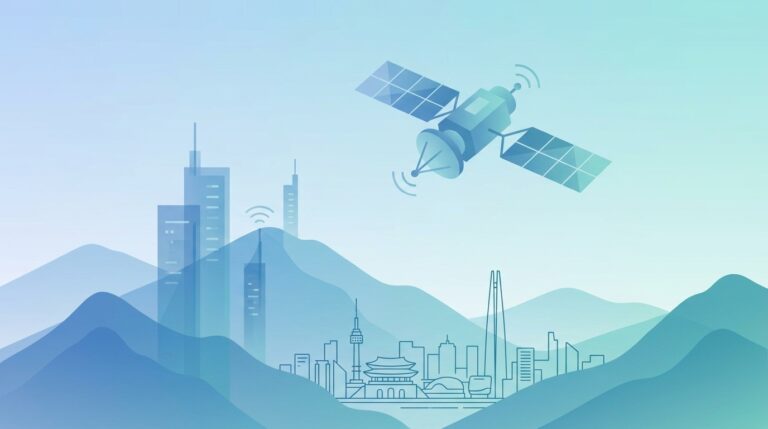
Yet behind the satirical memes lies an intense, high-stakes socio-scientific battle. Korea’s peninsula is topographically unforgiving—surrounded by three distinct marine systems and dominated by 70% mountainous terrain, creating microclimates that baffle even global forecasting agencies. To tackle this, Korea has heavily invested in world-class supercomputing infrastructure (supercomputers No. 5, ‘Guru’ and ‘Maru’) to drastically upgrade numerical prediction models.
For C2-level Korean learners, weather ceases to be small talk about whether it is sunny or raining. At this tier, discussing the climate involves navigating high-register socio-political discourse, public accountability debates, technological innovation, and meteorological precision. Based on direct feedback from advanced learners who felt lost watching prime-time editorial debates or attending policy seminars on climate adaptation, this guide is crafted to elevate your Korean from everyday banter to intellectual fluency. Let’s master the discourse where atmospheric science meets high-level Korean linguistic competence.
Phase 2: In-Depth Analysis of 3 Core Expressions
1. 오보의 오명을 씻다 (Obo-ui omyeong-eul ssitda)
- Pronunciation: [오보의 오명을 씻따] (Oh-boh-eui oh-myeong-eul ssit-dda — think of the sharp crispness of ‘ssit’ snapping against your palate like snapping a wet towel).
- Meaning: Literal: “To wash away the stigma of false reporting/misforecasts” | Nuanced: To regain public trust and vindicate institutional credibility after sustained public criticism.
- K-Culture Moment: Commonly heard in news desk specials or corporate debriefs when the KMA announces a milestone upgrade in precipitation prediction algorithms following a summer of public outcry.
- Editor’s Insight: Omyeong (오명 / 汚名) literally refers to a soiled or stained name. Pairing it with the verb ssitda (씻다, to wash) elevates your language immediately into the register of editorial critique and high-stakes reputation management.
- Situation Spectrum: Casual: 🚫 | Semi-formal: ⚠️ | Formal: ✅
- 🤔 Think About It: In English, we might say “restore credibility” or “clear one’s name.” Why do you think Korean cultural rhetoric relies on visceral metaphors of washing (씻다) or shedding (벗다) physical dirt when discussing organizational honor?
2. 수치예보모델을 고도화하다 (Suchi yebo moder-eul godohwahada)
- Pronunciation: [수치예보모델을 고도화하다] (Soo-chee yeh-boh moh-del-eul go-doh-hwa-ha-da — pronounce ‘go-doh’ with steady, measured breath to emphasize technical precision).
- Meaning: Literal: “To advance/sophisticate numerical weather prediction models” | Nuanced: Upgrading high-tier mathematical algorithms and computing infrastructure to simulate micro-atmospheric dynamics.
- K-Culture Moment: Featured prominently in briefings at the National Meteorological Satellite Center and during press conferences unveiling Korea’s indigenous Numerical Weather Prediction model (K-NWP).
- Editor’s Insight: Instead of simply saying baljeonsikida (발전시키다, to develop), native policy experts, academics, and C2 communicators consistently deploy godohwahada (고도화하다, to heighten/sophisticate). It signals that an existing complex system is being elevated to state-of-the-art parameters.
- Situation Spectrum: Casual: 🚫 | Semi-formal: ⚠️ | Formal: ✅
- 🤔 Think About It: Notice how Hanja-derived verbal nouns ending in ~화하다 (~ization/make into) function as precision tools in Korean technical discourse. How does this compare to Latinate suffixes in Western scientific vocabulary?
3. 기상이변에 선제적으로 대응하다 (Gisang-ibyeon-e seonje-jeog-euro daeeunghada)
- Pronunciation: [기상이벼네 선제저그로 대응하다] (Gee-sang-ee-byeon-eh seon-jeh-jeok-eu-ro dae-eung-ha-da).
- Meaning: Literal: “To preemptively respond to extreme weather phenomena” | Nuanced: Taking calculated, proactive risk-mitigation measures against climate anomalies before disaster strikes.
- K-Culture Moment: Used by public administrators, urban disaster planning committees in Seoul, and characters in the JTBC drama Forecasting Love and Weather (기상청 사람들: 사내연애 잔혹사 편).
- Editor’s Insight: Seonje-jeok (선제적 / 先制的) is an indispensable C2 power word. It shifts your communicative stance from passive observation (daebi-hada) to aggressive, strategic forward-planning. It is the gold standard term in governmental white papers.
- Situation Spectrum: Casual: ⚠️ | Semi-formal: ✅ | Formal: ✅
- 🤔 Think About It: How does framing natural disasters with military-style terminology (선제적 대응, 사활을 걸다) reflect Korea’s intense historical emphasis on rapid mobilization and public resilience?
Phase 3: Textbook Korean vs. Real Korean
Situation 1: Discussing the technological rationale behind supercomputer adoption
- 📖 Textbook Korean:
기상청이 새 컴퓨터로 날씨를 더 잘 맞추려고 합니다.
(Gisangcheong-i sae keompyuteo-ro nalssi-reul deo jal matchu-ryeogo hamnida.)
“The Meteorological Agency is trying to predict the weather better with a new computer.” - 🗣️ Real Native Korean (C2 High Register):
기상청이 슈퍼컴퓨터 5호기를 전격 도입하면서, 국지성 호우 예측율 제고와 오보율 저감에 사활을 걸고 있어요.
(Gisangcheong-i syupeokeompyuteo o-hogi-reul jeon-gyeok do-ipharnyeonseo, gukjiseong hou yecheuk-yul jego-wa obo-yul jeogam-e sahwal-eul geolgo isseoyo.)
“With the aggressive rollout of Supercomputer No. 5, the KMA is staking its institutional credibility on boosting localized downpour predictability and slashing error rates.” - 💡 Why the Difference?: While the textbook version relies on generic terms (새 컴퓨터, 더 잘 맞추다), native discourse in news, boardrooms, and academic roundtables employs dense nominal compounds (전격 도입, 제고, 저감) and idiomatic gravity (사활을 걸다 — staking life and death).
Situation 2: Commenting on unpredictable microclimate rain patterns despite cutting-edge gear
- 📖 Textbook Korean:
한국은 산이 많아서 날씨 예보가 여전히 틀릴 수 있습니다.
(Hanguk-eun san-i manhaso nalssi yeboga yeojeonhi teullil su isseumnida.)
“Korea has many mountains, so weather forecasts can still be wrong.” - 🗣️ Real Native Korean (C2 Colloquial & Analytical):
아무리 슈퍼컴퓨터 연산 능력이 압도적이라 해도, 삼면이 바다인 데다 지형적 변수가 워낙 복잡해서 한반도 특화 모델의 안착까지는 시일이 좀 걸릴 겁니다.
(Amuri syupeokeompyuteo yeonsan neungnyeog-i apdojeog-ira haedo, sammyeon-i bada-in deda jihyeongjeok byeonsuga wonak bokjaphaeseo Hanbando teukhwa moder-ui anchak-kkajineun si-ir-i jom geollil geomnida.)
“No matter how overwhelming the supercomputer’s computational prowess is, the peninsula is flanked by three seas and riddled with topographical anomalies; establishing a tailored Korean model will inevitably take time.” - 💡 Why the Difference?: Advanced Korean speakers do not just state excuses; they balance concessions (아무리 ~라 해도) with technical qualifiers (연산 능력, 지형적 변수, 특화 모델 안착), sounding analytical rather than merely dismissive.
Phase 4: K-Culture Deep Dive & Non-Verbal Manners
4-1. Nunchi (눈치) & Non-Verbal Manners in Institutional Critique
When discussing weather inaccuracy in Korean corporate or academic circles, overt, aggressive cynicism toward state entities (such as bluntly shouting 구라청) comes across as crude or immature. Sophisticated communicators exercise nunchi by couching critique in constructive, institutional language.
* Physical Demeanor: Keep an open, measured posture. Tilt your head slightly forward (약간 고개를 끄덕이며) when listening to an expert explain forecasting deficits.
* Vocal Modulation: Lower your pitch slightly, avoid sharp upward inflections, and employ mitigating modal markers such as ~라는 지적도 일각에서 제기되고 있습니다 (Some quarters raise the critique that…) or ~는 측면을 간과할 수 없겠죠 (We cannot overlook the dimension of…).
4-2. Cultural Code: The Nation’s Monsoon Neurosis & Drama Forecasting Love and Weather
The popular JTBC drama Forecasting Love and Weather (기상청 사람들) peeled back the curtain on the intense psychological pressure inside the KMA National Forecast Center. In Korea, a missed weather forecast is not an innocent inconvenience—it threatens massive economic disruption, subway station flooding in Gangnam, and agricultural destruction in rural provinces.
Because South Korea experienced rapid, hyper-dense urbanization alongside compressed economic development, civil sensitivity to urban safety is extraordinarily acute. When taxpayers learn that billions of won were spent on Supercomputer No. 5, their expectation of pinpoint predictive precision is absolute. Understanding this national tension transforms your language from casual curiosity to deep cultural empathy.
Phase 5: Real-World Role-Play Scenario
Setting: The Central Briefing Room of the Korea Meteorological Administration in Dongjak-gu, Seoul.
Characters:
* 강민우 국장 (Director Kang Min-woo): Veteran Chief Forecaster with deep pride in atmospheric research, slightly defensive yet deeply analytical.
* 알렉스 (Alex – You): Visiting Climatology Fellow analyzing the socio-computational integration of K-NWP.
강민우 국장:
알렉스 박사님, 이번 슈퍼컴퓨터 5호기 도입으로 수치예보모델의 격자 간격을 획기적으로 줄였습니다. 이제 오보 논란도 잦아들 것으로 기대합니다.
(Alex baksanim, ibeon syupeokeompyuteo o-hogi do-ipeuro suchiyebomoder-ui gyeokja gangyeog-eul hoekgijeog-euro juryeosseumnida. Ije obo nonran-do jajadeul geot-euro gidaehamnida.)
“Dr. Alex, with the introduction of Supercomputer No. 5, we have drastically reduced the grid spacing of our numerical prediction models. We expect the controversies over false reports to subside now.”
🎭 Proudly gesturing toward the high-resolution dynamic simulation screen with a laser pointer.
알렉스 (Alex):
초당 50페타플롭스 규모의 연산 능력을 확보하셨으니 고무적인 성과임은 분명합니다. 다만 한반도 특유의 국지성 돌발 강우를 포착하는 데는 여전히 한계가 있지 않습니까?
(Chodang osip-petapeullopseu gyumo-ui yeonsan neungnyeog-eul hwakbohyeosseuni gomu-jeog-in seonggwaim-eun bunmyeonghamnida. Daman Hanbando teuyu-ui gukjiseong dolbal gang-ureul pochakhaneun deneun yeojeonhi hangyega itji anseumnikka?)
“Securing a computing capacity of 50 petaflops per second is undoubtedly an inspiring milestone. However, aren’t there still structural limitations in capturing the Korean Peninsula’s idiosyncratic, sudden localized downpours?”
🎭 Speaking in a calm, analytical tone, leaning forward with sustained eye contact.
강민우 국장:
정확한 지적이십니다. 하층 제트기류와 해수면 온도의 급격한 변동은 하드웨어 연산 능력만으로 완벽히 통제하기 어렵습니다.
(Jeonghwak-han jijeog-isimnida. Hacheung jeteugiryu-wa haesumyeon ondo-ui geupgyeok-han byeondong-eun hadeuweeo yeonsan neungnyeok-maneuro wanbyeokhi tongje-hagi eoryeopseumnida.)
“That is a spot-on observation. Abrupt fluctuations in low-level jet streams and sea surface temperatures are difficult to control through raw hardware processing power alone.”
🎭 Nodding solemnly, clasping hands behind his back.
알렉스 (Alex):
결국 방대한 관측 데이터를 가공하는 한국형 수치예보모델의 독자적 고도화와 베테랑 예보관들의 정성적 분석이 맞물려야겠군요.
(Gyeolguk bangdaehan gwancheuk deiteoreul gagonghaneun Hangukhyeong suchiyebomoder-ui dokjajeok godohwa-wa betaerang yebogwandeur-ui jeongseongjeok bunseogi manmullyeoyagetgunyo.)
“Ultimately, the independent sophistication of the Korean-tailored numerical model processing vast empirical data must dovetail with the qualitative analyses of veteran forecasters.”
🎭 Nodding slowly in synthesis, offering a supportive smile.
강민우 국장:
그렇습니다. 기계의 연산치와 현장 감각 사이의 괴리를 좁히는 것이야말로 국민적 신뢰를 회복하는 지름길입니다.
(Geureoseumnida. Gigye-ui yeonsanchi-wa hyeonjang gamgak sai-ui goerireul jophineun geos-iyamallo gungminjeok sinroereul hoebokhaneun jireumgil-imnida.)
“Precisely. Bridging the chasm between mechanical computational output and seasoned on-site intuition is indeed the truest shortcut to restoring public trust.”
🎭 Exhaling deeply, conveying quiet professional resolve.
알렉스 (Alex):
그 지점에서 데이터 주권과 기상 주권의 확보라는 중대한 의의를 찾을 수 있겠네요.
(Geu jijeom-eseo deiteo jugwon-gwa gisang jugwon-ui hwakbora-neun jungdaehan ui-ireul chajeul su itgetneyo.)
“At that very juncture, one can identify the profound significance of securing meteorological and data sovereignty.”
🎭 Delivering the concluding remark with firm, thoughtful gravitas.
강민우 국장:
동감입니다. 다음 주 정책 토론회에서 이 화두를 학계와 본격적으로 공론화해 볼 생각입니다.
(Donggam-imnida. Daeum ju jeongchaek toronhoe-eseo i hwadureul hakgye-wa bon-gyeok-jeog-euro gongronhwa-hae bol saenggak-imnida.)
“I completely agree. I plan to formally bring this very topic to the fore for academic debate at next week’s policy symposium.”
🎭 Handing over an executive summary dossier with a warm gesture.
알렉스 (Alex):
기상청의 혁신적 행보가 실질적인 재난 대응 역량 강화로 직결되기를 기대하겠습니다.
(Gisangcheong-ui hyeoksinjeok haengboga siljiljeogin jaenan daeeung yeongnyang ganghwaro jikgyeol-doegireul gidaehaegesseumnida.)
“I will look forward to the KMA’s pioneering steps translating directly into reinforced disaster response capabilities.”
🎭 Receiving the document with both hands as a mark of high respect.
🔀 Interactive Branching Point
If Director Kang asks you: “슈퍼컴퓨터 도입에도 불구하고 국민들이 여전히 예보에 불신을 갖는 근본 원인은 무엇이라고 보십니까?” (What do you view as the root cause of the public’s lingering distrust despite the supercomputer introduction?)
- Choice A: “국민들의 기대치가 지나치게 비현실적이라 기술의 한계를 이해하지 못하기 때문입니다.” (Because the public’s expectations are overly unrealistic and they fail to comprehend technological limits.)
- Feedback [Bad]: Shifts blame directly onto citizens. In a Korean public-sector dialogue, this sounds arrogant and tone-deaf to civic distress during disasters.
- Choice B: “수치적 정확도와 체감 예보 사이의 온도 차를 좁히는 대국민 소통 체계의 부재가 불신을 가중시키는 핵심 요인으로 보입니다.” (The lack of a public communication framework that bridges the gap between numerical accuracy and perceived forecast reality seems to be the primary factor exacerbating distrust.)
- Feedback [Best]: Masterful C2 register! Addresses the socio-psychological dimension (체감 예보) while highlighting structural communication without disparaging either party.
- Choice C: “기상청 내부의 인사 적체와 예보관들의 경험 부족이 최신 장비의 효용을 갉아먹는 형국입니다.” (Internal personnel stagnation and forecasters’ lack of experience within the KMA seem to be eating away at the utility of cutting-edge gear.)
- Feedback [Risk]: Far too aggressive and politically inflammatory. Unless you are an auditor presenting verified findings, this burns diplomatic bridges instantly.
Phase 6: 10-Second Emotional Shadowing Drill
Master the rhythmic cadence, formal pauses (/), and emotional intonation of high-level policy Korean:
[🧐 진지하고 전문적인 어조 - Serious & Expert]
슈퍼컴퓨터 5호기의 도입은 / 단순한 장비 교체를 넘어 / 한반도 기상 주권 확보를 위한 / 중대한 전환점입니다.
(Syupeokeompyuteo o-hogi-ui do-ip-eun / dansunhan jangbi gyo-che-reul neomeo / Hanbando gisang jugwon hwakbo-reul wihan / jungdaehan jeonhwanjeom-imnida.)
“The introduction of Supercomputer No. 5 is / beyond a mere equipment replacement / a momentous turning point / for securing the meteorological sovereignty of the Korean Peninsula.”-
[😮 감탄과 균형 잡힌 비판 - Analytical Admiration]
연산 속도의 비약적 발전에도 불구하고 / 국지성 집중호우의 불확실성은 / 여전히 극복해야 할 / 난제 중의 난제죠.
(Yeonsan sokdo-ui biyag-jeok baljeon-edo bulguhago / gukjiseong jipjunghou-ui bulhwaksilseong-eun / yeojeonhi geukbokhaeya hal / nanje jung-ui nanje-jyo.)
“Despite the quantum leap in computational speed / the uncertainty of localized torrential rain / remains an enigma of enigmas / that we must overcome.” -
[🤝 신뢰와 격려를 담아 - Warm Professional Confidence]
현장 예보관들의 축적된 노하우가 / 고도화된 수치모델과 시너지를 낼 때 / 국민적 신뢰도 / 비로소 회복될 것입니다.
(Hyeonjang yebogwandeur-ui chukjeokdoen nohauga / godohwadoen suchimodol-gwa sineojireul nael ttae / gungminjeok sinroedo / biroso hoebokdoel geos-imnida.)
“When the accumulated know-how of on-site forecasters / generates synergy with sophisticated numerical models / public trust will / at long last be restored.”
Phase 7: K-Culture Mini Dictionary (4 Key Terms)
-
구라청 (Gura-cheong)
Meaning: “Lying Meteorological Administration.”
Usage: A colloquial, satirical neologism used ubiquitously across social media, community forums, and daily conversations whenever the forecast fails to predict sudden precipitation or clears up unexpectedly. -
국지성 호우 (Gukjiseong Hou)
Meaning: “Localized Torrential Downpour” (Guerilla Rain).
Usage: Formal meteorology term. Refers to extreme precipitation concentrated in a razor-thin geographical pocket (e.g., pouring in Gangnam while Songpa enjoys sunshine). Often cited as the ultimate culprit behind forecast discrepancies. -
슈퍼컴퓨터 5호기 (Syupeo-keompyuteo O-hogi)
Meaning: “Supercomputer No. 5” (Named ‘Guru’ and ‘Maru’).
Usage: Institutional/News discourse. Korea’s petascale meteorological supercomputer infrastructure. Discussed in debates regarding public budgeting, technological independence, and climate mitigation readiness. -
예보관 (Yebogwan)
Meaning: “Official Meteorological Forecaster.”
Usage: Professional context. Unlike the TV weathercaster (gisang kaeseuteo), the yebogwan is a licensed government scientist who analyzes numerical models and physically signs off on regional weather alerts.
Phase 8: Traveler’s Survival Kit
Top 3 Survival Expressions
-
혹시 실시간 레이더 영상 확인해 보셨어요?
(Hoksi silsigan reideo yeongsang hwaginhae bosyeosseoyo?)
“By any chance, have you checked the real-time radar imagery?”
Pro Tip: Use this when consulting hotel concierges or tour operators before an outdoor excursion when the forecast is ambiguous. -
게릴라성 폭우 때문에 열차가 지연될 가능성이 있나요?
(Gerillaseong pogu ttaemune yeolchaga jiyeondoel ganeungseong-i innayo?)
“Is there a possibility of train delays due to the guerilla-style torrential rain?”
Pro Tip: Essential during summer monsoon commutes at KTX stations. -
침수 우려 지역이라 우회로를 이용하는 편이 낫겠습니다.
(Chimsu uryeo jiyeog-ira uhoero-reul iyonghaneun pyeon-i natgetseumnida.)
“This is a flood-risk zone, so it would be better to take a detour.”
Pro Tip: Deploy this when navigating taxis or private transit during localized flood alerts.
Editor’s Travel Note: Extreme Weather Navigation Guide
- Essential Portals: Rather than relying on generic smartphone global weather apps (which struggle with Korean mountainous topography), consult the official [기상청 날씨누리 공식 포털] for real-time radar loops and down-to-the-minute atmospheric alerts.
- Urban Visual Confirmation: When localized flash flood alerts strike Seoul, open your Naver Map and click [네이버 지도 앱 실시간 CCTV 확인] over major bridges (e.g., Jamsu Bridge / 잠수교) to inspect actual water levels before stepping out.
Phase 9: “A Step Deeper” (Reflective Essay)
In South Korea, weather forecasting is not merely a scientific pursuit; it is a mirrors-and-smoke theater of collective civic memory. The hyper-urbanized concentration of Seoul means that an unpredicted two-hour cloudburst can flood subways, paralyze traffic arteries, and cause substantial socio-economic damage. Consequently, the KMA bears a uniquely heavy burden of public accountability—where technical miscalculations are met not with mild amusement, but with fierce civic scrutiny over public expenditure. The acquisition of Supercomputer No. 5 represents Korea’s enduring ethos: that natural vulnerabilities are challenges to be overcome through uncompromising technological innovation and state-led mobilization.
💬 Your Turn: How does the public in your home country react to inaccurate weather forecasts? Do people treat it as an inevitable act of nature, or do they hold public forecasting institutions strictly accountable like Koreans do? Share your thoughts below in advanced Korean!
Phase 10: FAQ & Avoiding Misunderstandings
Q: Why do Koreans call sudden summer downpours ‘게릴라성 호우’ (Guerilla Rain)?
A: The metaphor draws on guerilla warfare tactics: striking suddenly, concentrating catastrophic force in a micro-localized sector, and retreating before defense systems (radars) can deploy warnings. In formal broadcasts, it is phrased as 국지성 호우 (localized torrential rain), but in conversational media, 게릴라성 폭우 is widely embraced.
Q: Is it rude to use the term ‘구라청’ in conversation?
A: Yes, if used in formal, academic, or professional contexts. 구라 is coarse slang for “lie/bluff.” While acceptable as self-deprecating banter among close friends who are soaked in the rain, uttering it in an institutional setting or to a civil servant is disrespectful. Use 예보 정확도 논란 (forecast accuracy controversy) instead.
Q: What is the difference between ‘기상 캐스터’ and ‘기상 예보관’?
A: A 기상 캐스터 (weathercaster) is a media presenter who delivers the meteorological script on television. A 기상 예보관 (meteorological forecaster) is the credentialed scientist and public official at the KMA who runs the supercomputer calculations and determines the actual forecast.
🚨 Common Mistakes (Foreign Learners’ Top 3 Traps)
- Mistake: Using 틀렸어요 (It was wrong) in formal policy evaluations.
Correct Action: Use 예측치와 실측치 간의 오차가 발생했습니다 (A discrepancy occurred between predicted and observed values). - Mistake: Calling localized rain 작은 비 (small rain).
Correct Action: Use 국지성 호우 (localized heavy rain) or 소나기 (passing shower), depending on intensity. - Mistake: Translating “The weather forecast is unreliable” as 일기예보를 믿을 수 없어요 in formal writing.
Correct Action: Write 기상 예보의 신뢰도 제고가 시급합니다 (Improving the credibility of weather forecasts is urgent).
Phase 11: Action Missions & Engagement
- Bronze Mission (Solo Mastery): Shadow Phase 6’s three sentences five times each, recording your voice on your phone to match the formal cadence and pauses.
- Silver Mission (Social Engagement): Write a 3-sentence commentary on a recent weather report on Threads or Instagram using 오보의 오명을 씻다 and 선제적 대응.
- Gold Mission (Real-World Deployment): Tune into a Korean evening news debate regarding climate change or the KMA budget, write down two Sino-Korean terms you spotted, and explain their nuances in our comment section below!
- 🎮 K-Culture Mission: Watch Episode 1 or 2 of JTBC’s Forecasting Love and Weather (기상청 사람들). Spot the scene where forecasters debate whether to issue a heavy rain warning (호우주의보 발령 여부) and note how tension is communicated through technical vocabulary!
Phase 12: Interactive Quiz Challenge
Test your C2 grasp of climate and meteorological discourse:
1. Situational Judgment: You are speaking at an environmental symposium in Seoul. How should you express that the KMA must upgrade its computational models to prepare for climate anomalies?
* (A) 기상청이 비 안 맞추면 욕먹으니까 컴퓨터를 새로 사야 합니다.
* (B) 기상이변에 선제적으로 대응하기 위해, 수치예보모델의 지속적인 고도화가 필수적입니다.
* (C) 구라청 소리를 안 들으려면 슈퍼컴퓨터를 무조건 많이 사야 해요.
2. Fill-in-the-Blank:
기상청은 이번 대규모 슈퍼컴퓨터 증설을 계기로 과거에 누적된 _________ 씻고 신뢰받는 기관으로 거듭나겠다고 천명했다.
* (A) 오보의 오명을
* (B) 날씨의 오해를
* (C) 컴퓨터의 오류를
3. True or False:
In professional Korean socio-meteorological discourse, the term 국지성 호우 refers to gentle, predictable drizzle occurring across the entire Korean Peninsula simultaneously.
* [True / False]
정답 및 해설 보기 (Click to reveal answers)
-
정답: (B)
해설: (B) employs the sophisticated C2 verbal compounds 선제적으로 대응하기 위해 and 지속적인 고도화가 필수적입니다. Options (A) and (C) feature crude colloquialisms (욕먹으니까, 구라청) entirely inappropriate for a symposium. -
정답: (A)
해설: The idiomatic collocation meaning “to wash away the stigma of false forecasts” is 오보의 오명을 씻다. -
정답: False
해설: 국지성 호우 (localized torrential rain) refers to violent, unpredictable, concentrated downpours in small geographic pockets, not gentle peninsula-wide drizzle.







