

Phase 1: 공감 (Story-Immersive Opening)
안녕하세요! 매일한글 에디터입니다. 👋
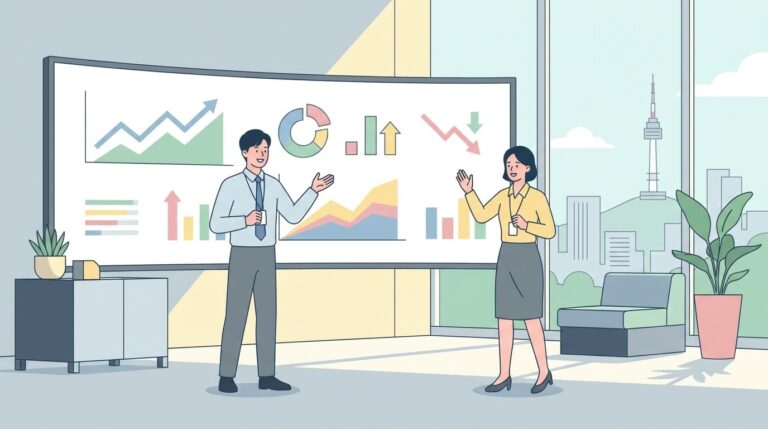
Picture this: You are sitting in a cozy traditional tea house near the National Assembly in Yeouido, Seoul. At the adjacent table, two seasoned policy researchers are having a riveting, respectful, yet razor-sharp debate over Korea’s economic stimulus packages. You hear rapid-fire terms like 보편 지급 (universal distribution), 선별 지급 (selective distribution), 사각지대 (blind spots), and 재정 건전성 (fiscal soundness). You understand everyday conversation perfectly, but in moments like this—where high-level policy, civic ethics, and economic philosophy intersect—you suddenly feel stuck at the threshold of truly advanced fluency.
Reaching the C2 level in Korean means moving beyond transactional chats and into the heart of public discourse. Emergency disaster relief funds (긴급 재난 지원금) have been one of the most vigorously debated social welfare topics in modern South Korea, reflecting deeply rooted values regarding equality, tax fairness, and collective solidarity. Based on over a decade of coaching global diplomats, journalists, and advanced researchers, I have crafted this master guide to equip you with the exact linguistic precision, strategic nuance, and cultural insight needed to articulate sophisticated socio-economic perspectives in Korean like a seasoned native intellectual.
Phase 2: 핵심 표현 3선 심층 분석
1. 선별 지급과 보편 지급을 두고 의견이 분분합니다.
- Pronunciation: [Seonbyeol jigeup-gwa bopyeon jigeup-eul dugo uigyeon-i bunbunhamnida.] (Sounds like: sun-byul jee-geup-gwa bo-pyeon jee-geup-eul doo-go wee-gyeon-ee boon-boon-ham-nee-da)
- Meaning: Opinions are divided over targeted vs. universal distribution.
- K-Culture Moment: Frequently heard during prime-time current affairs programs like JTBC Newsroom or specialized panel debates when analyzing public policy sentiment.
- Editor’s Insight: The phrase
의견이 분분하다(opinions are divided/split) is an indispensable C2 four-character idiom-derived expression (사자성어 feel) that conveys widespread public divergence without sounding overly aggressive or partisan.- Situation Spectrum: Casual 🚫 | Semi-formal ⚠️ | Formal ✅
- 🤔 Think About It: In your home country, is welfare typically viewed as an earned safety net for the vulnerable or an unconditional right of citizenship?
2. 복지 사각지대를 해소하는 것이 급선무입니다.
- Pronunciation: [Bokji sagakjidae-reul haesohaneun geos-i geupseonmu-imnida.] (Sounds like: bohk-jee sah-gak-jee-dae-reul hae-so-hah-neun guhs-ee geup-sun-moo-eem-nee-da)
- Meaning: Eliminating welfare blind spots is an urgent priority.
- K-Culture Moment: Often featured in critically acclaimed social-realist K-Dramas like My Mister or political thrillers like Chief of Staff, where marginalized citizens fall between the cracks of rigid administrative criteria.
- Editor’s Insight:
사각지대literally translates to “blind spot” (from driving or optics). Pairing it with해소하다(to resolve/dissolve) and급선무(urgent duty) creates an exceptionally articulate policy proposition.- Situation Spectrum: Casual 🚫 | Semi-formal ⚠️ | Formal ✅
- 🤔 Think About It: How does administrative efficiency balance against human dignity when defining poverty thresholds?
3. 재정 건전성을 고려하지 않을 수 없습니다.
- Pronunciation: [Jaejeong geonjeonseong-eul goryeohaji aneul su eopseumnida.] (Sounds like: jae-jung guhn-juhn-sung-eul go-ryuh-hah-jee ah-neul soo uhp-seum-nee-da)
- Meaning: We cannot help but take fiscal health and soundness into account.
- K-Culture Moment: Emphasized by economic ministers in press briefings and fiscal conservatives during budget deliberation hearings in the National Assembly.
- Editor’s Insight: The double negative construct
~하지 않을 수 없다(cannot help but do) is standard high-level Korean rhetoric to stress necessity while maintaining a diplomatic, non-dogmatic posture.- Situation Spectrum: Casual ⚠️ | Semi-formal ✅ | Formal ✅
- 🤔 Think About It: Notice how double negatives in formal Korean soften confrontation while strengthening logical conviction.
Phase 3: 교과서 한국어 vs 진짜 한국어
Situation 1: Arguing for universal relief to boost domestic consumption
- 📖 교과서 한국어 (Textbook):
모든 사람에게 돈을 주는 것이 경제에 좋습니다.
(Modeun saram-ege doneul juneun geos-i gyeongjee joeusseumnida.)
Giving money to all people is good for the economy. - 🗣️ 진짜 한국어 (Real Advanced Native):
전 국민 대상 보편 지급이 내수 진작과 소비 진작에 훨씬 즉각적인 마중물 역할을 합니다.
(Jeon gungmin daesang bopyeon jigeub-i naesu jinjak-gwa sobi jinjak-e hwolssin jeukgakjeog-in majungmul yeokhal-eul hamnida.)
Universal payout to all citizens serves as a far more immediate priming-the-pump mechanism for boosting domestic demand and consumer spending. - 💡 왜 다를까? (Cultural & Linguistic Context): Advanced Korean discourse replaces simplistic verbs (
돈을 주다,좋다) with precise macroeconomic terminology (내수 진작,마중물 역할— priming water for a hand pump).
Situation 2: Warning against fiscal strain and national debt
- 📖 교과서 한국어 (Textbook):
정부의 빚이 많아지면 미래가 힘들어집니다.
(Jeongbu-ui bij-i manajimyeon miraega himdeureojimnida.)
If government debt increases, the future becomes hard. - 🗣️ 진짜 한국어 (Real Advanced Native):
무분별한 현금 살포는 국가 채무 비율을 급증시켜 미래 세대에 과도한 조세 부담을 전가할 우려가 큽니다.
(Mubunbyeolhan hyeongeum salponeun gukga chaemu biyeul-eul geupjeungsikyeo mirae sedae-e gwadohan jose budam-eul jeongahal端末 uryeoga keumnida.)
Indiscriminate cash handouts risk sharply escalating the national debt ratio, passing on an excessive tax burden to future generations. - 💡 왜 다를까? (Cultural & Linguistic Context): High-level debate leverages conceptual Sino-Korean compounds (
전가하다– shift responsibility/burden;무분별한– indiscriminate) to construct razor-sharp civic arguments.
Phase 4: K-Culture 딥다이브 & 비언어적 매너
4-1. 눈치 (Nunchi) & Non-Verbal Rhetorical Etiquette
In Korean formal debates, how you disagree is just as crucial as your arguments. Direct confrontation is seen as intellectually crude.
* The Softening Prelude: Always begin counterarguments with polite concessions: 말씀해 주신 취지에는 십분 공감합니다만... (I fully sympathize with the intent of what you said, but…) or 일리가 있는 지적입니다만... (That is a valid point, however…).
* Eye Contact & Hand Placement: Never point with a single finger. When referencing policy documents or gesturing toward your debate partner, use an open palm facing upward at a 45-degree angle. Lower your vocal pitch and slow your cadence when delivering your strongest points—this conveys emotional restraint (절제) and moral authority.
4-2. Cultural Code: The Evolution of Korea’s Welfare Paradigm
Korea’s rapid shift from post-war developmental state to advanced democracy created a unique welfare landscape. During the COVID-19 pandemic, Korea’s regional currency vouchers (지역화폐) and nationwide emergency relief triggered national introspection: Is welfare a basic civic dividend or targeted charity? In dramas like Chief of Staff (보좌관) and political commentary shows, this conflict highlights the delicate balance between rapid administrative execution and long-term socio-economic equity.
Phase 5: 실전 롤플레이 시나리오
Setting: A policy roundtable studio in Yeouido, Seoul. You are invited as a guest policy analyst discussing welfare reform alongside Senior Researcher Min-woo.
- 민우 (Min-woo): [🧐 서류를 검토하며 진지하게] 이번 긴급 재난 지원금은 소득 하위 70%를 대상으로 한 선별 지원이 타당하다고 봅니다. 한정된 재정을 효율적으로 배분해야 하니까요.
(I believe targeted relief for the bottom 70% income bracket is appropriate for this emergency fund. We must allocate limited fiscal resources efficiently.) - 학습자 (You): [🤝 고개를 끄덕이며 차분하게] 재정 건전성을 염려하시는 위원님의 시각에는 깊이 공감합니다.
(I deeply sympathize with your perspective regarding fiscal soundness, Commissioner.) - 민우 (Min-woo): [📊 통계 자료를 가리키며] 네, 특히 자영업자와 취약계층의 타격이 극심한 만큼 이들에게 두텁게 지원하는 것이 복지의 본령 아니겠습니까?
(Yes, especially since small business owners and vulnerable groups took the hardest hit, isn’t providing thick support to them the true essence of welfare?) - 학습자 (You): [💡 부드러운 어조로 반론을 제기하며] 일리 있는 말씀입니다만, 소득 경계선에 있는 차상위 계층의 선별 비용과 행정력 낭비, 그리고 이로 인한 낙인 효과 또한 간과할 수 없습니다.
(That is a valid point; however, we cannot overlook the administrative screening costs for near-poverty households on the border, nor the resulting stigma effect.) - 민우 (Min-woo): [🤔 턱을 괴며 생각에 잠겨] 낙인 효과라… 하지만 고소득층에게까지 동일한 지원금을 지급하는 것에 대한 국민적 조세 저항감은 어떻게 극복할 수 있을까요?
(The stigma effect… but how can we overcome the public tax resistance against distributing identical funds even to high-income earners?) - 학습자 (You): [📈 확신에 찬 눈빛으로] 보편 지급 후 연말정산이나 환수 장치를 통해 고소득층의 세액을 사후 조정하는 방식이 사회적 연대감을 높이는 대안이 될 수 있습니다.
(Universal distribution followed by post-adjustments through year-end tax settlements or clawback mechanisms could serve as an alternative that elevates social solidarity.) - 민우 (Min-woo): [👏 미소를 지으며 공감대를 형성하며] 사후 정산 모델이라, 매우 혁신적이면서도 경청할 만한 정책적 절충안이군요.
(A post-settlement model—that is a very innovative and noteworthy policy compromise.) - 학습자 (You): [🙇 겸손하게 마무리하며] 과찬이십니다. 결국 핵심은 복지 사각지대 해소와 경기 부양이라는 두 마리 토끼를 잡는 데 있다고 생각합니다.
(You flatter me. In the end, I believe the core lies in catching two rabbits at once: resolving welfare blind spots and stimulating the economy.)
🔀 인터랙티브 분기점 (Interactive Choice)
How would you respond if Min-woo asks you: “그렇다면 막대한 재원 조달은 국채 발행으로 충당해야 한다고 보십니까?” (Do you think the immense funding should be covered by issuing national bonds?)
- Option A:
네, 무조건 국채를 찍어서라도 전 국민에게 다 나눠줘야 경제가 살아납니다!- Feedback [Bad ❌]: Too radical and emotionally driven. Using
무조건(unconditionally) in a formal policy forum diminishes analytical credibility.
- Feedback [Bad ❌]: Too radical and emotionally driven. Using
- Option B:
국채 발행은 미래 세대에게 빚을 떠넘기는 무책임한 처사입니다.- Feedback [Risk ⚠️]: Grammatically correct, but excessively blunt and judgmental toward alternative policy views.
- Option C:
단기적 국채 발행의 불가피성을 인정하되, 중장기적 재정 준칙 수립과 세출 구조조정이 병행되어야 합니다.- Feedback [Best ⭐]: Exemplary C2 formulation! Balances pragmatic recognition of short-term debt with long-term fiscal responsibility.
Phase 6: 10초 감정 섀도잉 드릴
Listen, pause at /, and channel the indicated emotion:
[🧐 진지하고 논리정연하게]
선별 복지의 효율성과 / 보편 복지의 형평성 사이에서 / 균형점을 찾는 것이 / 정책의 핵심입니다.
(Finding the balance / between the efficiency of selective welfare / and the equity of universal welfare / is the core of public policy.)-
[🔥 단호하지만 정중하게]
행정 편의주의로 인해 / 복지 사각지대가 방치되는 일은 / 결코 있어서는 안 됩니다.
(Allowing welfare blind spots to be neglected / due to administrative convenience / must never be tolerated.) -
[🤔 심사숙고하며 신중하게]
국가 채무 비율의 상승 압박을 / 면밀히 점검하며 / 재정 지출의 우선순위를 재설정해야 합니다.
(While closely monitoring / upward pressure on national debt ratios, / we must reset fiscal spending priorities.)
Phase 7: K-Culture 미니 사전 (Core Policy Keywords)
- 보편 복지 vs 선별 복지 (Bopyeon bokji vs Seonbyeol bokji)
- Universal Welfare vs Selective (Targeted) Welfare. Universal welfare treats benefits as an unconditional right of citizenship (e.g., basic child allowances), whereas selective welfare focuses limited resources on those below specific income thresholds.
- 복지 사각지대 (Bokji sagakjidae)
- Welfare Blind Spot. Individuals or families in desperate financial distress who fail to qualify for government subsidies due to rigid bureaucratic metrics (such as owning an unsellable old vehicle or having estranged family members).
- 낙인 효과 (Nagin hyogwa)
- Stigma Effect. The psychological shame or social prejudice experienced by recipients when welfare programs require publicly proving poverty.
- 내수 진작 (Naesu jinjak)
- Stimulating Domestic Demand. Government policies aimed at boosting spending and circulation within domestic small businesses, restaurants, and regional markets.
Phase 8: 여행자를 위한 생존 키트 (Survival Kit for Expats & Researchers)
Top 3 Survival Expressions
- 외국인 등록자도 재난지원금 신청 대상에 포함됩니까?
(Oegugin deungnokjado jaenanjiwongeum sincheong daesang-e pohamdoemnikka?)
Are registered foreign residents also included in the eligibility for disaster relief funds?- Pro Tip: Always ask this at your local Community Service Center (주민센터) by presenting your Alien Registration Card (외국인등록증).
- 이 카드는 관내 소상공인 가맹점에서만 결제 가능한가요?
(I kadeuneun gwannae sosanggong-in gamaeomjeom-eseoman gyeolje ganeunghangayo?)
Can this card only be used at registered small business merchants within the district? - 소득 분위 산정 기준에 이의 신청을 제기하고 싶습니다.
(Sodeuk bunwi sanjeong gijun-e ui sincheong-eul jegihago sipseumnida.)
I would like to file a formal objection regarding the income bracket calculation criteria.
Editor’s Expat Note
Stay updated on welfare announcements through the official Bokjiro Welfare Portal or Government24 Public Service. If you receive local currency vouchers (지역사랑상품권), remember that large department stores and hypermarkets (like E-Mart or Costco) are excluded to protect mom-and-pop stores.
Phase 9: “한 발 더 깊이” (Humanities Essay)
In Korean society, debates over public welfare reflect a deeper philosophical tension between the traditional spirit of communal mutual aid (품앗이 and 두레) and the rapid hyper-capitalist modernization of the late 20th century. During the 1997 Asian Financial Crisis, millions of ordinary Koreans stood in line to donate family gold (금모으기 운동) to save the nation’s sovereign solvency. This cultural memory created a populace that is both exceptionally vigilant about national fiscal discipline and deeply invested in communal resilience. Discussing disaster relief in Korea is therefore not merely a technical debate over numbers—it is an ongoing collective dialogue about who belongs to the Korean “we” (우리) in times of shared adversity.
💬 Your Turn: In your home society, how is the balance between targeted assistance and universal public support navigated during national crises? Share your thoughts in advanced Korean below!
Phase 10: FAQ & 오해 방지 (FAQ Schema)
Q: What is the exact difference between ‘선별 지급’ and ‘맞춤형 지원’?
A: 선별 지급 (selective distribution) emphasizes the administrative act of filtering candidates based on strict financial criteria, which can sometimes carry a clinical or restrictive nuance. In contrast, 맞춤형 지원 (tailored/customized support) is a positive policy term emphasizing that assistance is carefully calibrated to the specific needs of vulnerable recipients.
Q: Why do Koreans frequently use agricultural metaphors like ‘마중물’ in economic debates?
A: 마중물 literally refers to the cup of water poured into a dry manual water pump to generate suction and draw up groundwater. Korean policy discourse loves vivid, tactile metaphors. Describing public funds as 마중물 implies that a relatively small public expenditure will unleash a much larger flow of private economic activity.
Q: Can I use words like ‘포퓰리즘’ (populism) in high-level debates in Korea?
A: Yes, but with care. In Korean media, 선심성 포퓰리즘 (pork-barrel populism) is frequently used by critics to describe unconditional cash payouts. However, when delivering an academic or diplomatic speech, it is more objective to describe policies as 확장적 재정 정책 (expansionary fiscal policy) versus 긴축 재정 (fiscal austerity).
🚨 Common Mistakes Warning Board
- Mistake: Confusing
재정 (Fiscal/Public finance)with재산 (Personal property/assets).- Correct Action: Use
재정 건전성for government budgets and재산세for individual asset taxes.
- Correct Action: Use
- Mistake: Overusing informal conjunctions like
근데or하지만in formal panel discussions.- Correct Action: Elevate your transitions to
다만 (However/Provided that),반면에 (On the other hand), or그럼에도 불구하고 (Nevertheless).
- Correct Action: Elevate your transitions to
- Mistake: Saying
가난한 사람(poor people) directly in formal policy analysis.- Correct Action: Always use respectful sociological terms such as
취약계층(vulnerable demographic),저소득층(low-income bracket), or수급권자(benefit eligible recipients).
- Correct Action: Always use respectful sociological terms such as
Phase 11: 액션 미션 & 참여 유도
- 🥉 Bronze Mission (Solo Practice): Read the Phase 6 Shadowing Drill aloud 3 times, focusing on natural pauses at the
/marks. - 🥈 Silver Mission (Social Dialogue): Write a 3-sentence opinion in Korean comparing
선별 지급and보편 지급and post it in the comments below. - 🥇 Gold Mission (Real-world Immersion): Watch a 5-minute clip of a Korean National Assembly committee hearing (국회 상임위원회) or policy debate on YouTube and write down 3 unfamiliar macroeconomic terms.
- 🎮 K-Culture Mission: Watch an episode of the drama Chief of Staff (보좌관) and listen for how aides use honorific negotiation phrases like
~하는 방안을 검토해 주십시오.
Phase 12: 인터랙티브 퀴즈 챌린지
1. Situational Judgment Quiz: You are speaking at a university public administration seminar. Which sentence expresses a sophisticated compromise between universal and targeted welfare?
* A) 무조건 다 주거나 아예 안 주는 게 맞습니다.
* B) 보편적 지급으로 사각지대를 없애되, 고소득층 대상 환수 기제를 마련하는 절충안이 필요합니다.
* C) 부자들에게 돈을 주는 것은 무의미하므로 신경 쓰지 맙시다.
2. Fill-in-the-Blank: 행정 절차가 너무 복잡하면 지원이 절실한 사람들이 혜택을 받지 못하는 복지 ( )가 발생합니다.
3. True or False: In formal Korean policy debates, directly saying 당신 말은 완전히 틀렸습니다 is considered standard and respectful discourse.
👉 Click here to reveal Answers & Detailed Explanations!
- Answer: B
- Explanation: Option B seamlessly blends policy nuances (
보편적 지급,사각지대,환수 기제,절충안), presenting an articulate C2 level synthesis.
- Explanation: Option B seamlessly blends policy nuances (
- Answer: 사각지대 (Blind spot / Welfare blind spot)
- Explanation:
복지 사각지대refers to vulnerable populations omitted from welfare safety nets due to bureaucratic thresholds.
- Explanation:
- Answer: False
- Explanation: Using
당신in an adversarial tone is highly offensive in Korean formal debates. Respectful debaters use titles (의원님,교수님) and softening reframing like그 말씀에는 동의하기 어렵습니다.
- Explanation: Using






