

Phase 1: Empathy & Immersion Opening
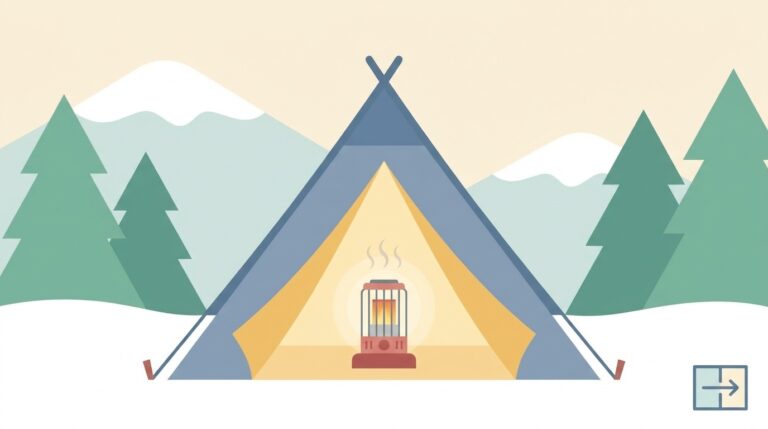
안녕하세요! It’s your Daily Hangul editor and your 10-year local culture navigator. Picture this: You have pitched your shelter in the powdery, snow-covered pine forests of Gangwon-do. The scenery looks straight out of an ambient K-drama winter scene—steam rising from a simmering pot of budae jjigae over a camping burner, fairy lights twinkling under the frozen canvas. But as temperatures plummet to minus fifteen degrees Celsius (-15°C), reality sets in.
Inside the tent, you ignite a kerosene heater (paeseok-yu nanro), but an uneasy feeling creeps in. How do you discuss carbon monoxide safety protocols with your Korean camping buddies without sounding pedantic? How do you ask a campground host (kaem-ji-gi) whether the electrical output (heoyong jeollyang) supports your thermal mattress topper? Winter camping (donggye kaemping) in Korea is a romantic obsession, but it relies on rigorous, life-saving safety codes. This masterclass bridges advanced conversational nuances with crucial survival Korean so you can camp warm, stay safe, and communicate like a seasoned outdoor veteran.
Phase 2: Core C1 Expressions In-Depth
1. 환기창은 상하부로 상시 확보해 두셔야 일산화탄소 중독을 막을 수 있어요.
- Pronunciation: Hwan-gi-chang-eun sang-ha-bu-ro sang-si hwak-bo-hae du-syeo-ya il-san-hwa-tan-so jung-dok-eul mag-eul su iss-eo-yo. (Sounds like: Hwan-gee-chang-eun sang-ha-boo-roh sang-she hwak-boh-hae doo-shyeo-yah eel-san-hwa-tan-soh joong-dohg-eul mahg-eul soo eess-uh-yoh)
- Literal vs. Nuanced Meaning: “You must constantly secure ventilation windows at both upper and lower sections to prevent carbon monoxide poisoning.” -> In practice, this is a sophisticated, safety-conscious advisory used among advanced outdoor enthusiasts to ensure continuous airflow without letting the entire tent freeze.
- K-Culture Moment: Commonly heard in outdoor lifestyle vlogs when experienced campers review winter gear setups in sub-zero alpine conditions.
- Editor’s Insight: Notice the term 상하부 (sang-ha-bu)—referring to dual-plane ventilation. In Korean winter camping culture, creating a convection draft (cold air in from below, heated exhaust out from above) is considered non-negotiable etiquette and safety practice.
- Situation Spectrum: Casual: ⚠️ | Semi-formal: ✅ | Formal: ✅
- 🤔 Think About It: In English, we often say “leave a vent open.” Why does Korean outdoor communication favor precise compound nouns like 상하부 확보 (securing top and bottom)? Reflect on how Korean technical safety advice emphasizes systemic preparation.
2. 난로 가동 전에 경보기 작동 여부랑 배터리 잔량부터 이중 체크하셨어요?
- Pronunciation: Nan-ro ga-dong jeon-e gyeong-bo-gi jak-dong yeo-bu-rang bae-teo-ri jan-ryang-bu-teo i-jung chek-eu-ha-syeoss-eo-yo?
- Literal vs. Nuanced Meaning: “Before operating the heater, did you double-check whether the alarm is functioning and inspect the remaining battery level?”
- K-Culture Moment: A standard question exchanged between tent-mates before bedding down for the night, balancing warm camaraderie with life-critical caution.
- Editor’s Insight: 이중 체크 (i-jung chek-eu) is a loanword compound heavily used in everyday Korean to emphasize meticulous, zero-error safety verification.
- Situation Spectrum: Casual: ✅ | Semi-formal: ✅ | Formal: ✅
- 🤔 Think About It: Notice how checking on others’ safety setups is framed politely as an inquiry rather than a direct command. How does this align with Korean relational dynamics?
3. 사이트당 전기 규격이 600W로 제한되어 있어서 고전력 온풍기는 차단기가 떨어져요.
- Pronunciation: Sa-i-teu-dang jeon-gi gyu-gyeok-i yuk-baek-wa-teu-ro je-han-doe-eo iss-eo-seo go-jeon-ryeok on-pung-gi-neun cha-dan-gi-ga tteol-eo-jyeo-yo.
- Literal vs. Nuanced Meaning: “Because the electricity limit is restricted to 600W per site, high-wattage fan heaters will trip the circuit breaker.”
- K-Culture Moment: Overheard at almost every official Korean auto-camping site check-in office (gwanli-samuso).
- Editor’s Insight: 차단기가 떨어지다 (cha-dan-gi-ga tteol-eo-ji-da) literally means “the breaker falls,” which is the idiomatic standard for “the circuit breaker trips.”
- Situation Spectrum: Casual: ⚠️ | Semi-formal: ✅ | Formal: ✅
- 🤔 Think About It: Why is public utility compliance such a prominent conversation topic in Korean communal campsites? Consider how group harmony (gongdongche) dictates individual equipment choices.
Phase 3: Textbook Korean vs. Real Native Korean
Situation 1: Warning someone about heater ventilation
- 📖 Textbook Korean: 텐트 안이 위험하니까 문을 조금 열어 놓으세요. (Ten-teu an-i wi-heom-ha-ni-kka mun-eul jo-geum yeol-eo noh-eu-se-yo. – “Because the inside of the tent is dangerous, leave the door open a bit.”)
- 🗣️ Real Native Korean: 스커트 다 막지 마시고 벤틸레이션 양쪽으로 확실히 터놓으셔야 돼요. (Seu-keo-teu da mak-ji ma-si-go ben-til-re-i-syeon yang-jjok-eu-ro hwak-sil-hi teo-noh-eu-syeo-ya dwae-yo. – “Don’t seal the outer skirt completely; make sure both ventilation flaps are properly opened up.”)
- 💡 Why the Difference?: Native campers use loan-adapted terminology (스커트 / 벤틸레이션) paired with vivid action verbs like 터놓다 (to open wide/unblock freely), sounding far more professional and natural.
Situation 2: Asking if a carbon monoxide detector is ready
- 📖 Textbook Korean: 가스 경보기가 있습니까? (Ga-seu gyeong-bo-gi-ga iss-seub-ni-kka? – “Do you have a gas alarm?”)
- 🗣️ Real Native Korean: 일산화탄소 감지기 헤드 높이에 맞춰서 걸어두셨죠? (Il-san-hwa-tan-so gam-ji-gi he-deu nop-i-e match-wo-seo geol-eo-du-syeoss-jyo? – “You’ve hung the carbon monoxide detector at head height, right?”)
- 💡 Why the Difference?: Advanced Korean speakers don’t just ask about ownership; they verify technical placement (head level while sleeping vs. ceiling level for smoke).
Phase 4: K-Culture Deep Dive & Non-Verbal Etiquette
4-1. Nunchi & Camper Etiquette (Kaemp-ti-ket)
In Korean winter camping culture, noise and light discipline go hand-in-hand with safety manners. When inspecting shared electrical distribution boxes (baejeonban), never drag long extension cords across main walking paths where frozen ground makes them tripping hazards. If your neighbor’s heater flame appears yellow (indicating incomplete combustion, bul-wan-jeon yeon-so), polite campers do not shout; they approach gently, offer an extra detector or politely say: “난로 불꽃 상태가 조금 불안정한 것 같은데, 환기 한번 체크해 보시겠어요?” (“Your heater flame seems a bit unstable; would you mind checking your ventilation?”). This is the pinnacle of outdoor Nunchi.
4-2. Cultural Code: The ‘Bulmeong’ and Tent Heating Culture
Korean winter campers are known for Bulmeong (불멍 – zoning out while staring into a fire) and Donggye Sol-kaem (solo winter camping). However, because Korean campsites are densely organized, heating mistakes affect entire sectors. Tripping a circuit breaker cuts off power to elderly or infant-bearing tents nearby during freezing winter nights. Consequently, understanding heater safety and wattage limits is considered a fundamental civic duty (gong-jung do-deok).
Phase 5: Real-World Roleplay Scenario
Setting: Pyeongchang Pine Woods Camping Ground. Minus 12°C. You are setting up your shelter next to Min-woo, an experienced Korean gear reviewer.
- Min-woo: 날씨가 영하 12도까지 떨어진다는데, 등유 난로 세팅은 다 끝내셨어요? (Nal-ssi-ga yeong-ha 12-do-kka-ji tteol-eo-jin-da-neun-de, deung-yu nan-ro se-ting-eun da kkeut-nae-syeoss-eo-yo? / “They say it’s dropping to -12°C, have you finished setting up your kerosene heater?”)
- You: 🎭 (Checking the digital meter) 네, 심지 안정화는 30분 전에 끝내뒀고 이제 막 점화했어요. (Ne, sim-ji an-jeong-hwa-neun 30-bun jeon-e kkeut-nae-dwoss-go i-je mak jeom-hwa-haess-eo-yo. / “Yes, I finished wick stabilization 30 minutes ago and just ignited it.”)
- Min-woo: 다행이네요. 혹시 일산화탄소 경보기는 어디에 두셨나요? (Da-haeng-i-ne-yo. Hok-si il-san-hwa-tan-so gyeong-bo-gi-neun eo-di-e du-syeoss-na-yo? / “Glad to hear that. By the way, where did you place your carbon monoxide detector?”)
- You: 🎭 (Pointing to the inner tent hanger) 잠자리 머리맡 30cm 위쪽에 하나, 텐트 상부 벤틸레이션 근처에 하나씩 이중으로 걸어뒀어요. (Jam-ja-ri meo-ri-mat 30cm wi-jjok-e ha-na, ten-teu sang-bu ben-til-re-i-syeon geun-cheo-e ha-na-ssik i-jung-eu-ro geol-eo-dwoss-eo-yo. / “I placed one 30cm above our sleeping head-level, and another near the top tent ventilation point for dual safety.”)
- Min-woo: 완벽하시네요! 배전함 전기선은 릴선 끝까지 다 풀어서 연결하셨죠? (Wan-byeok-ha-si-ne-yo! Bae-jeon-ham jeon-gi-seon-eun ril-seon kkeut-kka-ji da pul-eo-seo yeon-gyeol-ha-syeoss-jyo? / “Flawless! You uncoiled your electrical extension reel all the way before plugging it in, right?”)
- You: 🎭 (Nodding with confidence) 당연하죠. 감아둔 채로 쓰면 과열로 화재 위험이 있으니까요. (Dang-yeon-ha-jyo. Gam-a-dun chae-ro sseu-myeon gwa-yeol-ro hwa-jae wi-heom-i iss-eu-ni-kka-yo. / “Of course. Leaving it coiled up creates an overheating fire hazard.”)
- Min-woo: 역시 고수시네요. 취침 전에 등유 부족하지 않게 연료 게이지 한 번 더 확인하세요! (Yeok-si go-su-si-ne-yo. Chwi-chim jeon-e deung-yu bu-jok-ha-ji anh-ge yeon-ryo ge-i-ji han beon deo hwak-in-ha-se-yo! / “You really are an expert. Make sure to check the fuel gauge once more before sleeping so you don’t run out of kerosene!”)
- You: 🎭 (Smiling gratefully) 네, 환기창 5cm 확보하고 안전하게 잘게요. 꿀팁 감사합니다! (Ne, hwan-gi-chang 5cm hwak-bo-ha-go an-jeon-ha-ge jal-ge-yo. Kkul-tip gam-sa-hap-ni-da! / “Yes, I will keep the 5cm ventilation opening secured and sleep safely. Thanks for the great tip!”)
🔀 Interactive Choice:
Min-woo offers to lend you his high-powered 1500W electric ceramic heater because it looks freezing tonight. How do you respond?
- Option A: “감사합니다! 바로 텐트에 틀어서 따뜻하게 잘게요.” (Accept immediately and plug it in).
- Feedback (Risk): Dangerous! Korean campsites have strict limits (usually 600W max). A 1500W heater will trip the main breaker for your entire zone.
- Option B: “마음은 감사하지만, 사이트 허용 전력이 600W라 차단기 떨어질까 봐 등유 난로랑 침낭으로 충분할 것 같아요!” (Politely decline citing 600W limit).
- Feedback (Best): Excellent C1-level etiquette! You protect communal electricity while showing profound campsite safety awareness.
- Option C: “전기 난로는 위험하니까 그냥 버리세요.” (Bluntly tell him electric heaters are dangerous).
- Feedback (Bad): Rude and socially awkward. Dismisses goodwill without demonstrating cultural tact.
Phase 6: 10-Second Emotion Shadowing Drill
[😨 긴장되고 단호하게 / Tense & Firm]- “잠깐만요! / 릴선 안 풀고 고전력 쓰면 / 피복 녹아서 / 불나요!”
- Jam-kkan-man-yo! / Ril-seon an pul-go go-jeon-ryeok sseu-myeon / pi-bok nok-a-seo / bul-na-yo!
[😌 안도하며 신뢰감 있게 / Relieved & Confident]- “경보기 배터리 갈았고 / 환기창 상하부 다 열어뒀으니 / 이제 안심하고 잡시다.”
- Gyeong-bo-gi bae-teo-ri gal-ass-go / hwan-gi-chang sang-ha-bu da yeol-eo-dwoss-eu-ni / i-je an-sim-ha-go jap-si-da.
[🤝 정중하고 배려심 넘치게 / Courteous & Neighborly]- “혹시 밤새 추우시면 / 제 등유 여유분 있으니까 / 편하게 말씀하세요.”
- Hok-si bam-sae chu-u-si-myeon / je deung-yu yeo-yu-bun iss-eu-ni-kka / pyeon-ha-ge mal-sseum-ha-se-yo.
Phase 7: K-Culture Mini Dictionary
- 일산화탄소 경보기 (Il-san-hwa-tan-so Gyeong-bo-gi) | Carbon Monoxide Detector
- Essential winter camping gear in Korea. Experienced campers always carry two independent battery-powered units to safeguard against device failure.
- 릴선 (Ril-seon) | Electrical Cable Reel / Extension Cord
- Standard gear for powered campsites. Korean regulations require uncoiling the entire cord length to prevent inductive heating and fire risks.
- 불완전 연소 (Bul-wan-jeon Yeon-so) | Incomplete Combustion
- A state where a heater burns fuel inefficiently due to lack of oxygen or a dirty wick, producing deadly carbon monoxide and soot.
- 매너타임 (Mae-neo-ta-im) | Quiet Hours / Manners Time
- Typically starting at 10:00 PM or 11:00 PM across Korean campsites. Music, loud conversations, and engine idling must strictly cease.
Phase 8: Outdoor Survival Kit
Top 3 Survival Phrases:
- “등유 10리터 주유하고 주유기 자동 멈춤 후에 잔유 털어주세요.” (Deung-yu sip-ri-teo ju-yu-ha-go ju-yu-gi ja-dong meom-chum hu-e jan-yu teol-eo-ju-se-yo.)
- Pro Tip: Use this at gas stations (juyuso) to buy pure kerosene (sil-nae deung-yu) without spilling smelly residue onto your car trunk.
- “여기 사이트 분전함 메인 차단기 위치가 어디인가요?” (Yeo-gi sa-i-teu bun-jeon-ham me-in cha-dan-gi wi-chi-ga eo-di-in-ga-yo?)
- Pro Tip: Essential when checking in, so you know where to troubleshoot if electricity trips at 3 AM.
- “등유 난로 소화할 때 그을음이랑 냄새 안 나게 서서히 꺼주세요.” (Deung-yu nan-ro so-hwa-hal ttae geu-eul-eum-i-rang naem-sae an na-ge seo-seo-hi kkeo-ju-se-yo.)
- Pro Tip: Remind your companions to extinguish heaters outside the main sleeping quarters to prevent indoor odor buildup.
Editor’s Travel Note:
- For discovering high-altitude, safe winter campsites with real-time weather and power limits, consult the Korea National Park Reservation Service or navigate local terrain using the Kakao Map Outdoors Guide.
Phase 9: A Step Deeper (Reflective Essay)
In Korean outdoor culture, Gongdongche Uisik (공동체 의식 – communal consciousness) transforms individual safety into a collective endeavor. When camping in zero-degree weather, your heater is not merely personal equipment; it is part of a delicate communal ecosystem where sounds, smells, and electrical circuits are interconnected. Koreans view double-checking their equipment and respecting wattage limits not as restricting personal freedom, but as expressing Jeong (정) and responsibility toward neighboring campers.
💬 Your Turn: Have you ever experienced winter camping or outdoor heating challenges? How does safety etiquette differ in your home country compared to Korea’s highly connected communal campsites? Share your thoughts below!
Phase 10: FAQ & Common Mistakes
Q: Can I use butane canister heaters (butane nanro) inside my tent during sleep?
A: Absolutely not. In Korea, indoor use of open-flame portable butane heaters during sleep is strictly advised against due to rapid oxygen depletion and immense fire risks. Stick to certified convection kerosene heaters or electric heating pads within the 600W limit.
Q: Why do Korean campers insist on hanging the carbon monoxide detector at head height?
A: While carbon monoxide is slightly lighter than ambient air, heated air currents inside a winter tent create swirling convection zones. Positioning the detector at actual breathing level while lying down ensures earliest detection of danger.
Q: Where do I buy winter heating kerosene in Korea?
A: Look for gas stations with signs reading 실내등유 (sil-nae deung-yu). Most roadside stations near popular camping regions (like Gapyeong, Hongcheon, and Pyeongchang) sell it directly into portable jerrycans (mal-tong).
🚨 3 Critical Mistakes Foreign Campers Make:
- Leaving the extension cord coiled up inside the tent:
- Correct Action: Fully unroll the cable reel outside to dissipate heat build-up.
- Taping down tent skirts completely with snow to stop drafts:
- Correct Action: Always keep top and bottom ventilation slits (hwan-gi-gu) propped open with tent struts.
- Using high-wattage hair dryers or home electric heaters:
- Correct Action: Check the rated power label; keep total combined wattage under 600 Watts per site.
Phase 11: Action Missions
- 🥉 Bronze Mission: Stand in front of your mirror and practice the phrase: “일산화탄소 경보기 배터리 잔량 확인했습니다!” 3 times smoothly.
- 🥈 Silver Mission: Next time you post an outdoor or winter photo on Instagram, caption it in Korean using the hashtags
#동계캠핑 #안전캠핑 #환기필수. - 🥇 Gold Mission: Visit a Korean outdoor gear store (like KZM or Snowline) or campsite, and ask the staff in Korean about the wattage and ventilation recommendations of their winter setups!
🎮 K-Culture Mission: Watch an episode of outdoor variety shows like House on Wheels (바퀴 달린 집) and spot how cast members ventilate their living spaces during cold-weather cooking.
Phase 12: Interactive Quiz Challenge
Question 1: What is the primary reason for fully uncoiling an electrical reel (릴선) at a Korean campsite?
A) To make the tent look tidy
B) To prevent cable overheating and fire caused by electrical resistance
C) To increase the electrical wattage limit beyond 600W
👉 View Answer & Explanation
Correct Answer: B
Explanation: Coiled power cables generate concentrated thermal resistance under continuous electrical load, posing severe fire hazards. It does not increase power limits.
Question 2: Complete the blank with the appropriate C1-level term:
“텐트 내부 공기 순환을 위해 상하부 ____를 반드시 확보해야 합니다.”
👉 View Answer & Explanation
Correct Answer: 환기창 (Hwan-gi-chang – Ventilation window/slit)
Explanation: 환기창 or 환기구 refers to the designated dual-point ventilation panels necessary for safe winter heating.
Question 3: True or False:
“In Korean campsites, you can freely use a 1800W household electric fan heater as long as you pay an extra fee upon arrival.”
👉 View Answer & Explanation
Correct Answer: False
Explanation: Campsite limits are legally capped (typically 600W per pitch) to prevent grid overloads and campsite-wide blackouts. High-wattage home heaters are universally prohibited.






