

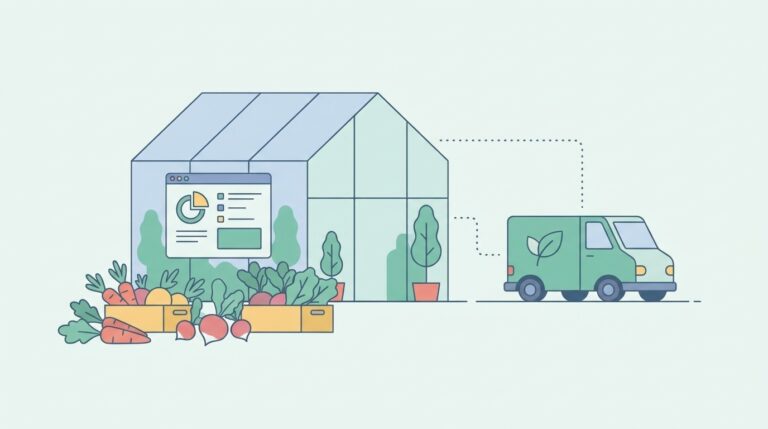
Phase 1: Empathy & Narrative Opening
안녕하세요! 매일한글 (Daily Hangul) Editor here! Have you ever stood in the grocery aisle of an upscale Seoul supermarket or scrolled through a trendy Korean grocery delivery app at midnight, completely fascinated yet slightly bewildered by terms like 못난이 채소 (monnan-i chaeso) or 소비기한 (sobigihan)?
Picture this: In an episode of a modern K-drama like Start-Up or a variety show like Delicious Rendezvous (맛남의 광장), visionary young entrepreneurs and celebrity chefs rally to rescue tons of perfectly delicious yet aesthetically ‘imperfect’ produce from being discarded. Korea’s rapid shift toward cutting-edge Agri-Tech, cold-chain direct-to-consumer logistics, and strict food waste reduction policies (음식물 쓰레기 종량제) has transformed how Koreans buy, cook, and discuss agricultural commodities.
For advanced Korean speakers (C2 level), mastering this discourse isn’t just about knowing basic vegetable names; it is about navigating sophisticated socio-economic dialogues on food security, ESG management, agricultural logistics, and sustainable consumption. Based on feedback from foreign professionals working in Korean trade, sustainable tech, and policy analysis, this guide provides the nuanced vocabulary and cultural agility needed to debate distribution innovations like a native expert.
Phase 2: In-Depth Analysis of 3 Core Expressions
1. 못난이 농산물 가치소비 (Monnan-i nongsanmul gachi-sobi)
- Pronunciation: [Mon-nan-i nong-san-mul ga-chi-so-bi] (Rhymes with ‘cone-non-ee nong-sahn-mool gah-chee-so-bee’)
- Meaning: Literal: ‘Ugly agricultural produce value-based consumption’ | Nuance: Consciously purchasing aesthetically imperfect or surplus produce to curb food waste and support local farmers.
- K-Culture Moment: Chef Baek Jong-won championing oversized potatoes or scarred apples on television, triggering an instant nationwide sell-out across major retail apps.
- Editor’s Insight: While 못난이 literally means ‘ugly person/thing’, pairing it with 가치소비 (ethical/value consumption) shifts the tone from derogatory to an eco-conscious, savvy lifestyle movement popular among Korean Millennials and Gen Z.
- Situation Spectrum: Casual ✅ | Semi-formal ✅ | Formal ✅
- 🤔 Think About It: How does your native language refer to surplus or cosmetically imperfect food? Does your culture treat buying it as an economic compromise or an ethical badge of honor?
2. 산지 직송 유통 혁신 (Sanji jiksong yutong hyeoksin)
- Pronunciation: [San-ji jik-song yu-tong hyeok-sin] (Think: ‘Sahn-jee jeek-song yoo-tong hyuk-sheen’)
- Meaning: Literal: ‘Direct shipment from production site distribution innovation’ | Nuance: Farm-to-table supply chain disruption that eliminates redundant middlemen to minimize transit spoilage and emissions.
- K-Culture Moment: Tech founders pitching D2C (Direct-to-Consumer) mobile platforms on Korean business talk shows to revitalize aging rural communities.
- Editor’s Insight: 산지 (place of origin) gives an immediate aura of pristine freshness. When paired with 유통 혁신 (logistics innovation), it conveys both cutting-edge supply-chain efficiency and rural advocacy.
- Situation Spectrum: Casual ⚠️ | Semi-formal ✅ | Formal ✅
- 🤔 Think About It: In Korea, shortening distribution steps directly addresses food security. Is supply chain transparency framed as a technological feat or an environmental imperative in your country?
3. 소비기한 표시제 정착 (Sobigihan pyosije jeongchak)
- Pronunciation: [So-bi-gi-han pyo-si-je jeong-chak] (Think: ‘Soh-bee-gee-hahn pyoh-she-jeh jung-chahk’)
- Meaning: Literal: ‘Settling of the use-by date labeling system’ | Nuance: Institutionalizing consumption expiration dates rather than sell-by dates (유통기한) to prevent premature food disposal.
- K-Culture Moment: Public service campaigns on Korean subway screens and news debates analyzing consumer awareness since the 2023 legal transition.
- Editor’s Insight: Using the term 정착 (taking root/settling) highlights policy implementation and civic compliance, elevating your speech to C2-level professional Korean.
- Situation Spectrum: Casual 🚫 | Semi-formal ✅ | Formal ✅
- 🤔 Think About It: Distinguishing between ‘sell-by’ and ‘use-by’ dates requires public trust in institutional guidelines. How does regulatory phrasing affect waste behavior in your culture?
Phase 3: Textbook Korean vs. Real Native Korean
Situation 1: Discussing buying discounted near-expiry groceries
- 📖 교과서 한국어 (Textbook): 유통기한이 임박한 식품을 할인해서 구매합시다. (Yutonggihani imbak-han sikpumeul halinhaeseo gumaehapsida. – Let us purchase foods whose distribution deadlines are imminent at a discount.)
- 🗣️ 진짜 한국어 (Real Native): 마감 세일할 때 라스트오더 앱으로 쟁여두면 낭비도 줄이고 완전 이득이에요. (Magam seil-hal ttae raseuteu-odeo aebeuro jaeng-yeodumyeon nangbido jurigo wanjeon ideuk-ieyo. – Snatching things up via last-minute order apps during closing sales cuts waste and is such a bargain.)
- 💡 왜 다를까? (Why the difference?): Modern urban Koreans actively utilize hyper-local food rescue apps (like Last Order or 당근마켓). Using vivid verbs like 쟁여두다 (to stock up/hoard smartly) demonstrates native fluency.
Situation 2: Expressing support for imperfect produce initiatives
- 📖 교과서 한국어 (Textbook): 겉모습이 온전하지 못한 농산물도 영양가가 동일하므로 소비해야 합니다. (Geotmoseubi onjeonhaji mothan nongsanmuldo yeong-yanggaga dong-ilhameuro sobihaeya hamnida. – Produce with imperfect outward appearance has the same nutritional value, so we must consume it.)
- 🗣️ 진짜 한국어 (Real Native): 못난이 채소 정기구독 서비스 써보니까 신선도도 뒤지지 않고 농가 상생에도 보탬이 되더라고요. (Monnan-i chaeso jeong-gigudok seobiseu sseobonikka sinseondodo dwijiji anko nongga sangsaeng-edo botaemi doedeoragoyo. – Trying an ugly-veg subscription box showed me the freshness doesn’t lag at all, plus it actively aids mutual farmer prosperity.)
- 💡 왜 다를까? (Why the difference?): C2 speakers naturally weave in business-lifestyle terms like 정기구독 (subscription) and social values like 상생 (win-win mutual co-existence).
Phase 4: K-Culture Deep Dive & Non-Verbal Manners
4-1. Nunchi & Professional Manners in Agribusiness Discussions
When discussing agricultural issues, food waste, or price volatility in Korea, remember that farming (농업) carries deep emotional resonance linked to cultural identity and rapid modernization.
* Eye Contact & Nodding: When a partner shares rural production difficulties, maintain steady eye contact paired with measured, empathetic nods (고개 끄덕임). Avoid dismissive corporate jargon.
* Two-Handed Etiquette: If offered fresh local produce or seasonal samples during a regional meeting, always receive them with both hands (두 손으로 받기) while verbally acknowledging the grower’s effort (“귀한 농산산물 잘 먹겠습니다”).
4-2. Cultural Code Analysis: The ‘Sangsaeng’ (상생) Philosophy
From CJ CheilJedang’s localized sourcing to Kurly’s direct cold-chain logistics, modern Korean consumerism is centered on 상생 (co-prosperity). In K-culture, eating seasonal produce (제철 음식) is viewed not just as a health habit, but as an agrarian civic duty. By understanding 상생, you understand why Korean consumers take pride in subscribing to rescue boxes of flood-damaged apples or unstandardized garlic.
Phase 5: Real-Life Roleplay Scenario
Setting: A strategic partnership meeting between Min-seo (ESG Director at an Agri-Tech startup) and Julian (Senior Global Supply Chain Analyst).
- Min-seo: 줄리안 님, 이번에 런칭한 산지 직송 풀필먼트 플랫폼 반응이 기대 이상이에요. (Julian-nim, ibeone reonchinghan sanji jiksong pulpilmeonteu peullaetpom baneung-i gidae isang-ieyo.) [🎭 Leaning forward with tablet presentation]
- Julian: 네, 중간 유통 단계를 획기적으로 줄여서 폐기율을 15% 이상 낮췄더군요. (Ne, junggan yutong dangyereul hoekgijeog-euro juryeoseo pyegiyureul sib-o peosenteu isang nachwotdeogun-yo.) [🎭 Nodding approvingly while examining logistics data]
- Min-seo: 맞아요. 특히 규격 외 B급 농산물, 즉 ‘못난이 채소’의 판로를 개척한 게 주효했습니다. (Maj-ayo. Teukhi gyugyeok oe bigeup nongsanmul, jeuk ‘monnan-i chaeso’-ui panroreul gaecheokhan ge juhyohaessseumnida.) [🎭 Highlighting customer retention graphs]
- Julian: 소비자 입장에서는 가치소비를 실천하고, 농가는 폐기 비용을 아끼는 선순환 구조네요. (Sobija ipjang-eseoneun gachisobireul silcheonhago, nongganeun pyegi biyong-eul akkineun seonsunhwan gujoneyo.) [🎭 Taking concise notes]
- Min-seo: 게다가 소비기한 표시제 전환 이후 신선식품 데이터 관리가 더 정교해졌어요. (Gedaga sobigihan pyosije jeonhwan ihu sinseonsikpum deiteo gwanriga deo jeong-gyohaejyeosseoyo.) [🎭 Demonstrating app UI workflow]
- Julian: 콜드체인 기술이 뒷받침되니 로스율(Loss rate) 감소가 가시적으로 드러나는군요. (Koldeuchein gisuri dwitbatchimdoeni roseuyul gamsoga gasijeog-euro deureonaneungun-yo.) [🎭 Smiling with deep analytical confidence]
- Min-seo: 장기적으로는 이 유통 혁신 모델을 전국 지자체 로컬푸드 센터로 확대할 계획입니다. (Jang-gijeog-euroneun i yutong hyeoksin modeureul jeonguk jijache rokeolpudeu senteoro hwakdaehal gyehoek-imnida.) [🎭 Handing over executive proposal]
- Julian: 식량 안보와 탄소 감축을 동시에 잡는 모범적인 비즈니스 모델로 평가받겠는데요. (Singnyang anbowa tanso gamchug-eul dongsie jamneun mobeomjeogin bijeuniseu modelro pyeong-gabakkenneundeyo.) [🎭 Accepting document with both hands]
🔀 Interactive Decision Point
How should Julian respond to seal the partnership regarding scaling up regional farmer adoption?
- Option A: “단순히 단가를 후려치기보다는 농가 수익 보전 모델을 계약서에 명문화합시다.” (Let’s formalize farmer profit guarantees in the contract rather than squeezing unit prices.)
- Option B: “지자체 공무원들이 귀찮아할 텐데 대기업 물류망에 전부 넘기는 게 낫지 않나요?” (Local officials might find it tedious, shouldn’t we just hand it all over to conglomerate logistics?)
- Option C: “B급 농산물은 아무리 싸도 결국 상품성이 떨어지니 마케팅을 접읍시다.” (No matter how cheap, B-grade produce lacks merchantability, so let’s halt marketing.)
Feedback:
* Option A (Best): Perfect C2-level business ethics. Using 후려치다 analytically while asserting 명문화하다 (stipulate in writing) demonstrates master-level diplomacy.
* Option B (Risk): Culturally tone-deaf and overlooks regional political relationships essential in Korean agriculture.
* Option C (Bad): Completely contradicts the purpose of distribution innovation and ESG initiatives.
Phase 6: 10-Second Emotion Shadowing Drill
[🔥 확신에 차고 당당하게 - Confident & Resolute]
유통 단계를 축소하는 것만이 / 식량 손실과 탄소 배출을 / 동시에 줄이는 지름길입니다.
(Yutong dangyereul chuksohaneun geonmani / singnyang sonsilgwa tanso baechureul / dongsie jurineun jireumgil-imnida.)-
[💡 깨달음을 얻고 감탄하며 - Impressed & Perceptive]
단순한 파지 농산물인 줄 알았는데, / 산지 직송 플랫폼 덕분에 / 완벽한 고부가가치 상품으로 재탄생했네요!
(Dansunhan paji nongsanmurin jul aranneunde, / sanji jiksong peullaetpom deokbune / wanbyeokhan gobugagachi sangpumeuro jaetan-saenghaenneyo!) -
[🤝 신뢰를 담아 설득력 있게 - Persuasive & Trustworthy]
소비기한을 정확히 인지할 때, / 불필요한 폐기를 막고 / 지속 가능한 식생활을 구축할 수 있습니다.
(Sobigihaneul jeonghwakhi injihal ttae, / bulpiryohan pyegireul makgo / jisok ganeunghan siksaenghwareul guchukhal su issseumnida.)
Phase 7: K-Culture Mini Dictionary
- 로스율 (Loseu-yul) / Spoilage & Loss Rate: Loanword jargon widely used across Korean logistics, convenience stores, and agriculture to quantify discarded inventory.
- 푸드 리퍼브 (Pudeu Ripeobeu) / Food Refurb: The sustainable practice of repurposing aesthetically imperfect ingredients into snacks, processed meals, or cosmetics.
- 콜드체인 풀필먼트 (Koldeu-chein Pulpilmeonteu) / Cold-Chain Fulfillment: Temperature-controlled integrated warehousing and delivery essential for rapid morning deliveries (새벽배송).
- 선순환 생태계 (Seonsunhwan Saengtae-gye) / Virtuous Cycle Ecosystem: High-level corporate/policy term describing a self-reinforcing sustainable market structure benefiting producers, consumers, and society.
Phase 8: Survival Kit for Travelers & Eco-Conscious Expats
- Top 1: “이 앱으로 마감 할인 상품 예약할 수 있나요?” (I aebeuro magam hal-in sangpum yeyakhal su innayo? / Can I reserve closing-sale discount items via this app?)
- Pro Tip: Use this at hypermarkets or local bakeries when navigating mobile discounted food tags.
- Top 2: “소비기한이 아직 넉넉한 편인가요?” (Sobigihani ajik neongneokhan pyeon-in-gayo? / Is the consumption deadline still relatively generous?)
- Pro Tip: Inquire politely when purchasing unstandardized produce in bulk at traditional markets.
- Top 3: “못난이 농산물 코너는 어디에 마련되어 있나요?” (Monnan-i nongsanmul koneoneun eodie maryeondoeeo innayo? / Where is the ugly produce section located?)
- Pro Tip: Large Korean discount marts (like Hanaro Mart) often have dedicated display stands.
Editor’s Travel Note: When living in or visiting Korea, download hyper-local shopping apps through the Official Naver Map Application to locate zero-waste grocery pop-ups and local food cooperatives (로컬푸드 직매장). You can pay seamlessly with regional currency cards (지역화폐), earning tax-rebate perks while directly bolstering small-scale local farmers.
Phase 9: “One Step Deeper” (Thought Essay)
In traditional Korea, leaving a single grain of rice in a bowl was admonished under the belief that farmers endured eighty-eight labors (팔十八번의 손길) to produce it. Today, this ancestral reverence has evolved into sophisticated tech-driven civic platforms. Addressing food waste in contemporary Korea is not merely a matter of frugal housekeeping; it reflects an interplay between community reciprocity and cutting-edge logistical agility. When we understand how a nation with mountainous terrain and high import dependencies transforms its supply chain, we see language reflecting both cultural survival and technological pride.
💬 Your Turn: What logistical innovations does your country use to combat food waste, and how does your local language describe ‘ugly’ or rescue food? Share your thoughts below in Korean!
Phase 10: Structured FAQ & Common Mistakes
Q: What is the exact legal difference between 유통기한 (Sell-by) and 소비기한 (Use-by)?
A: 유통기한 (Distribution period) represents the timeframe a manufacturer is permitted to sell the product to consumers (retaining an estimated 30-40% safety margin). In contrast, 소비기한 (Consumption deadline) indicates the actual period during which it is safe to ingest the food under proper storage conditions. Korea formally instituted 소비기한 nationwide in 2023 to reduce unnecessary premature food disposal.
Q: Is calling produce ‘못난이’ considered rude or derogatory to farmers?
A: Not when used in modern marketing contexts! While 못난이 literally means ‘ugly duckling’ or ‘plain’, pairing it with 농산물 or 과일 has been embraced affectionately by agricultural cooperatives and tech platforms to highlight taste over aesthetic conformity.
Q: How do direct logistics platforms (산지직송) impact Korean food security?
A: By bypassing multiple wholesale intermediary stages (가락시장 wholesale hub layers), direct-to-consumer platforms reduce transit damage, stabilize farmer incomes against market speculation, and ensure transparent distribution during climate-induced supply crunches.
🚨 Common Mistakes Warning Board
- Confusing ‘폐기’ with ‘퇴비’: Do not say 음식을 퇴비했어요 when you mean you threw it away (폐기했어요). 퇴비화하다 specifically means composting organic waste.
- Misusing ‘B급’ in formal diplomacy: While consumers casually say B급 농산물, use 규격 외 농산물 (off-spec/unstandardized agricultural produce) during official meetings or policy forums.
- Overusing passive voice for logistics: Avoid 유통이 혁신되어졌어요. Use active, precise agency: 유통 구조를 획기적으로 개선했습니다 (We innovated the distribution structure).
Phase 11: Action Mission & Engagement
- 🥉 Bronze Mission (Solo Practice): Read the Phase 6 Shadowing Drill out loud 3 times, focusing on natural pauses at
/. - 🥈 Silver Mission (SNS Sharing): Post a photo of your recent eco-friendly meal or discounted grocery find on social media with the caption: #가치소비 #못난이농산물 #식량안보.
- 🥇 Gold Mission (Real Life): Visit a Korean grocery mart or farmers’ market and ask an associate: “혹시 규격 외 못난이 채소 코너는 따로 없나요?”
- 🎮 K-Culture Mission: Watch an episode of a Korean culinary documentary or variety show (such as Delicious Rendezvous) and jot down 3 supply-chain terms used by the hosts.
Phase 12: Interactive Quiz Challenge
1. Situation Judgment Quiz:
You are drafting an ESG press release regarding your company’s new agricultural logistics system that cuts supply chain layers. Which sentence is most appropriate for a C2 professional tone?
* (A) 못난이 채소 막 사서 버리는 거 막았어요.
* (B) 산지 직송 유통 혁신을 통해 불필요한 농산물 폐기율을 획기적으로 절감했습니다.
* (C) 채소 모양이 이상해도 맛은 똑같으니까 많이 사주세요.
2. Fill-in-the-Blank Quiz:
2023년부터 도입된 ( ) 표시제는 식품이 실제로 변질되지 않고 섭취 가능한 기한을 명시하여 음식물 쓰레기를 줄이는 데 기여하고 있다.
3. True or False Cultural Quiz:
In Korea, purchasing ‘못난이 농산물’ is traditionally considered embarrassing and is hidden from social media by younger generations. (T / F)
🔍 Click here to reveal Answers & Detailed Explanations
- Answer: (B)
- Explanation: (B) uses sophisticated C2 business vocabulary (산지 직송 유통 혁신, 폐기율, 획기적으로 절감했습니다). (A) and (C) are overly colloquial and lack corporate professionalism.
- Answer: 소비기한 (Sobigihan – Use-by date)
- Explanation: 소비기한 is the statutory terminology designating actual edible shelf-life to minimize disposal waste.
- Answer: False (F)
- Explanation: On the contrary, buying ugly produce is celebrated as trendy 가치소비 (ethical value consumption) among Korean youth, who frequently share their sustainable subscription hauls online.
- Explanation: On the contrary, buying ugly produce is celebrated as trendy 가치소비 (ethical value consumption) among Korean youth, who frequently share their sustainable subscription hauls online.







