

Surviving Korea’s Sizzling Tropical Nights: Natural Korean Phrases for Sleepless Summer Evenings
Phase 1: Empathy & Storytelling Opening
안녕하세요! 매일한글 에디터입니다. (Hello! This is your Daily Hangul editor.)
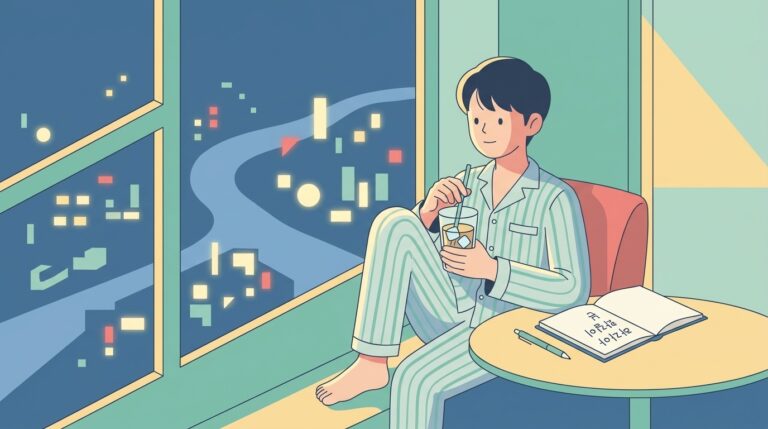
Picture this: It is 2:00 AM in downtown Seoul in late July. You step out of your bed to grab some ice water, but the air inside your room feels thick, humid, and heavy—just like stepping into a steaming bowl of fresh Samgyetang. You toss and turn, your fan is blowing warm air, and your phone weather app alerts you with a familiar red banner: Yeoldaeya (열대야 – Tropical Night Phenomenon).
If you have ever spent a summer in Korea, you know that summer nights are not always breezy and refreshing. Between the humidity rising from the Han River and asphalt retaining heat, sleepless nights are practically a collective summer ritual across the country. Many of our intermediate learners tell us: “I know how to say ‘It’s hot’ (더워요), but how do Koreans naturally express that exhausting, restless feeling when the heat keeps them awake all night?”
Today, we are diving deep into authentic, native Korean expressions for surviving tropical nights. By mastering these phrases, you will not only sound like a true local at morning coffee runs, but you will also bond effortlessly with your Korean friends over your shared summer fatigue. Let’s conquer the heat together!
Phase 2: Core 3 Expressions Deep Dive
1. 열대야 때문에 잠을 설쳤어요
- Pronunciation: [Yeol-dae-ya ttae-mun-e jam-eul seol-cheoss-eo-yo] (Sounds like: ‘Yull-dae-ya tteh-moon-eh jahm-eul soul-chyuss-oh-yo’)
- Meaning: Literal: “I slept poorly because of the tropical night.” / Nuance: “The brutal nighttime heat kept me tossing and turning all night.”
- K-Culture Moment: You will hear this exact phrase every morning in summer K-Dramas when office workers drag themselves into the elevator holding an iced Americano with dark circles under their eyes.
- Editor’s Insight: The verb 설치다 (seolchida) means to sleep fitfully or repeatedly wake up without falling into deep REM sleep. Pairing it with 열대야 (tropical night – when temperatures stay above 25°C/77°F overnight) instantly conveys the exact reason for your exhaustion.
- Situation Spectrum: Casual: ✅ | Semi-formal: ✅ | Formal: ⚠️ (In very formal settings, use: ‘열대야로 인해 숙면을 취하지 못했습니다’)
- 🤔 Think About It: In English, we often say “I couldn’t sleep a wink.” How does specifying the exact meteorological cause (열대야 때문에) reflect the shared communal experience of Korean weather?
2. 더워서 밤새 뒤척였어요
- Pronunciation: [Deo-wo-seo bam-sae dwi-cheog-yeoss-eo-yo] (Sounds like: ‘Duh-wuh-suh bahm-seh dwee-chuhk-yuss-oh-yo’)
- Meaning: Literal: “Because it was hot, I tossed and turned all night.” / Nuance: “It was so sweltering that I kept rolling around in bed trying to get comfortable.”
- K-Culture Moment: A popular variety show trope where cast members waking up in a countryside traditional Hanok without AC complain to the producers before their morning mission.
- Editor’s Insight: 뒤척이다 (dwicheog-ida) is a vivid mimetic verb describing the physical action of flipping your body back and forth across a sweaty mattress.
- Situation Spectrum: Casual: ✅ | Semi-formal: ✅ | Formal: 🚫
- 🤔 Think About It: Korean has many descriptive verbs for bodily struggles (like 뒤척이다, 뒤틀다). How does using body-movement verbs make spoken Korean feel more emotionally expressive?
3. 차라리 한강 가서 바람 좀 쐴까요?
- Pronunciation: [Cha-ra-ri Han-gang ga-seo ba-ram jom sswel-kka-yo?] (Sounds like: ‘Cha-rah-ree Hhan-gahng gah-suh bah-rahm johm swayl-kkah-yo?’)
- Meaning: Literal: “Should we rather go to the Han River and catch some breeze?” / Nuance: “Since we can’t sleep anyway, why don’t we head out to the riverbank to cool down?”
- K-Culture Moment: Classic rom-com scene where two neighbors meet outside their rooftop studio at midnight holding portable fans and decide to grab late-night snacks by the Han River.
- Editor’s Insight: 바람을 쐬다 (baram-eul ssoeda) literally means ‘to let the wind blow against your skin/breathe fresh air’. The adverb 차라리 (charari – rather / instead) signals an active choice to give up on sleep and seek comfort elsewhere.
- Situation Spectrum: Casual: ✅ | Semi-formal: ✅ | Formal: 🚫
- 🤔 Think About It: Why has nocturnal outdoor gathering (Night Han River picnics) become Korea’s cultural antidote to sleepless heat rather than just staying inside?
Phase 3: Textbook Korean vs. Real Korean
Situation 1: Describing the suffocating nighttime humidity
- 📖 교과서 한국어 (Textbook): “밤에도 기온이 높아서 덥습니다.” (The temperature is high even at night, so it is hot.)
- 🗣️ 진짜 한국어 (Real-Life B1): “밤인데도 숨이 턱턱 막힐 정도로 후덥지근해요!” (Even though it’s night, it’s so humid and stuffy that it literally takes my breath away!)
- 💡 왜 다를까? (Why the difference?): Standard textbooks stick to objective facts like 기온이 높다, but native speakers use sensory onomatopoeia (숨이 턱턱 막히다 – breath-choking) and precise adjectives (후덥지근하다 – muggy and sticky) to capture the discomfort.
Situation 2: Complaining about waking up tired
- 📖 교과서 한국어 (Textbook): “어제 잠을 잘 못 잤습니다.” (I didn’t sleep well yesterday.)
- 🗣️ 진짜 한국어 (Real-Life B1): “더위 때문에 한숨도 못 자고 꼬박 밤새웠어요.” (Because of the heat, I couldn’t sleep a wink and stayed up all night.)
- 💡 왜 다를까? (Why the difference?): 한숨도 못 자다 (not even catching one breath of sleep) and 꼬박 밤새우다 (staying up through the entire night) emphasize the ongoing ordeal rather than just a dry summary.
Phase 4: K-Culture Deep Dive & Non-verbal Manners
4-1. Nunchi & Gestures: Beating the Heat Politely
- The Gentle Neck-Wave Fan: When expressing heat in front of coworkers or elders, avoid aggressively fanning yourself with both hands or groaning loudly. Instead, use a subtle hand wave toward your collarbone while letting out a light sigh (“휴, 오늘 밤도 덥겠네요”).
- The AC Thermostat Courtesy (에어컨 눈치): In shared offices or study cafes, never drop the air conditioner below 24°C without checking with others. Ask: “혹시 에어컨 온도 조금만 낮춰도 될까요?” (Is it okay if I lower the AC temp slightly?).
4-2. Cultural Code: The Midnight ‘Hangang Chimaek’ Escape
When Yeoldaeya strikes, millions of Seoulites flee small studio apartments and head straight to Han River parks (Yeouido, Banpo, or Ttukseom). Sitting on rental picnic mats, catching natural river breezes, eating cold watermelon (수박화채), and ordering Fried Chicken & Beer (치맥) via delivery drop zones at 1:00 AM is the ultimate Korean coping mechanism for the heat wave.
Phase 5: Real-Life Roleplay Scenario
Setting: 11:30 PM on a scorching Friday night in Mapo-gu, Seoul. You and your Korean roommate, Minji (민지), are sitting on the living room floor with the fan on full blast.
- 민지: 🎭 (이마에 맺힌 땀을 닦으며 선풍기 바람을 독점한다) “와… 방금 찬물로 샤워했는데 벌써 땀나. 오늘 밤 진짜 열대야인가 봐.”
(Wa… banggeum chanmul-ro syawo-haenneunde beolsseo ttamna. Oneul bam jinjja yeoldaeya-inga bwa.)
(Wiping sweat from her forehead and hogging the fan) “Ugh… I just showered with cold water and I’m already sweating. Tonight must be a real tropical night.” -
You: 🎭 (목덜미를 손으로 부치며) “맞아요. 어젯밤에도 더워서 잠을 설쳤는데, 오늘도 푹푹 찌네요.”
(Maj-ayo. Eojet-bam-e-do deowoseo jam-eul seolcheonneunde, oneul-do puk-puk jjin-e-yo.)
(Fanning your neck with your hand) “I know right. I slept so poorly last night because of the heat, and tonight is boiling hot too.” -
민지: 🎭 (핸드폰으로 날씨 앱을 확인하고 한숨을 쉰다) “새벽 3시까지 28도래. 에어컨 계속 켜두면 전기세 폭탄 맞을 텐데 걱정이다.”
(Saebyeok se-si-kkaji i-sip-pal-do-rae. E-eo-keon gye-sok kyeo-du-myeon jeon-gi-se pok-tan maj-eul ten-de geok-jeong-i-da.)
(Checking the weather app on her phone and sighing) “It says 28°C until 3 AM. If we keep the AC on all night, our electricity bill will explode.” -
You: 🎭 (고개를 끄덕이며 공감한다) “그렇죠. 이 방에 가만히 누워있으면 밤새 뒤척일 게 뻔해요.”
(Geu-reot-jyo. I bang-e gaman-hi nu-wo-iss-eu-myeon bam-sae dwi-cheog-il ge ppeon-hae-yo.)
(Nodding with empathy) “Totally. If we just lie still in this room, we’re obviously going to toss and turn all night.” -
민지: 🎭 (갑자기 눈을 반짝이며 당신을 쳐다본다) “야, 이럴 바에는 나가서 바람 쐬는 게 낫지 않아?”
(Ya, i-reol ba-e-neun na-ga-seo ba-ram sswen-eun ge nat-ji an-a?)
(Her eyes suddenly sparkling, looking at you) “Hey, wouldn’t it be better to just go out and catch some fresh breeze instead of staying here?” -
You: 🎭 (시계를 흘긋 보며 미소 짓는다) “좋은 생각이에요! 차라리 한강 가서 캔맥주 한잔할까요?”
(Jo-eun saeng-gak-i-e-yo! Cha-ra-ri Han-gang ga-seo kaen-maek-ju han-jan-hal-kka-yo?)
(Glancing at the clock with a grin) “Great idea! Why don’t we rather head to Han River and grab a can of beer?” -
민지: 🎭 (박수를 치며 벌떡 일어난다) “콜! 돗자리랑 손선풍기 챙겨. 내가 편의점에서 얼음컵 사 올게!”
(Kol! Dot-ja-ri-rang son-seon-pung-gi chaeng-gyeo. Nae-ga pyeon-ui-jeom-e-seo eor-eum-keop sa ol-ge!)
(Clapping and jumping up) “Deal! Grab the picnic mat and portable fans. I’ll buy ice cups at the convenience store!” -
You: 🎭 (가방을 챙기며 현관으로 향한다) “출발해요! 오늘 밤은 한강에서 열대야 피서네요.”
(Chul-bal-hae-yo! Oneul bam-eun Han-gang-e-seo yeol-dae-ya pi-seo-ne-yo.)
(Grabbing your bag and heading to the door) “Let’s go! Tonight our tropical night escape is at the Han River.”
🔀 Interactive Choice Point
If Minji asks: “야, 너 오늘 잠 잘 수 있겠어?” (Hey, do you think you can sleep tonight?), how should you reply?
* Option A: “잠을 잘 수 없습니다. 집으로 가겠습니다.”
* Feedback [Bad]: Too robotic and stiff! You’re already home with your roommate.
* Option B: “오늘 열대야라서 푹 자긴 글렀어요. 그냥 밤샐 각오 해야죠!”
* Feedback [Best]: Super natural B1 phrase (푹 자긴 글렀다 = giving up on deep sleep; 밤샐 각오 = prepared to stay up).
* Option C: “조용히 해, 나 지금 자려고 해.”
* Feedback [Risk]: Too blunt and aggressive. It might ruin the friendly roommate vibe!
Phase 6: 10-Second Emotion Shadowing Drill
Practice these natural rhythm pauses (/) while channeling the real emotional state:
[😫 온몸이 지치고 피곤한 뉘앙스로]- “어제 열대야 때문에 / 잠을 너무 설쳐서 / 오늘 하루 종일 멍해요.”
(Yesterday, because of the tropical night / I slept so terribly / that I feel out of it all day today.)
- “어제 열대야 때문에 / 잠을 너무 설쳐서 / 오늘 하루 종일 멍해요.”
[😤 후덥지근한 공기에 답답해하며]- “방 안이 찜통이라 / 가만히 있어도 / 숨이 턱턱 막혀요.”
(The room feels like a steamer / even when staying still / it completely chokes my breath.)
- “방 안이 찜통이라 / 가만히 있어도 / 숨이 턱턱 막혀요.”
[🤩 심야 탈출에 신나고 들뜬 목소리로]- “차라리 / 한강 공원 가서 / 시원한 맥주나 한잔해요!”
(Rather than staying here / let’s go to Han River park / and grab a nice cold beer!)
- “차라리 / 한강 공원 가서 / 시원한 맥주나 한잔해요!”
Phase 7: K-Culture Mini Dictionary
- 열대야 (Yeol-dae-ya) | Noun: Tropical Night Phenomenon
- Definition: Weather condition where nighttime lowest temperatures remain at 25°C (77°F) or above. Widely used in weather forecasts and casual small talk.
- 손선풍기 (Son-seon-pung-gi) | Noun: Handheld mini portable electric fan
- Definition: A staple summer accessory carried by nearly every commuter on Seoul subways and streets.
- 찜통더위 (Jjim-tong-deo-wi) | Noun: Steamer-like sweltering heat
- Definition: Derived from 찜통 (food steamer). Used to describe thick, humid heat where you feel like you are being steamed alive.
- 피서 (Pi-seo) | Noun: Summer heat escape / Summer vacation
- Definition: Literally ‘evading the heat’. Used whenever people visit beaches, valleys, or air-conditioned cafes to survive summer.
Phase 8: Traveler’s Survival Kit
Top 3 Survival Phrases
- “에어컨 온도 좀 낮춰주실 수 있나요?” (Eeokeon ondo jom natchwo-jusil su innayo?)
- Pro Tip: Use this at cafes, restaurants, or hotel receptions when your room feels stuffy.
- “얼음 가득 담아서 아이스 아메리카노 한 잔 주세요.” (Eor-eum gadeuk dam-aseo a-i-seu a-me-ri-ka-no han jan ju-se-yo.)
- Pro Tip: Specifying 얼음 가득 (full of ice) ensures an extra refreshing drink.
- “돗자리 대여되나요?” (Dot-ja-ri dae-yeo-doe-na-yo?)
- Pro Tip: Ask this at convenience stores or rental stalls around Han River parks for instant nighttime picnic seating.
Editor’s Travel Note
- When heading to the Han River late at night, public subways stop running around midnight. Download and set up the Kakao T taxi booking application before heading out.
- Convenience stores near Han River parks (CU, GS25, 7-Eleven) sell instant ramen cooking kits (Hangang Ramyeon). Eating spicy hot noodles in the middle of a hot summer breeze is an essential local ritual!
Phase 9: “One Step Deeper” (Cultural Reflection)
In many Western cultures, extreme weather leads to individual isolation indoors with central AC. However, in Korean society, the concept of 이열치열 (I-yeol-chi-yeol – fighting heat with heat) and shared communal empathy transforms grueling summer nights into vibrant social occasions. When everyone suffers through the same Yeoldaeya, gathering outdoors at midnight with neighbors, friends, and coworkers creates a unique sense of collective solidarity (Jeong, 정).
💬 Your Turn: How does your home country handle sleepless summer heatwaves? Would people gather at local parks at 1:00 AM like in Korea? Share your story in the comments below!
Phase 10: FAQ & Common Mistakes
Q: What is the difference between ‘더워요’ and ‘후덥지근해요’?
A: 더워요 simply means “it is hot” (general high temperature). In contrast, 후덥지근해요 specifically highlights high heat combined with uncomfortably heavy humidity and stale air, which is typical of Korean tropical nights.
Q: Can I use ‘열대야’ during daytime hours?
A: No. The character ‘야’ (夜) specifically stands for night (밤 야). For brutal daytime heat, use words like 폭염 (Pok-yeom – Heatwave) or 찜통더위 (Jjim-tong-deo-wi).
Q: How do I politely tell my coworker I’m exhausted from the heat without sounding lazy?
A: Say: “어제 열대야 때문에 잠을 좀 설쳤더니 오늘 조금 피곤하네요. 커피 한잔 마시고 힘내야겠어요!” This frames your fatigue as a natural weather reaction while keeping an upbeat, proactive attitude.
🚨 Common Mistakes Alert Board
- Mistake: Saying “열대야를 잤어요” (I slept tropical night – ❌)
- Correct Action: Say “열대야 때문에 잠을 설쳤어요” (I tossed and turned due to the tropical night – ✅).
- Mistake: Using “잠을 안 잤어요” when you actually wanted to sleep but couldn’t.
- Correct Action: 안 자다 implies intentional refusal to sleep. Use “잠을 못 잤어요” (I was unable to sleep).
- Mistake: Confusing 선풍기 (Electric fan) and 에어컨 (Air conditioner) when asking for temperature adjustments in a restaurant.
- Correct Action: Double-check whether you want the air conditioner adjusted (에어컨 온도) or a fan turned on (선풍기).
Phase 11: Action Mission & Engagement
- 🥉 Bronze Mission (Solo Practice): Stand in front of your mirror and say “어제 더워서 밤새 뒤척였어요” 3 times with a dramatic, tired sigh.
- 🥈 Silver Mission (Social Connection): Send a message to your Korean language partner or friend on KakaoTalk: “요즘 밤에 너무 덥지 않아요? 열대야 때문에 미치겠어요!”
- 🥇 Gold Mission (Real Life): Next time you order at an air-conditioned Korean cafe or convenience store, use “밖이 숨 막힐 정도로 덥네요!” with the clerk.
- 🎮 K-Culture Mission: Search for #열대야 or #한강치맥 on Instagram or TikTok and leave a comment in Korean using today’s phrases!
Phase 12: Interactive Quiz Challenge
1. Situation Judgment Quiz
Your Korean friend yawns deeply during a morning class and says: “어젯밤에 에어컨이 고장 나서…” What is the most natural reply?
* ① 축하해요! 시원했겠네요.
* ② 아이고, 열대야 때문에 잠 완전 설쳤겠어요.
* ③ 내일 날씨가 참 맑을 거예요.
👉 Click to see the Answer & Explanation
Answer: ②
Explanation: If their AC broke during a summer night, they undoubtedly suffered through the tropical night. Responding with empathy (“잠 완전 설쳤겠어요” – You must have slept so poorly) is the most natural Korean reaction.
2. Fill-in-the-Blank Quiz
“방 안이 너무 더워서 가만히 누워있어도 밤새 ( ).” (Because it was too hot in the room, even lying still, I tossed and turned all night.)
👉 Click to see the Answer & Explanation
Answer: 뒤척였어요 (or 뒤척였거든요)
Explanation: The verb 뒤척이다 perfectly captures tossing and turning across the bed due to uncomfortable heat.
3. True or False Culture Quiz
True or False: 열대야 is officially recorded in Korea only when daytime temperatures exceed 35°C.
👉 Click to see the Answer & Explanation
Answer: False (X)
Explanation: 열대야 (Tropical Night) refers specifically to nocturnal temperatures staying at or above 25°C between 6:01 PM and 9:00 AM the next morning.







