

Phase 1: Empathy & Storytelling Opening
안녕하세요! 매일한글 에디터입니다. (Hello! This is your Daily Hangul editor.)
Imagine stepping into a high-stakes board meeting in Pangyo Techno Valley or a strategic briefing room in Yongin. The neon skyline of Korea’s Silicon Valley reflects off pristine glass conference tables. Across from you sits a senior executive from an ultra-scale fab infrastructure consortium, flipping through a 200-page dossier detailing the massive mega-fab clusters. You expect the debate to center entirely on 2-nanometer gate-all-around (GAA) microarchitectures, extreme ultraviolet (EUV) pellicles, or high-bandwidth memory (HBM3e) yields.
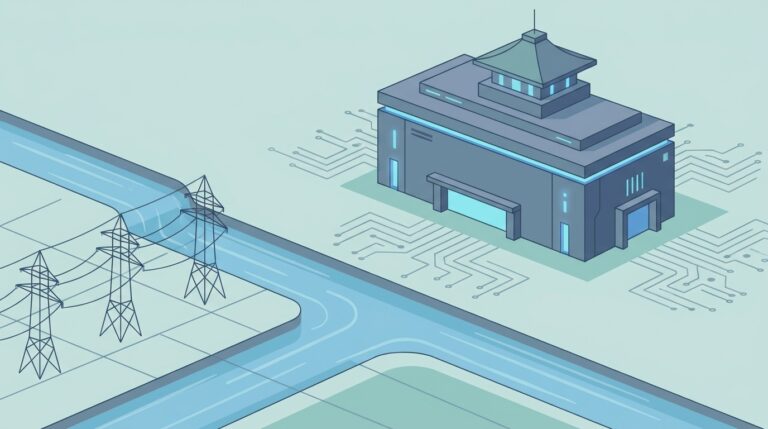
Instead, the room falls dead silent over a map of transmission grids and freshwater reservoirs. The senior director adjusts his glasses and utters a single, heavy sentence: “공장 증설보다 더 시급한 게 공업용수와 송전망 확보 문제입니다.” (Securing industrial water and transmission grids is far more urgent than expanding the fab itself.)
If you have ever felt caught off guard when a high-tech corporate discussion suddenly shifts into intense negotiations regarding environmental allocations, local regulatory permits, and municipal infrastructure limits, you are not alone. Advanced C2-level proficiency is not just about knowing technical acronyms; it requires mastering the intricate, diplomatic, and highly nuanced discourse surrounding Korea’s national strategic assets, energy infrastructure bottlenecks, and executive-level negotiations. Based on years of mentoring senior executives, tech consultants, and policy analysts navigating the Korean semiconductor ecosystem, this guide will arm you with the precise C2 expressions and strategic cultural intuition required to master the infrastructure discourse of the global semiconductor war.
Phase 2: Core Expressions Deep Dive
1. 전력망 확충이 난항을 겪고 있습니다 (Jeol-lyeok-mang hwak-chung-i nan-hang-eul gyeok-go it-seum-ni-da)
- Pronunciation: [Jeol-lyeok-mang hwak-choong-ee nan-hang-eul gyeok-goh eet-seum-nee-dah] (Sounds like “Jull-yeok-mang” with a brisk, authoritative glide, ending in a measured formal cadence)
- Meaning: Direct: “The power grid expansion is experiencing difficult sailing.” | Actual Nuance: “The expansion of our power transmission infrastructure is facing severe socio-political bottlenecks or complex regulatory standstills.”
- K-Culture Moment: Reminiscent of strategic boardroom clashes in corporate K-dramas like Reborn Rich (재벌집 막내아들) or Agency (대행사), where corporate titans hit an unexpected geopolitical or domestic policy wall.
- Editor’s Insight: The word 난항 (難航 – difficult voyage) elevates everyday obstacle vocabulary into executive-tier, diplomatic vernacular. Use this phrase when you need to signal serious infrastructural, regulatory, or civic challenges without assigning direct personal blame.
- Situation Spectrum: Casual 🚫 | Semi-formal ⚠️ | Formal/Executive Boardroom ✅
- 🤔 Think About It: In English, we often say “hitting a brick wall” or “reaching an impasse.” How does the maritime metaphor 난항 (navigating treacherous waters) reflect the Korean cultural view of handling unpredictable collective friction?
2. 초순수 자립화가 지상과제입니다 (Cho-sun-su ja-rip-hwa-ga ji-sang-gwa-je-im-ni-da)
- Pronunciation: [Cho-soon-soo jah-reep-hwah-gah jee-sang-gwah-jeh-eem-nee-dah] (Crisp articulation on “Cho-sun-su” followed by a firm, resolute terminal beat)
- Meaning: Direct: “Ultra-pure water self-reliance is an above-the-earth task.” | Actual Nuance: “Achieving domestic technological sovereignty in ultra-pure water production is our absolute, paramount imperative.”
- K-Culture Moment: Evoking the tension of national security tech documentaries where Korean engineers work tirelessly to break foreign monopolies over foundational semiconductor supply chain tiers.
- Editor’s Insight: 초순수 (Ultrapure Water – UPW) is often called the “lifeblood of chips” (반도체의 피). Combining it with 지상과제 (至上課題 – supreme task / non-negotiable imperative) conveys utmost corporate and national priority.
- Situation Spectrum: Casual 🚫 | Semi-formal ⚠️ | Formal Policy Briefing ✅
- 🤔 Think About It: Why does Korean corporate and state rhetoric frequently employ existential terms like 지상과제 when addressing foundational supply-chain dependencies?
3. 지자체와의 상생 협약이 선행되어야 합니다 (Ji-ja-che-wa-ui sang-saeng hyeop-yag-i seon-haeng-doe-eo-ya ham-ni-da)
- Pronunciation: [Jee-jah-cheh-wah-eui sang-saeng hyeop-yah-gee seon-hang-dweh-uh-yah hahm-nee-dah] (Flow smoothly through the compound vowels, maintaining a collaborative yet firm tone)
- Meaning: Direct: “A co-living agreement with local governments must precede.” | Actual Nuance: “Securing mutually beneficial stakeholder compacts with local municipalities is a strict prerequisite before project execution.”
- K-Culture Moment: The high-stakes negotiations seen in urban development dramas where local community leaders and tech conglomerates bargain over environmental impact compensations.
- Editor’s Insight: 상생 (相生 – mutual coexistence/win-win) is the gold-standard buzzword in Korean corporate governance. Stating that it must 선행되다 (be preceded/prioritized) demonstrates respect for regional autonomy and legal compliance.
- Situation Spectrum: Casual 🚫 | Semi-formal ⚠️ | Public Affairs & Executive Negotiation ✅
- 🤔 Think About It: How does the linguistic emphasis on 상생 (mutual life) soften what is essentially a tough industrial negotiation over scarce natural resources?
Phase 3: Textbook Korean vs. Native Executive Korean
Situation 1: Discussing Power Shortage Constraints
- 📖 교과서 한국어 (Textbook): 공장에 전기가 부족해서 가동을 못 할 수도 있어요. (There is a lack of electricity in the factory, so we might not be able to operate.)
- 🗣️ 진짜 한국어 (Executive Native C2): 전력 수급 불안정으로 인해 라인 가동률 저하가 불가피한 실정입니다. (Given the instability in power supply and demand, a contraction in line utilization rates is an inevitable reality.)
- 💡 왜 다를까? (Why the difference?): Advanced corporate environments avoid simplistic statements like “전기가 부족하다” (lacking electricity) and instead frame the operational risks through professional metrics like 전력 수급 불안정 (power supply-demand instability) and 가동률 저하 (utilization rate decline).
Situation 2: Addressing Local Water Allocation Disputes
- 📖 교과서 한국어 (Textbook): 지역 주민들이 물을 쓰지 말라고 반대하고 있습니다. (Local residents are opposing because they tell us not to use the water.)
- 🗣️ 진짜 한국어 (Executive Native C2): 인근 지자체와의 용수 배분을 둘러싼 이해관계 조율이 급선무입니다. (Reconciling competing stakeholder interests regarding water resource allocation with neighboring municipalities is our most urgent priority.)
- 💡 왜 다를까? (Why the difference?): Rather than framing the community in adversarial terms (반대하고 있다), C2 discourse utilizes strategic dispute-resolution framing (이해관계 조율 – stakeholder coordination/reconciliation) to maintain constructive diplomacy.
Phase 4: K-Culture Deep Dive & Non-Verbal Nuance
4-1. Nunchi (눈치) & Executive Body Language in Fab Infrastructure Deliberations
When negotiating the allocation of massive utilities (gigawatts of power and hundreds of thousands of tons of daily water) in Korea, non-verbal cues carry enormous weight:
* The Measured Pause and Nod (완충 제스처): When a government or municipal counterpart mentions regional water scarcity, never jump straight into legal rights or technical contractual terms. Nod solemnly, take a 2-second pause, and state your understanding of the community’s environmental burden first before presenting mitigation blueprints.
* Two-Handed Briefing Handover (자료 정중히 건네기): When delivering technical feasibility assessments regarding environmental impacts, hand the document over with both hands, thumbs securing the top edge, slightly inclining your upper body.
* Eye Line Regulation (시선 처리): Maintain respectful eye contact while the opposing party expresses local grievances, but gently shift your gaze downward to the documents as you formulate your counter-proposal to signal deliberate reflection rather than instant rebuttal.
4-2. Cultural Code Analysis: The Geopolitics of the “Water Road” (물길) in Korean Tech History
In contemporary Korea, semiconductor fabs are not viewed merely as commercial facilities—they are classified as 국가첨단전략산업 (National Advanced Strategic Industries). However, because semiconductor manufacturing consumes astronomical volumes of ultrapure water, water supply channels often cross multiple jurisdictional boundaries (from dam reservoirs in Gangwon or Chungcheong down to Gyeonggi Province).
This dynamic creates deep socio-political interdependencies. Understanding this cultural code is critical: in Korea, water rights are viewed through the lens of regional equity and environmental preservation. C2 communicators know that invoking technology prowess without demonstrating profound respect for local regional stewardship (지역 균형 발전 및 환경권 보장) will alienate crucial municipal partners.
Phase 5: Real-World Executive Roleplay Scenario
- Setting: A high-level crisis room at the Gyeonggi Provincial Government Complex between the Senior Fab Infrastructure VP (Executive Director Park) and a Global Semiconductor Operations Strategist (You).
-
Characters:
- 박 전무 (Executive Director Park): A seasoned, sharp infrastructure lead handling mega-fab site approvals.
- 당신 (You): C2-level Head of Strategic Fab Infrastructure Planning.
박 전무: [🎭 심각한 표정으로 지도 위의 송전선로를 짚으며]
용인 클러스터 1기 팹 착공이 코앞인데, 안성 방면 송전망 지중화 요구로 인해 한전과의 협의가 완전히 교착 상태에 빠졌습니다.
(Yong-in keul-reo-seu-teo il-gi faep chak-gong-i ko-ap-in-de, An-seong bang-myeon song-jeon-mang ji-jung-hwa yo-gu-ro in-hae Han-jeon-gwa-ui hyeop-ui-ga wan-jeon-hi gyo-chak sang-tae-e ppa-jyeot-seum-ni-da.)
"Groundbreaking for Phase 1 of the Yongin cluster is right around the corner, but consultations with KEPCO are in a total deadlock due to demands for undergrounding the transmission line through Anseong."

당신: [🎭 서류를 차분히 넘기며 공감의 눈빛을 보낸 후]
주민들의 전자파 우려와 지자체의 지중화 예산 분담 요구가 첨예하게 대립하고 있는 상황이군요.
(Ju-min-deul-ui jeon-ja-pa u-ryeo-wa ji-ja-che-ui ji-jung-hwa ye-san bun-dam yo-gu-ga cheom-ye-ha-ge dae-rip-ha-go it-neun sang-hwang-i-gun-yo.)
"It seems the residents' electromagnetic radiation concerns and the municipality's demands for undergrounding budget-sharing are in sharp contention."

박 전무: [🎭 한숨을 깊게 내쉬며 커피잔을 만지작거린다]
맞습니다. 게다가 팔당댐 취수원 증설 건도 하류 지역 수질 악화 우려로 인허가가 지연되고 있어 진퇴양난입니다.
(Mat-seum-ni-da. Ge-da-ga Pal-dang-daem chwi-su-won jeung-seol geon-do ha-ryu ji-yeok su-jil ak-hwa u-ryeo-ro in-heo-ga-ga ji-yeon-doe-go it-seo jin-toe-yang-nan-im-ni-da.)
"Precisely. On top of that, the expansion of the Paldang Dam water intake is facing delayed permits over downstream water quality concerns, leaving us in a complete catch-22."

당신: [🎭 등을 곧게 펴고 단호하면서도 정중한 어조로 제안한다]
이 문제를 개별 인허가로 접근하기보다, 국가전략산업 특별법상 패스트트랙 조항을 발동하도록 중앙부처와 조율해야 합니다.
(I mun-je-reul gae-byeol in-heo-ga-ro jeop-geun-ha-gi-bo-da, guk-ga-jeon-ryak-san-eop teuk-byeol-beop-sang pae-seu-teu-teu-raek jo-hang-eul bal-dong-ha-do-rok jung-ang-bu-cheo-wa jo-yul-hae-ya ham-ni-da.)
"Rather than approaching this through piecemeal individual permits, we must coordinate with central ministries to invoke the fast-track provisions under the National Strategic Industry Special Act."

박 전무: [🎭 흥미를 보이며 안경을 고쳐 쓴다]
그렇다면 지자체 측의 반발을 무마할 만한 상생 인센티브 패키지도 함께 패키징되어야 할 텐데요?
(Geu-reoh-da-myeon ji-ja-che cheuk-ui ban-bal-eul mu-ma-hal man-han sang-saeng in-sen-ti-beu pae-ki-ji-do ham-kke pae-ki-jing-doe-eo-ya hal ten-de-yo?)
"In that case, wouldn't we also need to package a mutual-benefit incentive plan substantial enough to defuse regional municipal pushback?"

당신: [🎭 태블릿 화면을 보여주며 핵심 로드맵을 짚는다]
폐수 재이용 고도화 설비 투자를 조기에 집행하고, 발전소 인근 열공급망을 지역 스마트팜에 연계하는 방안을 제시하면 명분과 실리를 모두 챙길 수 있습니다.
(Pye-su jae-i-yong go-do-hwa seol-bi tu-ja-reul jo-gi-e jip-haeng-ha-go, bal-jeon-so in-geun yeol-gong-geup-mang-eul ji-yeok seu-ma-teu-pam-e yeon-gye-ha-neun bang-an-eul je-si-ha-myeon myeong-bun-gwa sil-li-reul mo-du chaeng-gil su it-seum-ni-da.)
"By executing advanced wastewater recycling facility investments ahead of schedule and linking power plant waste-heat grids to local smart farms, we can secure both moral justification and practical utility."

박 전무: [🎭 테이블을 가볍게 두드리며 환한 표정으로]
탁월한 혜안입니다. 당장 산업통상자원부 및 도지사 주재 실무 협의체 안건으로 상정하겠습니다.
(Tak-wol-han hye-an-im-ni-da. Dang-jang San-eop-tong-sang-ja-won-bu mit Do-ji-sa ju-jae sil-mu hyeop-ui-che an-geon-eu-ro sang-jeong-ha-get-seum-ni-da.)
"An outstanding insight. I will table this immediately as an official agenda item for the working-level consultative body chaired by MOTIE and the Provincial Governor."

당신: [🎭 가볍게 목례하며 확신에 찬 목소리로]
네, 후속 세부 이행 계획서(Action Plan) 초안은 금일 일과 종료 전까지 공유해 드리겠습니다.
(Ne, hu-sok se-bu i-haeng gye-hoek-seo cho-an-eun geum-il il-gwa jong-ryo jeon-kka-ji gong-yu-hae deu-ri-get-seum-ni-da.)
"Understood. I will share the draft action plan for detailed execution before the close of business today."
🔀 Interactive Decision Branch
What strategy should you propose if local environmental groups stage a sit-in against additional power substations?
- Option A: “법적 소송을 통해 공사 방해 금지 가처분 신청을 즉각 제기합시다.” (Let’s immediately file an injunction against construction interference through legal litigation.)
- Option B: “전자파 실시간 측정 데이터의 투명한 공개와 주민 설명회를 통한 공론화 과정을 거칩시다.” (Let’s proceed through public deliberation by transparently disclosing real-time EMF data and hosting town-hall briefings.)
- Option C: “인근 다른 시·군으로 변전소 부지를 전면 재검토하여 이전합시다.” (Let’s completely re-examine and relocate the substation site to an adjacent municipality.)
— Feedback Analysis:
* Best Choice: Option B. Highly strategic, aligns with modern ESG mandates, and defuses NIMBY (Not In My Backyard) tensions without paralyzing the fab construction timeline.
* Bad Choice: Option A. High risk of triggering severe public backlash, political fallout, and protracted multi-year project delays.
* Risk Choice: Option C. Substation relocation requires years of re-zoning and transmission line re-routing, inevitably causing billions in fab deployment delay losses.
Phase 6: 10-Second Emotional Shadowing Drill
Practice these high-impact executive cadence sentences using the emotional milestone markers and micro-pauses (/):
- [🧐 Deeply strategic and composed]
전력 계통망 연계 지연은 / 단순한 공기 지연을 넘어 / 글로벌 고객사 납기 차질로 직결됩니다.
(Jeol-lyeok gye-tong-mang yeon-gye ji-yeon-eun / dan-sun-han gong-gi ji-yeon-eul neo-meo / geul-ro-beol go-gaek-sa nap-gi cha-jil-ro jik-gyeol-doem-ni-da.)
“Delays in power grid interconnection / extend beyond simple construction timeline slippage / directly triggering delivery disruptions for global tier-1 clients.” -
[🤝 Resolute, diplomatic, and win-win oriented]
취수원 확보를 위한 지자체 상생 기금 출연을 / 전향적으로 검토할 시점입니다.
(Chwi-su-won hwak-bo-reul wi-han ji-ja-che sang-saeng gi-geum chul-yeon-eul / jeon-hyang-jeok-eu-ro geom-to-hal si-jeom-im-ni-da.)
“It is now time / to proactively consider contributing to a municipal mutual-benefit fund / to secure essential water intake sources.” -
[⚡ Authoritative executive synthesis]
초순수 국산화 실증 플랜트의 조기 안착이야말로 / 대외 공급망 리스크를 원천 차단하는 핵심 열쇠입니다.
(Cho-sun-su guk-san-hwa sil-jeung plean-teu-ui jo-gi an-chak-i-ya-mal-ro / dae-oe gong-geup-mang ri-seu-keu-reul won-cheon cha-dan-ha-neun haek-sim yeol-soe-im-ni-da.)
“The rapid operational stabilization of the domestic ultrapure water demonstration plant / is the quintessential key to preemptively mitigating external supply chain vulnerabilities at the source.”
Phase 7: K-Culture Mini-Dictionary (High-Tech Infrastructure Focus)
- 송전선로 지중화 (Song-jeon-seon-ro Ji-jung-hwa) | Undergrounding of Transmission Lines | A vital sociopolitical process where high-voltage cables are buried underground to resolve resident opposition regarding landscape degradation and electromagnetic fields.
- 공업용수 리사이클링 (Gong-eop-yong-su Ri-sa-i-keul-ring) | Industrial Water Reclamation & Closed-Loop Recycling | The multi-stage chemical and physical treatment of semiconductor wastewater to reuse over 80% of daily freshwater intake.
- 전력 계통 포화 (Jeol-lyeok Gye-tong Po-hwa) | Grid Transmission Saturation / Bottleneck | The technical state where existing regional grids cannot channel gigawatts of newly demanded electricity from coastal power generation plants to inland mega-clusters.
- 인허가 패스트트랙 (In-heo-ga Pae-seu-teu-teu-raek) | Regulatory Permitting Fast-Track | Special statutory mechanism expediting cross-ministerial approvals for critical national strategic infrastructure.
Phase 8: Strategic Executive Field Kit
Top 3 Field Phrases for Site Inspection & Stakeholder Meetings
- 1. 현장 실사 (Hyeon-jang Sil-sa): On-site due diligence / physical inspection.
- Pro Tip: Use when transitioning from desk reviews to inspecting raw water reservoirs and substations (“송전선로 예정 부지 현장 실사를 우선 진행하겠습니다.”).
- 2. 민원 중재 (Min-won Jung-jae): Public complaint / civic grievance arbitration.
- Pro Tip: Essential for coordinating between public affairs and community leaders.
- 3. 전력 예비율 (Jeol-lyeok Ye-bi-yul): Power reserve margin.
- Pro Tip: Crucial metric cited during summer peak load factory operational reviews.
Editor’s Professional Note for Korea Tech Delegations
- When conducting industrial site inspections across Gyeonggi or Chungcheong fab zones, real-time routing precision is paramount. Ensure you verify route topography and utility corridors by utilizing the 네이버 지도 앱 다운로드 to cross-reference satellite infrastructure views and regional logistics hubs.
- For corporate and legal cross-referencing of government municipal infrastructure decrees, always keep the mobile portal of the 국가법령정보센터 (National Law Information Center) bookmarked on your tablet.
Phase 9: “A Step Deeper” (Sociolinguistic Insight)
In Korean corporate-governmental discourse, industrial expansion is never portrayed as an isolated corporate victory; it is deeply interwoven with the concept of 공공재 (Public Goods) and 국익 (National Interest). When global corporations negotiate water and power allocations in Korea, adopting purely transactional, Anglo-American contractual phrasing (“We bought the land, so supply the power”) creates friction.
Instead, native C2 executives frame their arguments around shared civic stewardship: how securing stable power and recycling water safeguards regional employment, spurs local technological spillovers, and elevates the nation’s sovereign tech footprint. Linguistic mastery at this level means expressing industrial power through the dignified grammar of collective responsibility and mutual elevation (동반성장).
💬 Your Turn: How are critical energy and water negotiations framed in your home country? Are they seen purely as commercial utility contracts or as high-stakes civic compacts? Share your thoughts below!
Phase 10: FAQ & Common Misconceptions (Schema-Ready)
Q: Why is ultrapure water (초순수) discussed as a national security asset rather than a simple factory utility in Korea?
A: Ultrapure water is purified to a microscopic state with zero minerals or ions to wash micro-nanometer wafer surfaces without causing contamination defects. Because key production and testing technologies were historically dominated by foreign vendors, domestic self-reliance (국산화 및 자립화) is directly tied to preventing semiconductor production halts during international supply chain disruptions.
Q: What is the most appropriate way to suggest a regulatory compromise in a formal Korean meeting without sounding confrontational?
A: Instead of using direct disjunctive conjunctions like 하지만 (but) or 틀렸습니다 (that is incorrect), introduce your point using diplomatic buffering expressions: “위원님의 우려에 깊이 공감하며, 이에 덧붙여 규제 샌드박스나 패스트트랙 조항을 병행 적용하는 방안을 조심스럽게 제안해 드립니다.” (I deeply share your concern, and in addition, would carefully propose concurrently applying regulatory sandboxes or fast-track clauses.)
Q: Is the word ‘민원’ (civil complaint) inherently negative in Korean industrial contexts?
A: Not necessarily. In Korea’s administrative ecosystem, 민원 (Min-won) represents standard civic petitioning and public engagement. While it poses operational friction if unresolved, executive communicators treat 민원 수렴 (gathering and listening to public input) as an essential, standard governance step rather than mere hostility.
🚨 Common Mistakes Warning Board
- Mistake 1: Translating “We need more water and power” directly as “우리는 물과 전기가 더 필요합니다.”
- Correct Action: Use professional industrial terminology: “공업용수 및 전력 인프라의 추가 공급 용량 확보가 필수적입니다.”
- Mistake 2: Using informal modal verbs like ~해야 돼요 in policy briefings.
- Correct Action: Employ high-formality executive endings: ~함이 타당하다고 사료됩니다 (It is deemed prudent that…) or ~할 필요성이 대두되고 있습니다 (The necessity of … is emerging).
- Mistake 3: Treating 지자체 (local governments) as subordinate entities in speech.
- Correct Action: Always reference municipal bodies with honorific partnerships: 지자체와의 긴밀한 상생 협력 체계 구축 (Building a close win-win cooperation framework with local governments).
Phase 11: Action Missions
- 🥉 Bronze Mission (Self-Drill): Read the Phase 6 Emotional Shadowing sentences aloud three times into a voice recorder, ensuring clear separation of compound words (초순수 국산화 실증 플랜트).
- 🥈 Silver Mission (Social/Reflective): Write a 3-sentence executive summary on your LinkedIn or study journal in Korean analyzing why power grid infrastructure (송전망 인프라) dictates the timeline of AI semiconductor mega-fabs.
- 🥇 Gold Mission (Real-World Application): In your next tech debate, team meeting, or business simulation, introduce a complex problem using 난항을 겪고 있습니다 and propose a solution utilizing 상생 방안을 모색해야 합니다.
- 🎮 K-Culture Media Mission: Watch an episode of a Korean business-investigative journalism documentary (such as KBS 시사기획 창 or SBS 그것이 알고싶다/D-Story) covering the Yongin Semiconductor Mega-Cluster, and transcribe three full sentences containing 전력망, 용수 공급, and 지자체.
Phase 12: Interactive C2 Quiz Challenge
Test your mastery of advanced semiconductor infrastructure Korean with these situational, fill-in-the-blank, and cultural nuance questions.
1. [Situational Judgment] You are addressing a joint press conference regarding local opposition to industrial water usage. Which opening demonstrates the highest level of C2 executive diplomacy?
* (A) 지역 주민들이 억지를 부려서 공사가 늦어지고 있습니다.
* (B) 지역 사회와의 상생을 최우선 가치로 두고, 안정적인 용수 공급과 환경 보전 대책을 병행 추진하겠습니다.
* (C) 우리 회사는 합법적인 권리가 있으므로 지자체는 물을 즉시 공급해야 합니다.
2. [Fill in the Blanks] Choose the pair that best completes the sentence:
* “EUV 노광 공정에 필수적인 ( ㄱ )의 안정적 수급을 위해, 인근 하천 취수량 확대와 더불어 폐수 ( ㄴ ) 기술 고도화가 병행되어야 합니다.”
* (A) ㄱ: 초순수 / ㄴ: 재이용
* (B) ㄱ: 냉각수 / ㄴ: 방류
* (C) ㄱ: 광물질 / ㄴ: 소각
3. [True / False Cultural Nuance] In the context of Korean public-private infrastructure projects, achieving 상생 협약 (Mutual Coexistence Compact) is merely an optional PR gesture and holds no significant weight in regulatory permit approvals.
* (A) True
* (B) False
🔍 Click here to reveal the answers and detailed explanations!
Answer Key & Explanations
- Correct Answer: (B)
- Explanation: Option (B) balances corporate accountability (안정적 용수 공급) with regional environmental stewardship (환경 보전 대책) using sophisticated executive phrasing (상생을 최우선 가치로 두고). Options A and C are confrontational and culturally tone-deaf.
- Correct Answer: (A)
- Explanation: Semiconductor fabrication utilizes 초순수 (Ultrapure Water – UPW) and heavily invests in 재이용 (Reclamation/Recycling) technology to minimize environmental draw.
- Correct Answer: (B) False
- Explanation: In Korea’s administrative landscape, regional compacts (상생 협약) with municipal authorities and resident councils are often crucial milestones for securing final construction permits and zoning approvals.
- Explanation: In Korea’s administrative landscape, regional compacts (상생 협약) with municipal authorities and resident councils are often crucial milestones for securing final construction permits and zoning approvals.







