

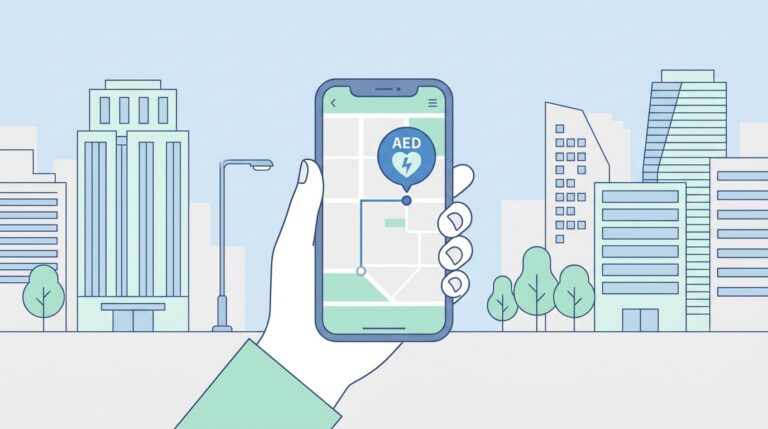
안녕하세요! 매일한글 에디터입니다. Have you ever imagined finding yourself in a sudden medical emergency in the heart of Seoul? Picture this: you’re walking through a vibrant neighborhood like Hongdae or Bukchon, and someone nearby collapses, or a friend experiences acute severe abdominal pain. In high-stakes situations like these, navigating Korea’s emergency response ecosystem—especially using native mobile apps like Emergency Medical Information (응급의료 정보제공, E-Gen)—requires more than basic Korean. You need clear, precise, and advanced C1-level expressions to communicate with paramedics, app operators, or bystanders without hesitation. Based on feedback from long-term expats and advanced learners, knowing how to articulate urgency and utilize emergency tools dramatically reduces panic and saves critical response time. Today, we’ll dive into high-level emergency terminology, subtle nuances, and practical scenarios so you can handle any medical crisis in Korea with total confidence.
1. 야간 진료 가능 병원 및 당번 약국을 조회해 주세요
- Pronunciation: [Ya-gan jin-ryo ga-neung byeong-won meot dang-beon yak-guk-eul jo-hoe-hae ju-se-yo] (Sounds like: “Yah-gan jean-ryo gah-neung pyeong-won…”)
- Meaning: Literal: “Please search night-treatment available hospitals and duty pharmacies.” / Actual Nuance: “Could you check for nearby hospitals open for late-night care and on-duty pharmacies right now?”
- K-Culture Moment: In modern Korean medical dramas like Hospital Playlist, doctors or emergency operators frequently guide users to lookup real-time duty pharmacies (당번 약국) via emergency apps when standard clinics are closed.
- Editor’s Insight: At the C1 level, replacing simple terms like ‘지금 열린 병원’ (open hospital now) with ‘야간 진료 가능 병원’ (late-night treatment hospital) and ‘조회하다’ (query/search database) reflects a formal, administrative-level clarity essential during automated phone guides or app searches.
- Situation Spectrum: Casual 🚫 / Semi-formal ⚠️ / Formal ✅
- 🤔 Think About It: Why does Korean emergency architecture rely so heavily on unified public apps for duty pharmacy tracking compared to healthcare systems in your home country?
2. 자동심장충격기(AED)의 위치와 실시간 가동 상태를 확인해야 합니다
- Pronunciation: [Ja-dong-sim-jang-chung-gyeok-gi-ui wi-chi-wa sil-si-gan ga-dong sang-tae-reul hwag-in-hae-ya ham-ni-da]
- Meaning: Literal: “Must confirm the location and real-time operational status of the Automated External Defibrillator.” / Actual Nuance: “We need to immediately locate the nearest active AED unit and verify if it’s currently operational.”
- K-Culture Moment: Frequently seen in subway public service announcements across Seoul; AED units are installed near station offices and neighborhood center entrances.
- Editor’s Insight: The phrase ‘실시간 가동 상태’ (real-time operational status) is crucial because emergency apps display whether an AED is undergoing maintenance or ready for immediate use.
- Situation Spectrum: Casual 🚫 / Semi-formal ⚠️ / Formal ✅
- 🤔 Think About It: How does the rapid digitization of emergency public health reflect Korea’s emphasis on communal safety and real-time technological integration?
3. 환자의 의식 유무와 호흡 상태를 앱에 입력하고 지휘 센터에 전달하겠습니다
- Pronunciation: [Hwan-ja-ui ui-sik yu-mu-wa ho-heup sang-tae-reul aep-e im-ryeok-ha-go ji-hwi sen-teo-e jeon-dal-ha-get-seum-ni-da]
- Meaning: Literal: “I will input the patient’s presence of consciousness and respiratory state into the app and relay it to the command center.” / Actual Nuance: “I’m logging the victim’s consciousness and breathing status into the emergency app to relay directly to the 119 control center.”
- K-Culture Moment: A dramatic moment in Korean thriller or emergency dramas where a bystander provides accurate clinical status to emergency responders via location-aware emergency applications.
- Editor’s Insight: Using paired noun phrases like ‘의식 유무’ (presence or absence of consciousness) instead of casual verbs shows advanced linguistic precision needed in emergency triage.
- Situation Spectrum: Casual 🚫 / Semi-formal ⚠️ / Formal ✅
- 🤔 Think About It: How does using precise medical terminology reduce communication noise in high-stress crisis scenarios?
📖 교과서 한국어: 지금 근처에 열린 병원이 어디에 있는지 찾아보세요.
🗣️ 진짜 한국어: 앱에서 현위치 기준 야간 응급실 재난 상황실 연계 정보를 즉시 조회해 보세요.
💡 왜 다를까?: Native speakers dealing with urgent medical situations refer directly to digital infrastructure keywords like ‘현위치 기준’ (based on current location) and ‘연계 정보’ (linked network data) for immediate operational accuracy.
📖 교과서 한국어: 심장 마비 환자가 있으니 심폐소생술을 하세요.
🗣️ 진짜 한국어: 흉부 압박을 1분당 100~120회 속도로 지속하면서 앱의 음성 안내에 맞추세요.
💡 왜 다를까?: Advanced clinical guidance specifies rhythmic CPR counts (‘1분당 100~120회’) synced with app audio prompts rather than vague instructions.
4-1. Nunchi & Emergency Gestures
When calling 119 or using interactive emergency apps around Korean bystanders, maintain a calm, decisive physical stance. Raise one hand clearly to signal others to clear space while pointing directly at an individual to delegate tasks: “파란색 셔츠 입으신 분, 앱으로 AED 위치 조회해 주세요!” (Person in the blue shirt, please look up the AED location on the app!). Direct eye contact paired with clear delegation fits Korean emergency protocol standards.
4-2. Cultural Code Analysis
Korea’s Ministry of Health and Welfare operates integrated emergency public health apps that coordinate regional emergency rooms (응급실). Understanding keywords like ‘응급의료 포털 E-Gen’ allows expats to locate pediatric emergency care (소아 응급 진료) and English-speaking medical facilities instantly, bypassing long general triage lines.
Characters:
* 민우 (Min-woo): Bystander assistant using the E-Gen App.
* 지현 (Ji-hyun): C1 Learner acting as Emergency Coordinator.
민우: 🚨 [당황하며 손을 떨며] 저기요! 길 건너편에 어르신이 갑자기 쓰러지셨어요! 어떻게 해야 하죠?
지현: 🎭 [침착하고 단호하게] 냉정하게 대처해야 합니다. 제가 바로 응급 의료 정보 앱을 켜서 주변 119 구급대와 연계하겠습니다.
민우: 🎭 [스마트폰 화면을 가리키며] 앱에서 근처 AED 위치가 나와요! 지하철역 입구 쪽에 있다고 합니다!
지현: 🎭 [앱 화면을 확인하며 손가락으로 가리키며] 네, 현위치에서 50미터 거리군요. 민우 씨가 가서 AED를 가져다주세요!
민우: 🎭 [달려나갈 준비를 하며] 알겠습니다! 가서 바로 가져올게요! 그다음은요?
지현: 🎭 [환자 곁에 꿇어앉아] 저는 환자의 의식 유무와 호흡을 확인하며 앱의 심폐소생술 음성 가이드에 따라 흉부 압박을 시작할게요.
민우: 🎭 [AED를 들고 숨을 헐떡이며 돌아와] 가져왔습니다! 디바이스 전원 켰습니다!
지현: 🎭 [패치를 부착하며] 음성 지시에 따라 제세동을 실시할 테니 모두 환자에게서 떨어져 주세요!
🔀 Interactive Choice:
What should Ji-hyun say when the 119 emergency dispatcher calls back via the app link?
* A. “어르신이 아파서 누워 계시니까 빨리 와 주세요.” (Casual / Unclear status)
* B. “현재 환자 의식 불명 상태이며, CPR 2세트 진행 완료 및 AED 패치 부착 상태입니다. 현위치 좌표 전송했습니다.” (Optimal C1 Response)
* C. “앱이 잘 안 되니까 그냥 알아서 구급차 보내주세요.” (Dismissive / Unhelpful)
Feedback:
* Choice A (Risk): Too vague. Dispatchers need exact clinical metrics and location coordinates.
* Choice B (BEST): Concise, professional, provides clinical updates and precise digital telemetry.
* Choice C (Bad): Fails to relay critical health details and delays medical response time.
Practice reading these sentences aloud with natural stress and emotional pacing:
- [🚨 긴급하고 단호하게] 환자 의식 확인되었습니다! / 즉시 흉부 압박을 / 시작해 주세요!
- [진지하고 정확하게] 앱의 GPS 좌표를 통해 / 119 구급대가 / 현장으로 출동 중입니다.
- [침착하고 명확하게] 제세동기 패치 부착 후 / 음성 안내에 따라 / 모두 물러나 주십시오!
- 응급의료포털 (E-Gen) | Public Emergency App | Korea’s central digital platform for locating open emergency rooms, pharmacies, and real-time equipment.
- 심폐소생술 (Sim-pyae-so-saeng-sul) | CPR (Cardiopulmonary Resuscitation) | Emergency procedure consisting of chest compressions and artificial ventilation.
- 자동심장충격기 (Ja-dong-sim-jang-chung-gyeok-gi) | AED | Electronic device used to administer an electric shock to restore normal heart rhythm.
- 당번 약국 (Dang-beon yak-guk) | Duty Pharmacy | Pharmacies designated to remain open late at night or during national holidays.
- Top 1: 119에 현위치 GPS 정보와 환자 상태를 앱으로 즉시 전송했습니다.
(Ror: 119-e hyeon-wi-chi GPS jeong-bo-wa hwan-ja sang-tae-reul aep-eu-ro jeok-si jeon-song-haet-seum-ni-da)
Pro Tip: Use this when speaking with emergency operators to confirm automated telemetry reception. -
Top 2: 가장 가까운 야간 응급실의 잔여 병상 수를 확인해 주세요.
(Ror: Ga-jang ga-kka-un ya-gan eung-geup-sil-ui jan-yeo byeong-sang su-reul hwag-in-hae ju-se-yo)
Pro Tip: Vital during holiday weekends when emergency ER beds fill up quickly. -
Top 3: 소아 전용 응급실 진료 가능 여부를 앱에서 조회 중입니다.
(Ror: So-a jeon-yong eung-geup-sil jin-ryo ga-neung yeo-bu-reul aep-e-seong jo-hoe jung-im-ni-da)
Pro Tip: Critical for parents dealing with pediatric health crises late at night.
Editor’s Travel Note: Make sure to download the E-Gen Emergency Medical App prior to traveling in Korea. Set location permissions to ‘Always Allow’ so emergency services can parse exact coordinates even in multi-story underground shopping centers.
Korea’s emergency response system reflects a high degree of civic trust and digital centralized governance. Unlike systems where emergency infrastructure is fragmented across private providers, Korea’s Ministry of Health consolidates live medical data into accessible mobile applications. Understanding this setup allows non-native residents to participate actively in public safety as capable community members.
💬 Your Turn: Have you ever used an emergency service app in Korea or your home country? Share your experience in the comments below!
Q: Can non-Koreans use emergency medical apps without a Korean national identification number?
A: Yes, public emergency tools like E-Gen allow guest access without foreign registration number verification for real-time location searches and emergency calls.
Q: What should I do if the app shows a duty pharmacy is open, but the door is locked?
A: Call the pharmacy number directly listed in the app. Some late-night pharmacies operate ‘intercom window sales’ after midnight for security reasons.
Q: Does 119 support foreign language translation when contacted through the emergency app?
A: Yes, 119 operates a 24/7 tri-lingual translation interpretation hotline (English, Chinese, Japanese) linked directly to emergency dispatches.
🚨 Common Mistakes
- Mistake 1: Searching for standard ‘병원’ (hospital) during late-night hours instead of ‘야간 응급실’ (night emergency room).
- Correct Action: Filter search results specifically for ‘응급실 운용’ (Emergency Room Operational).
- Mistake 2: Requesting an AED without verifying ‘가동 상태’ (operational status).
- Correct Action: Check the green status icon on the E-Gen AED map before running to the location.
- Mistake 3: Using informal verbs when reporting clinical facts to 119 officers.
- Correct Action: Utilize formal summary structures like ‘~상태입니다’ or ‘~확인되었습니다’.
- Bronze Mission: Read the C1 key vocabulary aloud 3 times focusing on correct clinical pronunciation.
- Silver Mission: Download the E-Gen app, switch your location to Seoul Station, and identify the nearest operational AED unit.
- Gold Mission: Practice explaining a simulated medical emergency scenario using all 3 C1 expressions with a Korean study partner.
🎮 K-Culture Mission: Watch an episode of a Korean medical drama (e.g., Hospital Playlist or Romantic Doctor, Teacher Kim) and spot 2 emergency app terms discussed today!
What is the most accurate C1 phrase to tell a 119 operator that you are sending real-time patient status via an app?
See Answer & Explanation
“앱을 통해 환자의 의식 유무와 실시간 위치 정보 전송을 완료했습니다.” (This provides precise clinical noun phrases and confirms completed digital transmission.)
True or False: All pharmacies in Korea are open 24 hours by law.
See Answer & Explanation
False. Only designated ‘당번 약국’ (duty pharmacies) or ‘휴일지킴이약국’ operate during late nights and public holidays.
Fill in the blank: 앱에서 가장 가까운 [ 괄호 ]의 위치를 확인하여 제세동을 준비하세요.
See Answer & Explanation
자동심장충격기 (AED)







