안녕하세요! 매일한글 에디터입니다.
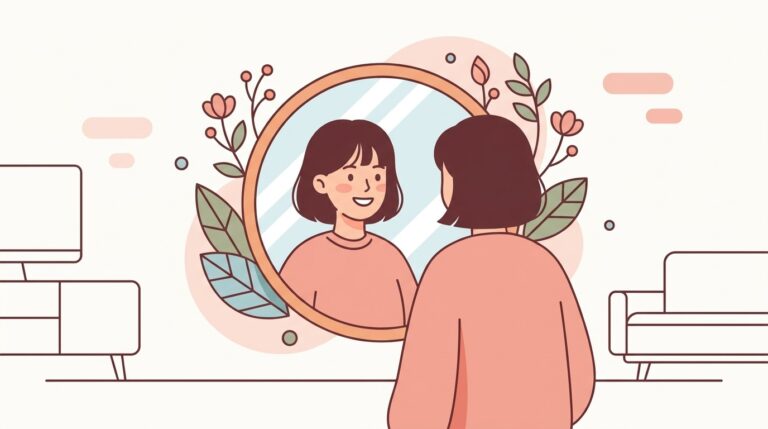
Have you ever watched a K-Drama where a character gets judged instantly based on their outfit, weight, or facial features? Korea is world-renowned for its cutting-edge skincare and viral beauty trends, but along with K-Beauty comes an intense social pressure known as 외모지상주의 (Oemo-jisang-jui / Lookism).
Many of our intermediate learners tell us: “I want to participate in conversations about K-Beauty or societal expectations, but I don’t know how to respectfully challenge lookism without sounding rude!”
Expressing a nuanced personal opinion on sensitive social topics is a key milestone at the B1 level. Today, based on real feedback from our global community, we are exploring practical Korean expressions to critique lookism confidently, empathetically, and authentically. Let’s dive in!
Phase 2: Core Expressions Deep Dive
1. 외모가 전부가 아니잖아요
- Pronunciation: [Oemo-ga jeonbu-ga anijana-yo] (Sounds like: Way-mo-ga jun-boo-ga ah-nee-ja-na-yo)
- Meaning: “Appearance isn’t everything, you know.”
- K-Culture Moment: Seen frequently in youth K-Dramas when a character defends a friend who is being judged solely for their outfit or makeup.
- Editor’s Insight: The suffix
-잖아(요)appeals to common sense (“as you already know”). It softens the critique while firmly delivering your point. - Situation Spectrum: Casual ✅ | Semi-formal ✅ | Formal ⚠️
- 🤔 Think About It: How does your native language express common-sense agreement when challenging superficial judgments?
2. 겉모습만 보고 판단하지 마세요
- Pronunciation: [Geotmoseup-man bogo pandanhaji maseyo] (Sounds like: Gut-mo-seup-man bo-go pan-dan-ha-ji ma-se-yo)
- Meaning: “Please don’t judge someone just by their outer appearance.”
- K-Culture Moment: Used in webtoons and dramas when confronting stereotyping or unfair hiring prejudices.
- Editor’s Insight:
겉모습means “outer appearance” and판단하다means “to judge.” Adding-지 마세요turns it into a clear, polite prohibition. - Situation Spectrum: Casual ⚠️ | Semi-formal ✅ | Formal ✅
- 🤔 Think About It: Is judging by appearances discussed openly in your culture, or is it addressed indirectly?
3. 내면의 아름다움이 더 중요해요
- Pronunciation: [Naemyeon-ui areumdaum-i deo jungyoheyo] (Sounds like: Nae-myeon-ui ah-reum-da-oom-ee deo joong-yo-hae-yo)
- Meaning: “Inner beauty is more important.”
- K-Culture Moment: Featured in K-Pop artist interviews when discussing self-love and mental wellness over body image.
- Editor’s Insight:
내면(inner self) directly contrasts with외모(outer appearance). It adds a thoughtful, mature tone to your Korean. - Situation Spectrum: Casual ✅ | Semi-formal ✅ | Formal ✅
- 🤔 Think About It: Does your language have a direct equivalent for “inner beauty” (내면의 아름다움)?
Phase 3: Textbook Korean vs. Real Korean
Scenario 1: Reacting to someone obsessing over unrealistic beauty standards
- 📖 Textbook Korean: 외모지상주의는 나쁩니다. (Lookism is bad.)
- 🗣️ Real Korean: 사람을 겉모습으로만 평가하는 건 좀 아니죠. (Evaluating someone solely by their appearance isn’t right, is it?)
- 💡 Why the difference? Real Korean speakers use
~는 건 좀 아니죠to express subtle disagreement without starting a harsh confrontation.
Scenario 2: Encouraging a friend stressed about social standards
- 📖 Textbook Korean: 외모를 신경 쓰지 마십시오. (Do not care about appearance.)
- 🗣️ Real Korean: 남 시선 신경 쓰지 말고 그냥 나답게 살아! (Don’t worry about others’ eyes, just live as yourself!)
- 💡 Why the difference?
남 시선(others’ gazes/opinions) and나답게(being true to oneself) are quintessential modern Korean concepts centered around self-confidence.
Phase 4: K-Culture Deep Dive & Non-Verbal Manners
4-1. Nunchi & Non-Verbal Gestures
When critiquing lookism in Korea, tone and body language matter tremendously to avoid coming off as preachy:
* Eye Contact & Nods: Keep warm, steady eye contact. Avoid sharp hand gestures.
* Softening Tone: Use gentle sentence enders like ~잖아요 or ~인 것 같아요 (It seems like…) to keep the atmosphere constructive.
4-2. Culture Code: The Changing Narrative in K-Media
In classic K-Dramas, makeover scenes were mandatory plot points. However, modern Korean webtoons and shows like True Beauty (여신강림) and My ID is Gangnam Beauty (내 ID는 강남미인) focus heavily on the psychological burden of lookism. Today’s Korean youth increasingly value 자존감 (self-esteem) and authentic self-expression over rigid conformity.
Phase 5: Interactive Roleplay Scenario
Setting: A cozy cafe in Hongdae. You and your Korean friend, Minji (민지), are chatting about a beauty filter going viral on social media.
- 민지: 이 필터 봤어? 요즘 다들 이 얼굴처럼 성형하고 싶어 하더라고.
(Minji: Did you see this filter? Everyone wants to get plastic surgery to look like this face these days.) - You: 필터가 예쁘긴 한데, 좀 씁쓸하다.
(The filter is pretty, but it’s a bit bitter.) - 민지: 왜? 예뻐지고 싶어 하는 건 당연한 거 아니야?
(Why? Isn’t it natural to want to become pretty?) - You: 🎭 (Shrugging gently with a warm smile) 그래도 외모가 전부가 아니잖아요.
(Still, appearance isn’t everything, you know.) - 민지: 맞긴 한데… 요즘은 겉모습이 스펙이라고 하잖아.
(True, but they say outer looks are part of your resume specs these days.) - You: 🎭 (Nodding thoughtfully) 사람을 겉모습만 보고 판단하지 않는 사회가 되면 좋겠어요.
(I wish we had a society where people aren’t judged solely by appearances.) - 민지: 듣고 보니 그렇네. 너무 남 시선만 의식했나 봐.
(Come to think of it, you’re right. Maybe I cared too much about others’ opinions.) - You: 🎭 (Leaning in with an encouraging voice) 맞아! 내면의 아름다움이 더 중요해요.
(Exactly! Inner beauty is much more important.)
🔀 Interactive Choice Point
How would you reply if someone says: “요즘은 외모도 경쟁력 아니야?” (Isn’t appearance a competitive edge these days?)
- Option A: 그렇게 말하는 건 너무 무식해요! (Saying that is so ignorant!)
- Option B: 외모도 중요할 수 있지만, 사람이 가진 개성이 더 매력적이라고 생각해요. (Looks can be important, but I think a person’s unique individuality is more attractive.)
- Option C: 상관없어요. 마음대로 하세요. (I don’t care. Do whatever you want.)
🔍 Check Choice Feedback
- Option A (Risk 🚫): Too aggressive and offensive. It shuts down dialogue instantly.
- Option B (Best Choice ✅): Acknowledges the other perspective while steering the focus toward individuality (
개성) and personal charm. - Option C (Bad ⚠️): Sounds dismissive and cold in a friendly conversation.
Phase 6: 10-Second Emotion Shadowing Drill
Practice saying these lines with natural pauses (/) and authentic emotion:
[🌿 덤덤하고 소신 있게]외모가 / 전부가 아니잖아요. / 나다운 게 제일 예쁜 거예요.
(Oemo-ga / jeonbu-ga anijana-yo. / Na-daun ge jeil yeppeun geoyeyo.)[😠 씁쓸하지만 차분하게]겉모습만 보고 / 사람을 판단하는 건 / 좀 아쉬워요.
(Geotmoseup-man bogo / saram-eul pandanhaneun geon / jom aswiwoyo.)[😊 따뜻하고 진심 어린 어조]내면의 아름다움이 / 진짜 매력이라고 생각해요.
(Naemyeon-ui areumdaum-i / jinja maeryeok-irago saenggak-heyo.)
Phase 7: K-Culture Mini Dictionary
- 외모지상주의 (Oemo-jisang-jui) | Lookism | Social prejudice or discrimination based on physical appearance.
- 자존감 (Jajonggam) | Self-esteem | Internal sense of self-worth (distinct from
자존심which means pride). - 나다움 (Na-daum) | Being oneself | Embracing one’s unique identity without bowing to societal norms.
- 반전매력 (Banjeon-maeryeok) | Unexpected charm | A charming trait that contrasts delightfully with someone’s outer appearance.
Phase 8: Traveler & Expat Survival Kit
Survival Top 3 Expressions
- 개성을 존중해주세요. (Please respect personal individuality.)
- 있는 그대로가 좋아요. (I like it just the way it is.)
- 외모 평가하지 말아주세요. (Please refrain from judging physical looks.)
💡 Editor’s Travel Note
When discussing beauty products or personal style in Korea, navigation and local trends move fast! Use 네이버 지도 앱 다운로드 to find body-positive local concept stores, vintage shops, and art spaces in Seongsu-dong or Hongdae.
Phase 9: One Step Deeper (Thinking Question)
In recent years, Korean society has been undergoing a quiet shift. While K-Beauty aesthetics remain popular, younger generations are passionately discussing mental health, body positivity, and self-expression. Language reflects this evolution—terms like 나답게 (living as myself) are rapidly replacing rigid standards.
💬 Your Turn: How does your culture handle beauty standards and lookism? Share your thoughts in Korean or English in the comments below!
Phase 10: FAQ & Common Mistakes
Q: Is it okay to use ‘외모지상주의’ in casual conversations?
A: Yes! It is a widely understood social term in Korea. B1 learners can naturally use it when discussing dramas, news, or personal opinions.
Q: What is the difference between ‘자존감’ and ‘자존심’?
A: 자존감 is healthy, internal self-worth (“I love myself”). 자존심 is ego or pride facing outward (“I don’t want to lose face”).
Q: How can I tell someone politely not to comment on my weight or looks?
A: You can say softly: “외모에 대한 말씀은 조금 부담스러워요.” (Comments about my appearance are a bit uncomfortable.)
🚨 Common Mistakes TOP 3
- ❌ Mistake 1: Calling someone “ugly” (
못생겼어요) when trying to say looks don’t matter.- 👉 Correct Action: Focus on positive values instead: “외모보다 성격이 중요해요.” (Personality is more important than looks.)
- ❌ Mistake 2: Confusing
겉모습(outer appearance) with표정(facial expression).- 👉 Correct Action: Use
겉모습when discussing physical image or outfits.
- 👉 Correct Action: Use
- ❌ Mistake 3: Sounding overly harsh with formal commands.
- 👉 Correct Action: Use
-아/어/여요ending with-잖아요or-는 것 같아요to sound empathetic.
- 👉 Correct Action: Use
Phase 11: Action Missions
- 🥉 Bronze Mission: Read the 3 core expressions aloud 3 times using the Emotion Shadowing drill.
- 🥈 Silver Mission: Write 1 sentence in the comments about your view on beauty using
내면의 아름다움. - 🥇 Gold Mission: Watch a K-Drama clip about beauty standards and identify at least one word from our Mini Dictionary!
Phase 12: Interactive Quiz Challenge
Q1. Fill in the blank:
“사람을 _____만 보고 판단하지 마세요.”
1) 마음
2) 겉모습
3) 성격
Q2. True or False:
In Korean, ‘자존감’ and ‘자존심’ have the exact same meaning.
(True / False)
🎉 Check Answers & Explanations
- Q1 Answer: 2) 겉모습 (Don’t judge a person by their outer appearance.)
- Q2 Answer: False (자존감 is internal self-worth; 자존심 is external pride/ego.)