

Unmasking Fake Eco Brands: How to Call Out Corporate Greenwashing in Native Korean
Phase 1: Empathy & Storytelling
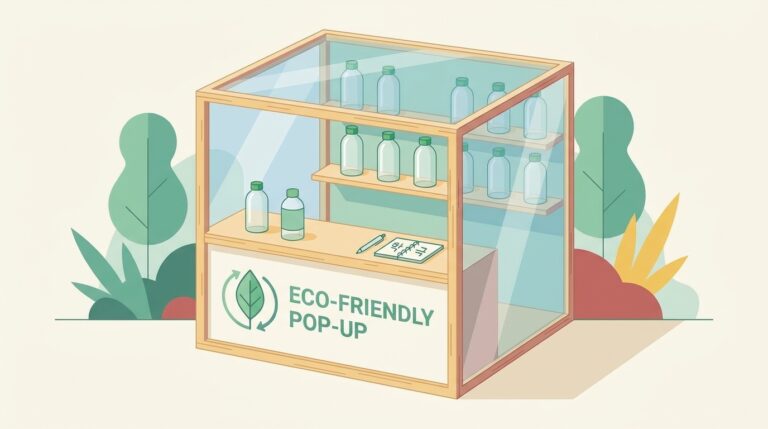
안녕하세요! 매일한글 에디터입니다. Have you ever stood in a sleek Seongsu-dong pop-up store, holding a trendy tote bag labeled “100% Eco-Friendly,” only to realize the brand actually spends millions on plastic packaging elsewhere? As a C2 advanced learner, navigating nuanced, socially charged conversations in South Korea requires more than just dictionary vocabulary. Calling out corporate hypocrisy—or greenwashing—without sounding overly aggressive or awkward is a sophisticated linguistic art.
In recent years, Korean youth culture and consumer advocacy groups have become hyper-aware of ESG (Environmental, Social, and Governance) claims. Being able to dissect corporate rhetoric, voice sharp skepticism, and discuss genuine sustainability in native-level Korean will elevate your language skills from fluent to truly authoritative. Based on authentic discourse from eco-conscious Korean forums and broadcast debates, this guide provides you with the sophisticated tools needed to critique greenwashing naturally and confidently.
Phase 2: 3 Key Expressions Deep Dive
1. 눈속임에 불과하다 (Nunsogime bulgwahada)
- Pronunciation: [Nunsogime bulgwahada] (Sounds like noon-sohk-eem-eh bool-gwa-hah-dah, imagine blinding someone with trickery)
- Meaning: “Nothing more than an optical illusion / cheap trick.”
- K-Culture Moment: Seen in investigative current affairs shows like Unanswered Questions (그것이 알고 싶다) when exposing deceptive corporate PR campaigns.
- Editor’s Insight: Combining 눈 (eye) and 속임 (deception), this phrase implies deliberate visual or verbal misdirection aimed at fooling consumers.
- Situation Spectrum: Casual 🚫 | Semi-formal ⚠️ | Formal ✅
- 🤔 Think About It: How does your culture balance respect for corporate authority with consumer whistleblowing?
2. 친환경 이미지를 차용하다 (Chinhwan-gyeong imijireul chayonghada)
- Pronunciation: [Chinhwan-gyeong imijireul chayonghada] (Sounds like chin-hwan-gyung ee-mee-jee-reul cha-yong-hah-dah)
- Meaning: “To co-opt or borrow an eco-friendly image.”
- K-Culture Moment: Frequently used in editorial opinion pieces analyzing fast-fashion brands launching “green line” collections.
- Editor’s Insight: The verb 차용하다 (borrow/co-opt) highlights that the eco-friendly label doesn’t genuinely belong to the brand; it is merely borrowed for profit.
- Situation Spectrum: Casual 🚫 | Semi-formal ⚠️ | Formal ✅
- 🤔 Think About It: Is borrowing brand optics seen as clever marketing or explicit fraud in your home country?
3. 실체 없는 진정성 (Silche eomnneun jinjeongseong)
- Pronunciation: [Silche eomnneun jinjeongseong] (Sounds like sheel-cheh eom-neun jeen-jung-sung)
- Meaning: “Authenticity without substance / hollow sincerity.”
- K-Culture Moment: Used by ESG analysts on Korean financial news broadcasts when evaluating corporate sustainability reports.
- Editor’s Insight: 진정성 (sincerity/authenticity) is a core cultural value in Korea. Describing it as 실체 없는 (without physical substance) creates a striking rhetorical contrast.
- Situation Spectrum: Casual ⚠️ | Semi-formal ✅ | Formal ✅
- 🤔 Think About It: Why is public sincerity so critical in Korean business ethics compared to western contract-based ethics?
Phase 3: Textbook Korean vs Real Native Korean
Situation 1: Calling out a superficial green initiative
- 📖 Textbook Korean: 이 회사는 환경을 보호하는 척하고 있습니다.
- 🗣️ Real Native Korean: 이건 전형적인 그린워싱이고, 포장만 그럴싸하게 바꾼 상술이에요.
- 💡 Why the difference? Native C2 speakers use precise terms like 그린워싱 (greenwashing) and 상술 (commercial trickery) rather than overly simplified verbs like ~하는 척하다.
Situation 2: Analyzing corporate PR strategy
- 📖 Textbook Korean: 친환경 마케팅이 거짓말일 가능성이 높습니다.
- 🗣️ Real Native Korean: 보여주기식 친환경 행보라 진정성이 전혀 느껴지지 않네요.
- 💡 Why the difference? 보여주기식 (for show/merely performative) captures the performative nature of corporate PR far better than basic adjectives like 거짓말이다.
Phase 4: K-Culture Deep Dive & Non-verbal Manners
4-1. Nunchi & Subtle Gestures
When critiquing corporate strategy in a Korean professional or debate setting, maintain calm composure. Avoid direct pointing. Instead, use slight hand tilts with palms facing slightly upward when questioning claims. A subtle tilt of the head accompanied by a quiet sigh before speaking (“글쎄요, 과연 그럴까요?”) signals high-level intellectual skepticism without breaking formal etiquette.
4-2. Culture Code: The Rise of Consumers with a Conscience (가치소비)
In modern South Korea, MZ generation consumers practice 가치소비 (value-based consumption). Boycotts and call-out campaigns spread rapidly on platforms like X (Twitter) and Instagram. When a well-known Korean cosmetics or beverage brand is caught using non-recyclable materials hidden under “paper” covers, the backlash is swift. Expressing analytical critique on these issues shows deep cultural integration.
Phase 5: Interactive Roleplay Scenario
Setting: A panel discussion at a Seoul ESG Sustainability Forum.
Character: Min-woo (민우), a senior corporate PR coordinator defending his company’s new eco-campaign.
- Min-woo: 이번 친환경 패키징 교체 프로젝트는 저희 기업의 지속가능성을 보여주는 핵심 사례입니다.
(Lee-beon chin-hwan-gyeong pae-kee-jing gyo-chae pro-jeok-teu-neun jeo-hee gi-eob-ui ji-sok-ga-neung-seong-eul bo-yeo-ju-neun haek-shim sa-rae-im-ni-da.)
“This eco-friendly packaging replacement project is a key example demonstrating our company’s sustainability.”
🎭 Tone: Confident, polished, corporate. -
You: 취지는 좋으나, 기존 용기의 플라스틱 함량을 따져보면 본질적인 변화는 없어 보입니다.
(Chwi-ji-neun jo-heu-na, gi-jon yong-gi-ui pleul-la-seu-tik ham-ryang-eul tta-jyeo-bo-myeon bon-jil-jeok-in byeon-hwa-neun eob-seo bo-im-ni-da.)
“The intention is good, but looking at the plastic content of existing containers, there seems to be no fundamental change.”
🎭 Tone: Calm, analytical, assertive. -
Min-woo: 저희는 단기적 성과보다 단계적 개선을 목표로 하고 있습니다.
(Jeo-hee-neun dan-gi-jeok seong-gwa-bo-da dan-gye-jeok gae-seon-eul mok-pyo-ro ha-go it-seum-ni-da.)
“We are targeting step-by-step improvement rather than short-term results.”
🎭 Tone: Defensive, composed. -
You: 하지만 정작 탄소 배출 감축 데이터는 공개하지 않으셨잖습니까?
(Ha-ji-man jeong-jak tan-so bae-chul gam-chuk dae-ee-teo-neun gong-gae-ha-ji ahn-heu-syeot-jjan-seum-ni-kka?)
“However, haven’t you refrained from disclosing the actual carbon emission reduction data?”
🎭 Tone: Sharp, questioning. -
Min-woo: 수치는 현재 내부 검토 중이며 곧 공시할 예정입니다.
(Su-chi-neun hyeon-jae nae-bu geom-to jung-i-myeo got gong-si-hal ye-jeong-im-ni-da.)
“The figures are currently under internal review and will be publicly disclosed soon.”
🎭 Tone: Cautious. -
You: 수치 없는 선언은 단순한 마케팅용 수사에 지나지 않는다는 지적도 있습니다.
(Su-chi eomnneun seon-eon-eun dan-sun-han ma-ke-ting-yong su-sa-e ji-na-ji ahn-neun-da-neun ji-jeok-do it-seum-ni-da.)
“There are critiques that declarations without figures are nothing more than marketing rhetoric.”
🎭 Tone: Authoritative, formal. -
Min-woo: 지적하신 부분은 겸허히 수용하여 투명성을 높이겠습니다.
(Ji-jeok-ha-sin bu-bun-eun gyeom-heo-hi su-yong-ha-yeo tu-myeong-seong-eul no-pi-get-seum-ni-da.)
“We humbly accept your critique and will increase transparency.”
🎭 Tone: Conceding, polite. -
You: 소비자들이 기대하는 것은 포장된 문구가 아니라 실질적인 이행입니다.
(So-bi-ja-deul-i gi-dae-ha-neun geos-eun po-jang-doen mun-gu-ga a-ni-ra sil-jil-jeok-in i-haeng-im-ni-da.)
“What consumers expect is not wrapped slogans, but actual implementation.”
🎭 Tone: Decisive, impactful.
🔀 Branching Decision Point
How do you conclude your final statement to the forum?
* Choice A: “그러니까 앞으로 거짓말하지 마시고 똑바로 하세요.” (So don’t lie in the future and do it right.)
* Choice B: “투명한 정보 공개와 명확한 감축 로드맵 제시가 선행되어야 할 것입니다.” (Transparent disclosure and a clear reduction roadmap must come first.)
* Choice C: “그린워싱 기업 제품은 그냥 안 사면 그만입니다.” (If it’s greenwashing, consumers just won’t buy it.)
Feedback:
* Choice A (Bad): Too emotionally aggressive and colloquial for a C2 professional forum.
* Choice B (Best): Perfect C2 formal language! Constructs a constructive, high-level policy recommendation.
* Choice C (Risk): Pragmatic, but dismisses the intellectual argument abruptly.
Phase 6: 10-Second Emotion Shadowing Drill
[🧐 Sharp Skepticism]
단순한 / 마케팅용 수사에 / 지나지 않는다고 / 봅니다.
(Dan-sun-han / ma-ke-ting-yong su-sa-e / ji-na-ji ahn-neun-da-go / bom-ni-da.)-
[🏛️ Formal Authority]
투명한 공시가 / 선행되지 않는다면 / 신뢰를 얻기 어렵습니다.
(Tu-myeong-han gong-si-ga / seon-haeng-doe-ji ahn-neun-da-myeon / sin-roe-reul eot-gi eo-ryeob-seum-ni-da.) -
[⚖️ Decisive Critique]
본질을 흐리는 / 보여주기식 행보는 / 재고되어야 합니다.
(Bon-jil-eul heu-ri-neun / bo-yeo-ju-gi-sik haeng-bo-neun / jae-go-doe-eo-ya ham-ni-da.)
Phase 7: K-Culture Mini Dictionary
- 보여주기식 (Boyeojugisik) | Performative / For Show | Used when an action or corporate policy is done purely for external visual appeal without substance.
- 그린워싱 (Geurinwosing) | Greenwashing | Loanword widely adopted in official Korean media to describe eco-imposter practices.
- 가치소비 (Gachisobi) | Value-Based Consumption | Spending money according to personal ethics, beliefs, and environmental awareness.
- 진정성 (Jinjeongseong) | Sincerity / Authenticity | A vital keyword in Korean corporate public relations and personal reputational ethics.
Phase 8: Traveler & Resident Survival Kit
Survival Expressions Top 3
- 리필 스테이션이 있나요? (Is there a refill station?) – Useful in zero-waste shops in Mangwon-dong.
- 분리배출 표시가 어디에 있나요? (Where is the recycling sorting label?) – Essential for proper garbage separation in Korea.
- 다회용 컵 할인 되나요? (Do I get a tumbler discount?) – Get discounts at major Korean cafes.
Editor’s Travel Note
When navigating Korean eco-initiatives, download the Smart Seoul Map Eco-App to locate zero-waste stores, public water refill points, and tumbler-friendly cafes. Utilizing municipal resources demonstrates high spatial awareness and environmental integration.
Phase 9: One Step Deeper (Mini Essay)
In South Korea, language around environmental responsibility has evolved rapidly alongside public accountability standards. Critique in Korean culture often balances respectful honorifics with uncompromising semantic precision. Pointing out structural flaws without launching personal attacks reflects mature social intelligence (Nunchi). By mastering high-level critique frameworks, you participate actively in modern Korean societal discourse.
💬 Your Turn: Have you spotted greenwashing claims in products recently? Share your thoughts using native Korean in the comments below!
Phase 10: FAQ & Common Mistakes
Q: Can I use the English word ‘Greenwashing’ in Korean conversations?
A: Yes! 그린워싱 (Geurinwosing) is universally recognized in Korean news, business contexts, and casual discussions.
Q: How do I criticize a company without sounding rude in Korean?
A: Focus your critique on the actions, declarations, or policies (e.g., “행보”, “선언”, “수사”) using formal verb endings (~합니다, ~습니다) rather than focusing on personal intentions.
Q: What is the difference between 친환경 and 지속가능성?
A: 친환경 translates specifically to ‘eco-friendly’ (nature-oriented), whereas 지속가능성 translates to ‘sustainability’ (broader ESG context).
🚨 Common Mistakes TOP 3
- Mistake: Using “거짓말” (lie) directly to corporate representatives.
Correct Action: Use







