

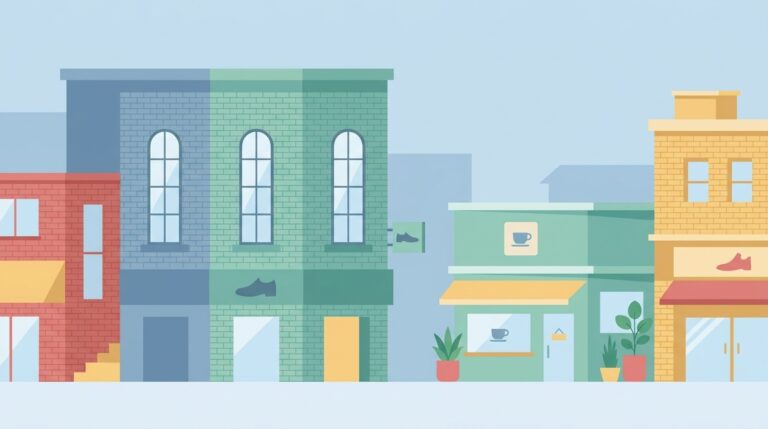
Phase 1: Empathy (Story-Driven Opening)
안녕하세요! 매일한글 에디터입니다.
Have you ever visited a charming, historic neighborhood in Seoul like Seongsu-dong or Ikseon-dong, marvelling at the industrial-chic cafes housed in former shoe factories, only to wonder what happened to the local artisans who once called these streets home? As an urban traveler or Korean learner exploring C1-level discourse, discussing topics like urban regeneration and gentrification (도시 젠트리피케이션) requires a subtle blend of socio-economic vocabulary and cultural empathy.
Many advanced Korean learners tell us that while they can easily talk about daily routines, stepping into debates about urban development leaves them searching for sophisticated expressions beyond simple words like ‘이사와 변화’ (moving and change). You might want to express deep empathy for displaced local merchants or debate policies on sustainable urban renewal during a conversation with Korean university friends or colleagues, but feel limited by textbook jargon. This guide is crafted specifically from real learner feedback to give you the exact linguistic toolkit, nuanced phrasing, and social context needed to discuss complex urban issues naturally and persuasively in Korean.
Phase 2: Core Expressions Deep Dive
1. 임대료 폭등으로 둥지 쫓겨나기
- Pronunciation: Imdaeryo pokdeung-euro dungji jjok-gyeonagi (Sounds like: im-dae-ryo pok-dung-eu-ro doong-ji jjok-gyuh-na-gi)
- Meaning: Being pushed out of one’s nest due to skyrocketing rent.
- K-Culture Moment: Frequently referenced in Korean urban renewal documentaries and social dramas when long-standing local shops are replaced by franchise stores in trendy alleyways.
- Editor’s Insight: Metaphorically using ‘둥지’ (nest) conveys a deep sense of vulnerability and emotional connection to the space, elevating your expression from mere financial struggle to a humanized story.
- Situation Spectrum: Casual ⚠️ / Semi-formal ✅ / Formal ✅
- 🤔 Think About It: How does viewing a business as a ‘nest’ reflect the Korean cultural emphasis on emotional attachment to community spaces?
2. 상권 활성화의 그늘
- Pronunciation: Sang-gwon hwalseonghwa-ui geunul (Sounds like: sahng-gwon hwal-sung-hwa-ui geu-neul)
- Meaning: The shadow (dark side) of commercial district revitalization.
- K-Culture Moment: Used by journalists and urban planners discussing places like Yeonnam-dong, highlighting how popularity leads to higher rents and loss of unique neighborhood identity.
- Editor’s Insight: Combining economic jargon (‘상권 활성화’) with poetic imagery (‘그늘’) showcases advanced C1 rhetoric, allowing you to present balanced, critical viewpoints.
- Situation Spectrum: Casual ⚠️ / Semi-formal ✅ / Formal ✅
- 🤔 Think About It: In your home culture, is urban revitalization viewed primarily as economic progress, or is equal weight given to heritage preservation?
3. 원주민과 상인의 상생 방안
- Pronunciation: Wonjumin-gwa sang-in-ui sangsaeng bang-an (Sounds like: won-ju-min-gwa sahng-in-ui sahng-saeng bahng-ahn)
- Meaning: Coexistence and mutual prosperity measures for local residents and merchants.
- K-Culture Moment: Seen on banner slogans and news headlines when local municipalities attempt to mediate between building owners and long-term tenants.
- Editor’s Insight: ‘상생’ (win-win/coexistence) is a vital keyword in Korean corporate and social politics. Using it demonstrates high cultural literacy and diplomatic fluency.
- Situation Spectrum: Casual 🚫 / Semi-formal ✅ / Formal ✅
- 🤔 Think About It: How does ‘상생’ differ from simple compromise, and why is harmony emphasized in collective Korean social solutions?
Phase 3: Textbook Korean vs. Real Korean
Scenario 1: Discussing neighborhood transformation
- 📖 Textbook Korean: 도시가 개발되어 원래 살던 사람들이 다른 곳으로 이사를 가고 있습니다.
- 🗣️ Real Korean: 감성 카페들이 들어서면서 원주민들이 쫓겨나듯 떠나고 있어요.
- 💡 Why is it different? Real Korean uses evocative imagery like ‘감성 카페’ (aesthetic cafes) and ‘쫓겨나듯 떠나다’ (leaving as if pushed out) to convey emotional and social realities rather than neutral facts.
Scenario 2: Proposing a solution for gentrification
- 📖 Textbook Korean: 우리는 건물주와 세입자의 협력이 필요하다고 생각합니다.
- 🗣️ Real Korean: 젠트리피케이션을 막으려면 건물주랑 상인들 간의 상생 협약이 시급해요.
- 💡 Why is it different? C1 speakers use precise terms like ‘젠트리피케이션’ (gentrification) and ‘상생 협약’ (coexistence agreement) to articulate formal policy concepts concisely.
Phase 4: K-Culture Deep Dive & Non-Verbal Manners
4-1. Nunchi & Gestures
When engaging in serious social debates in Korea, body language matters. Maintain respectful eye contact, but soften your tone by tilting your head slightly or using a light hand palm-up gesture when introducing sensitive topics like socio-economic inequality. Avoid pointing directly or using sharp hand chops, as this can feel confrontational.
4-2. Culture Code Analysis
Korean urban regeneration is iconic in dramas like Itaewon Class or real-world hotspots like Seongsu-dong (성수동). Originally an industrial hub filled with shoe factories and auto repair shops, Seongsu-dong transformed into the ‘Brooklyn of Seoul.’ Understanding this balance between industrial heritage preservation and rising commercial values gives you an instant bridge to connect deeply with Korean peers.
Phase 5: Real-Life Roleplay Scenario
Setting: A cozy community center in Seongsu-dong. You (Alex) are discussing urban regeneration with Min-jun, a local urban planner.
- Min-jun: 성수동이 요즘 핫플레이스로 뜨면서 외지인 방문이 엄청 늘었어요.
(Seongsu-dong has become such a hot spot lately, visitor numbers have surged.) - Alex: 🎭 [고개를 끄덕이며 공감하듯] 맞아요, 하지만 상권이 활성화되면서 임대료 폭등 문제도 심각해진 것 같아요.
(Right, but as the commercial district flourishes, skyrocketing rents seem to be a serious issue too.) - Min-jun: 네, 기존에 계시던 수제화 공장 사장님들이 버티기 힘들어하시죠.
(Yes, traditional handmade shoe workshop owners are finding it hard to hold out.) - Alex: 🎭 [진지한 표정으로] 상권 활성화의 그늘이군요. 둥지를 쫓겨나는 원주민들을 위한 대책이 있나요?
(That’s the dark side of revitalization. Are there measures for residents being displaced from their nests?) - Alex’s Choice Point:
- Choice A: 건물주들 세금을 늘려서 다 쫓아내야 합니다.
- Choice B: 지자체 차원에서 임대료 상한제나 상생 협약을 추진해야 합니다.
- Choice C: 어쩔 수 없죠. 시장 경제 원리니까요.
Feedback:
* Choice A (Risk): Too aggressive and unrealistic; ignores legal/financial complexities.
* Choice B (Best): Constructive, uses C1 key concepts (‘지자체’, ‘임대료 상한제’, ‘상생 협약’), showing diplomatic fluency.
* Choice C (Bad): Dismissive; lacks empathy for community preservation.
- Min-jun (continuing after Choice B): 정확한 지적이십니다! 실제로 성수동에서는 상생 협약을 체결해 임대료 인상을 자제하고 있어요.
(Spot on point! Actually in Seongsu-dong, coexistence agreements are being signed to curb rent increases.) - Alex: 🎭 [밝게 미소 지으며] 정말 다행이네요. 지속 가능한 도시 재건의 좋은 본보기가 되면 좋겠어요.
(That’s such a relief. I hope it becomes a good example of sustainable urban renewal.) - Min-jun: 앞으로도 많은 관심 부탁드립니다!
(Please keep paying attention to our efforts!)
Phase 6: 10-Second Emotion Shadowing Drill
[🥺 아쉽고 씁쓸한 어조로]
오래된 가게들이 / 임대료 폭등으로 / 둥지를 쫓겨나고 있어요.
(O-rae-doen ga-ge-deul-i / im-dae-ryo pok-deung-eu-ro / dung-ji-reul jjok-gyeo-na-go it-seo-yo.)-
[🤔 진지하고 비판적인 어조로]
화려한 상권 활성화 뒤에는 / 원주민들의 눈물이라는 / 그늘이 숨어 있습니다.
(Hwa-ryeog-han sang-gwon hwal-seong-hwa dwi-e-neun / won-ju-min-deul-ui nun-mul-i-ra-neun / geun-ul-i sum-eo it-seub-ni-da.) -
[😊 희망차고 확신에 찬 어조로]
건물주와 상인의 / 상생 방안이야말로 / 도시 재생의 핵심입니다.
(Geon-mul-ju-wa sang-in-ui / sang-saeng bang-an-i-ya-mal-ro / do-si jae-saeng-ui hyaek-sim-im-ni-da.)
Phase 7: K-Culture Mini Dictionary
- 젠트리피케이션 (Jenteuripikeiseon) | Gentrification | Used in news and social debates to describe urban displacement.
- 건물주 (Geonmulju) | Building Owner / Landlord | Often jokingly called above ‘갓물주’ (God-landlord), referencing real estate power.
- 상생 협약 (Sangsaeng Hyeongnyak) | Coexistence Agreement | Formal pact between landlords and tenants to limit rent increases.
- 핫플레이스 (Hat-pheulleiseu) | Hot Place / Trendy Spot | Frequently abbreviated as ‘핫플’, referring to booming social spots.
Phase 8: Traveler’s Survival Kit
Survival Phrases TOP 3
- 이 동네의 원래 모습은 어땠나요? (I-dong-nae-ui won-rae mo-seub-eun eo-ttaet-na-yo?)
- Pro Tip: Great question to ask local cafe owners or elderly residents when exploring older neighborhoods.
- 여기도 젠트리피케이션 영향이 큰가요? (Yeo-gi-do jenteuripikeiseon yeong-hyang-i keun-ga-yo?)
- Pro Tip: Use when chatting with university students or local tour guides.
- 지역 상인들과 상생하는 가게인가요? (Ji-yeok sang-in-deul-gwa sang-saeng-ha-neun ga-ge-in-ga-yo?)
- Pro Tip: Expresses ethical tourism consciousness.
Editor’s Travel Note
Before heading out to Seongsu-dong or Ikseon-dong, download 네이버 지도 앱 다운로드 to easily locate hidden cultural heritage spaces and historic walking routes across Seoul.
Phase 9: One Step Deeper
In Korean culture, space is deeply tied to Jeong (정) and community identity. Unlike purely contractual views on real estate, historic Korean neighborhoods are seen as collective memories built over decades. Understanding gentrification isn’t just an economic debate in Korea—it touches on whether modern progress honors human connections and social solidarity.
💬 Your Turn: How does your home country balance historic neighborhood preservation with economic modernization? Share your thoughts in Korean below!
Phase 10: FAQ & Common Mistakes
Q: Is ‘젠트리피케이션’ commonly understood by average Koreans?
A: Yes, due to extensive news coverage surrounding Seongsu-dong, Euljiro, and Hongdae, most urban Koreans and young adults are familiar with the term.
Q: What is the difference between 재개발 (redevelopment) and 도시 재생 (urban regeneration)?
A: ‘재개발’ usually involves demolishing old buildings to build new high-rises, whereas ‘도시 재생’ focuses on preserving historical character while upgrading infrastructure.
Q: How can I sound more natural when expressing concern about gentrification?
A: Instead of just saying ‘문제예요’ (it’s a problem), use expressions like ‘상권 활성화의 그늘이 우려돼요’ (I am concerned about the shadow of commercial revitalization).
🚨 Common Mistakes
- Mistake: Using ‘쫓겨나다’ in formal policy presentations.
- Correct Action: Use ‘원주민 내몰림 현상’ (displacement phenomenon) or ‘주거지 이탈’ in formal contexts.
- Mistake: Confusing ‘건물주’ (property owner) with ‘임차인’ (tenant).
- Correct Action: Remember ‘임대인’ is landlord, ‘임차인’ is tenant.
- Mistake: Pronouncing ‘상생’ as ‘상성’.
- Correct Action: Pronounce clearly as sang-saeng (coexistence).
Phase 11: Action Mission & Engagement
- Bronze: Read Phase 6 Shadowing Drills out loud 3 times with matching emotions.
- Silver: Leave a 2-sentence comment on this blog post using the term ‘상생 방안’.
- Gold: Watch a Korean news report or vlog about ‘성수동 젠트리피케이션’ and write a 3-line summary in Korean.
🎮 K-Culture Mission: Find a news clip or vlog covering Seongsu-dong or Euljiro and spot if ‘임대료’ or ‘상생’ appears!
Phase 12: Interactive Quiz Challenge
Q1. Fill in the blank: 도시 재생 과정에서 기존 주민들이 쫓겨나는 현상을 __________(이)라고 합니다.
🔍 Click to view Answer & Explanation
Answer: 젠트리피케이션 (Gentrification)
Explanation: Gentrification describes the socio-economic phenomenon of resident displacement due to rising property values.
Q2. True or False: ‘상생 방안’ means a plan where only building owners benefit.
🔍 Click to view Answer & Explanation
Answer: False
Explanation: ‘상생’ means mutual prosperity and coexistence between all parties (landlords, tenants, and residents).







